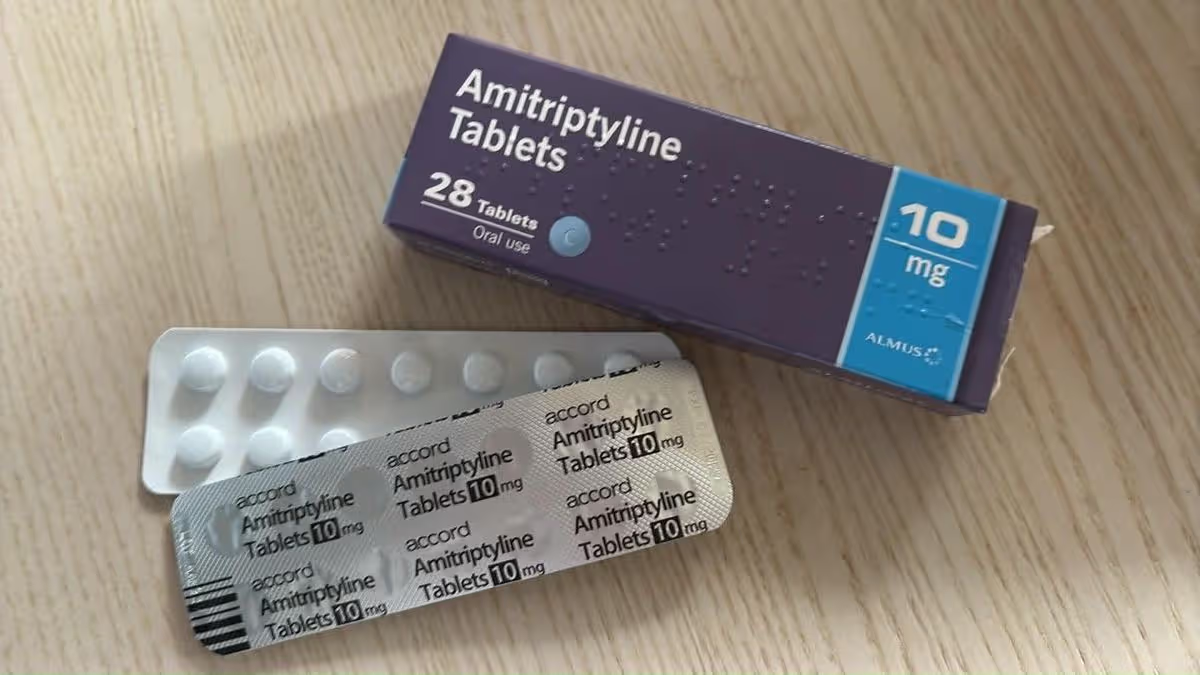
NewsHealthHealthMore than 15 million prescriptions for the drug are made in a year in the UK08:29, 31 May 2026Brits who take a commonly-prescribed drug are urged to “call 111” if they spot a side effect in the eye. While rare, this is a potentially “serious” symptom that requires medical attention.Amitriptyline is a prescription antidepressant medicine used to treat low mood and depression. It works by raising levels of a chemical called serotonin in your brain. Amitriptyline is also used to treat nerve pain and prevent migraines. It is one of the most widely prescribed drugs in the UK, with around 15 to 16 million prescriptions issued every year.However, like all medicines, amitriptyline can cause side effects in some people. Although, the NHS explains that many people will have “no side effects” or “only minor ones”.On its website, the health body lists eye pain as a less common but serious side effect of the drug. It says you should call a doctor or 111 if “you have eye pain, a change in your eyesight, or swelling or redness in or around your eye”.Another serious side effect of amitriptyline is jaundice, indicating a liver issue. This can also appear in the eyes.The NHS says: “If the whites of your eyes turn yellow, or your skin turns yellow, although this may be less obvious on brown or black skin, or you have dark pee – these can be signs of a liver problem.”Other serious side effects for which you should call 111 include if:Your heartbeat becomes fast or irregularYou have constant headaches, you feel sick (nausea) and weak, and you get frequent muscle cramps – together, these can be a sign of low sodium levels in your blood. In severe cases low sodium levels can lead to a fit or seizureYou have constipation that lasts a long time, a swollen stomach, a high temperature and you're being sick (vomiting) – these can be signs of intestine problemsYou have problems peeing which are causing stomach ache, or you cannot pee at allYou have a high temperature with shivering or chills and sore throat that lasts a long time, or you're bleeding or bruising more easily than usual – these can be signs that the medicine has affected your blood or bone marrowCommon side effectsThe NHS says: “Some of the common side effects of amitriptyline will gradually improve as your body gets used to the medicine.“These common side effects happen in more than one in 100 people.” These include:ConstipationFeeling dizzyDry mouthFeeling sleepyDifficulty peeingHeadachesThe NHS advises: “Speak to a doctor or pharmacist if the advice on how to cope does not help and a side effect is still bothering you or does not go away.”Article continues belowFor more information, visit the NHS website here.Choose Daily Mirror as a 'Preferred Source' on Google News for quick access to the news you value.Fitness And HealthHealthy LifestyleEye healthHealthy LifeHealth and LeisureHealthNHSMental healthPrescriptions
Amitriptyline alert as NHS says 'call 111' over this eye symptom
More than 15 million prescriptions for the drug are made in a year in the UK
483 words~2 min read