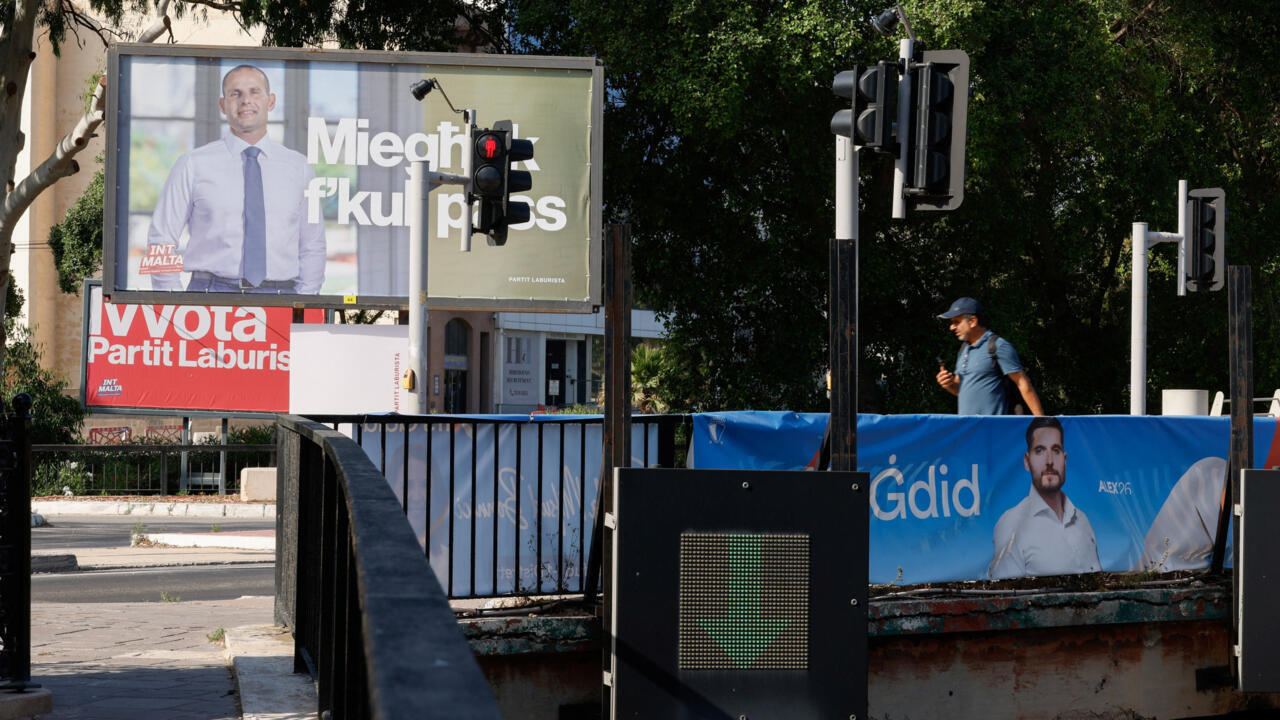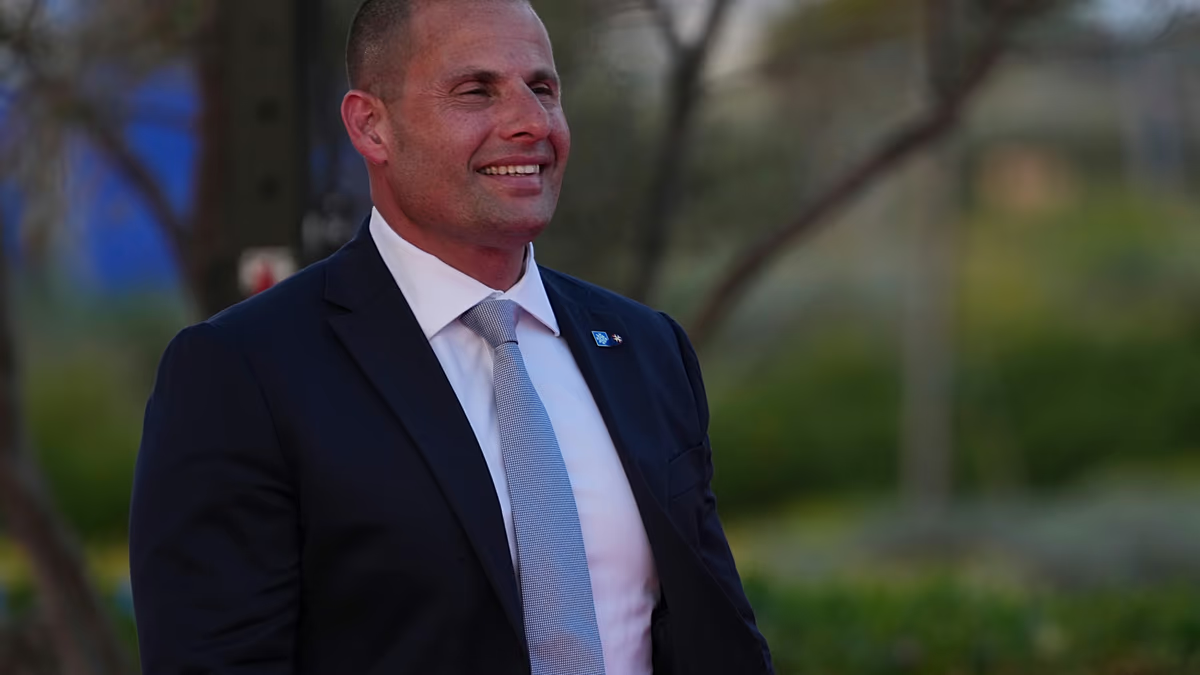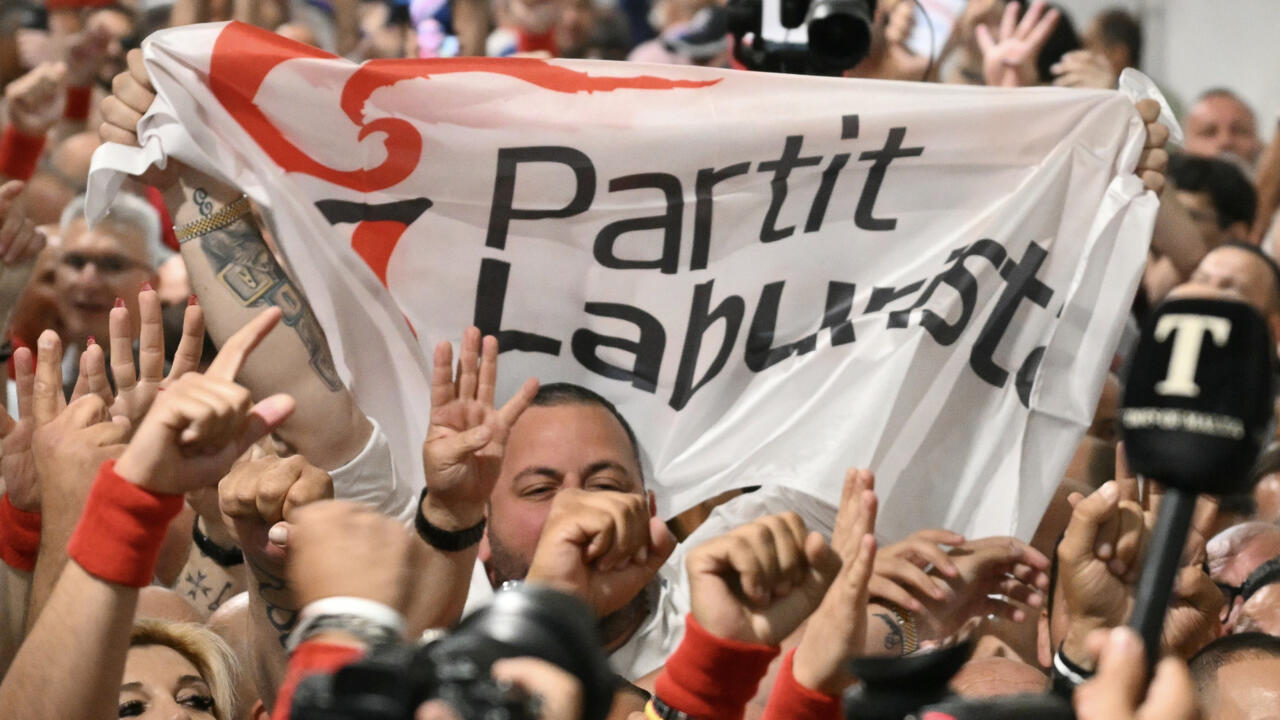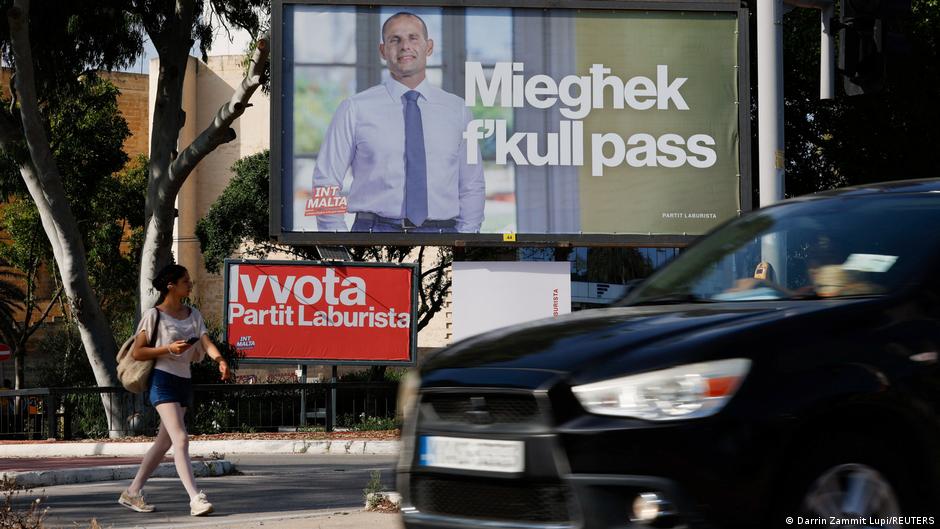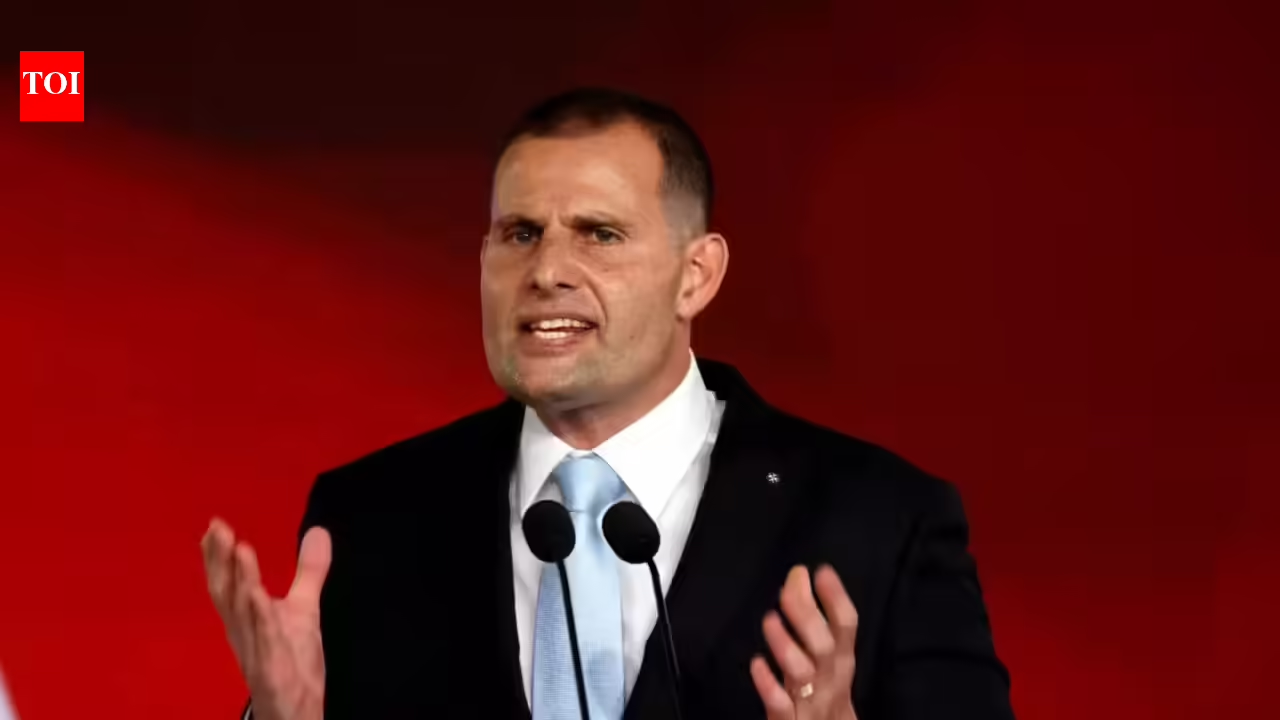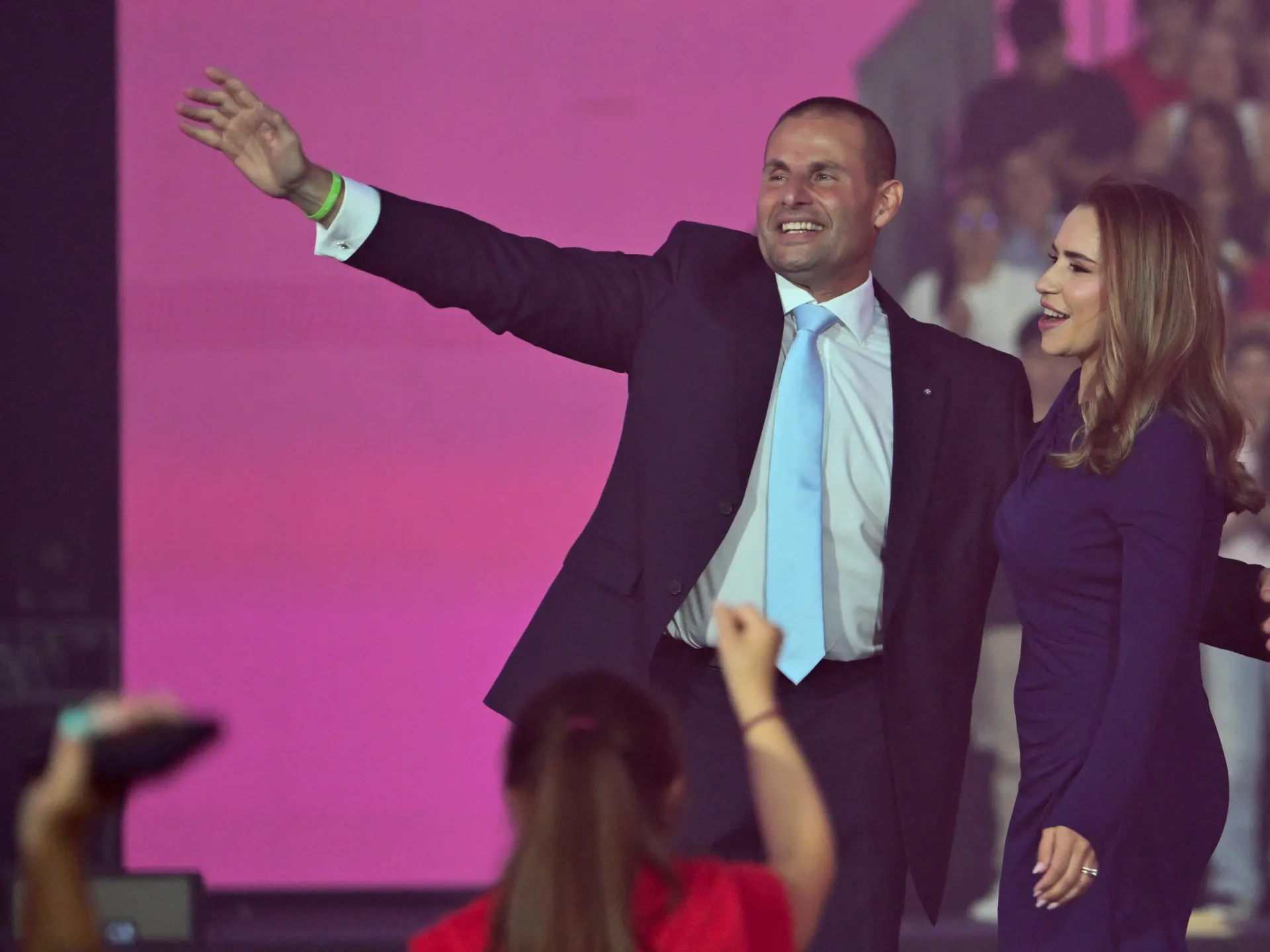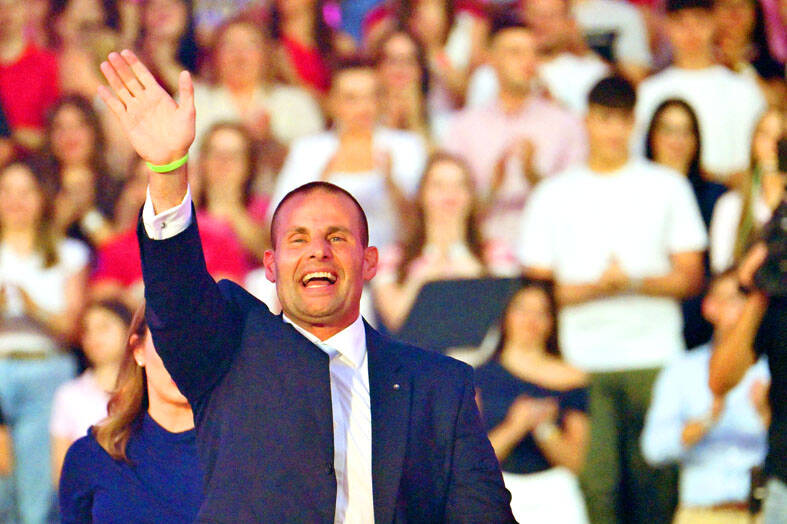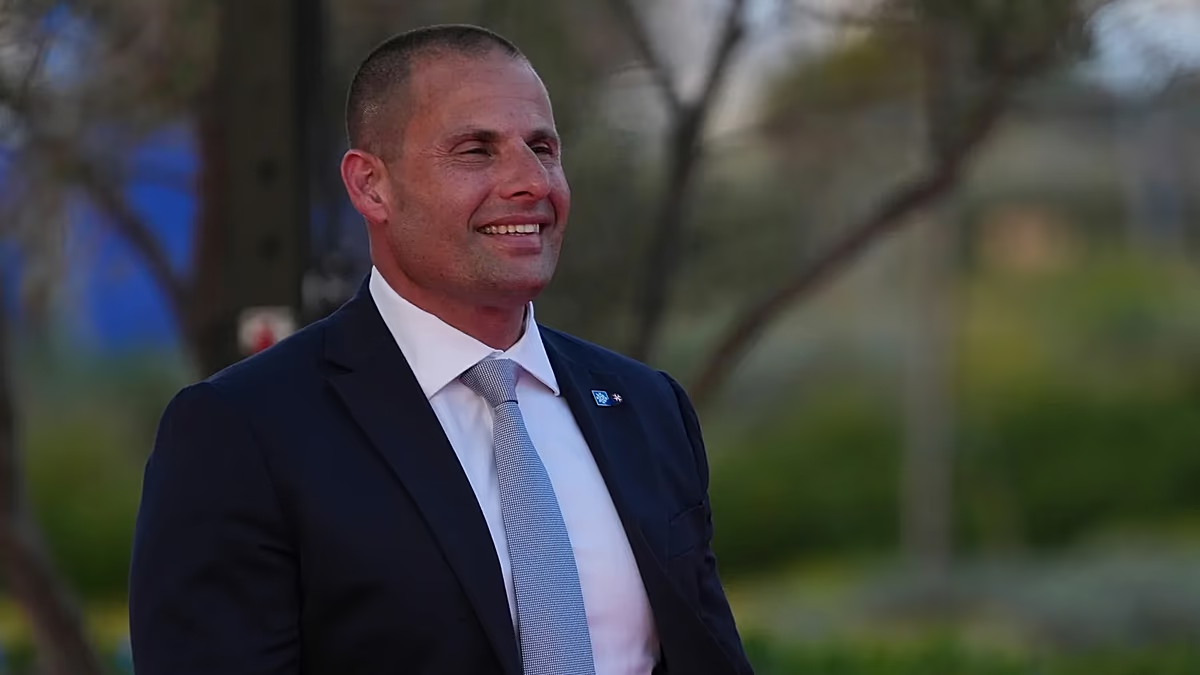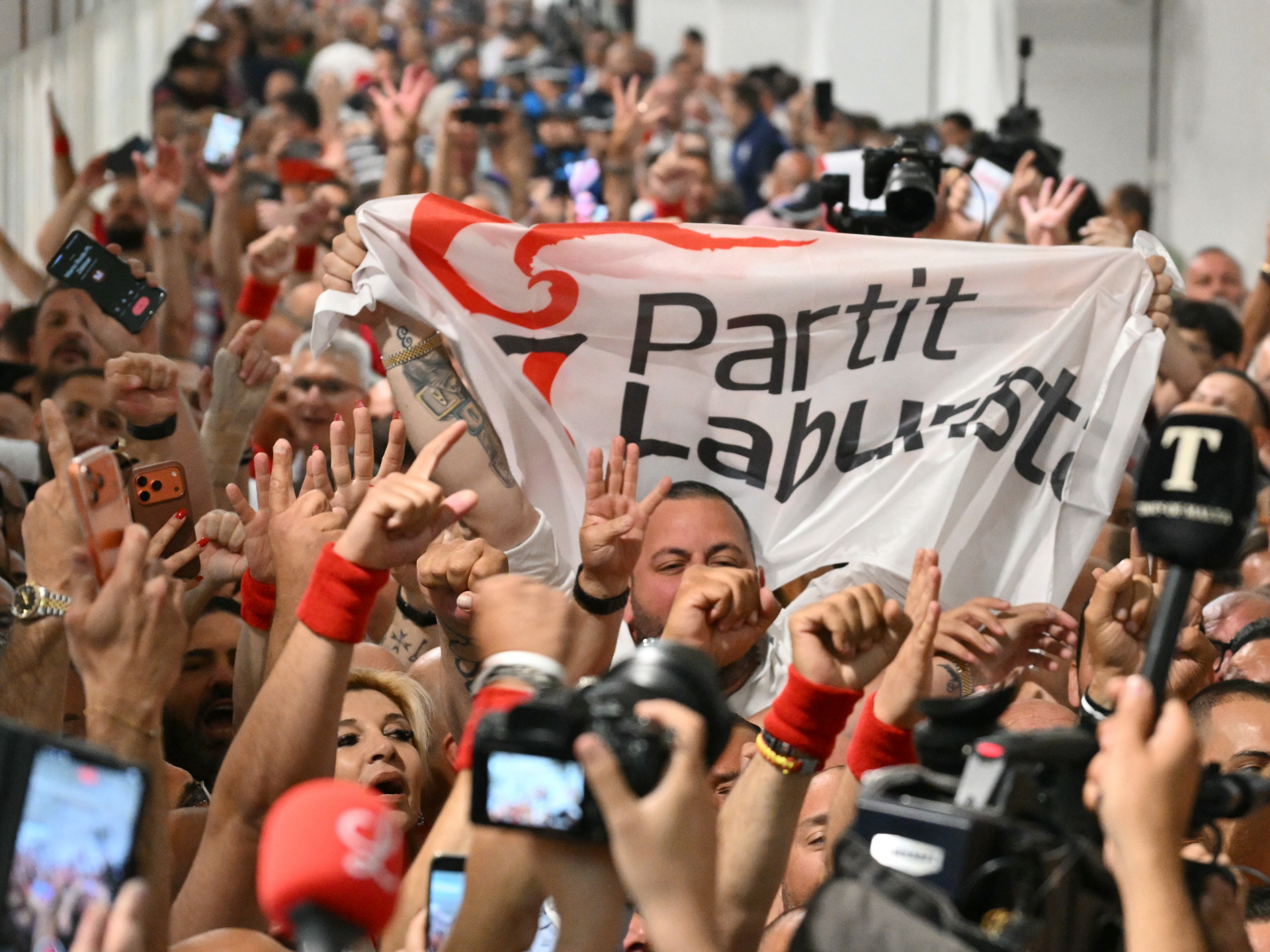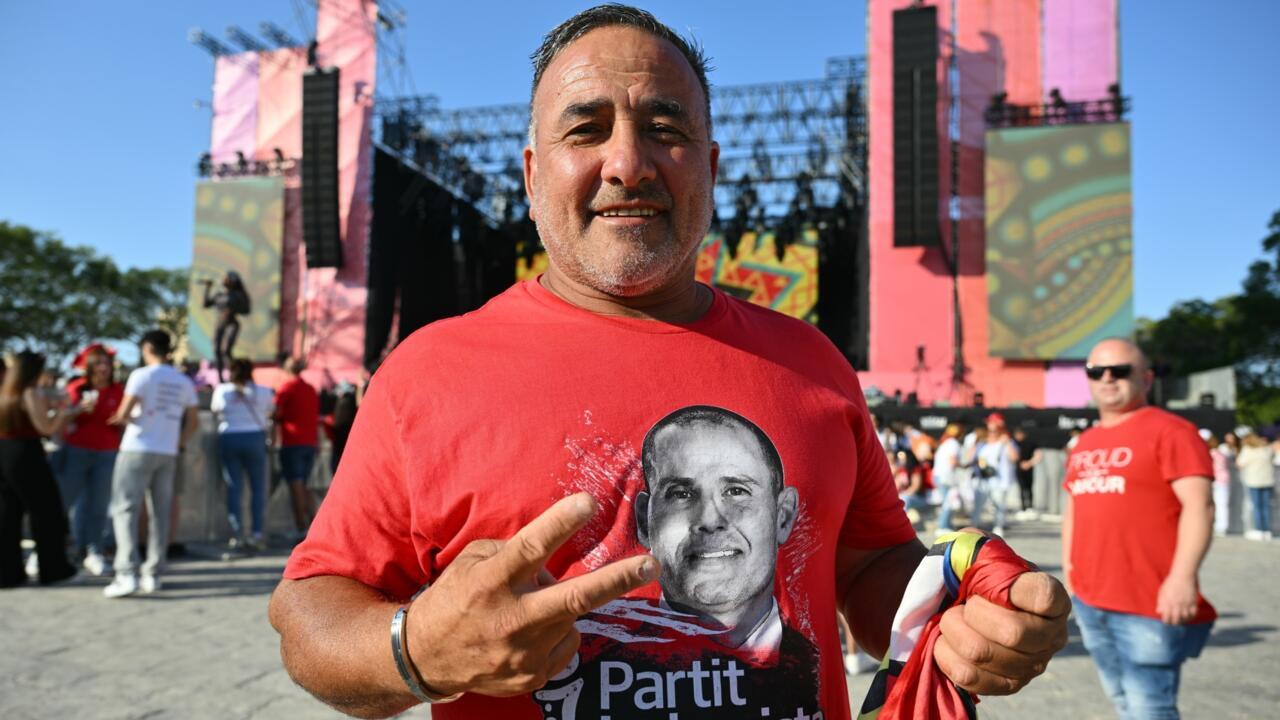
Prime Minister Robert Abela, 48, called the snap election a year early, saying the government needed a fresh mandate in order to shield the tiny, import-heavy island from geopolitical crises.While Malta's economy grew 4.0 percent last year, there are concerns the conflict in the Middle East could have an impact on tourism due to spiralling aviation fuel costs, and drive up inflation.Abela campaigned on Labour's economic record since 2013, pledging stability in a period of uncertainty.His main rival is Nationalist Party (PN) candidate Alex Borg, a 30-year-old lawyer and former "Mr World Malta" beauty pageant winner, who has urged the Maltese to vote for change.If elected, he would be the country's youngest leader.Voting took place across the tiny Mediterranean island nation on Saturday, and ballots were ferried overnight to the Counting Hall in Naxxar, where counting begins on Sunday morning.A preliminary result is expected later Sunday, with polls predicting a Labour win over opposition Nationalist Party.
Should the opposition Nationalist Party win, its leader Alex Borg would become Malta's youngest ever PM. © Alberto PIZZOLI / AFP
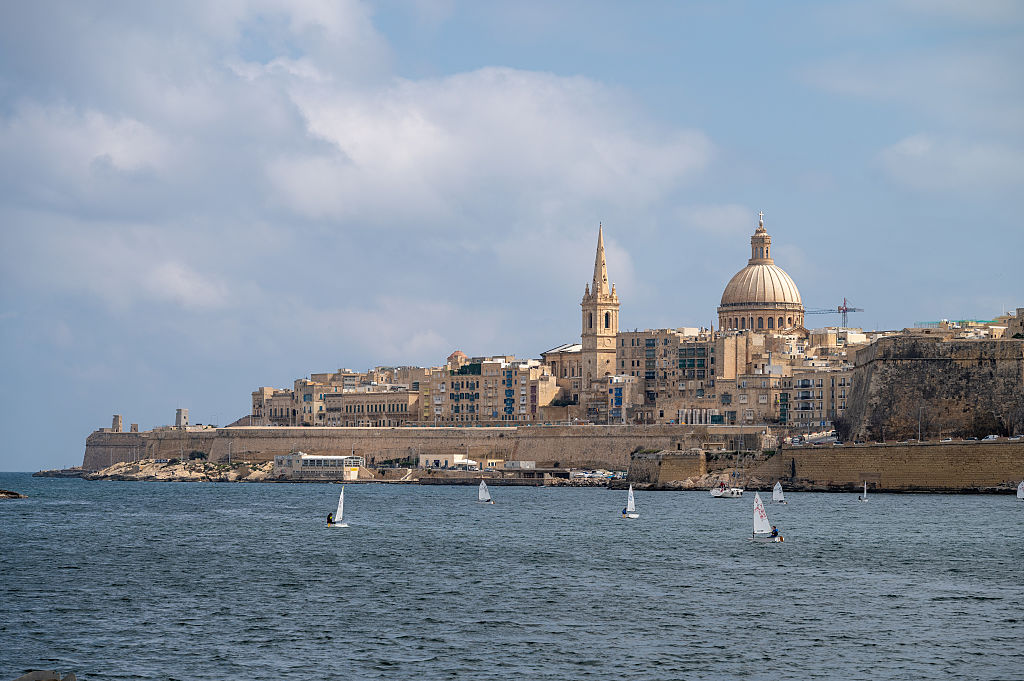
Abela has led Malta since 2020, when his predecessor quit following a political crisis over the assassination in 2017 of reporter Daphne Caruana Galizia, who exposed corruption at the highest level in the country.According to a 2025 Council of Europe report, Malta remains significantly behind in the fight against corruption -- but the issue was not a hot topic on the campaign trail.Population boomMalta's economic performance trumped other concerns.Located off the coast of Sicily, Malta is the smallest and most densely populated country in the European Union, with around 550,000 people living in 316 square kilometres (122 square miles).The island has a thriving economy based largely on tourism, online gaming and financial services, and one of the lowest unemployment rates in the EU.