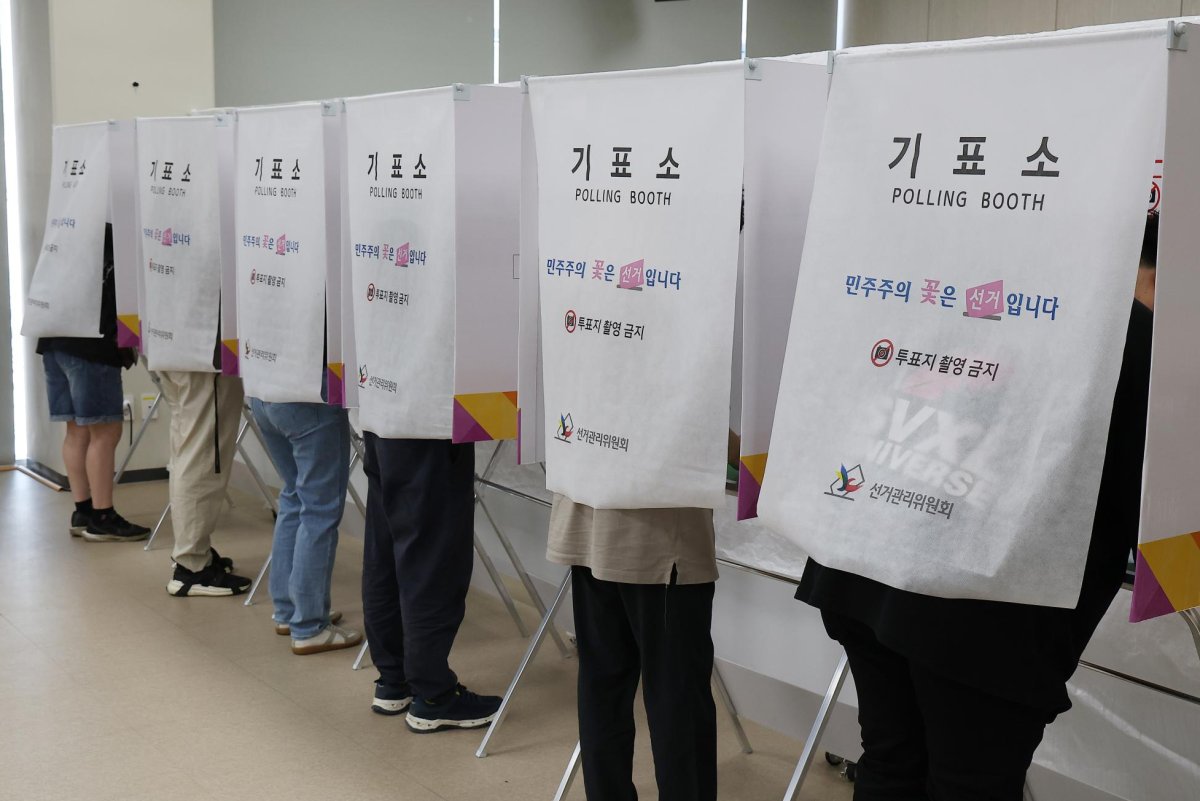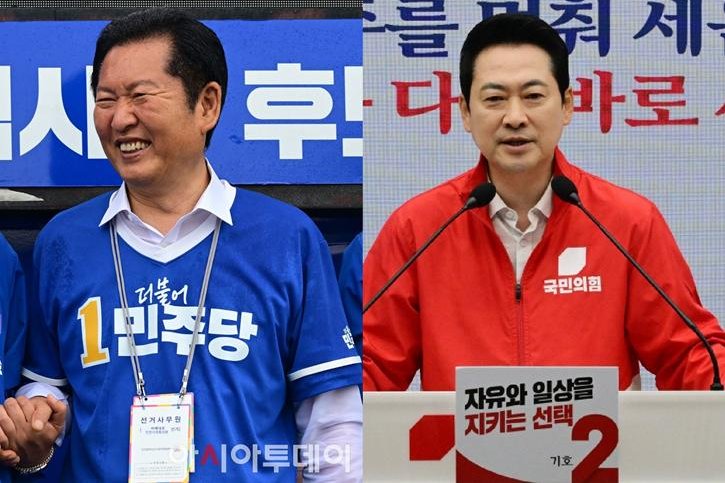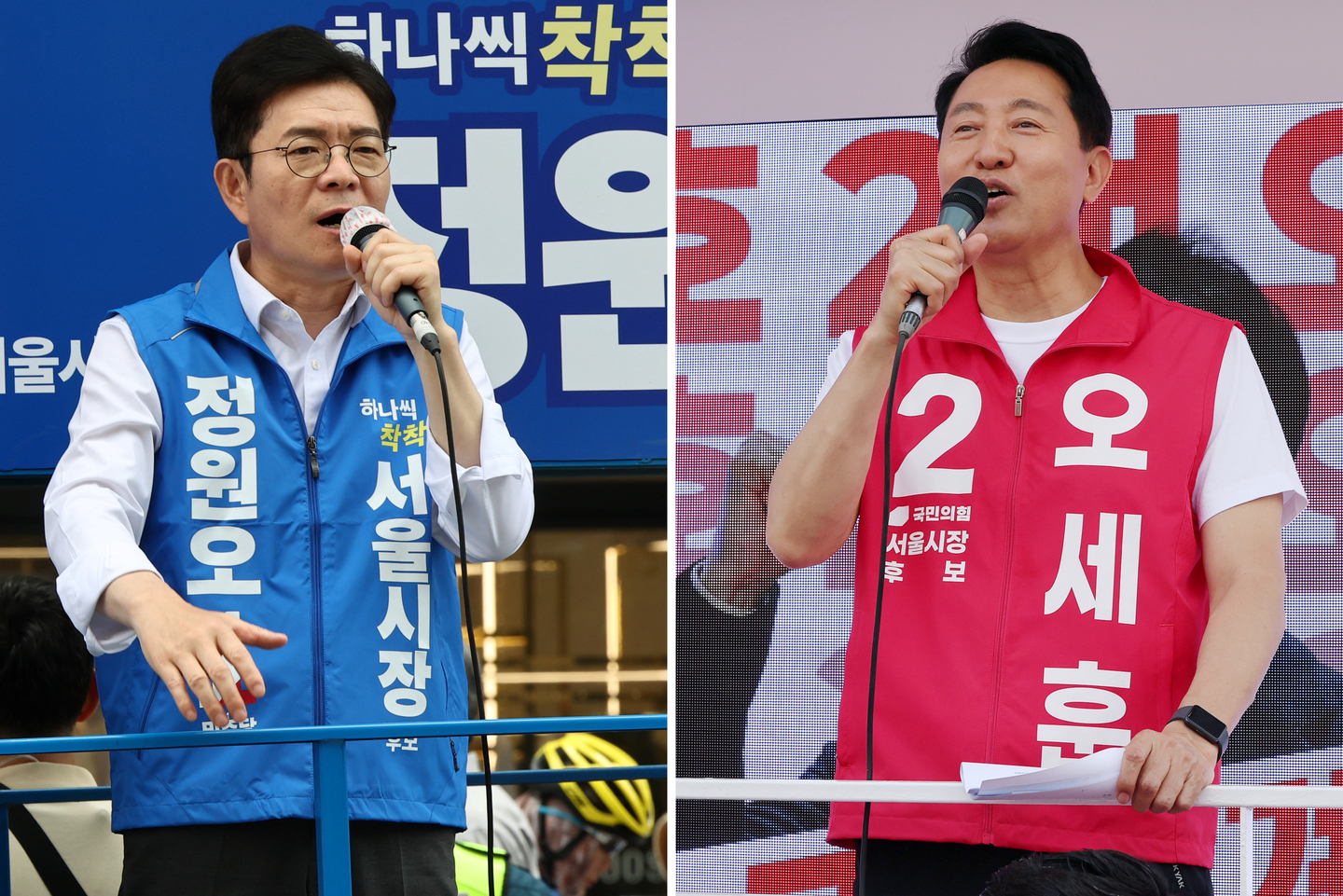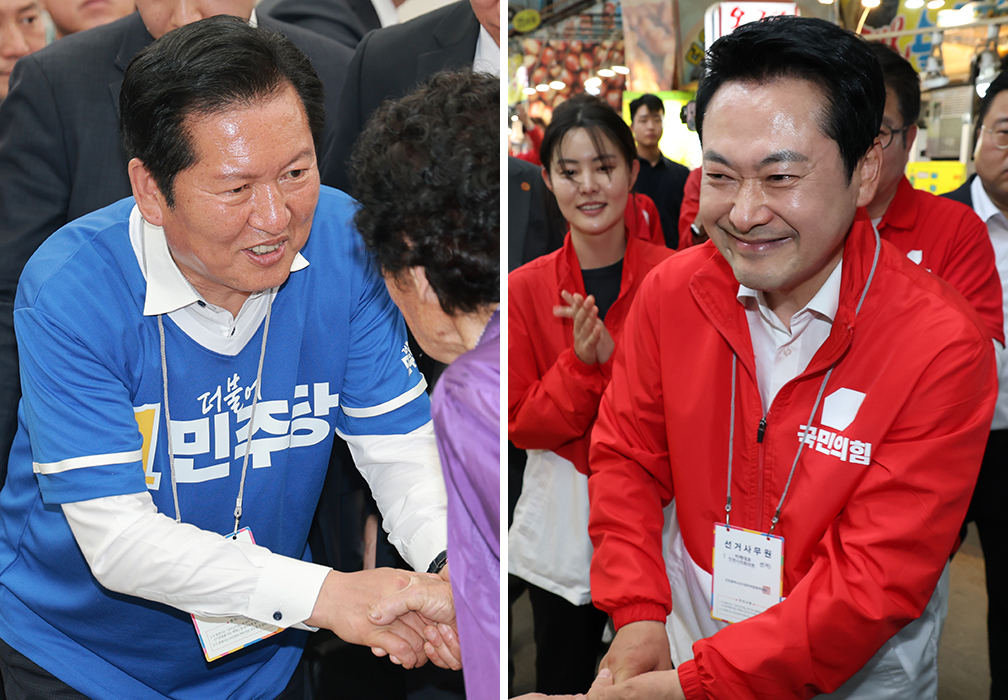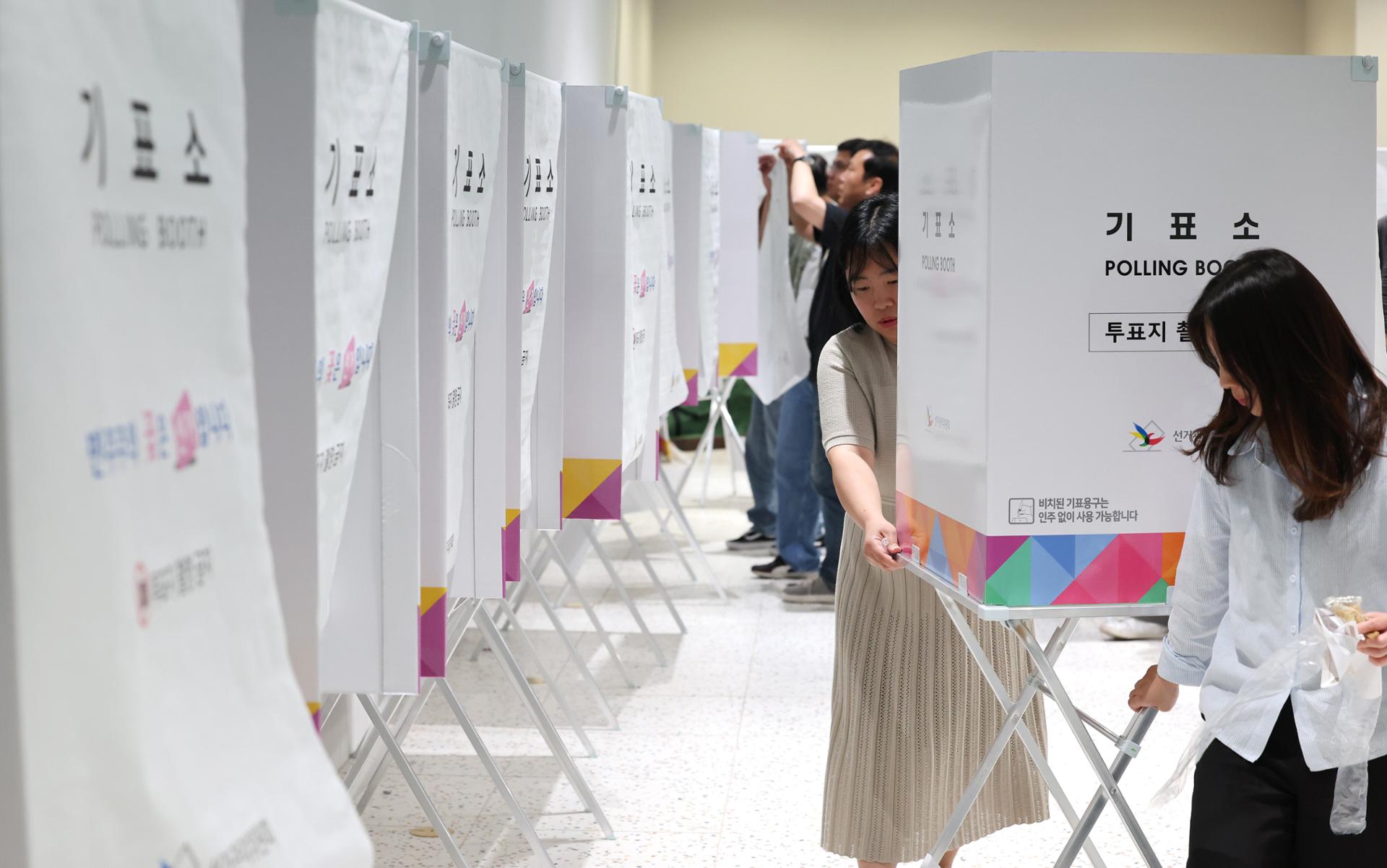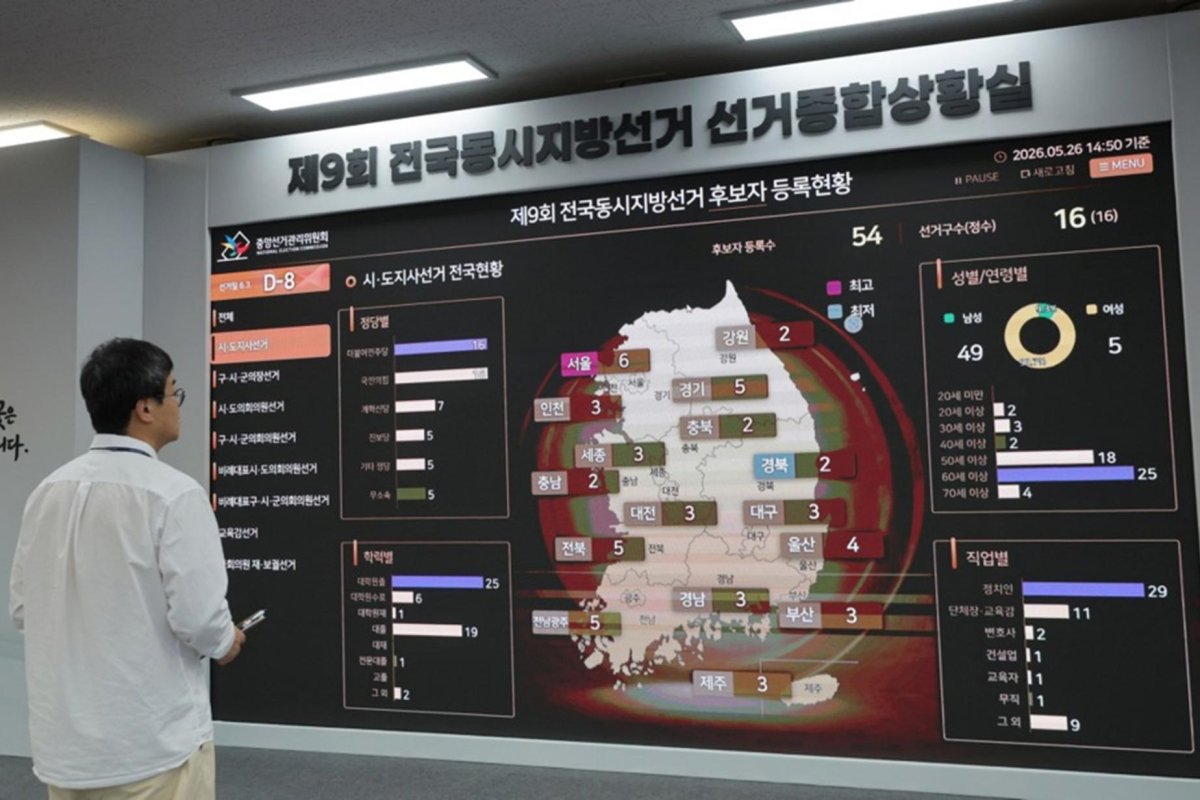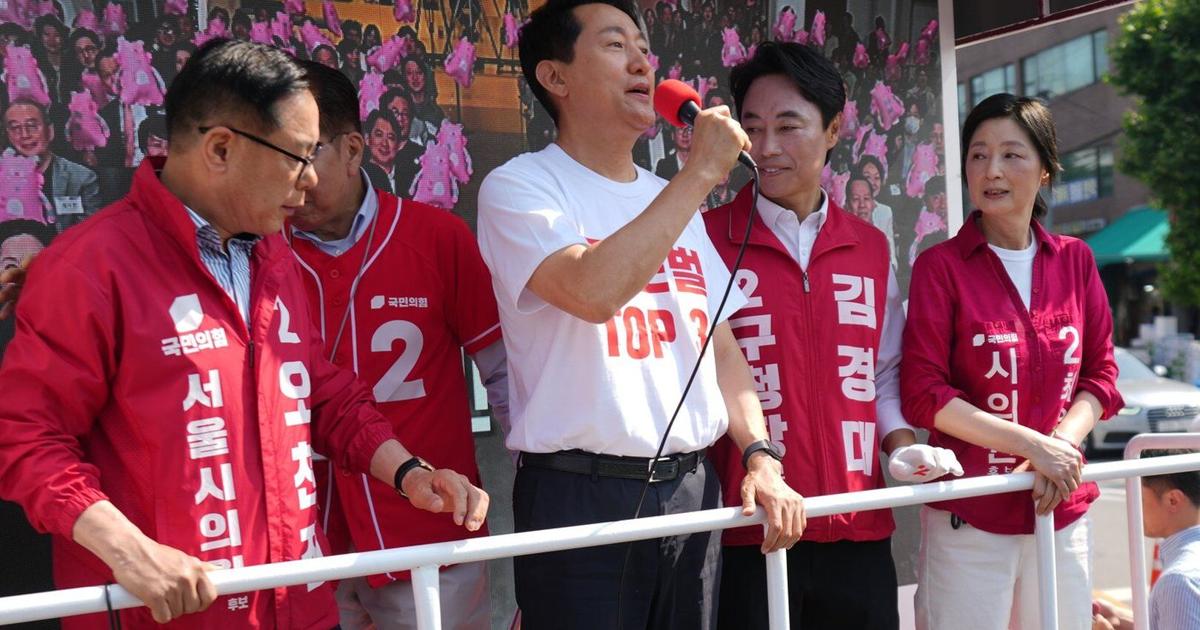
Incheon local currency cards are shown in this file photo. (Incheon Metropolitan Government) South Korea is seeing a surge in cash-based campaign pledges ahead of the June 3 local elections, as candidates seek to attract voters with promises of direct financial benefits, despite growing concerns over the sustainability of the plans.The trend has emerged across party lines, with candidates from both the ruling Democratic Party of Korea and the main opposition People Power Party proposing a variety of direct payment programs aimed at easing living costs and stimulating local economies.One of the most notable examples is Democratic Party gubernatorial candidate Choo Mi-ae in Gyeonggi Province, who pledged to provide 1 million won ($669) in wedding support funds to newlyweds using public wedding venues.In Incheon, Democratic Party mayoral candidate Park Chan-dae proposed expanding local currency payments, while South Gyeongsang Province Gov. Park Wan-su of the People Power Party announced a plan to provide 100,000 won per resident through a supplementary budget as a livelihood support measure.Another category of pledges drawing attention is the so-called energy dividend programs.According to a recent survey of local election pledges, 126 of 585 candidates for local government chief positions, or 21 percent, proposed some form of an energy dividend program under which profits from renewable energy or nuclear power projects would be distributed directly to residents.Among gubernatorial and mayoral candidates, 15 of 54, or 27 percent, made similar pledges, according to the survey.The proposals were particularly common in regions with large concentrations of energy facilities, including South and North Jeolla provinces, Gangwon Province, North Gyeongsang Province and South Chungcheong Province.However, questions remain over whether many of the projects can generate the returns promised by the candidates.According to Korea Electric Power Corp., new power generation facilities will be unable to connect to the power grid at 205 substations nationwide through 2031 because of transmission capacity shortages, raising doubts about whether some planned projects can operate as envisioned.The growing number of spending pledges has also fueled concerns over whether local governments can afford to follow through on them.According to the Ministry of the Interior and Safety, 14 of the country's 17 metropolitan and provincial governments had fiscal independence rates below 50 percent last year. Several provinces, including North Jeolla, South Jeolla, North Gyeongsang and Gangwon, recorded rates in the 20 percent range.Hong Sung-geol, a professor of public administration at Kookmin University, said many of the promises amount to little more than vote-seeking proposals without clear funding sources."At first glance, releasing money may appear to stimulate the economy, but inflationary pressure could increase significantly due to excess liquidity," Hong said.
Local election campaigns push cash-based pledges
South Korea is seeing a surge in cash-based campaign pledges ahead of the June 3 local elections, as candidates seek to attract voters with promises of direct f
432 words~2 min read