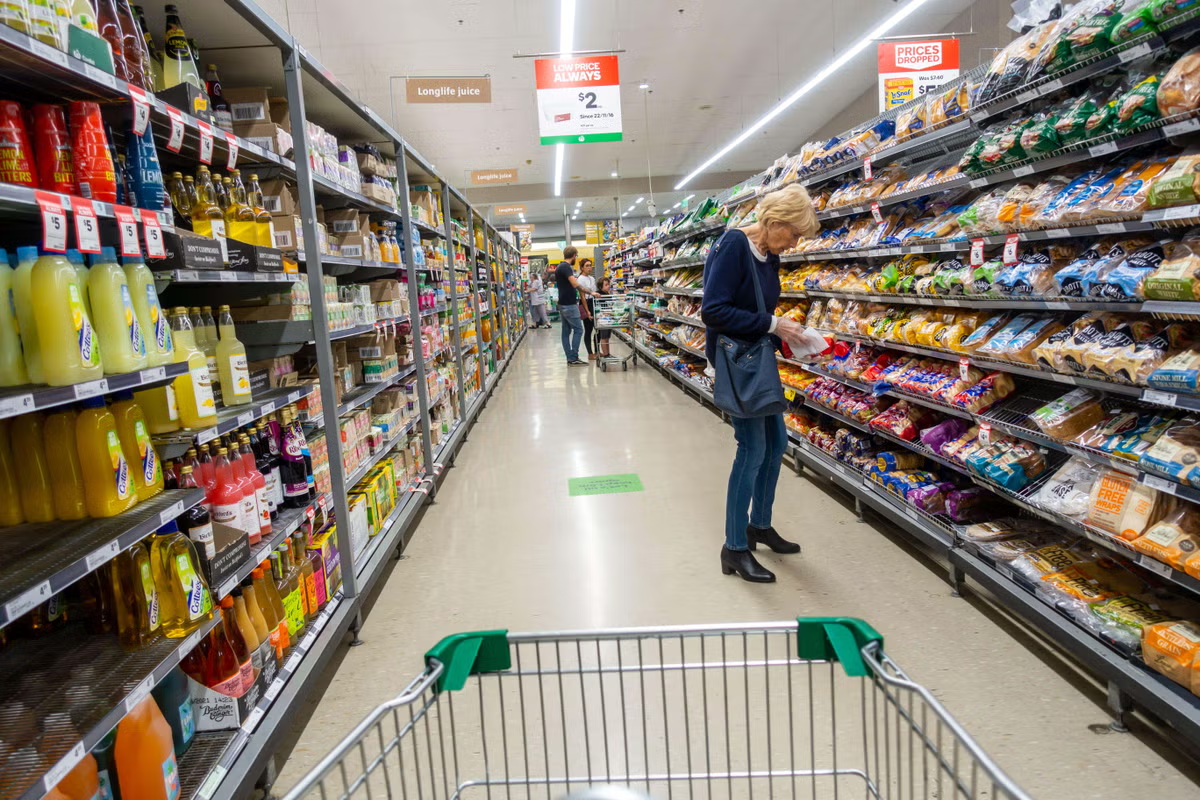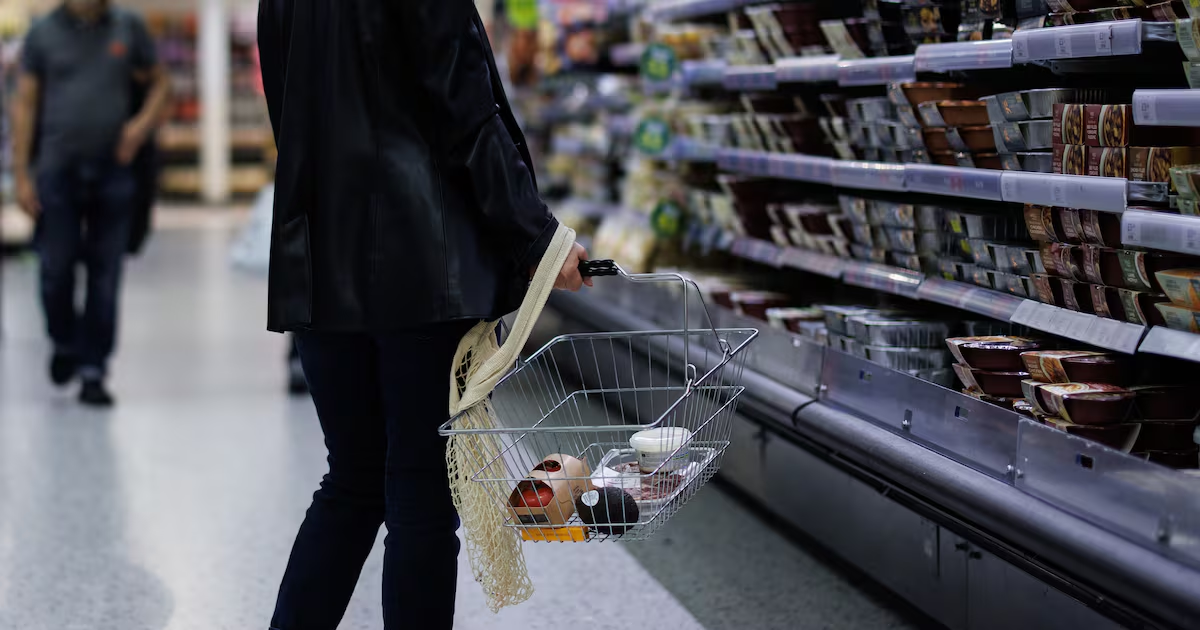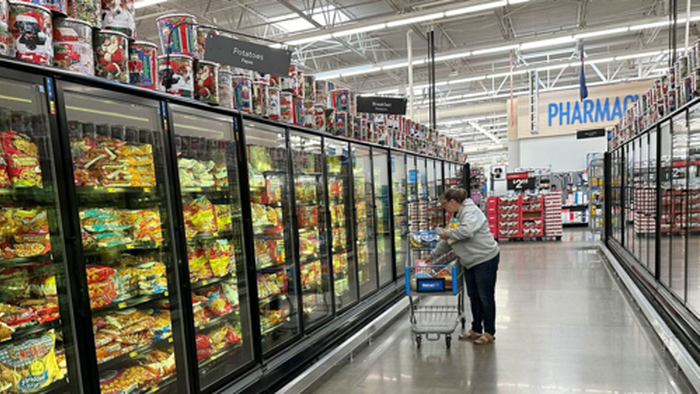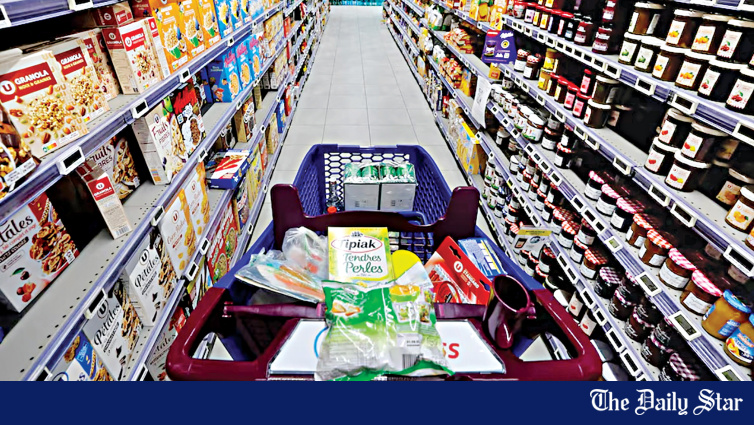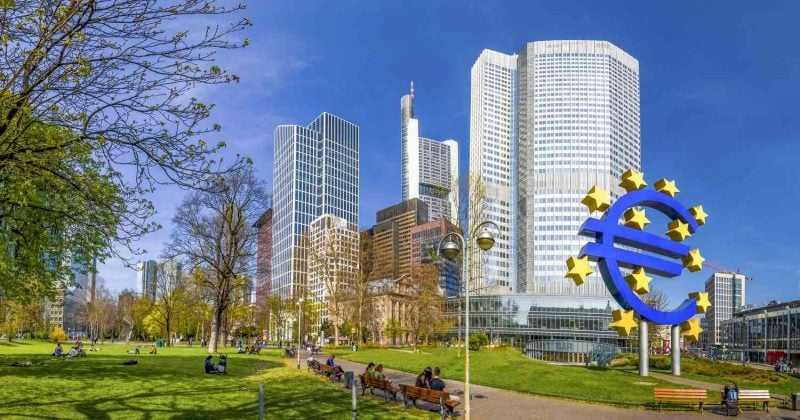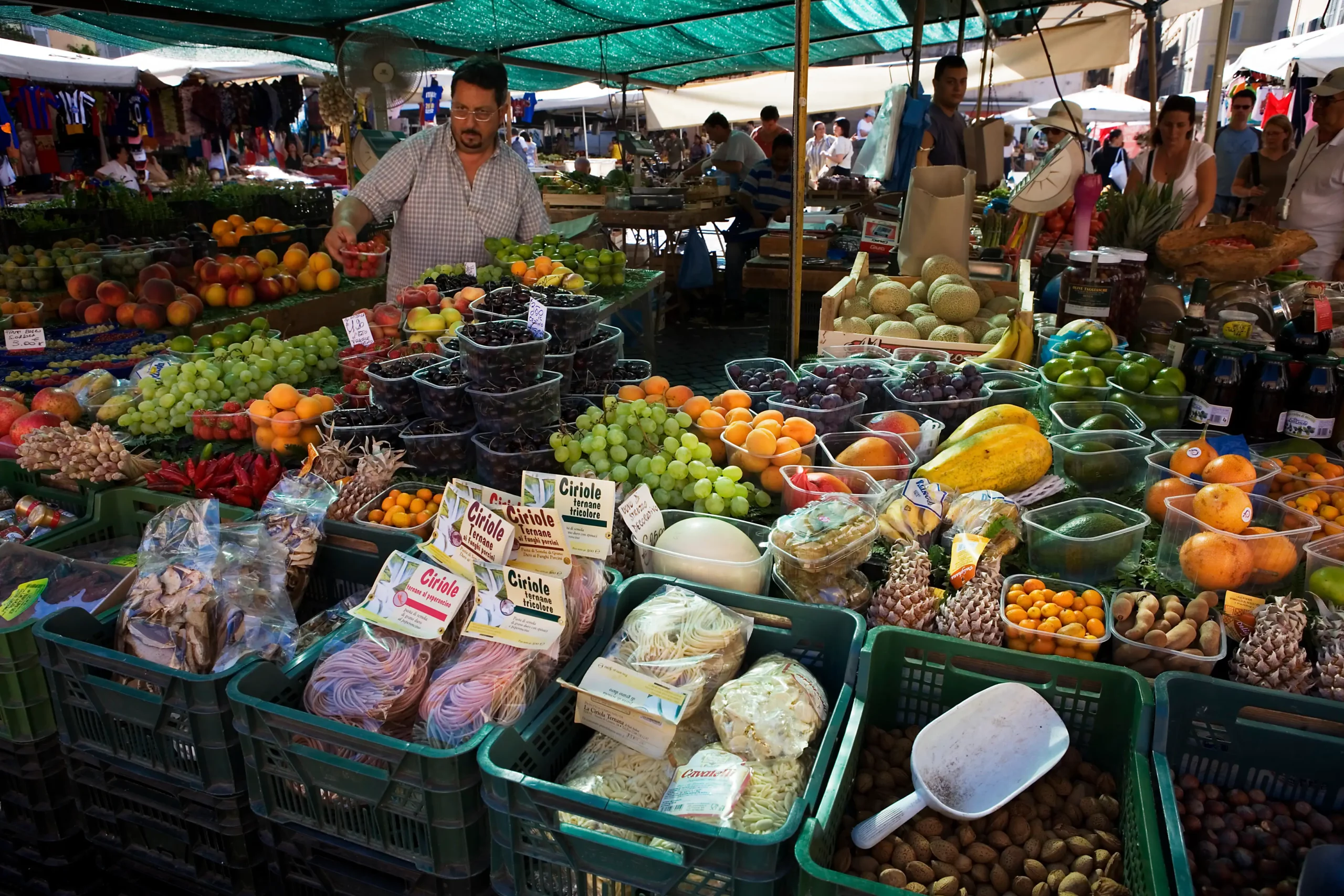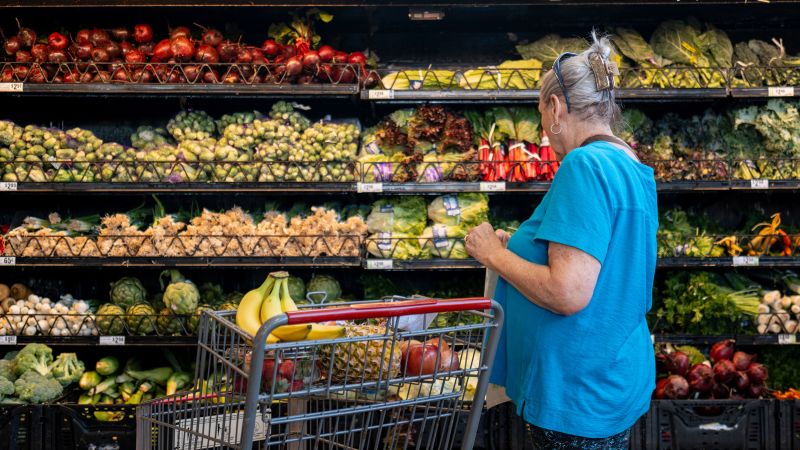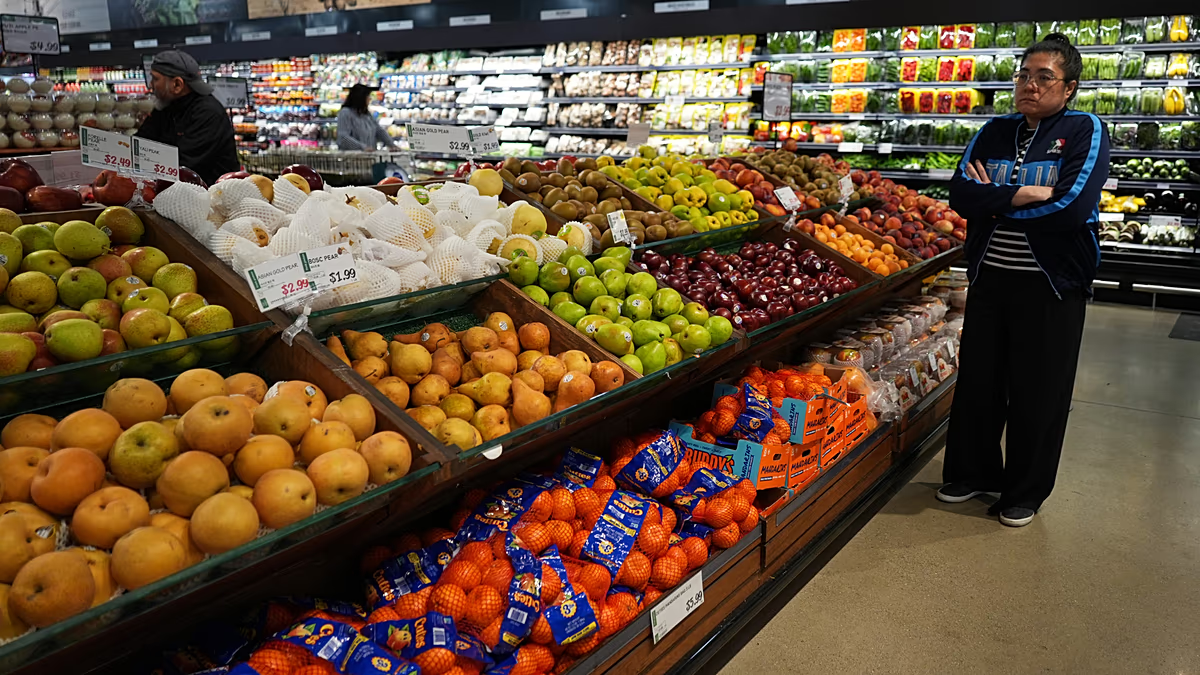
Inflation is down, the European Central Bank is (largely) satisfied and the knock-on effects of the Iran war are mostly being kept under control for now. So why does a trip to the supermarket still feel like a small act of financial self-harm?
The short answer is that lower inflation does not automatically translate into lower grocery prices. Low inflation simply means that prices are rising more slowly than before, while the damage from the most brutal food price shock in a generation is baked in — and that effect is not going anywhere anytime soon.
1. The price level never came down. It just stopped sprinting
Here is the trick inflation statistics play on you. When analysts say food inflation has "fallen to 2.8%", they mean food is getting more expensive at a slower rate — not that it is getting cheaper. Prices do not reverse when inflation falls; they just stop climbing as fast. The mountain stays there even if the ascent slows.
Across the EU, food and non-alcoholic beverages recorded the single largest cumulative price increase of any consumer category over the past decade, rising by 33.2% between 2016 and 2025, according to Eurostat's harmonised inflation data — higher than energy, services or any other basket component.