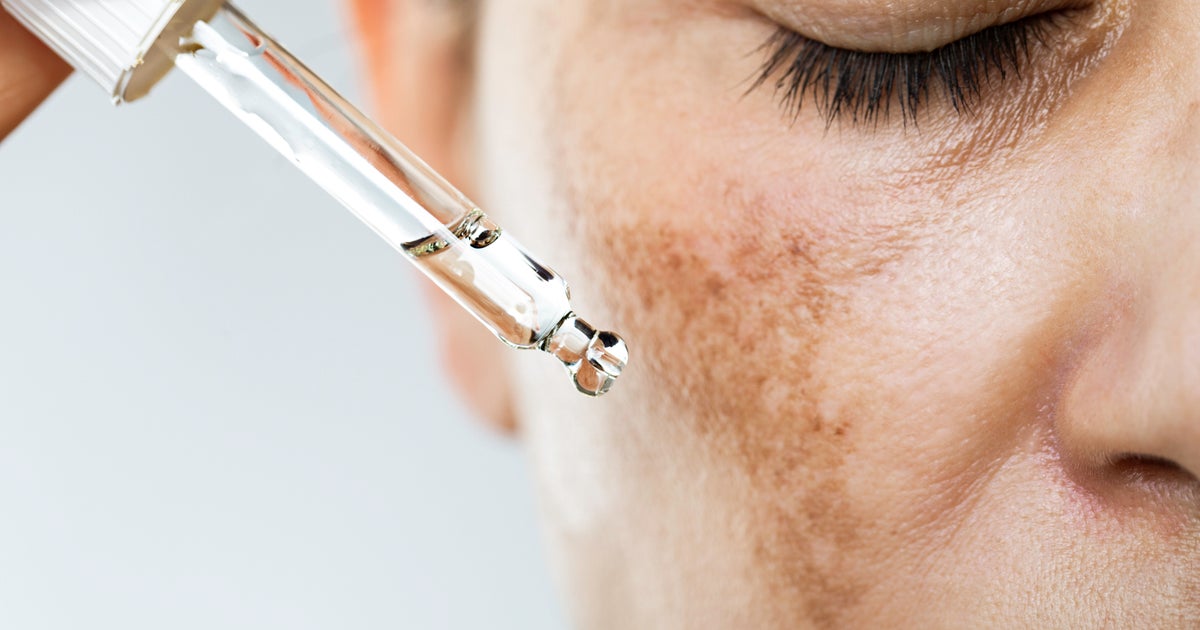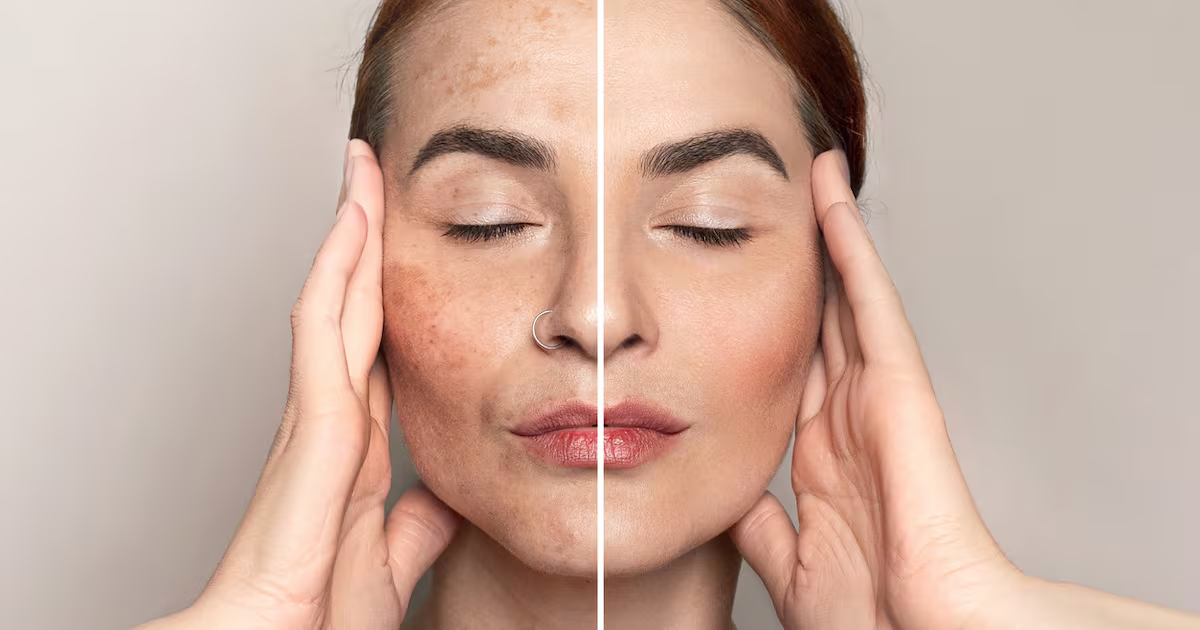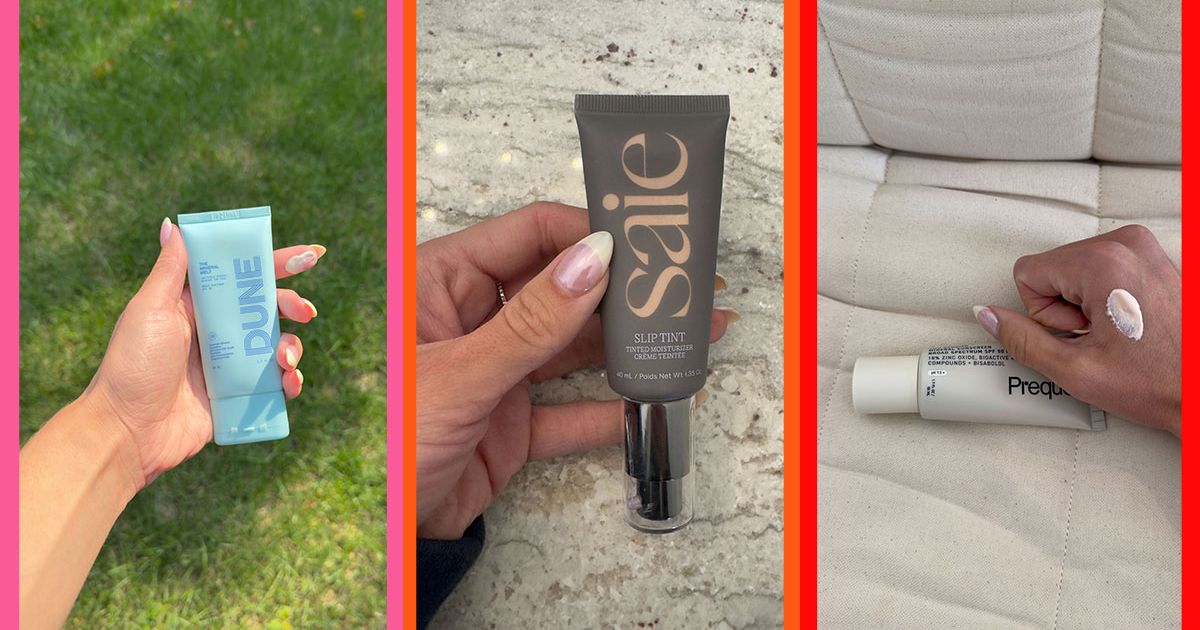
Summer often brings concerns like tanning, uneven skin tone, and stubborn dark patches. While sunscreen remains the cornerstone of skin protection, many people are surprised to find that pigmentation still worsens despite regular use. The reason is simple: sunscreen is essential, but it is not the only factor involved in preventing or controlling pigmentation.
Pigmentation occurs when the skin produces excess melanin, the pigment responsible for skin colour. During summer, this process can become overactive due to several triggers, making pigmentation more noticeable and difficult to treat.
“Many people believe sunscreen is a complete shield against pigmentation, but summer skin protection goes beyond a single product. Pigmentation is influenced by multiple factors, and managing it requires a more comprehensive approach,” Dermatologist Dr Akriti Gupta tells Health Shots.
Sun exposure is only one part of the problem
Ultraviolet (UV) radiation is a major trigger for pigmentation, but it is not the only one. Prolonged exposure to visible light and heat can also stimulate melanin production. Many people protect themselves from direct sunlight yet continue to spend time in hot environments or near reflective surfaces, which increase heat exposure. This can aggravate conditions such as melasma, post-inflammatory pigmentation, and tanning. Pigmentation may therefore persist even when sunscreen is being applied, especially if other environmental triggers are ignored.