(Image credit: Getty Images)
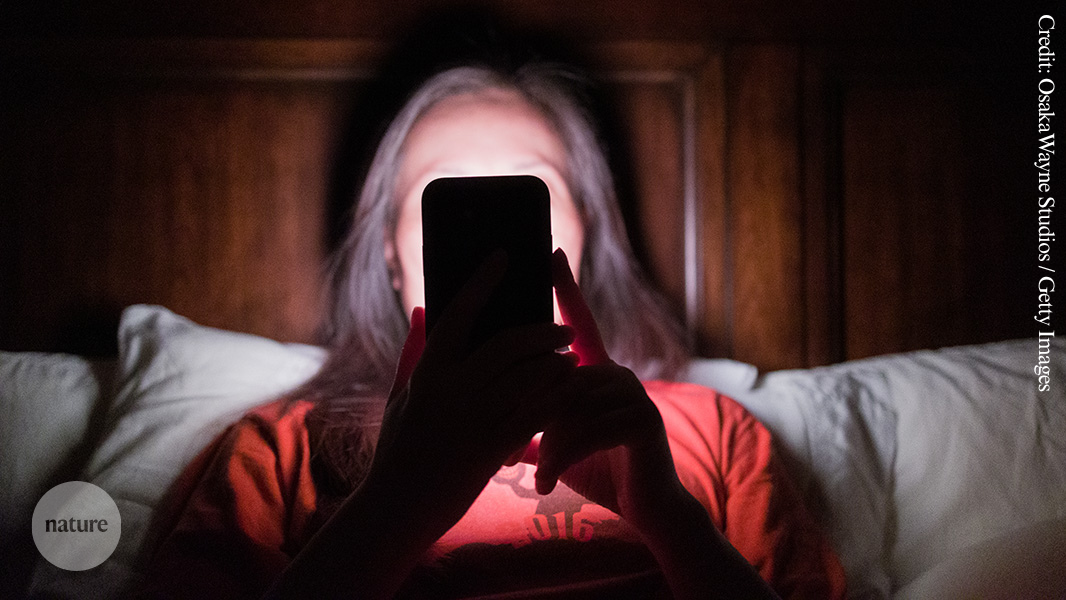
As someone who covers AI for a living and works remotely, it's safe to say I spend more of my working hours talking to artificial intelligence than humans. To be fair, I also talk to my cats. But, when AI started appearing in my dreams, I wasn't sure if I should be concerned. At first it was subtle conversations, trying to solve a problem by asking increasingly specific questions, but then I kept refining requests to change what happened next. So, it was kind of like my dreams weren't just about AI but operating like AI itself. Of course that realization sent me down a rabbit hole and I started a dream journal. For several weeks, I kept a notebook by my bed and wrote down every dream I could remember as soon as I woke up. I even wrote in the middle of the night. Then, I fed my journal into ChatGPT and asked it to identify patterns.Let me be clear, this wasn't a scientific experiment by any means and I'm not claiming it to be. I didn't put on a lab coat expecting to prove something. I just really wanted to know whether spending hours every day interacting with AI was influencing what happened inside my sleeping brain.What I found surprised me.The 'AI effect' may not be as weird as it soundsSleep researchers have long documented something called the "Tetris Effect."People who spend a significant amount of time immersed in an activity often find elements of that activity appearing in their dreams. Gamers dream about video games. Musicians dream about songs. People under stress dream about work.In other words, our brains don't always stop processing experiences when we go to sleep. If that's true, AI may simply be the newest thing our brains are learning to process.Unlike scrolling social media or watching television, interacting with AI is highly active. You're constantly asking questions, evaluating answers, refining requests and exploring new ideas. The more I thought about it, the less surprising it seemed that some of those interactions would eventually show up in my dreams.After reviewing weeks of dream entries, I noticed three specific patterns:Get instant access to breaking news, the hottest reviews, great deals and helpful tips.First, AI rarely appeared as a chatbot or assistant. Instead, the structure of the interaction appeared. I was asking questions, seeking information and trying to solve problems.Second, many dreams felt like prompting. When something wasn't working, I would adjust my request and try again. That's a bizarre sentence to write about a dream, but it's the closest comparison I can make.Third, and perhaps most importantly, keeping a dream journal dramatically improved my dream recall. I remembered more dreams, more details and more recurring themes than I normally would. That alone made the experiment worthwhile.The unexpected side effect: my exploding head syndrome felt worse