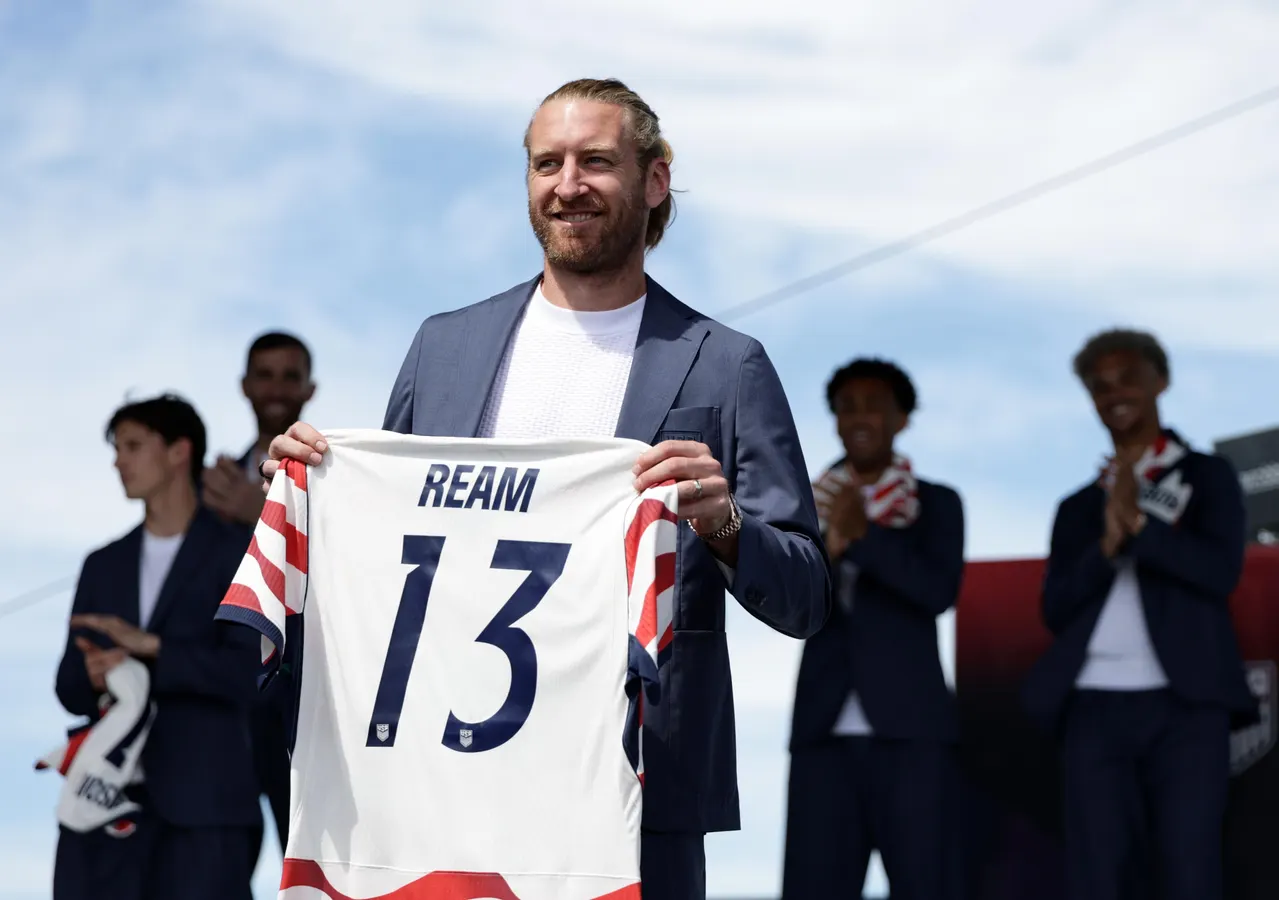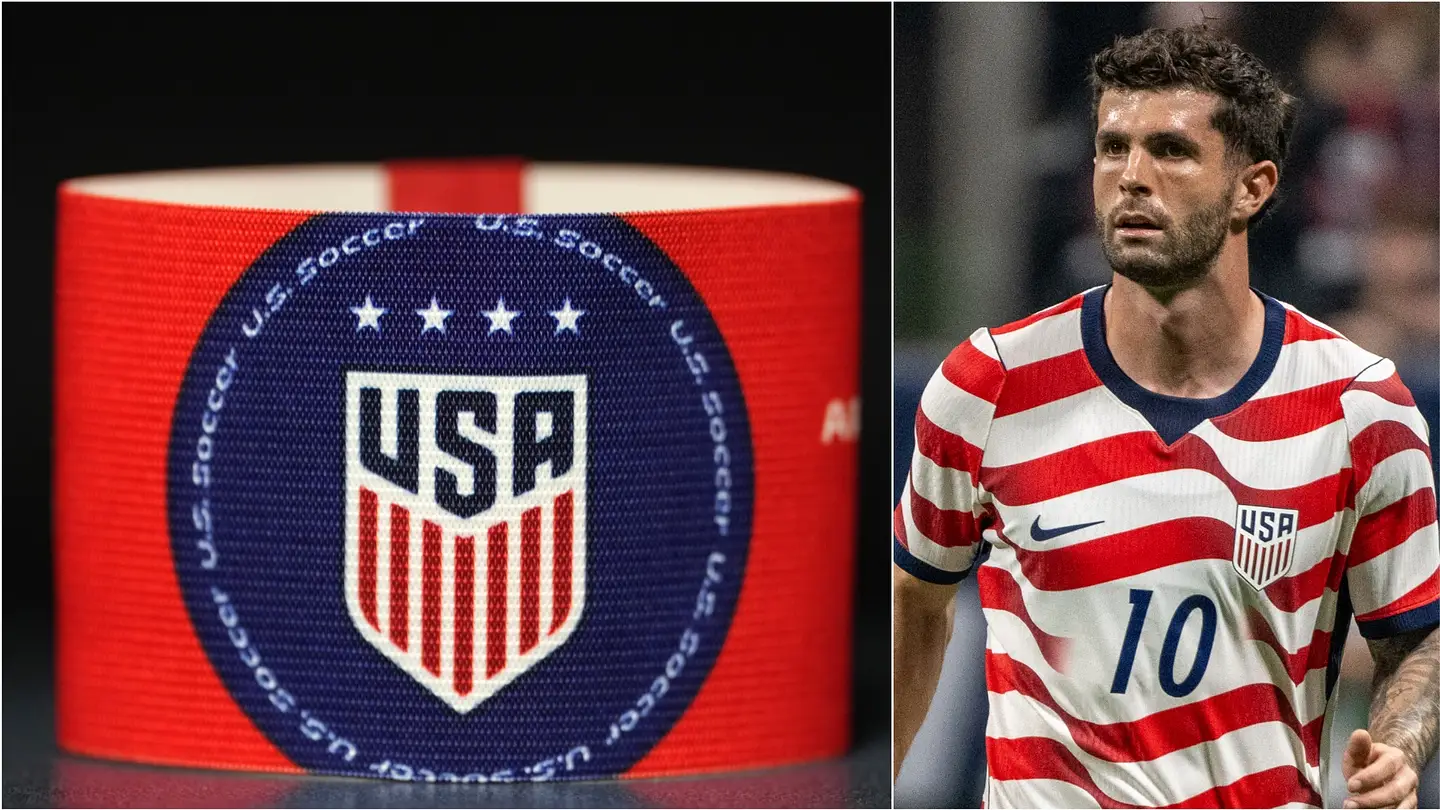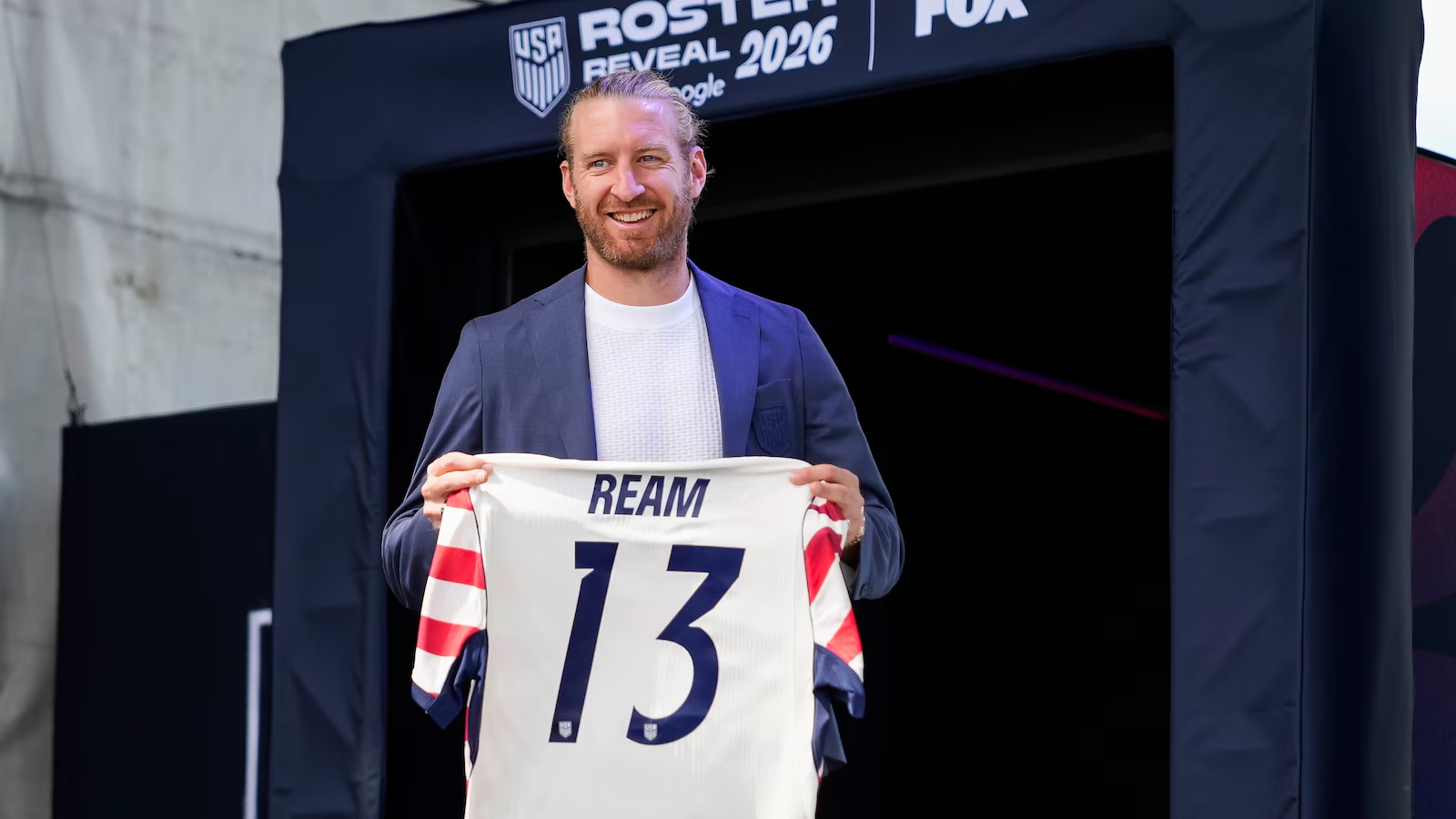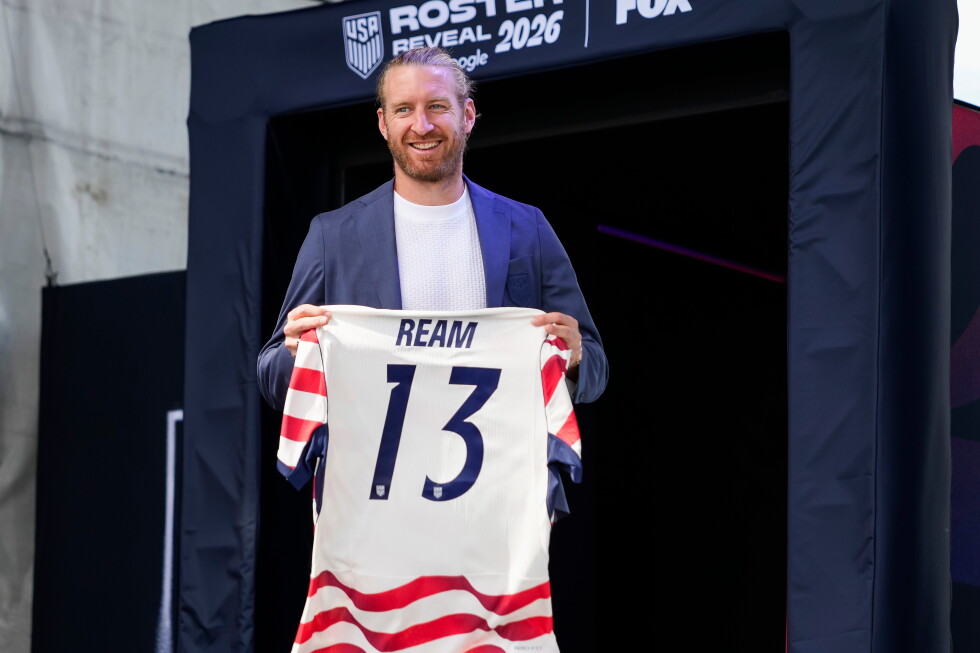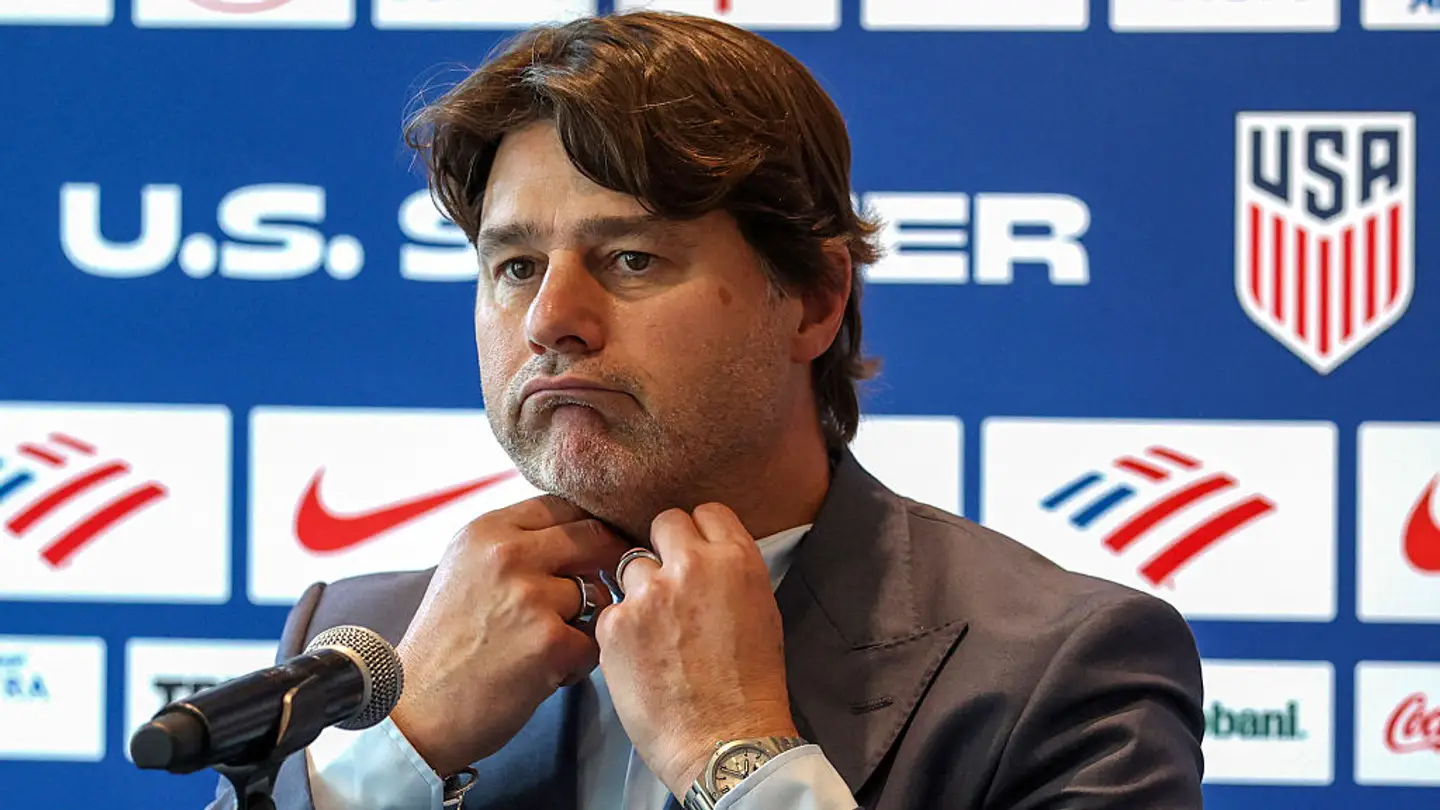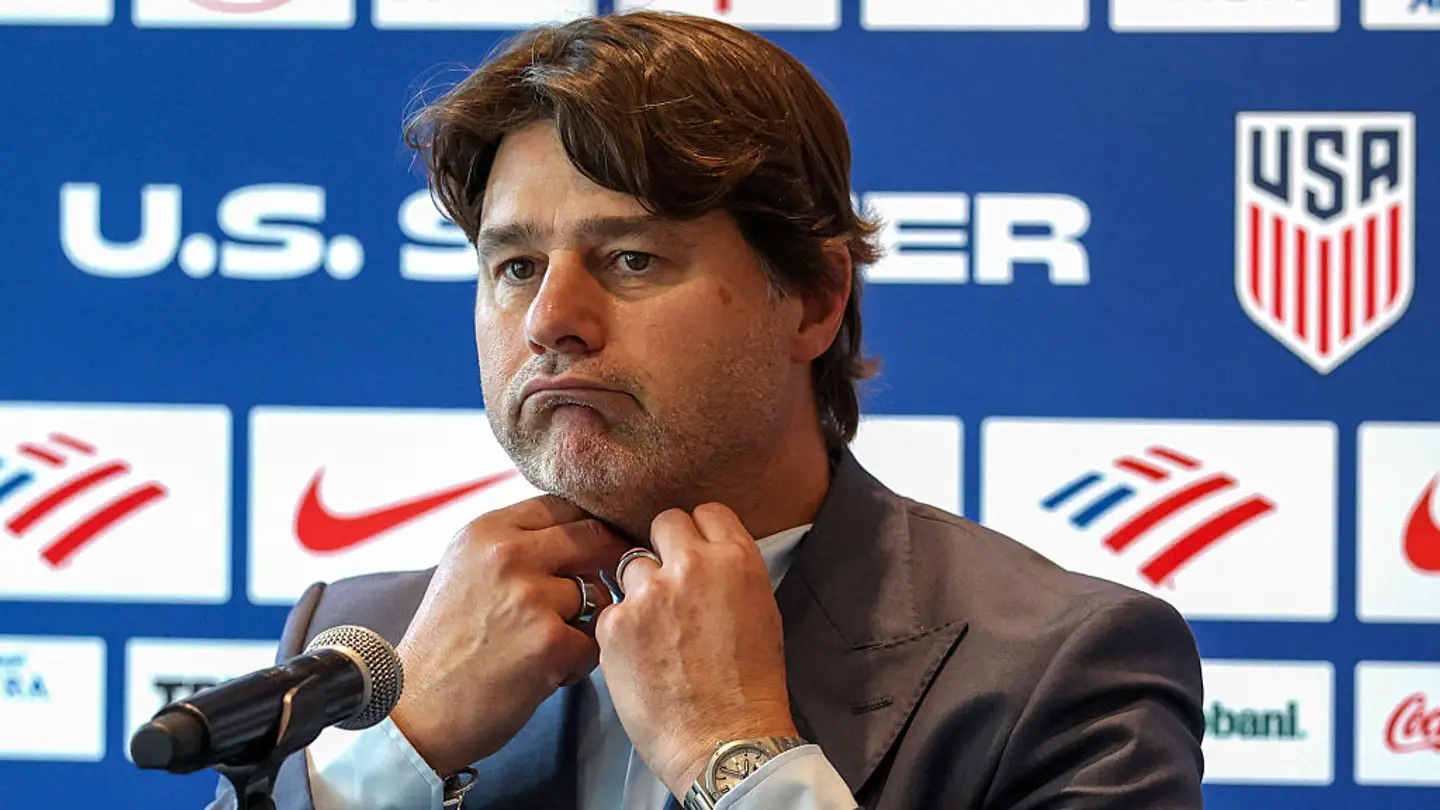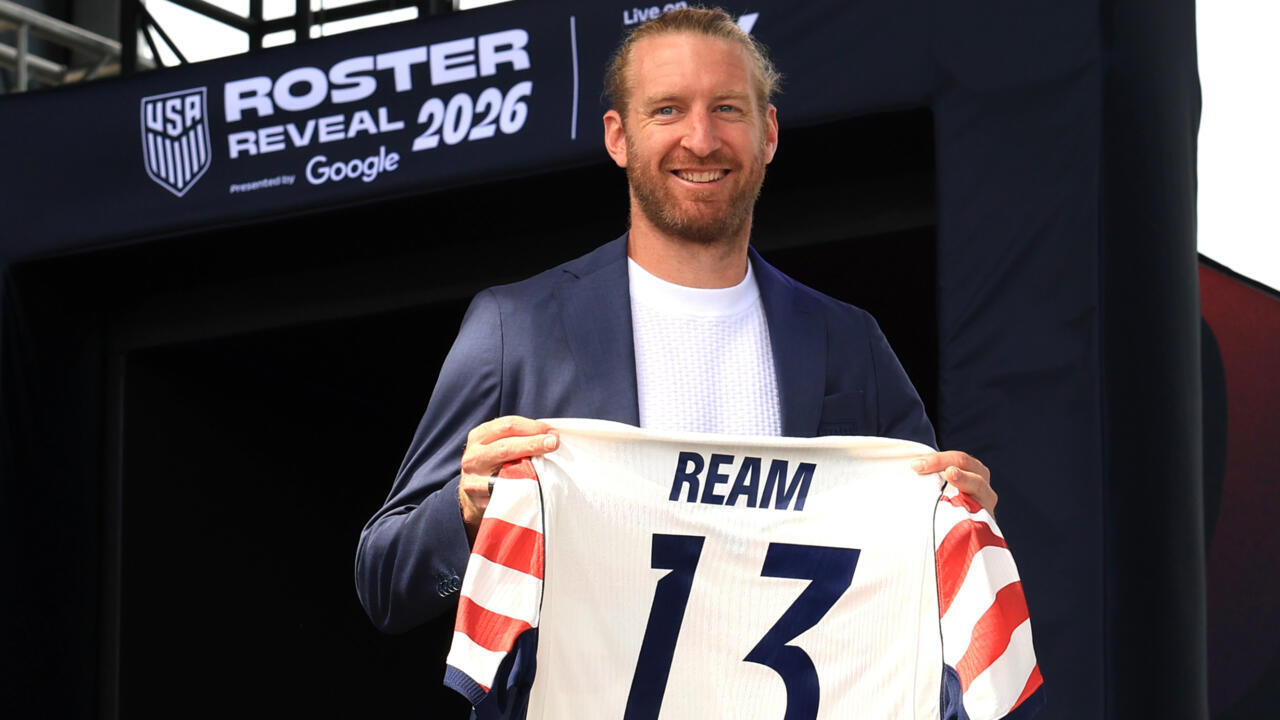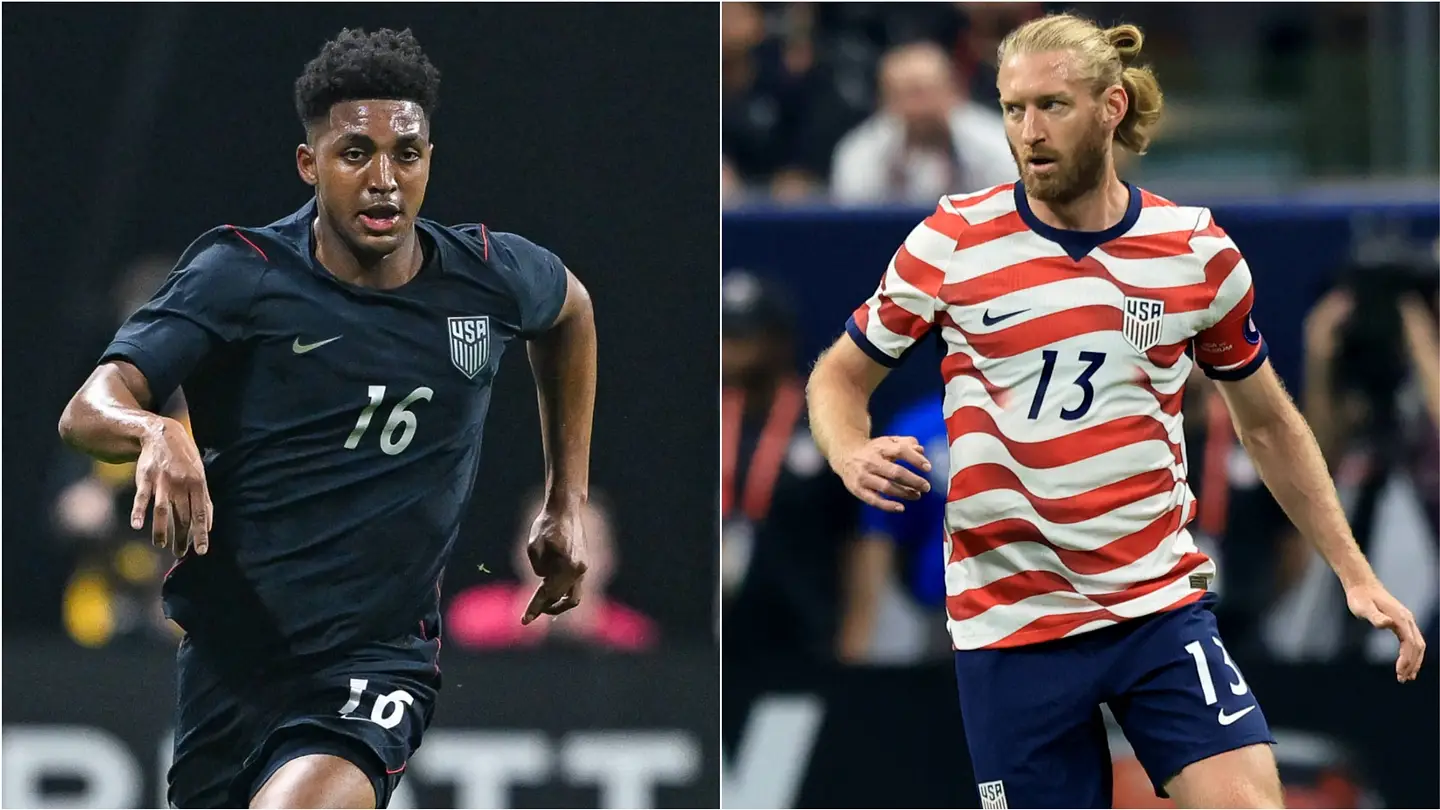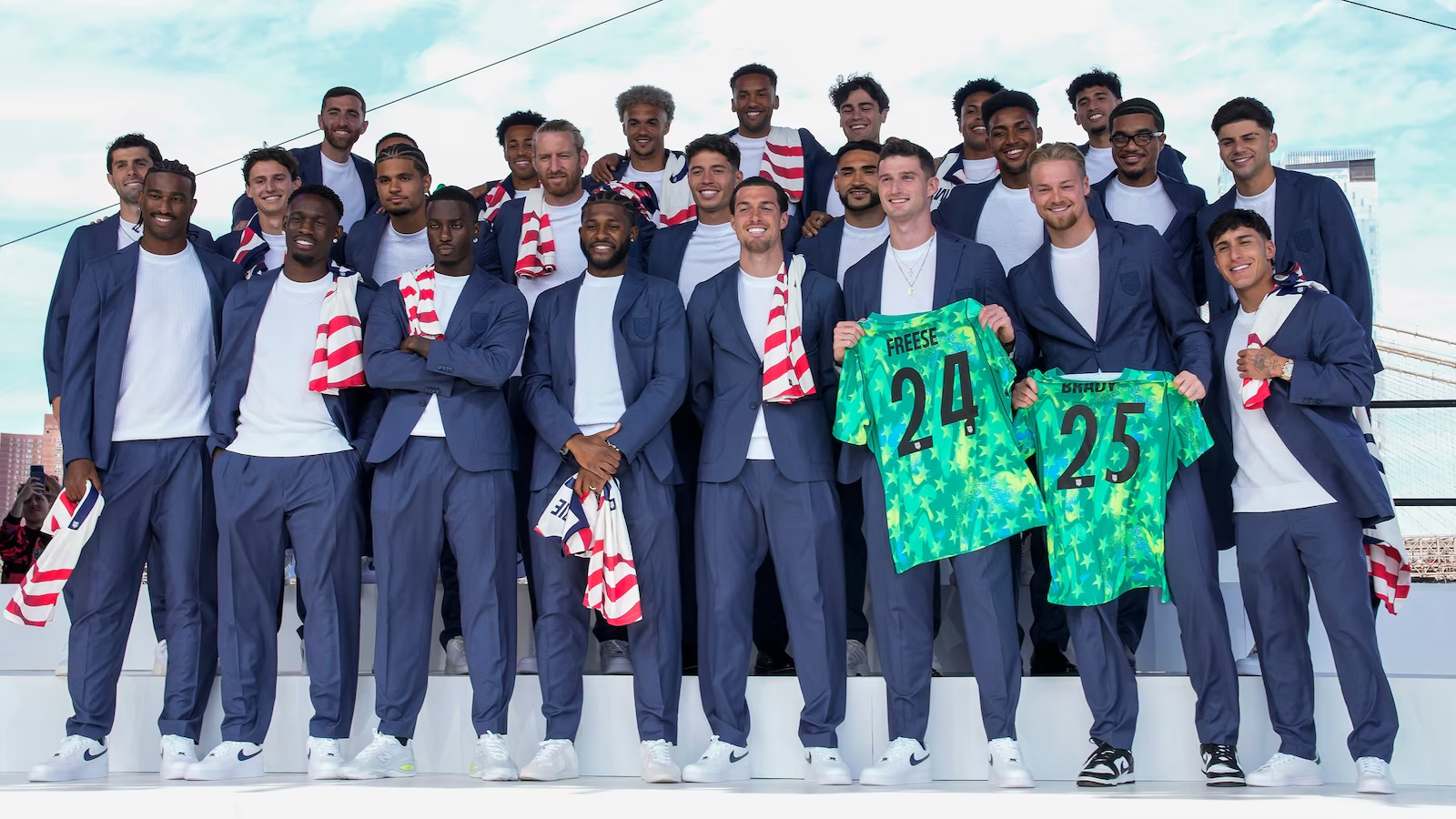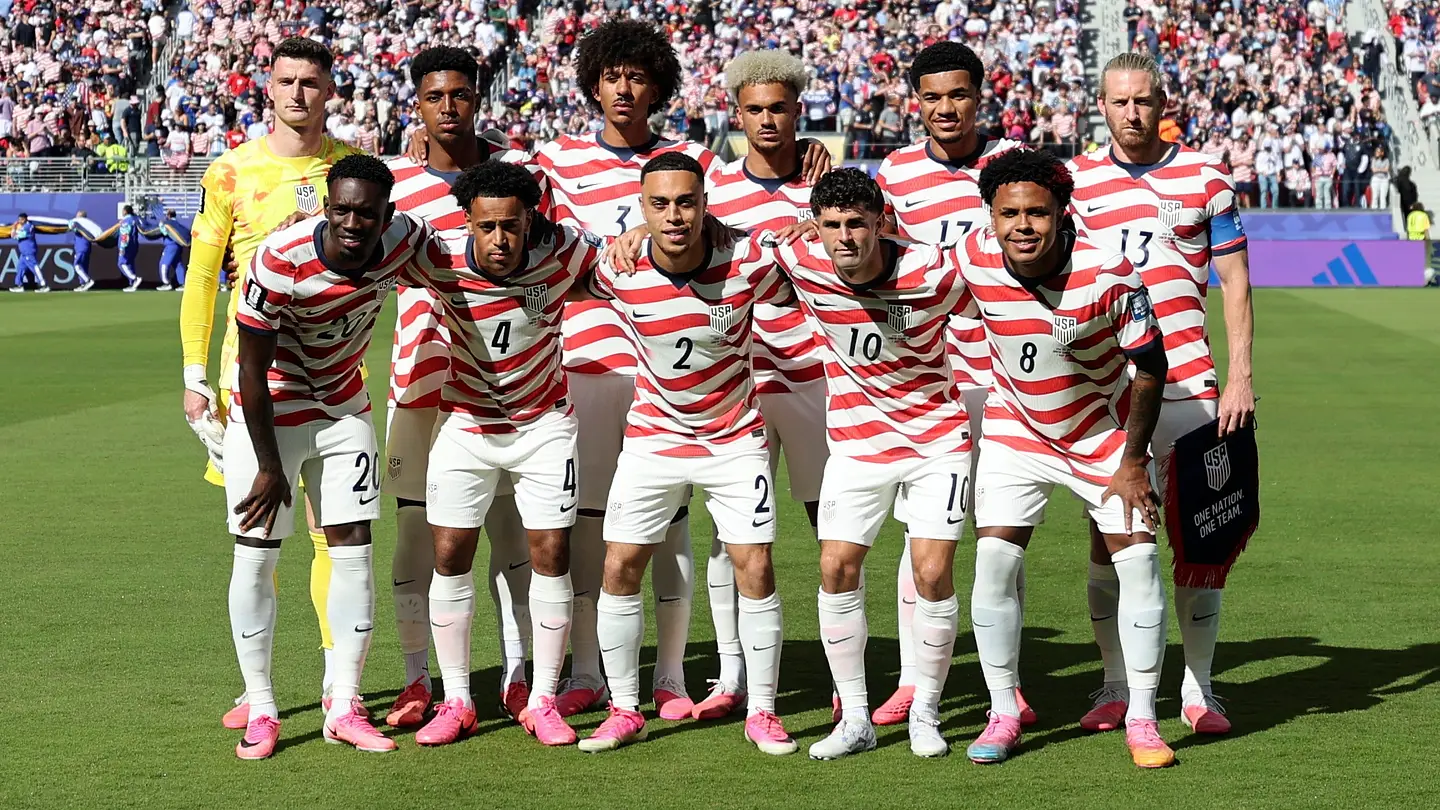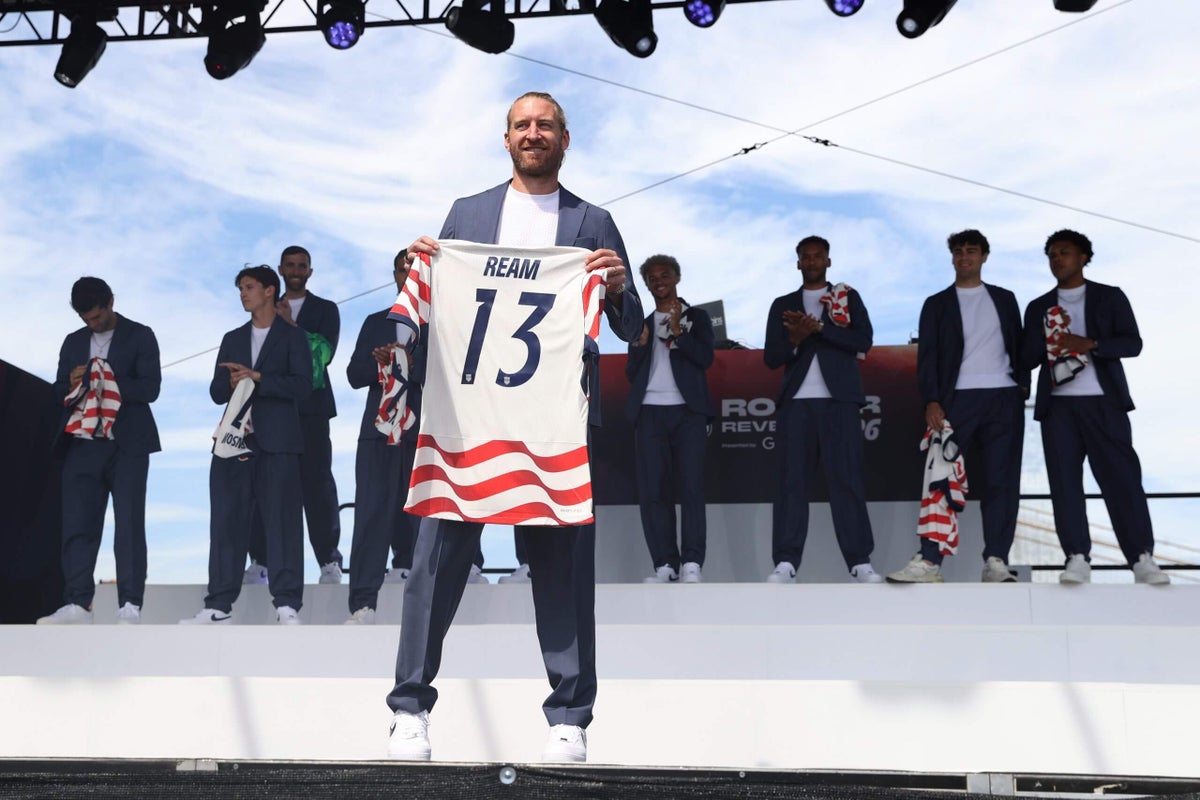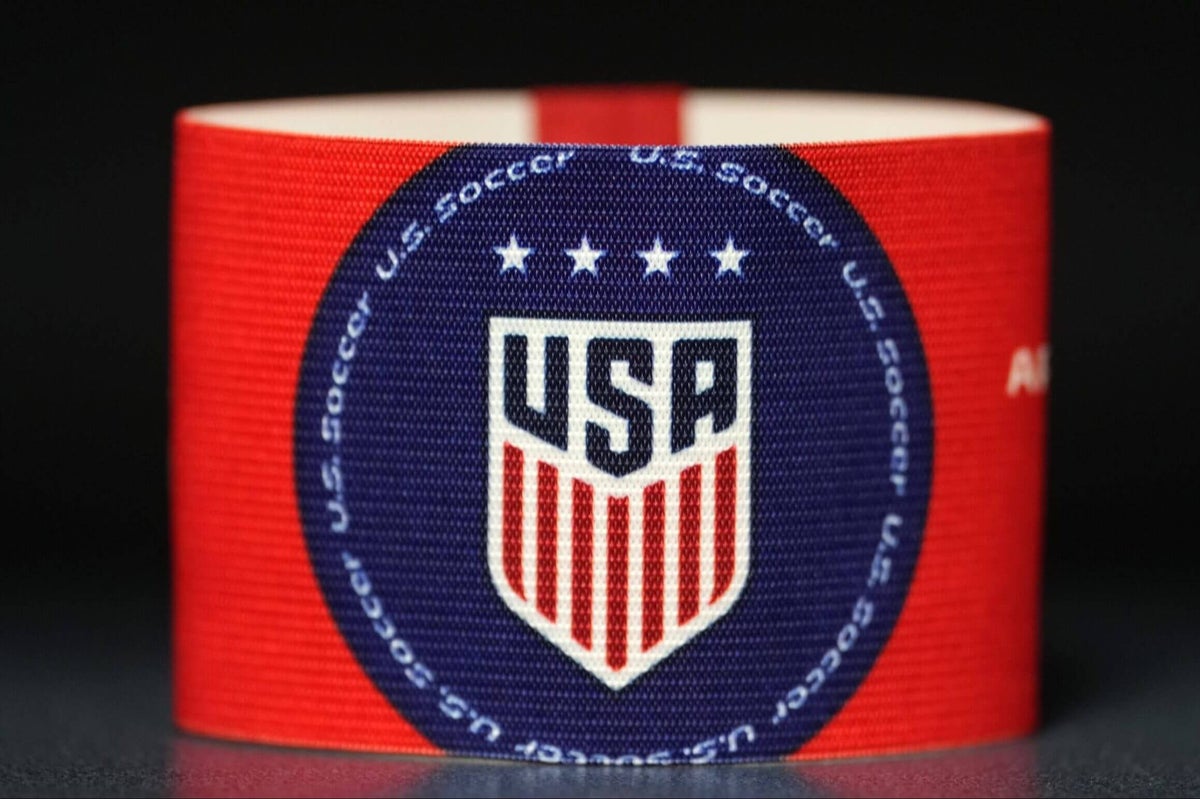
“Anyone can wear the captain’s armband and take on that responsibility,” U.S. men’s national team midfielder Weston McKennie said on Tuesday.McKennie was talking about the ongoing topic of who will captain the team at this summer’s World Cup. At the time, no formal announcement had been made, but there was an expectation that veteran 38-year-old centre-back Tim Ream would wear the armband instead of the side’s most high-profile player Christian Pulisic (despite his Captain America nickname). That has now been confirmed.McKennie’s comments that anyone can wear it (he was talking about the team taking collective responsibility, but still), reflect how the captaincy, like in other U.S. sports, isn’t as important or relevant as in European football.“At the end of the day, it’s still a whole team who has to go out there, and we are all family, like brothers,” McKennie added. “We love each other like family, it doesn’t matter who you put on armband on, everyone’s going to go out there and fight just the same.”In English football, captaincy is a big deal, particularly with the national team. It would be unheard of for the team to be two weeks away from a World Cup and the identity of the captain to still be unknown.Tim Ream wearing the captain’s armband against Belgium in March (Kevin C. Cox/Getty Images)English captains tend to keep the role for a few years, often bookended by major tournaments. David Beckham called it the “greatest honour” of his career to captain his country, while Wayne Rooney said the accolade was “beyond my wildest dreams“.While in reality the England captain has few roles and responsibilities above what would be expected as a senior player in the squad, you’ll hear bombastic chat in the media of the captain “leading the country” into a major championship, while mature, young English players making their way in the game may be marked out as a “future England captain”.It’s a title held in such high regard that it can feel semi-monarchical.Former England head coach Steve McClaren once listed the attributes he thought an international captain needed as leadership, authority, courage, ability, tactical awareness and a total refusal to accept second-best.He made those comments when naming Chelsea defender John Terry as his skipper and added: “I’m convinced he will prove to be one of the best captains England has ever had.”Hmm. Up there with McClaren’s prediction that England were looking good against Iceland at Euro 2016.England’s Harry Kane clearly relishes the captaincy (Michael Regan/Getty Images)Terry was sacked as England captain not once, but twice, and neither had anything to do with his football ability. In 2010, following allegations of an affair with England and Chelsea team-mate Wayne Bridge’s ex-girlfriend Vanessa Perroncel, manager Fabio Capello stood Terry down. The shame and scandal was too much to bear for the figurehead of the national team (Perroncel and Terry both denied the affair had taken place).Then, in 2012, with Terry reinstated, the FA stripped him of the captaincy without Capello’s approval after allegations of racist abuse against Anton Ferdinand (again, denied by Terry). Capello resigned in protest.
USMNT have named Tim Ream as their World Cup captain — does it matter? What do soccer captains do?
Naming a team captain isn't as significant a process in American sports as it is in European and South American soccer
TL;DRAI
Tim Ream, 38, has been named USMNT World Cup captain over the higher-profile Christian Pulisic. In U.S. soccer, the armband carries far less institutional weight than in Europe — collective leadership over symbolic figurehead.
1,442 words~7 min read