South Africa is caught in a cycle of outrage where public anger over corruption, crime, inequality and social injustice burns intensely but rarely leads to lasting change. Political economist Nco Dube argues that the country must move beyond social media-driven outrage and build the civic structures needed to turn frustration into meaningful action.
South Africa wakes up angry. It scrolls angry. It commutes angry. It goes to bed angry and wakes up ready to do it all again. Outrage has become our daily ritual. A habit. A reflex. A national pastime we never consciously adopted but somehow perfected.
Every day brings a new scandal, a new video, a new moment that jolts the country into moral alarm. And for a brief, electric moment, it feels as though the entire republic is vibrating at the same frequency. Then the moment fades. The anger dissolves. The issue sinks beneath the algorithm’s tide. Nothing changes.
But the anger is real. It is not manufactured. It is not imagined. It is the natural by‑product of a country living with unresolved trauma, unhealed wounds and unfulfilled promises.
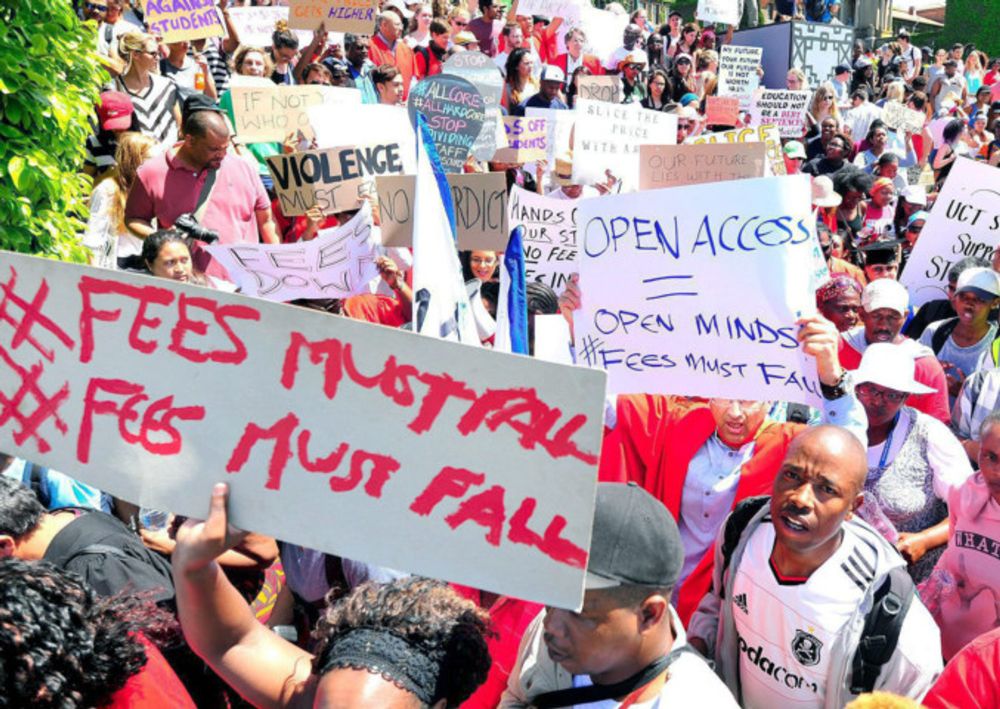
Look at the past decade and a half. Look at the digital smoke trails behind every national eruption. Fees Must Fall. Rhodes Must Fall. The Gupta leaks. The Zuma years. The July unrest. The Stellenbosch urination incident. Lieutenant General Nhlanhla Mkhwanazi’s July 9 press conference. Undocumented migrants. The GBV cases that trend for a week and then vanish into the algorithm’s graveyard. Each one arrives like a punch to the ribs. Sharp. Sudden. Breath‑stealing.