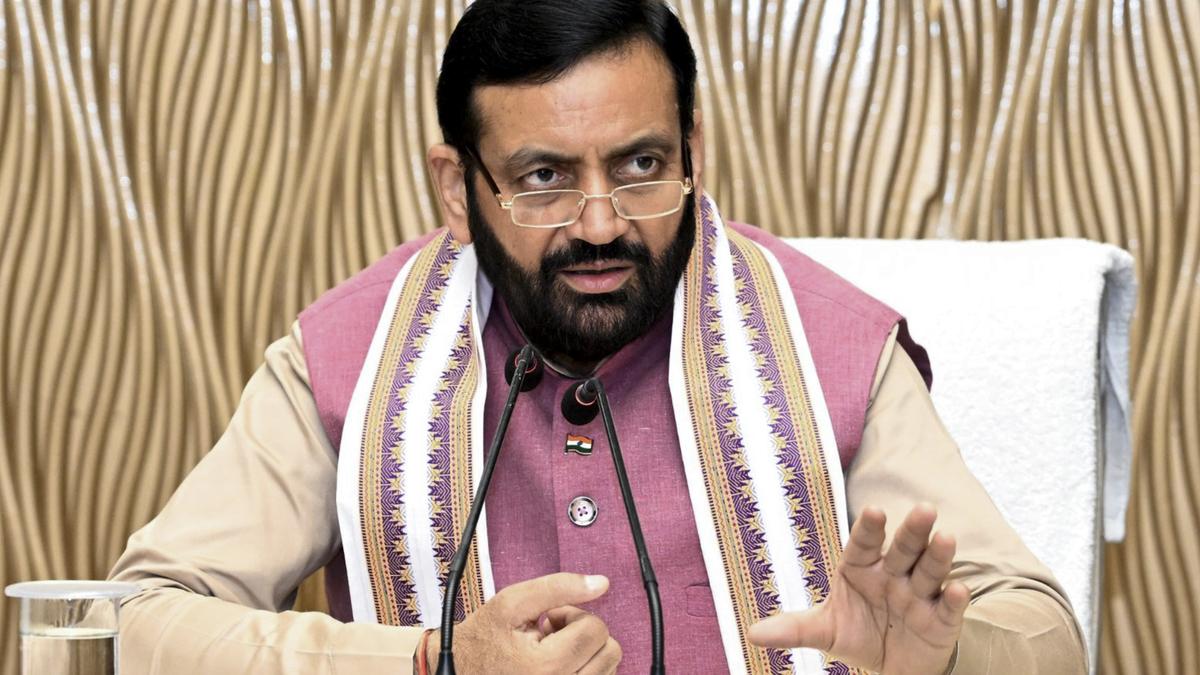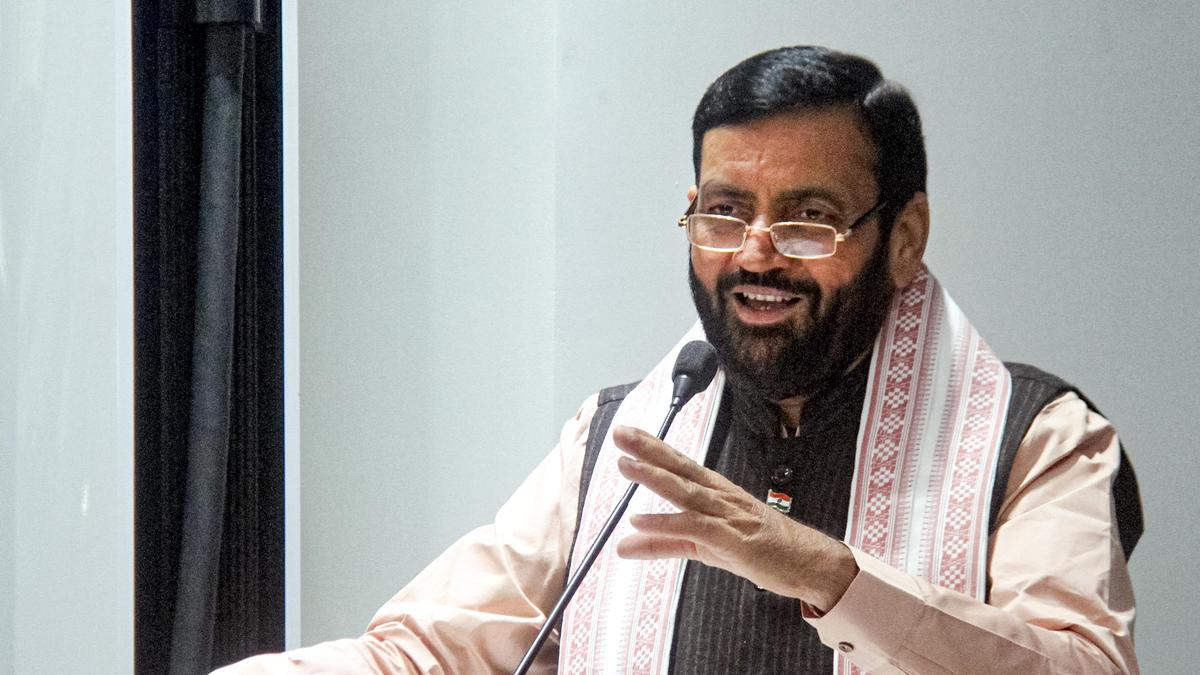
Women are occupying some of the most powerful positions in administration and policing in Jhajjar is a matter of pride, Haryana chief minister Nayab Singh Saini has said.Top posts, including deputy commissioner and police commissioner, are currently held by women officers in the district. (HT Archive)The district is setting an example for the rest of the state by demonstrating how investment in girls’ education and empowerment can transform society, Saini told HT on Thursday.“Jhajjar’s transformation is an achievement for Haryana and a milestone in our journey towards women-led development. It is a proud moment that a district once associated with gender imbalance is today being led by women officers in key positions. Their success sends a powerful message that daughters, when given opportunities, education and support, can excel in every sphere of governance and leadership,” Saini said.Jhajjar is currently among the few districts in Haryana where several top administrative and policing positions are being held by women officers. These include deputy commissioner Varsha Khangwal, commissioner of police Dr Rajshree Singh, DCP Headquarters Deepti Garg, additional deputy commissioner Saloni Sharma and DCP Dhaarna Yadav.Women are also heading several key departments. Nisha Tanwar leads the district development and panchayat department, Dr Manju Kadian serves as civil surgeon, Shweta Sharma heads the district welfare department, Anju is the district town planner, while Renu Bala oversees social welfare initiatives.Jhajjar recorded an overall sex ratio of 862 women per 1,000 men in the 2011 Census and a child sex ratio of 782 in the 0-6 age group. Though the district’s sex ratio at birth has improved over the years, it continues to remain among the lower-ranked districts in Haryana.Deputy commissioner Varsha Khangwal said the presence of women in leadership roles carries responsibilities beyond administration.“We are conscious that young girls and their families are watching us. When parents see women serving as deputy commissioner, police commissioner or heading important departments, it changes perceptions. It gives confidence to families that their daughters can also achieve similar positions if they are given education, encouragement and equal opportunities. We are not here as exceptions; we are here as examples of what is possible,” Khangwal said.Commissioner of police Dr Rajshree Singh said the district’s administrative landscape reflects the impact of years of social reform initiatives.“Jhajjar was once discussed for its poor sex ratio. Today, the same district is being recognised for women occupying leadership positions. This is exactly the message programmes like Beti Bachao, Beti Padhao sought to create. When daughters are educated and empowered, they become decision-makers, officers and leaders. The presence of women in these positions sends a strong message to society and motivates parents to invest in the education and future of their daughters,” Singh said.Officials said Haryana’s broader push towards women-led governance has been strengthened through measures such as 50% reservation for women in Panchayati Raj Institutions, greater representation in administration and focused investments in girls’ education, safety and financial empowerment.
CM Saini hails Jhajjar as model of women-led governance in Haryana
The chief minister said investment in girls’ education and empowerment has helped transform the district’s social landscape.
485 words~2 min read