If you’ve ever tried to build an asynchronous document processing or RAG pipeline using Next.js API routes hosted on Vercel, you know that even with max duration configuration adjustments, keeping intensive computing tasks entirely inline on serverless routes can get messy.
When a user uploads large PDFs or batch data sources, parsing the text layers, chunking them semantically, and running batch embedding requests consumes serious time. Relying on synchronous, API-facing function execution windows for deep I/O tasks often leaves you managing brittle state.
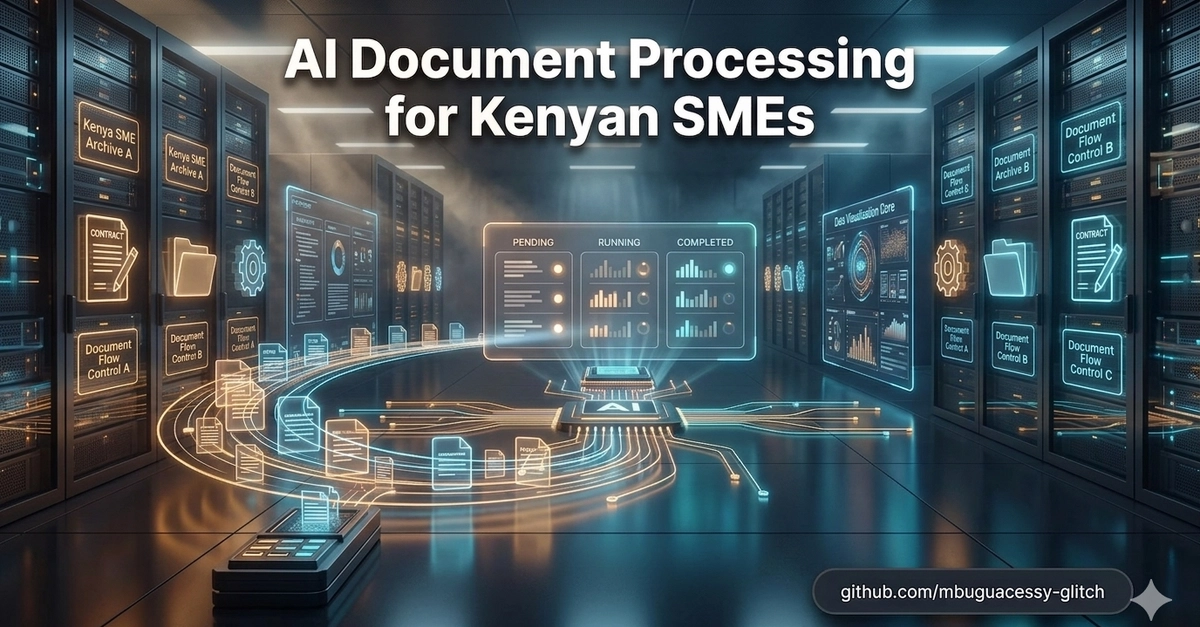
To make my application, I spent my time decoupling my stack into a clean, asynchronous background processing worker architecture. Here is a breakdown of how the data flows.
The Stack Architecture
Ingress Layer (Next.js): The API endpoints strictly handle incoming request validation, file storage organization, and API idempotency keys (managed via Upstash Redis).