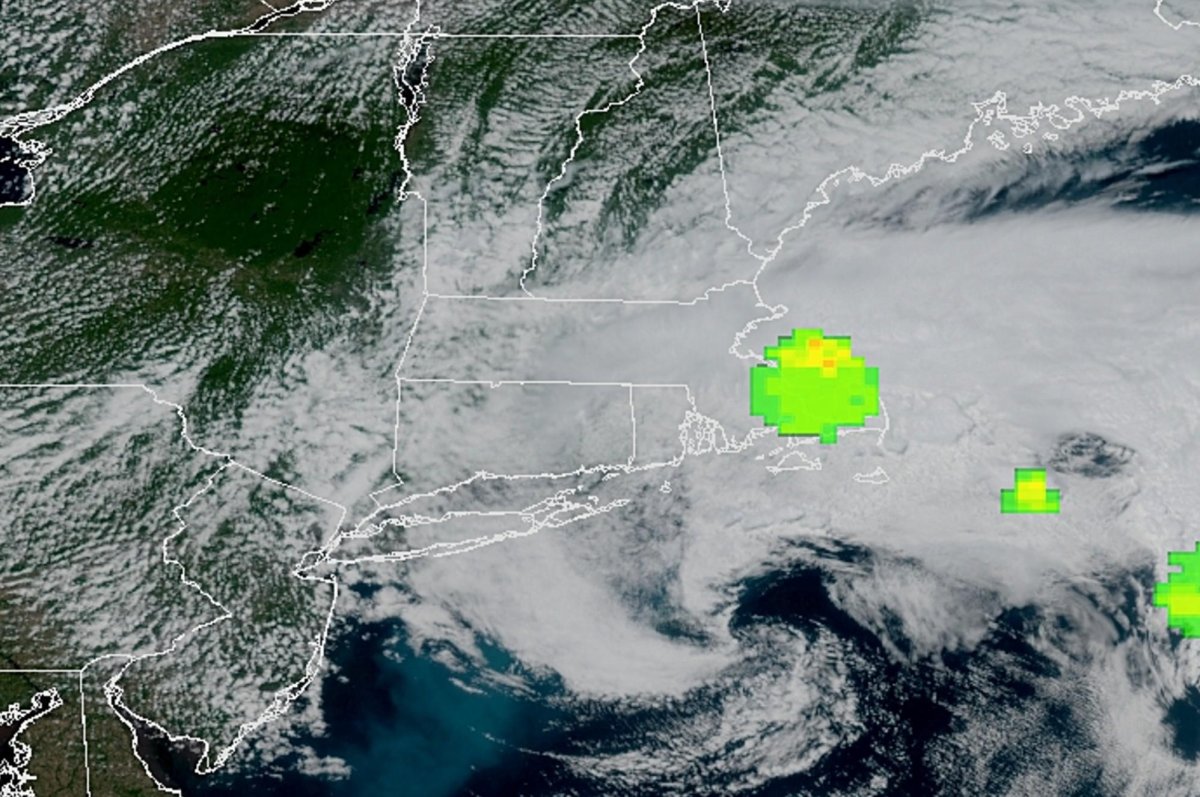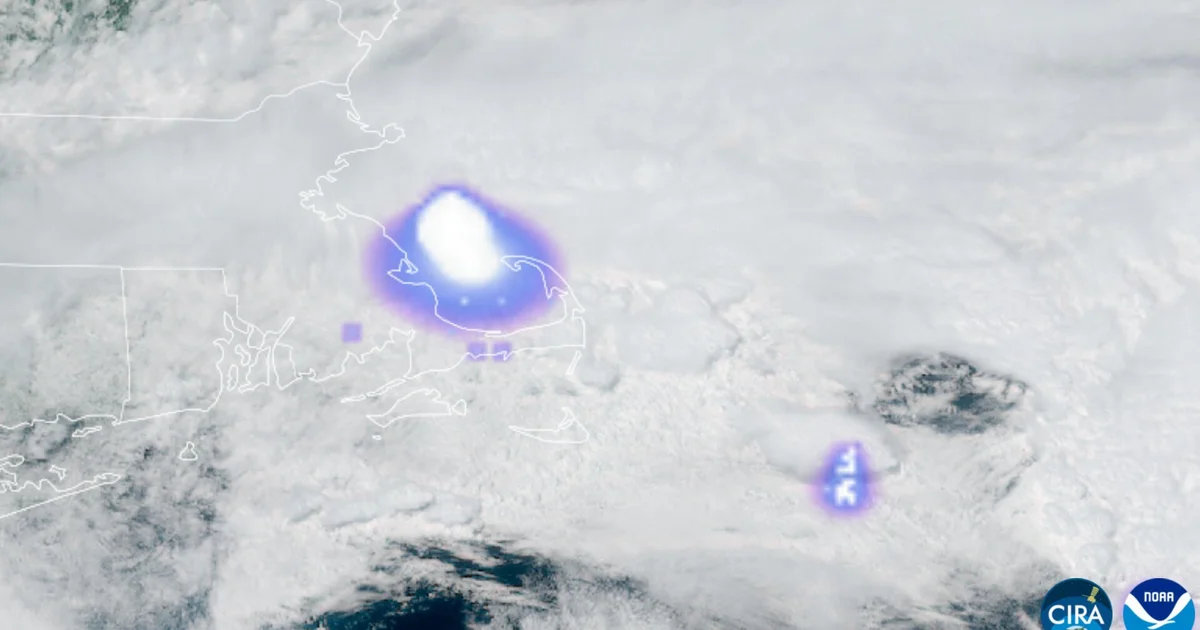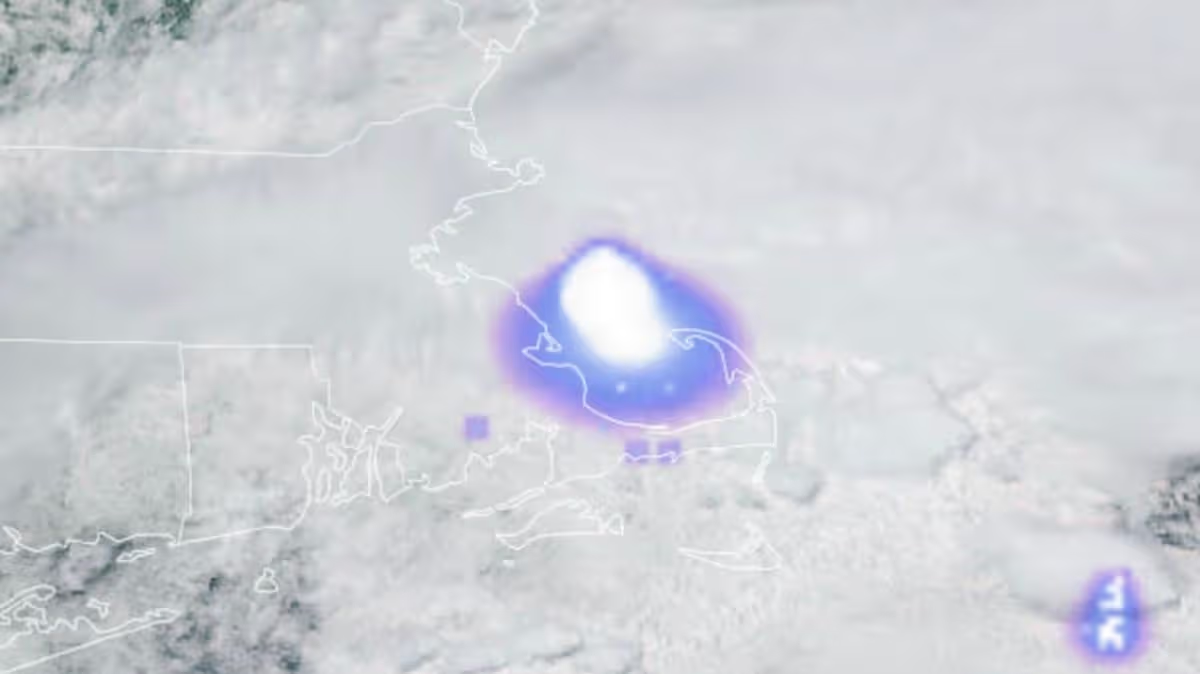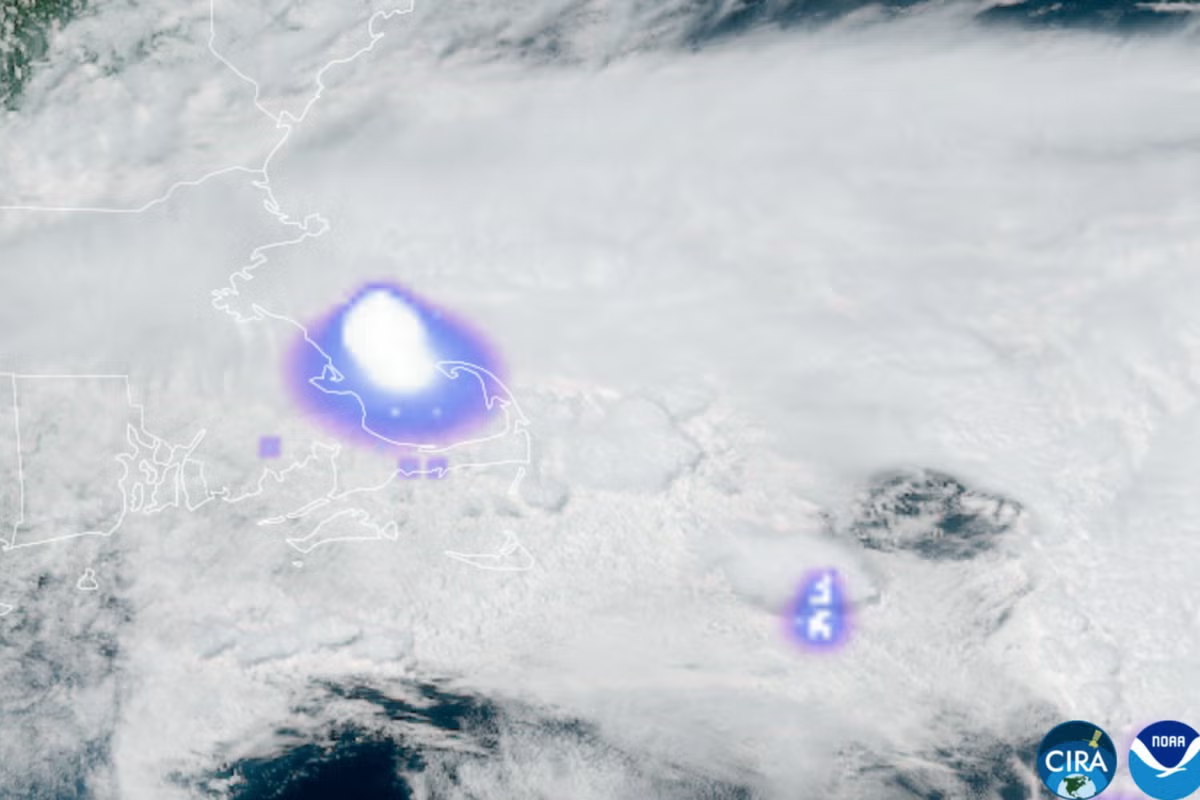
A loud boom that rattled homes across Massachusetts, Rhode Island and parts of New Hampshire on Saturday afternoon is increasingly being linked to a meteor explosion over Cape Cod Bay. Officials are yet to confirm the details.New Cape Cod Bay meteor reports emerged after a loud boom in Boston (Unsplash)New Cape Code reportsFresh satellite imagery from NOAA's GOES-19 satellite has provided some of the clearest evidence yet, capturing what experts describe as a massive atmospheric flash around the same time residents reported hearing an explosion-like sound.One social media user pointed to the newly released imagery, writing: “NOAA’s GOES 19 captured images of a massive flash over Cape Cod Bay. It’s believed that a meteor broke up in the atmosphere, causing an explosion that was heard throughout New England.”Another observer added: “This NOAA product which measures I think some sort of energy definitely shows that explosion in the atmosphere over Cape cod bay. This is what we all heard. Just a little bigger than the tree I thought went down. #boom”WATCH the visuals here. Reports flood in across New EnglandThe mysterious boom was first reported shortly after 2 PM local time Saturday, with residents from the Boston metropolitan area to Rhode Island and southern New Hampshire describing a powerful noise that shook buildings and startled communities.Many initially suspected thunder, military activity or even a minor earthquake.One resident who was outdoors near Cape Cod described the experience online.“Massive meteor in Cape Cod Bay?” they wrote on X, platform formerly known as Twitter.“Was out walking my dog along the salt marsh during the storm and heard the DARNDEST loud rumble, longer and louder than thunder. Was worried it might be a tsunami, but nope ... meteors. Here's the satellite image.”Experts point to bolide over ocean east of BostonMeteorologists quickly began analyzing atmospheric and satellite data after reports of the boom spread across social media. Spaceflight meteorologist Nick Stewart was among the first experts to identify what appeared to be a meteor-related event."Reports of an explosion hears around Boston I believe are going to be a rather significant bolide/meteor entering the atmosphere. Very large 'flash' detected by GOES-19 GLM that does not correlate with active thunderstorms," Stewart wrote on X.After further reviewing the data, Stewart doubled down on the theory."The flash density product really shows this anomalous 'flash' which is pretty distinctive of a bolide/meteor reentry. east of Boston. This is the likely source of the loud boom/explosion," he added.GOES-19 detected unusual atmospheric flashThe strongest evidence supporting the meteor theory comes from the GOES-East weather satellite, which detected a large flash over eastern Massachusetts at virtually the same time the boom was reported.NBC10 meteorologist Pamela Gardner also highlighted the unusual reading."Big explosion/boom around Boston," she tweeted. "GLM from GOES 19 shows possible meteor or bolide entering the atmosphere. There is no lightning in this current storm, no earthquake from USGS."Meteorologists noted that no significant thunderstorm activity or seismic events were recorded during the period, making a meteor explosion the leading explanation.Where did the bolide explode?According to weather analysts reviewing the data, the meteor likely entered Earth's atmosphere over the waters east of Boston, with Cape Cod Bay emerging as the most likely location of the atmospheric breakup.WBZ-TV Chief Meteorologist Eric Fisher reported that satellite observations showed the object entering the atmosphere near the South Shore region before exploding offshore.The resulting shockwave appears to have traveled across a large portion of New England, explaining why the boom was heard over such a wide area.What is a bolide?A bolide is an exceptionally bright meteor that explodes or fragments while passing through Earth's atmosphere.These events often create intense flashes visible from long distances and can generate sonic booms powerful enough to shake homes and rattle windows.Meteor experts note that while smaller meteors enter Earth's atmosphere regularly, larger bolides capable of producing audible shockwaves are much less common.Investigation continuesWhile officials have not yet released a final determination, the growing body of satellite evidence and expert analysis strongly suggests that a meteor explosion over or near Cape Cod Bay was responsible for Saturday's mysterious boom.
Boston meteor explosion: Where did bolide blast today? New Cape Cod Bay visuals emerge
A loud boom that rattled homes across Massachusetts, Rhode Island and parts of New Hampshire on Saturday
676 words~3 min read