With a record-setting IPO in just a few weeks, SpaceX saw its rival in a contest to put astronauts on the lunar surface go up in flames, reinforcing its dominance in the space race and its primacy in NASA’s plans to go back to the moon.
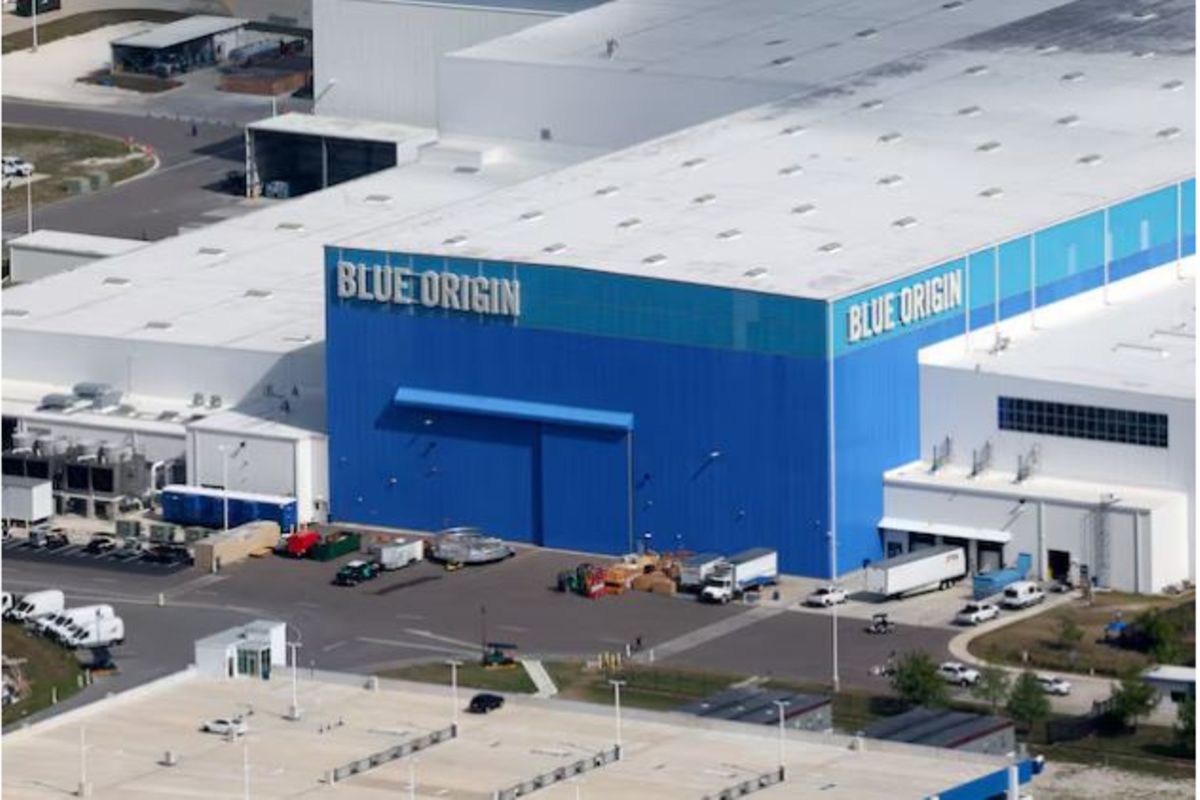
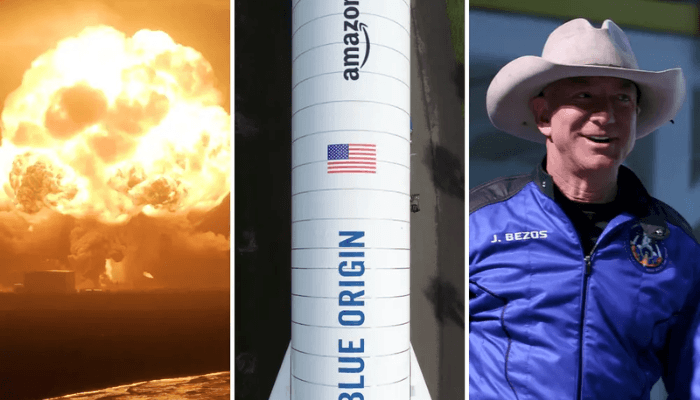
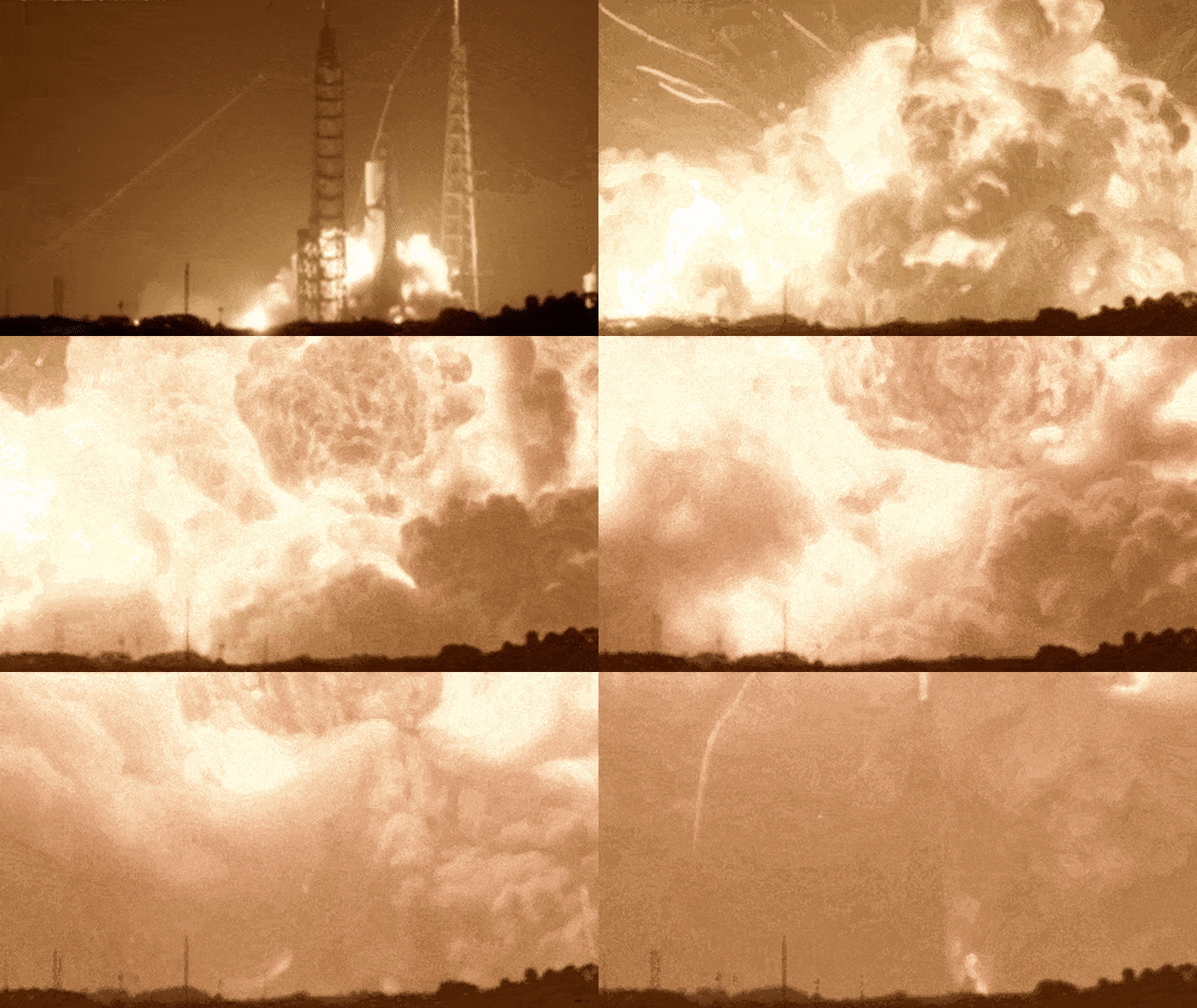
On Thursday, a New Glenn rocket belonging to Jeff Bezos’ Blue Origin exploded during an engine-firing test at the launch pad in Cape Canaveral, ahead of a satellite launch scheduled for next week.
Blue Origin also planned to use the rocket to launch landers to the moon for NASA, delivering payloads and astronauts to the surface. SpaceX is jockeying to be selected by NASA for the lunar mission too, and may emerge as the only remaining option to meet an ambitious schedule.
The vulnerability highlights the multiple steps—and contractors—a lunar landing would entail. While NASA successfully sent astronauts around the moon last month in a Lockheed Martin Orion capsule launched by Boeing’s massive Space Launch System rocket, landing on the moon’s surface requires a separate spacecraft.
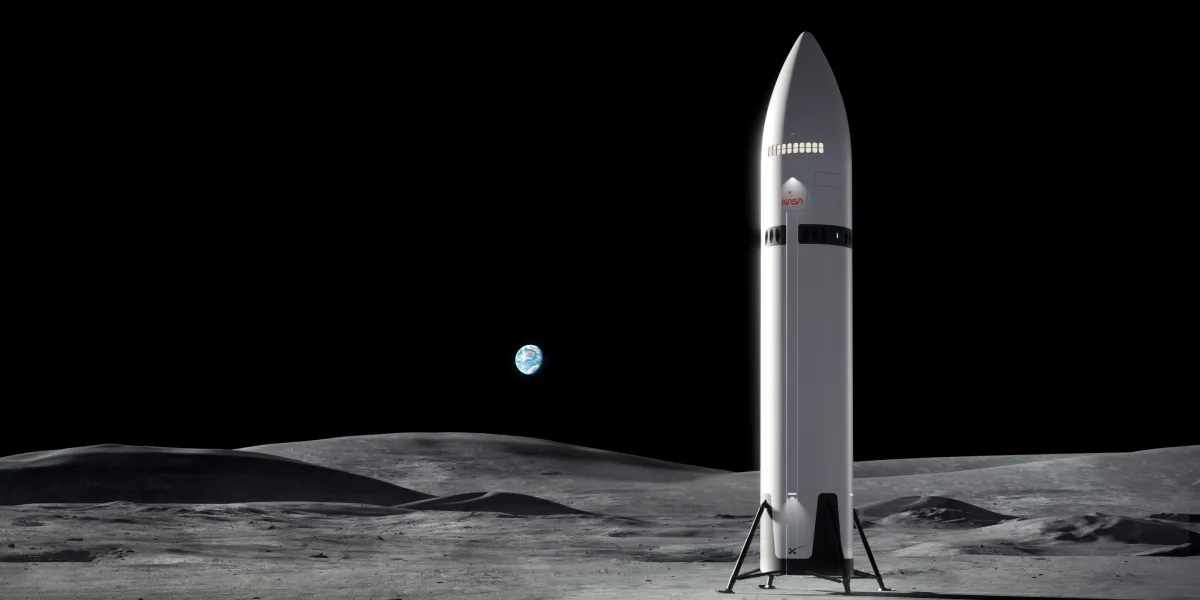
Next year, NASA plans to send astronauts into Earth orbit via the Orion and Space Launch System as part of its Artemis III mission. While in orbit, NASA expected to dock the Orion with either SpaceX’s lunar lander, a variant of the Starship, and/or Blue Origin’s lander, the Blue Moon.