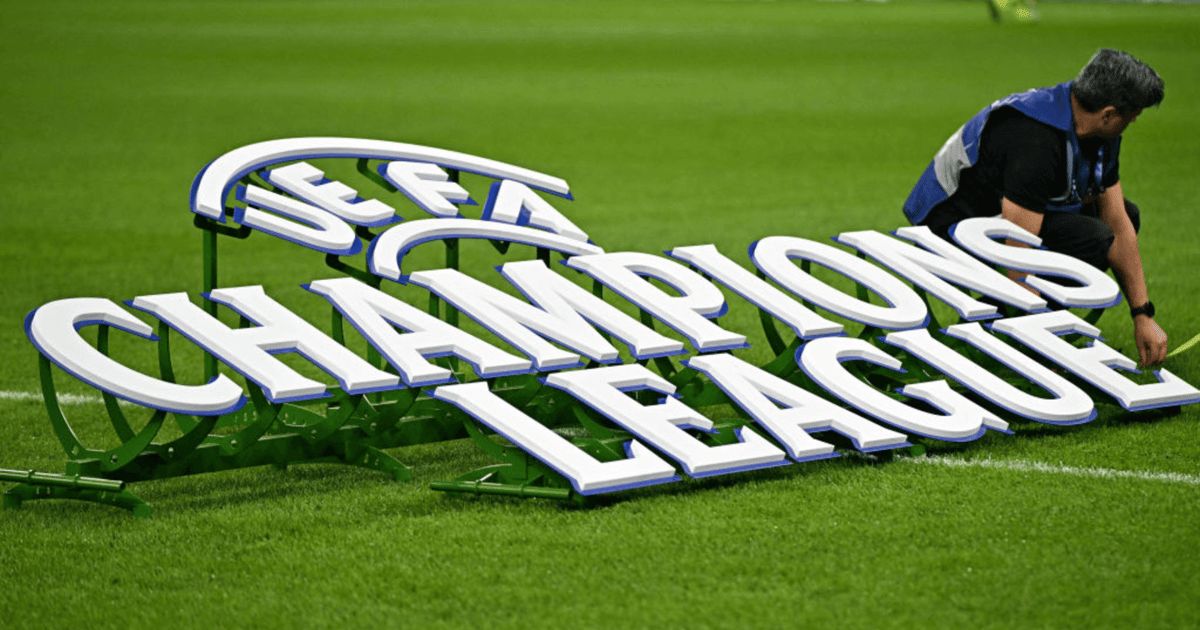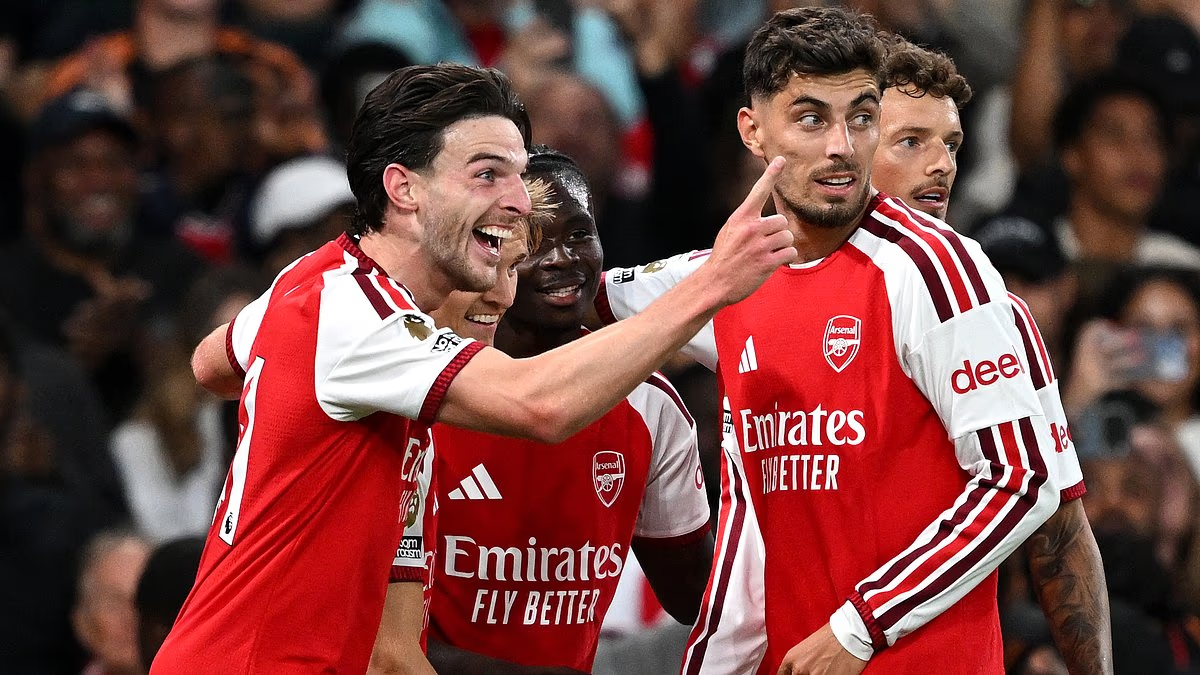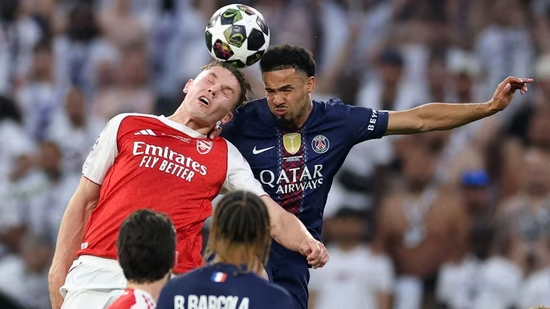
Paris Saint-Germain and Arsenal remain deadlocked, at 1-1, in the Champions League final at Budapest's Puskas Arena, setting up an exciting extra time and the possibility of even a penalty shootout to decide European club football's biggest prize.UEFA Champions League - Final - Paris St Germain v Arsenal - Puskas Arena, Budapest, Hungary - May 30, 2026 Paris St Germain's Warren Zaire-Emery in action with Arsenal's Viktor Gyokeres REUTERS/Andrew Boyers (REUTERS)For Arsenal, victory would deliver the club's first-ever Champions League title and cap off a remarkable season following their long-awaited Premier League triumph. PSG, meanwhile, are chasing back-to-back European crowns as Luis Enrique looks to further strengthen his reputation among the continent's elite managers.What happens if the score remains level after 90 minutes?If PSG and Arsenal cannot be separated at the end of regulation time, the Champions League final will move into extra time.Under UEFA rules, two additional 15-minute periods are played, giving teams a further 30 minutes to find a winner.Unlike previous eras, there is no "Golden Goal" or "Silver Goal" system. The entire 30 minutes must be completed regardless of whether a team scores first during extra time.How does extra time work?Extra time is divided into two halves of 15 minutes each.Players are given a brief break between the end of normal time and the start of extra time, as well as a short interval between the two extra-time periods. Teams generally switch ends before the second period.UEFA also permits an additional substitution during extra time, giving managers another tactical option if they have not already used it.What if the match is still tied after 120 minutes?If the score remains level after the full 120 minutes, the Champions League trophy will be decided by a penalty shootout.Each team initially takes five penalties. If the sides remain tied after those five kicks, the shootout moves into sudden death, with teams continuing to take one penalty each until a winner emerges.A rare extra-time scenarioThe prospect of extra time adds another layer of drama to an already tense final.Notably, this is the first Champions League final to require extra time since 2016, highlighting just how rare such situations have become in Europe's premier club competition.With neither PSG nor Arsenal willing to give an inch, fans could be set for a dramatic finish that extends beyond the regulation 90 minutes and potentially all the way to penalties.
Champions League final extra time rules: How will PSG vs Arsenal winner be decided - Explained
Paris Saint-Germain and Arsenal remain deadlocked, at 1-1, in the Champions League final at Budapest's Puskas Arena
395 words~2 min read