‘You are not alone’: WHO chief vows to stand with DR Congo through Ebola outbreak
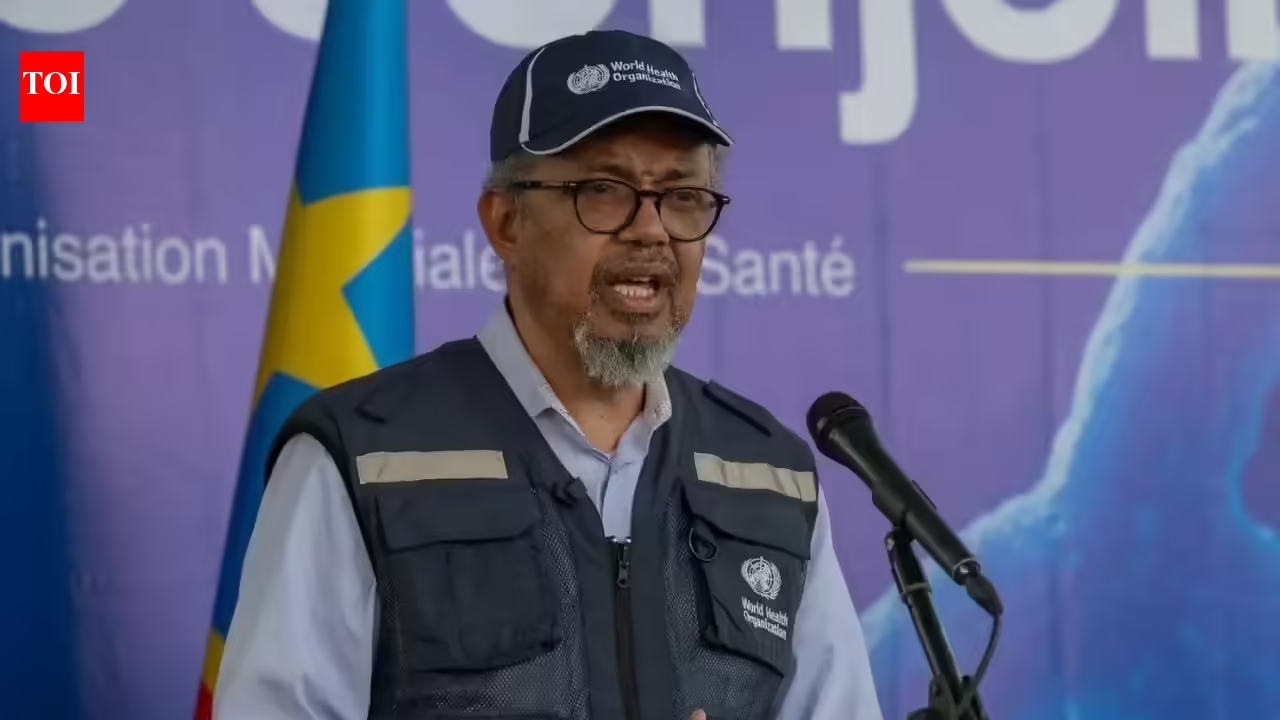
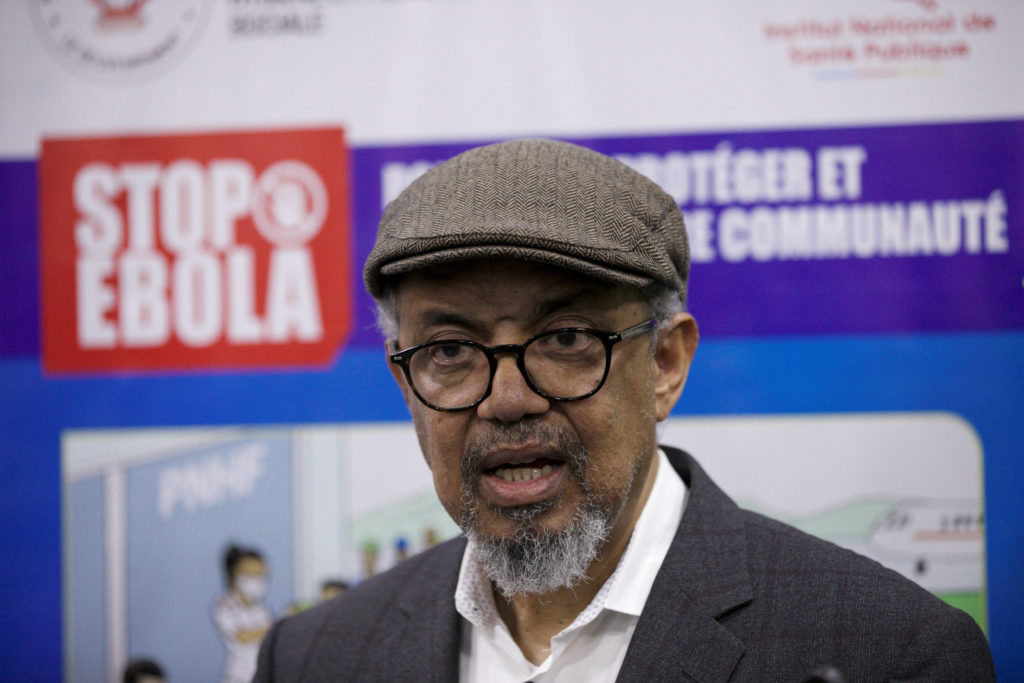
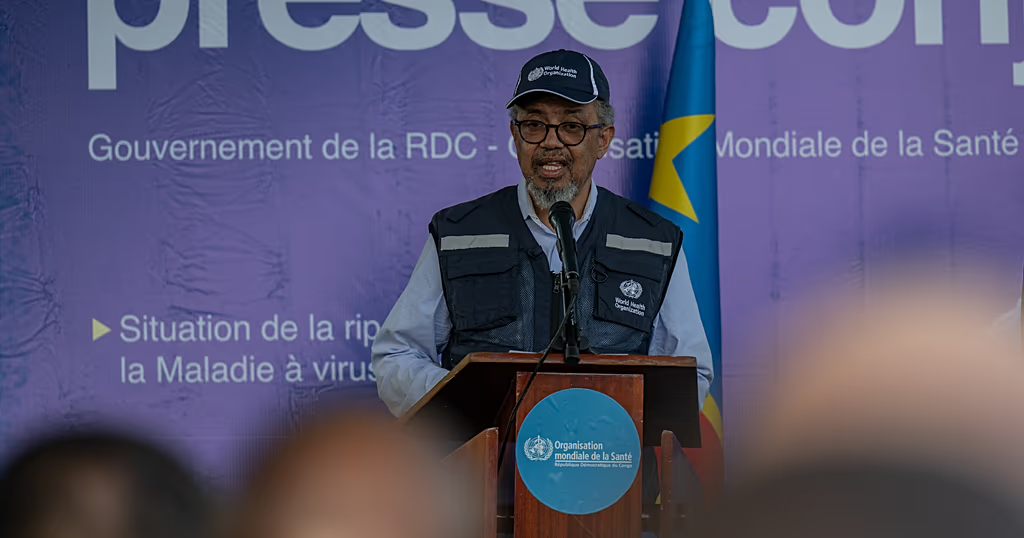
Speaking in Bunia, the capital of Ituri province and the epicentre of the outbreak, Tedros said local communities must remain at the centre of the response to the Bundibugyo strain of Ebola, for which no approved vaccine or treatment currently exists.“We are not here to tell people what to do. We are here to listen,” he said at a press briefing. “Communities understand their own challenges and their own solutions. Our role is to support you in implementing those solutions, together.”
© WHO
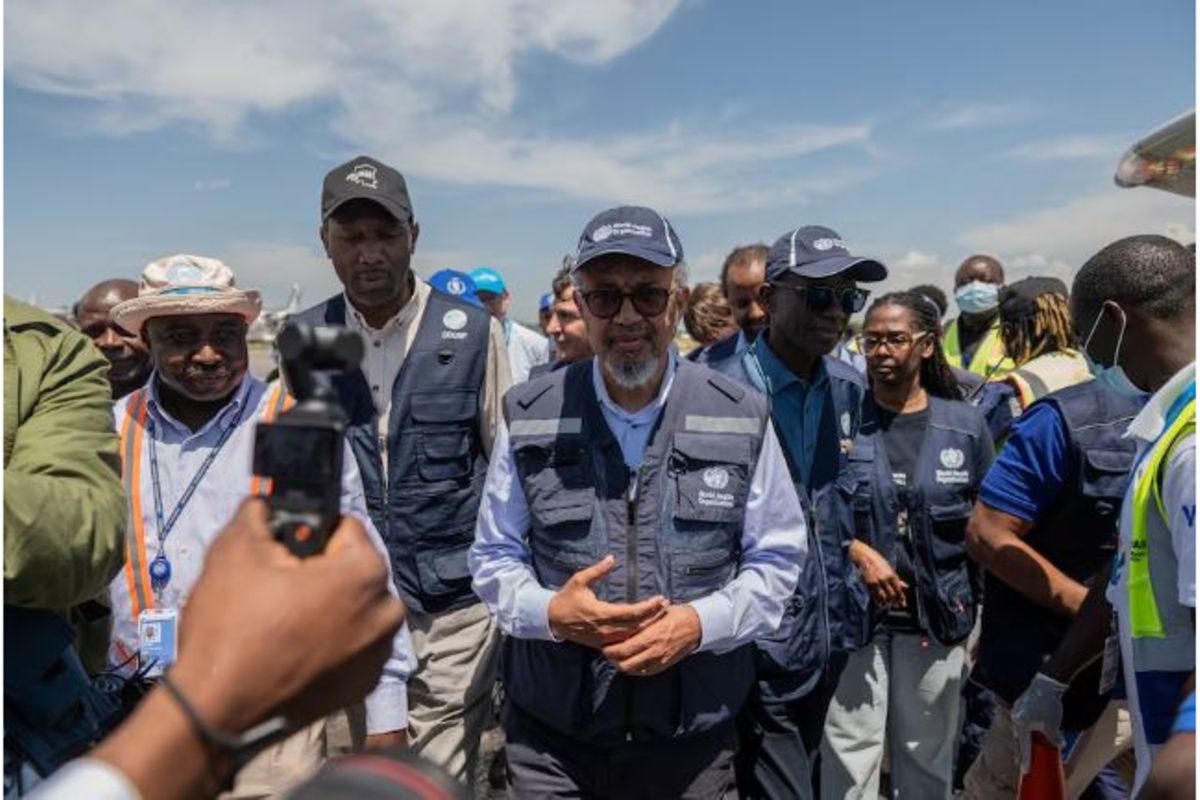
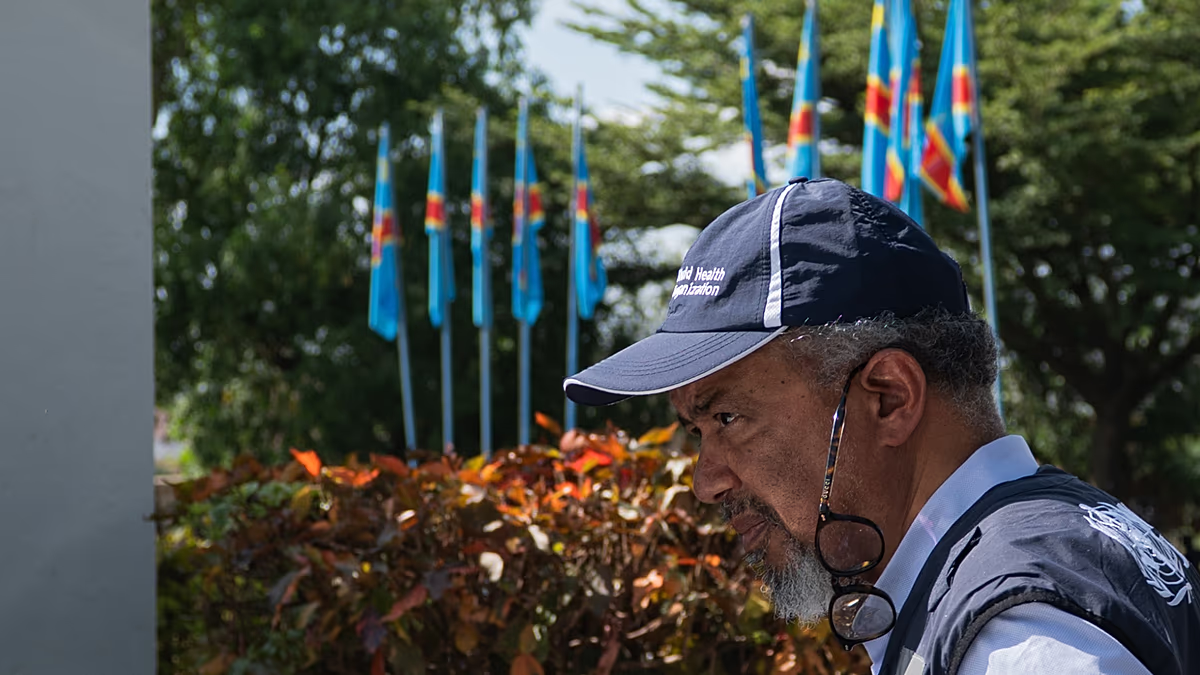
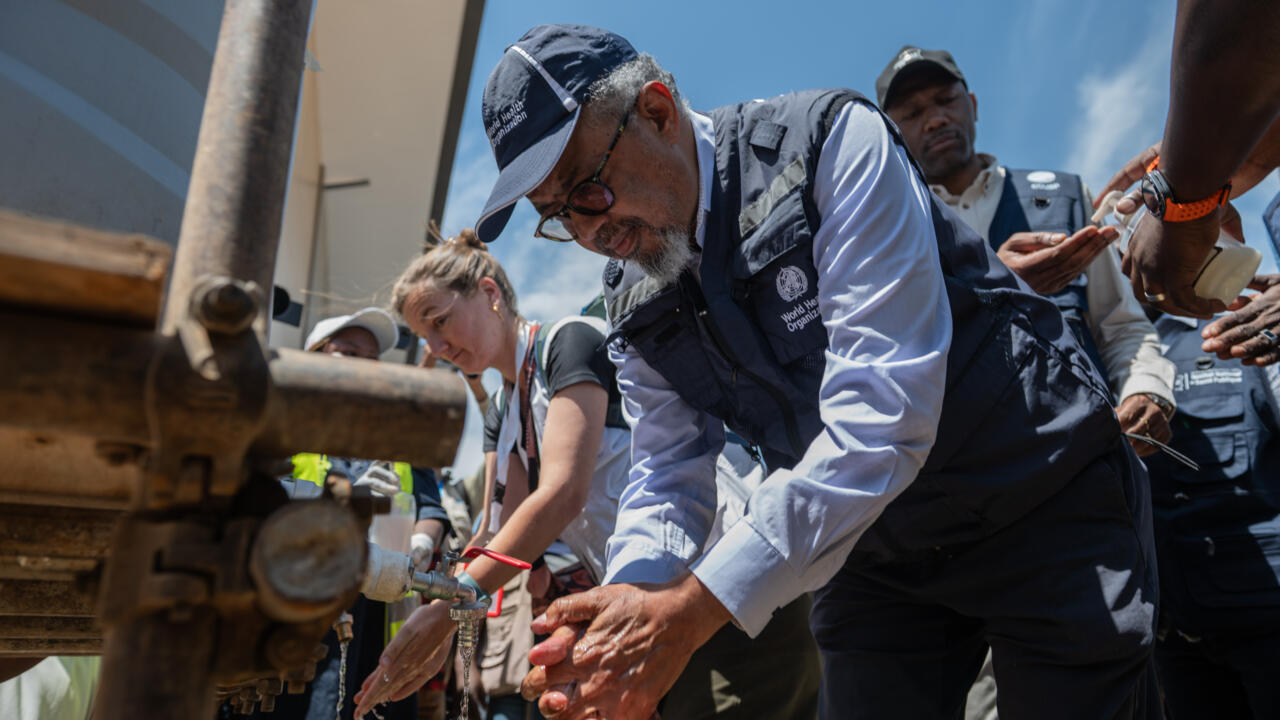
WHO Director-General Tedros Adhanom Ghebreyesus arrives at Bunia airport in Ituri, one of the three provinces hard-hit by the Ebola outbreak.
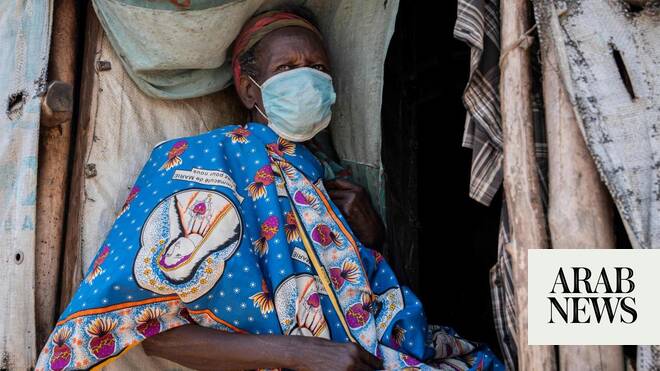
The outbreak continues to evolve rapidly.As of 27 May, 906 suspected cases and 223 suspected deaths have been reported in DRC. Across both DRC and Uganda, 134 confirmed cases and 18 confirmed deaths have been recorded as of 29 May. In addition, an American national who had treated patients in DRC is currently receiving care in Germany.Building trustTedros used his visit to meet government officials, community leaders, humanitarian agencies and health partners, emphasizing that public confidence and community participation would be essential to ending transmission.“Community ownership is what will bring this outbreak to an end,” he said.He expressed hope to engage with women’s groups, religious leaders, business representatives and young people during his visit, describing trust-building as a process that “starts with listening.”The UN health agency has increasingly focused on working through community networks, including local leaders, radio stations and social media influencers, to combat misinformation and encourage early detection and treatment.Timely medical care vitalThe outbreak is caused by the Bundibugyo virus, a relatively rare strain of Ebola first identified in Uganda in 2007.While no approved vaccine or treatment currently exists, Tedros stressed that survival is possible with timely medical care.“Ebola caused by the Bundibugyo virus can be survived with good medical care, and some people here in Ituri have already recovered,” he said. “Seeking care early makes a real difference.”WHO and its partners are also pursuing clinical trials aimed at developing vaccines and treatments for the strain.