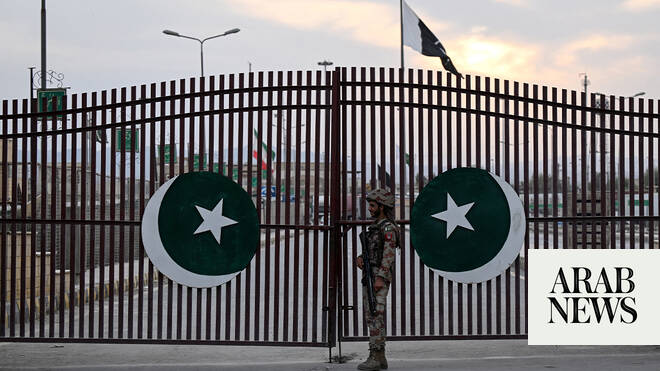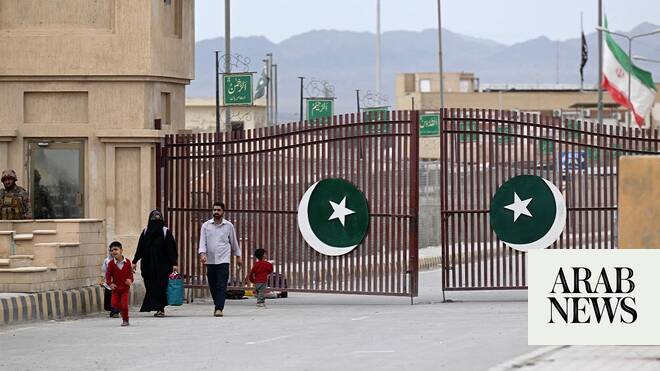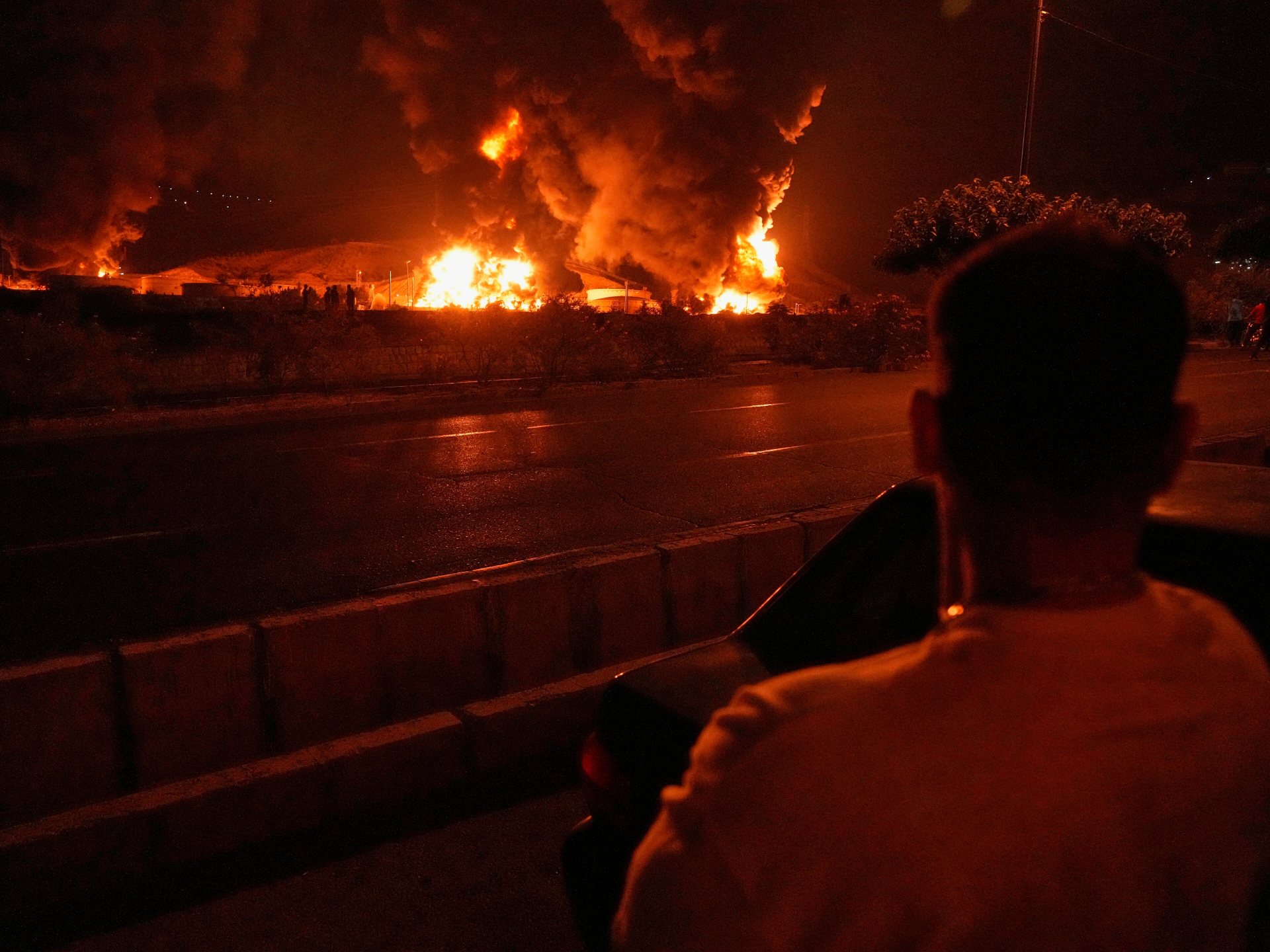
The fallout from the US–Israel war on Iran is now colliding with one of the world’s most volatile environments — Balochistan, Pakistan’s southwestern province bordering both Afghanistan and Iran. While Balochistan’s instability is not new, the Iran conflict has changed its trajectory. The Iran conflict threatens to draw insurgency, jihadist expansion and state rivalry together into a single, compounding crisis in the province.
The consequences for this volatile region bear directly on US interests, especially strategic competition with China. Since 2015, China has made Balochistan a focal point of its Belt and Road Initiative through a multibillion-dollar infrastructure and energy development plan, centred on the deep-sea port at Gwadar. The province contains massive untapped mineral deposits, including the Reko Diq deposit, one of the world’s largest underdeveloped copper–gold reserves. The United States has demonstrated interest in securing access to these resources, approving US$1.3 billion in financing for Reko Diq — placing Balochistan in the middle of great power jockeying over critical mineral supply chains.
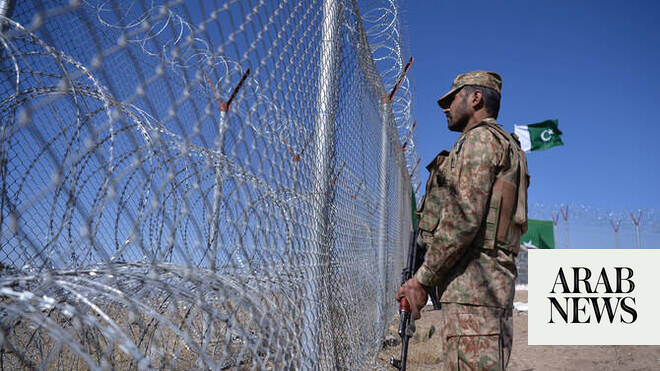
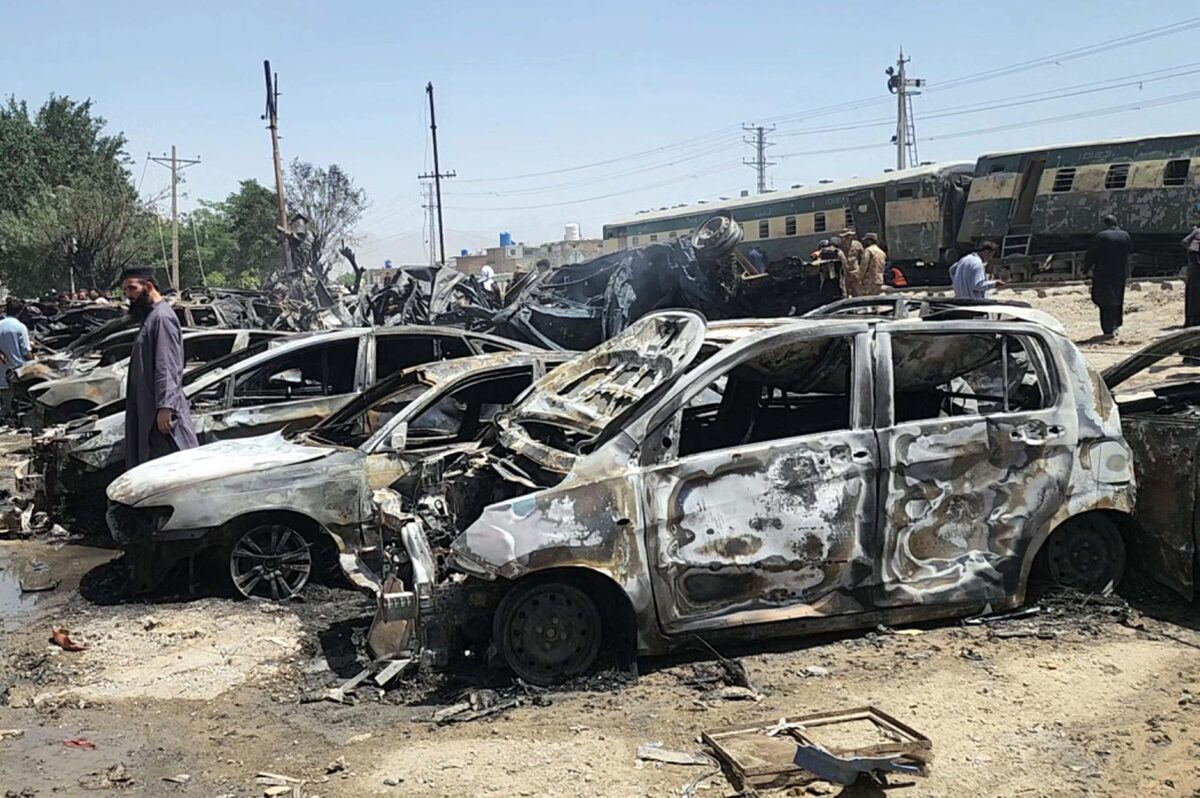
Yet the province is also a site of frequent and deadly political violence perpetrated by separatist and jihadist groups. These groups commonly target China–Pakistan Economic Corridor infrastructure, Pakistani security forces and Chinese nationals. The ongoing Iran conflict risks accelerating a deterioration of security conditions in Balochistan — threatening the economic investments that Washington, Beijing and Islamabad are each counting on.