A new bill extending home and community solar incentive programs has passed both houses of the Connecticut Senate, and just needs Governor Ned Lamont’s signature to make it into law. It’s taken us a while to parse through it, but one thing is clear: batteries are the big winners.
We should clarify here that this isn’t a rebate. Instead, the new legislation in CT House Bill 5340 extends Connecticut’s existing Residential Renewable Energy Solutions (RRES) program and related community solar incentives through the end of 2035, providing some long-term financial planning stability for both homeowners and installers alike. The more interesting story, though, may be what the bill does for battery storage.
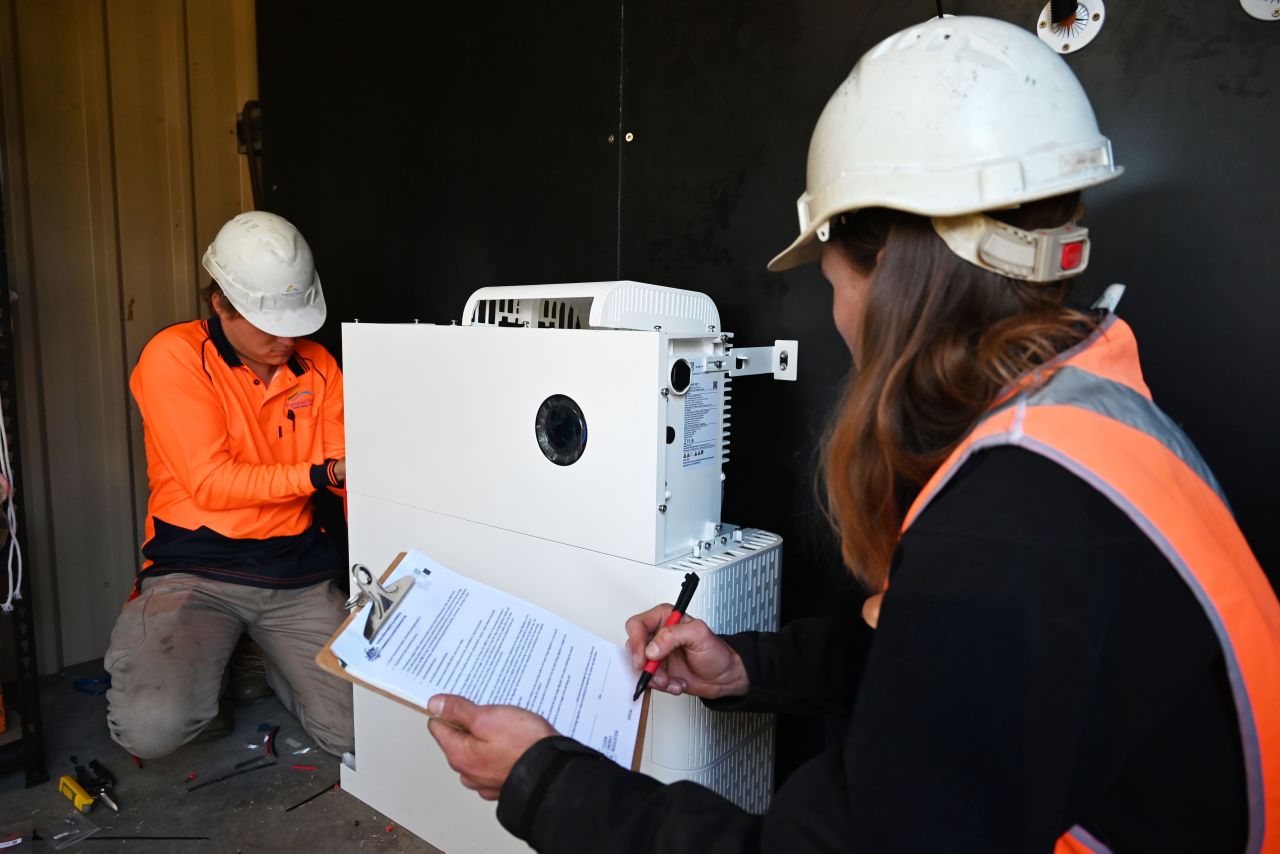
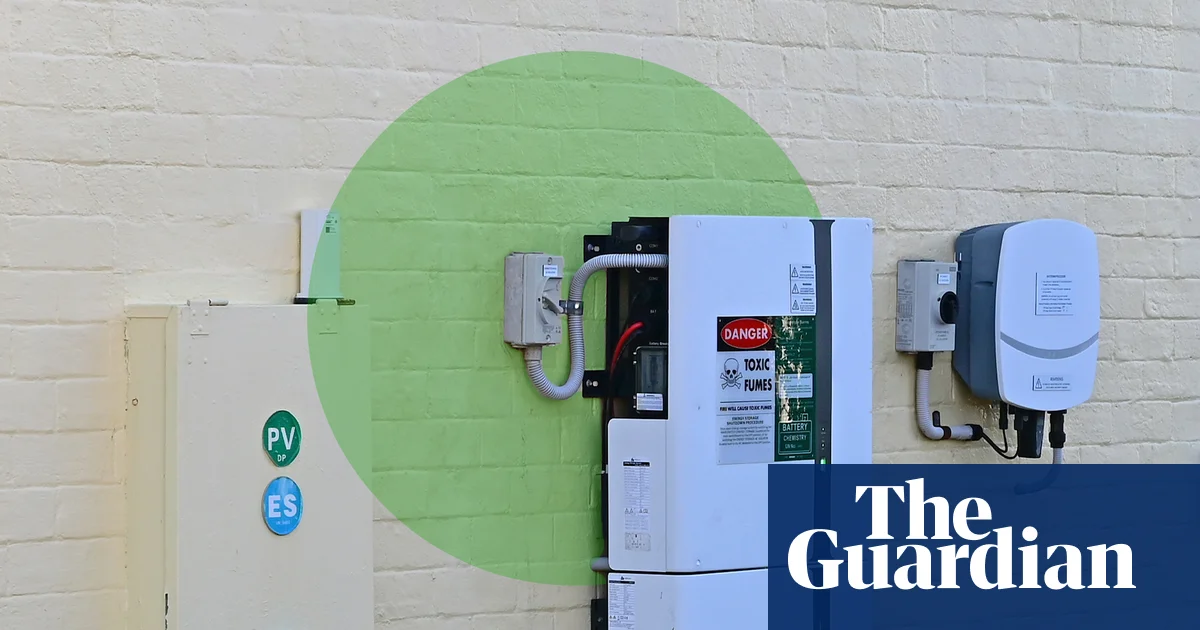
Beginning in 2028, the RRES will cap incentive spending and annual procurement volumes for rooftop solar panel systems on their own, but PV systems paired with battery storage will be exempt from those limits, potentially giving installers and homeowners yet another compelling reason to add backup batteries to their homes.
“This bill modernizes Connecticut’s renewable programs so clean energy can continue lowering bills, improving system reliability, and expanding consumer protection,” state representative Jamie Foster, a co-sponsor of the bill, said in a statement. “Connecticut’s energy demand continues to rise, and families are feeling the strain of higher utility bills. As the state adds more renewable energy, programs must be designed to lower costs, support households with the greatest energy burdens, reduce administrative hurdles, and ensure consistent safety standards across the energy system.”