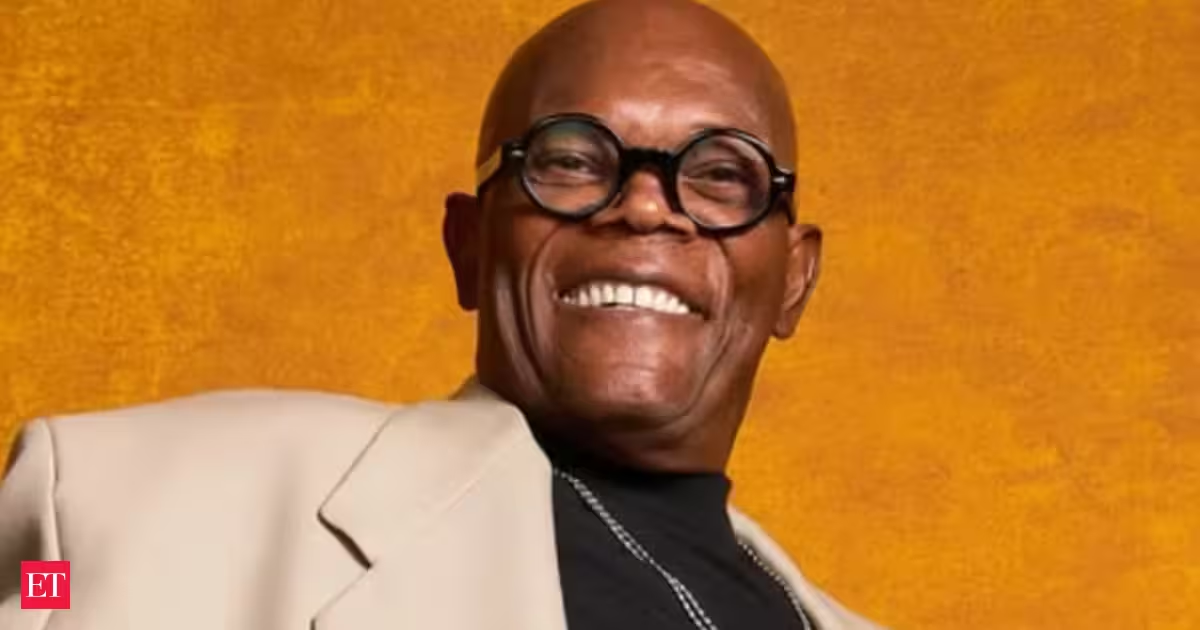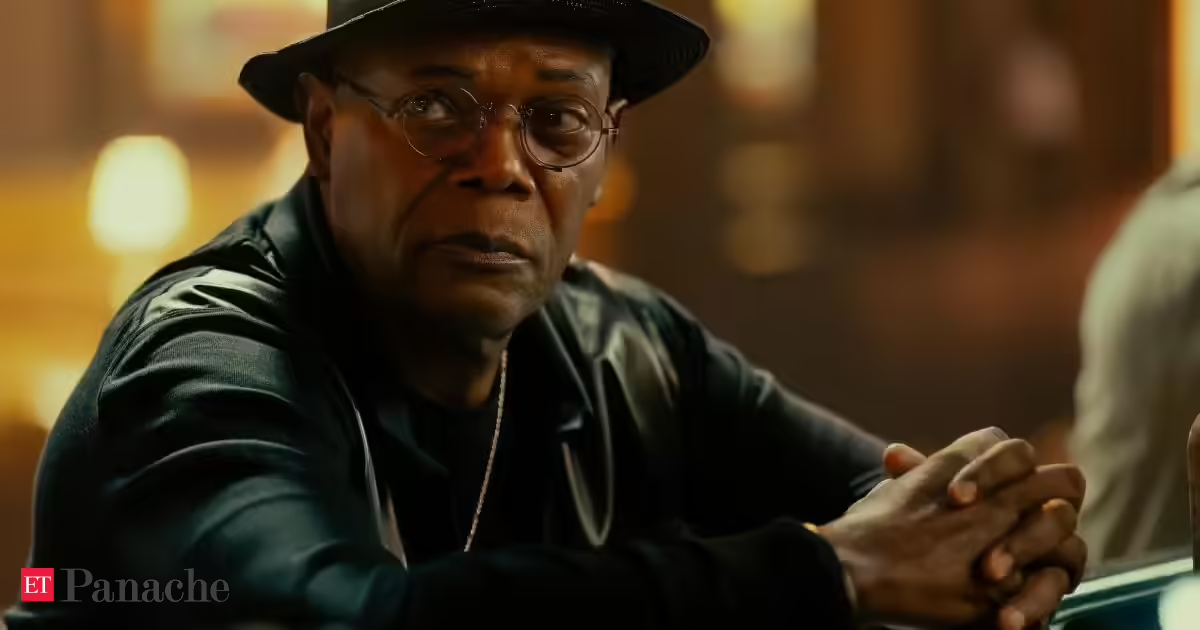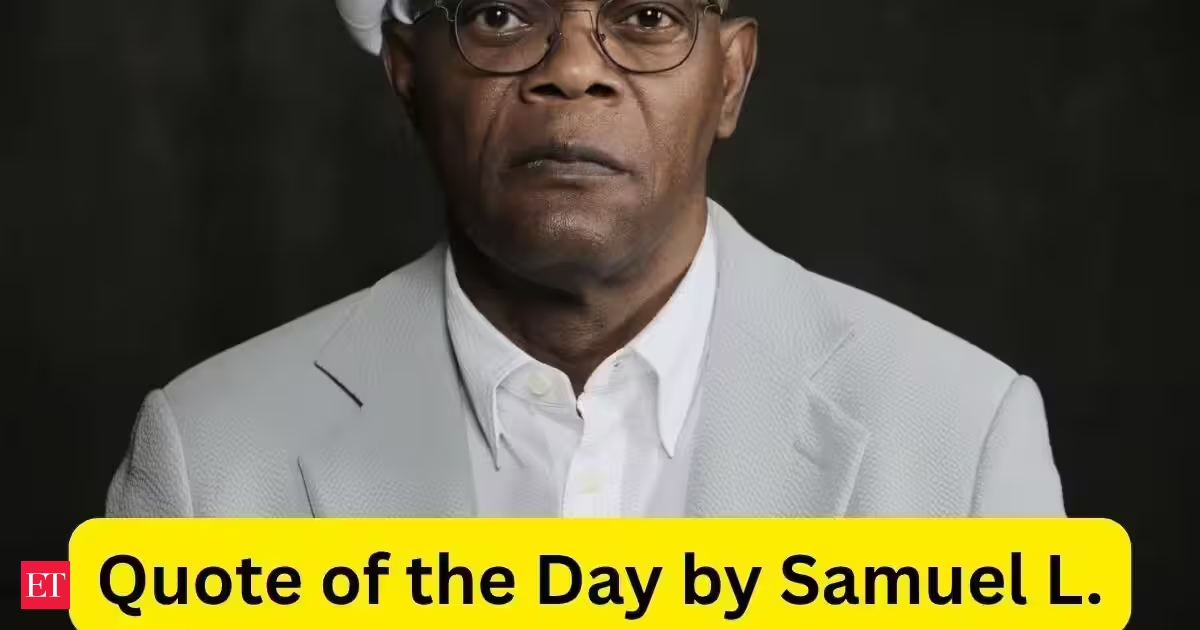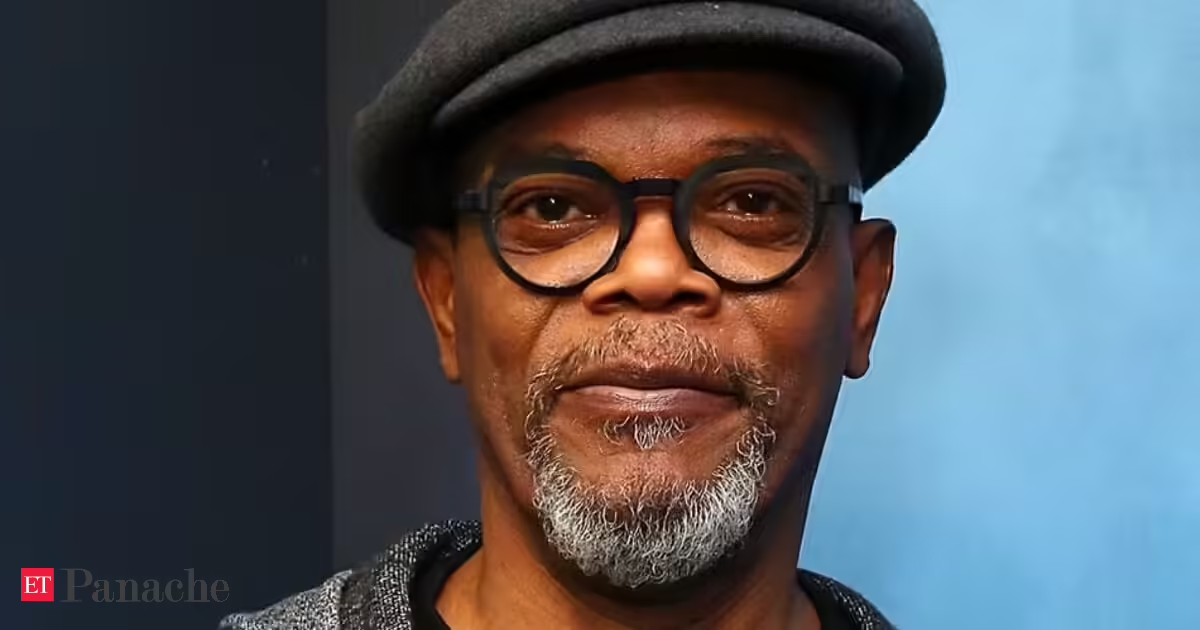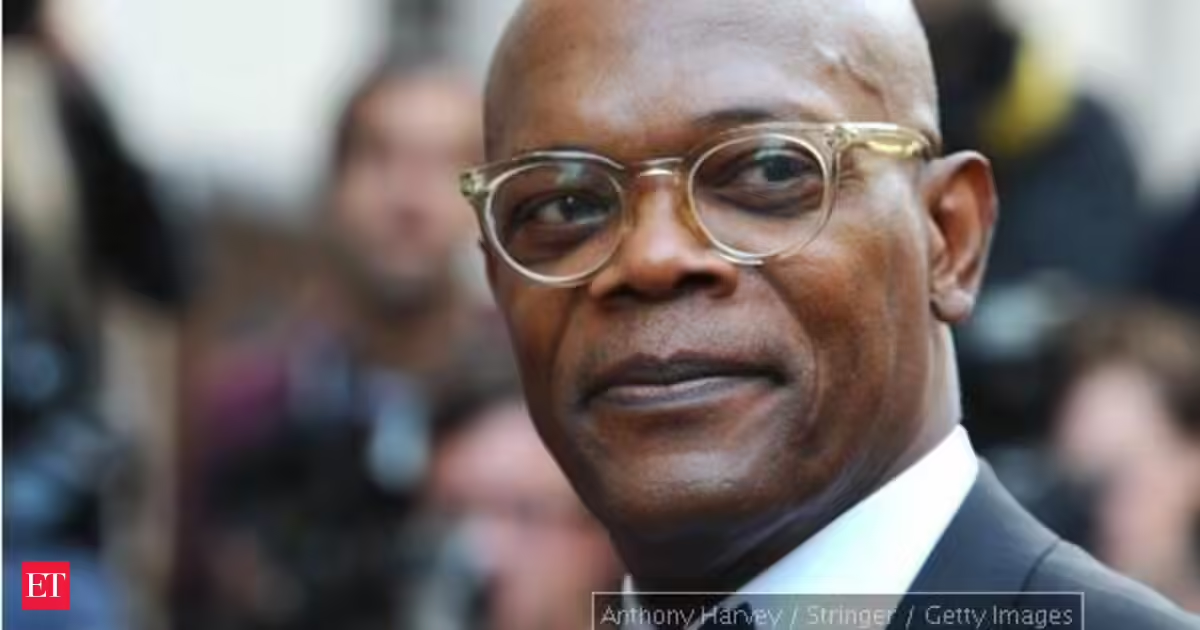
Quote of the Day: Few movie quotes have achieved the legendary status of Samuel L. Jackson’s thunderous speech in Pulp Fiction. Delivered with intensity, conviction, and unmistakable presence, the dialogue transformed Jackson’s character Jules Winnfield into one of cinema’s most memorable figures. More than three decades after the film’s release, the quote continues to be shared, debated, and celebrated by movie fans around the world.The line is dramatic, intimidating, and unforgettable. But beneath the surface, it also reveals something deeper about morality, transformation, and the search for meaning.The iconic quote from Pulp FictionDuring one of the film’s most famous scenes, Jules Winnfield (played by Samuel L. Jackson) declares:"The path of the righteous man is beset on all sides by the inequities of the selfish and the tyranny of evil men. Blessed is he who, in the name of charity and good will, shepherds the weak through the valley of darkness, for he is truly his brother's keeper and the finder of lost children. And I will strike down upon thee with great vengeance and furious anger those who attempt to poison and destroy my brothers. And you will know my name is the Lord when I lay my vengeance upon you."You Might Also Like:For many viewers, this speech became the defining moment of Jules Winnfield. Until then, he appears to be a ruthless hitman who delivers violence with calm confidence. But as the story unfolds, the audience begins to see something unexpected. Behind the fearsome reputation is a man wrestling with questions about fate, morality, and the direction of his own life.That shift is what makes the scene so powerful. What initially sounds like a threat gradually becomes a reflection on good, evil, and personal responsibility. Jules starts questioning whether he is truly the righteous man, the shepherd protecting the weak, or simply another person using power for his own purposes.In a genre often dominated by guns, revenge, and criminal underworlds, Pulp Fiction gave audiences a character who unexpectedly begins searching for redemption. The speech is memorable not only because of its intensity but because it marks the beginning of Jules' transformation. For perhaps the first time, he considers the possibility that he can choose a different path.You Might Also Like:What does this quote teach us about change, accountability and self-reflection?The quote continues to resonate because it speaks to a truth about human nature. People often see themselves as heroes in their own stories, even when their actions may tell a different tale. Self-reflection can be uncomfortable because it forces individuals to confront contradictions between who they are and who they want to be.Jules experiences exactly that realization. After surviving what he believes to be a miraculous event, he begins to question everything he once accepted without hesitation. Instead of viewing the experience as luck, he sees it as an opportunity to change.You Might Also Like:The speech also highlights the struggle between vengeance and wisdom. While the words are delivered as a warning, the larger lesson is that true strength may come from breaking cycles of anger rather than continuing them. The moment represents a rare instance where a character chooses introspection over violence.Throughout the film, there is a growing sense that Jules is searching for purpose beyond the life he has always known. His decision to walk away from that world gives the quote an emotional weight that extends far beyond the scene itself. It becomes a statement about second chances and the possibility of personal growth.Over the years, Samuel L. Jackson has built one of Hollywood’s most remarkable careers through films such as Jurassic Park, Django Unchained, The Hateful Eight, the Star Wars: Episode I – The Phantom Menace franchise, and numerous entries in the The Avengers universe. Yet for many fans, Jules Winnfield remains one of his most iconic performances.Part of that legacy comes from Jackson’s ability to make the character feel larger than life while still revealing moments of vulnerability and reflection. What could have been a simple gangster role became a complex exploration of conscience and change.Today, clips from Pulp Fiction continue to circulate across social media, introducing new generations to one of cinema’s most quoted speeches. The scene endures not simply because it sounds powerful, but because it asks an enduring question: can a person change after recognizing their own flaws?For Jules Winnfield, the answer is yes. And that possibility is what continues to make the moment unforgettable.
Quote of the Day by Samuel L. Jackson: 'The path of the righteous man is beset on all sides by the inequities...'-The philosophical hitman Jules Winnfield's unforgettable Pulp Fiction speech is really about justice, power and redemption
Samuel L. Jackson's iconic Pulp Fiction speech delves into justice, power, and redemption. The dialogue transformed Jules Winnfield into a memorable character. The scene reveals deeper themes of morality and transformation. It highlights self-reflection and the possibility of change. Jules' journey explores second chances and personal growth. The speech continues to resonate with audiences.
734 words~3 min read