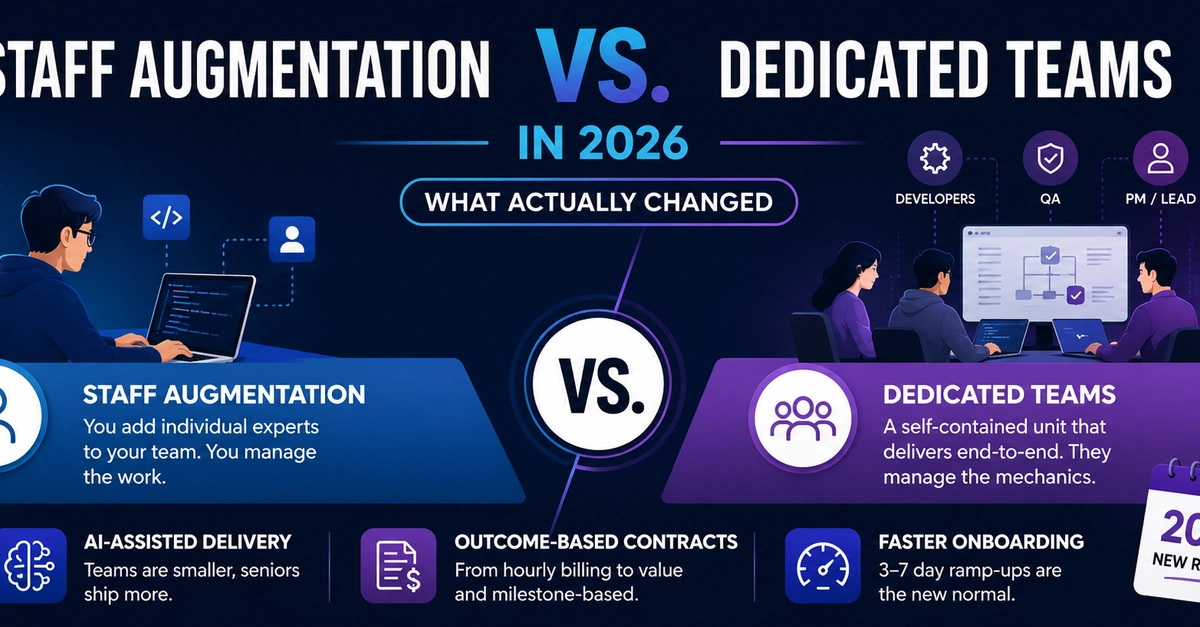
To optimise costs and dismantle benches, tech companies are shifting toward on-demand talent acquisition, utilising short-term contracts of three months to a year for specialised projects.According to industry experts, short-term hiring for skill sets, including GenAI engineering, cloud architecture, cloud automation, LLM fine tuning, MLOps, cybersecurity, data engineering, AI solutions architects, Site Reliability Engineering, and consultants who can engage clients for AI transformation advisory have seen a sudden spurt in last two quarters.Tech firms have already been using third-party vendor rolls to keep headcount numbers off their official balance sheets to look lean and nimble to investors and customers and this talent route has become increasingly prominent these days, they observed.IT skill set bench is not the same since a year or so when talent was on the bench for reasons like between projects, delayed client contract, delayed delivery of projects where you bring in bench team anticipating new contracts etc. were the reasons why bench existed, observed B.S. Murthy, CEO, Human Capital, a lead player tech hiring in Bengaluru.Mr. Murthy explained, “Bench comes with an expensive holding cost to every tech major. Things are changing off late as per what their clients dictate. Clients want IT providers to use AI apps/Agentic AI and other AI platforms. Also, most tech companies are finding it difficult to reskill quickly as deployment and delivery time are also getting short.’’Also, the tech talent pool available for short-term assignments have also increased manifold as a big chunk of them was coming out of mainstream roles and taking up short-term consulting and expert advisory roles, he opined.Aditya Narayan Mishra, MD and CEO of CIEL HR said an AI-led optimisation was fundamentally changing workforce structures across the IT sector. Tasks that earlier required large teams are now being handled by much leaner teams supported by automation and AI tools.“As a result, the traditional practice of maintaining large bench strength in anticipation of future projects is reducing. Organisations are becoming more agile and aligning talent deployment much closer to actual business demand, thereby increasing the possibility of project-based and contract hiring of specialised and niche skills,’’ Mr. Mishra added.Kapil Joshi, CEO of IT Staffing, Quess Corp said, the tech industry has become significantly leaner these days as companies focus on improving workforce utilisation and productivity. Industry utilisation rates have increased to nearly 85–89%, compared with below 80% some years ago, driven largely by reskilling and redeploying employees into high-demand technology areas.“Hiring demand has shifted sharply toward deployment-ready professionals with expertise in niche and super-specialised domains. Mid-level professionals now account for nearly 65% of technology hiring demand, while entry-level demand has declined from 28% in 2024 to 15% in 2025 as firms move away from large-scale campus hiring,’’ Mr. Joshi added.Commenting on the trend, Manish Sabhrawal, temp industry veteran and Chairman of Teamlease said, “I don’t think this is a climate change for software service companies but it is a passing storm. And in any economic storm, the conversion of fixed costs to variable costs improves resilience because the timing of normalcy is currently unmodellable.’’Xpheno, that tracks evolving trends in tech hiring, recently said, India’s tech sector’s active talent demand was on another downward slope, with the moderated start to the new fiscal 2027 continuing further into the first quarter.“Overall, the tech sector continues a downward trajectory in active talent demand volume, which has remained sluggish over the last four-plus quarters. The overall sentiment on hiring continues to be one of caution and general conservation at both the employee and employer ends,’’ said Kamal Karanth, Co-founder, Xpheno.
Tech firms adding specialised talent on temporary basis to push benches away, stay slim
To optimise costs and dismantle benches, tech companies are shifting toward on-demand talent acquisition, utilising short-term contracts of three months to a year for specialised projects.
589 words~3 min read