Industry bodies including SIMA, AEPC and CITI highlighted a domestic cotton shortfall of 50-70 lakh bales and said the move would particularly benefit MSMEs, garment exporters and the broader textile value chain.
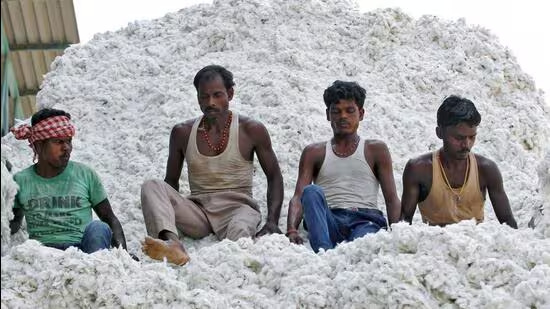
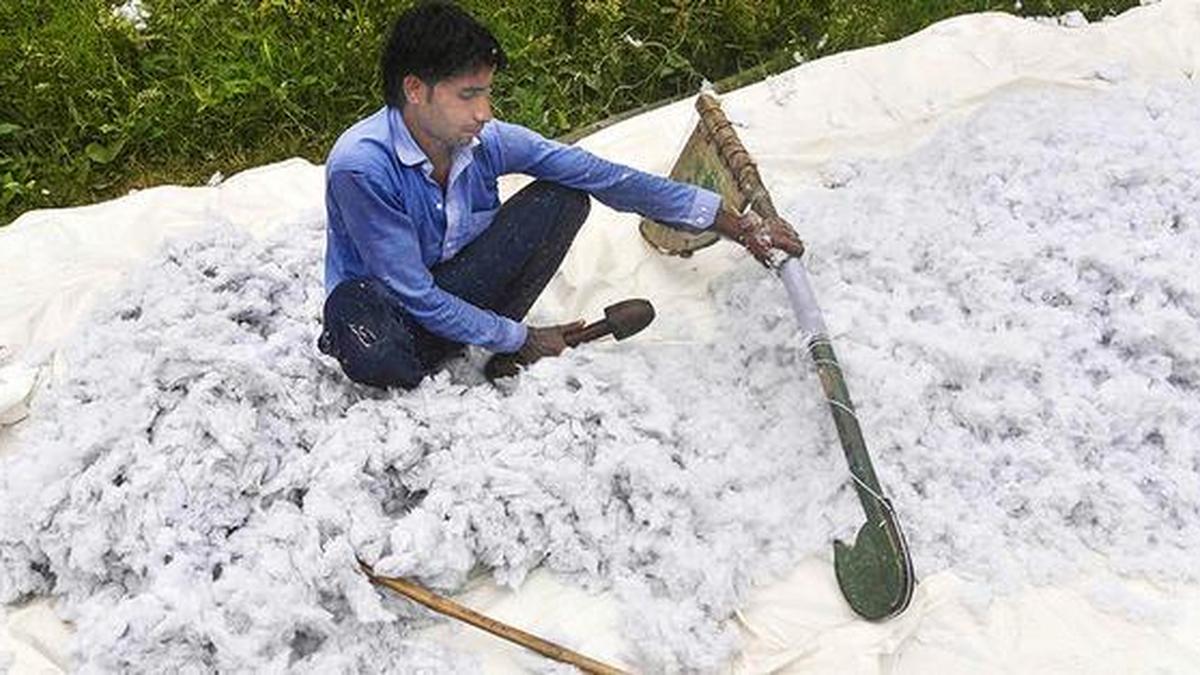
The textile and apparel industry has welcomed the Centre’s decision to temporarily exempt duties on cotton imports from June 1 to October 30, 2026, describing it as a timely measure that will improve raw material availability, ease cost pressures and enhance the competitiveness of Indian textile exports.The government’s move comes as the industry faces a significant cotton supply deficit. Industry bodies estimate that domestic cotton production during the current season will be around 290 lakh bales, while textile sector demand is expected to be between 330 lakh and 340 lakh bales, creating a shortfall of 50-70 lakh bales.The Coimbatore-based Southern India Mills’ Association (SIMA) said it had been urging the government to remove the 11 per cent import duty on cotton. Cotton prices had surged from about ₹54,500 per candy (355 kg) to nearly ₹71,000 per candy over the past two months before showing signs of softening recently.SIMA noted that similar duty exemptions were provided during April-October 2022 and August-December 2025 and said the latest decision would provide much-needed relief to the entire cotton textile value chain.The Apparel Export Promotion Council (AEPC) Chairman, Dr A. Sakthivel, said the decision would particularly benefit small and medium enterprises that have been grappling with rising cotton and yarn prices.He urged spinning mills to pass on the benefits of lower cotton costs by rationalising yarn prices, thereby stabilising the value chain and enabling garment exporters to secure export orders more competitively.The Confederation of Indian Textile Industry (CITI) also welcomed the temporary removal of the duty, saying it would provide momentum to the MSME-dominated sector amid global uncertainty. CITI Chairman Ashwin Chandran said the import duty had placed Indian manufacturers at a disadvantage compared with competing Asian nations that enjoy duty-free access to cotton.He said the relief would help exporters take advantage of opportunities arising from free trade agreements, including the upcoming India-UK trade pact. Chandran added that cotton imports are largely driven by quality requirements and export commitments and do not displace domestic cotton.India’s textile and apparel sector, the country’s second-largest employer, remains a key contributor to exports and GDP. However, textile and apparel exports declined 2.2 per cent year-on-year to $35.79 billion in FY26, underlining the need for measures that improve the sector’s global competitiveness.Published on May 30, 2026