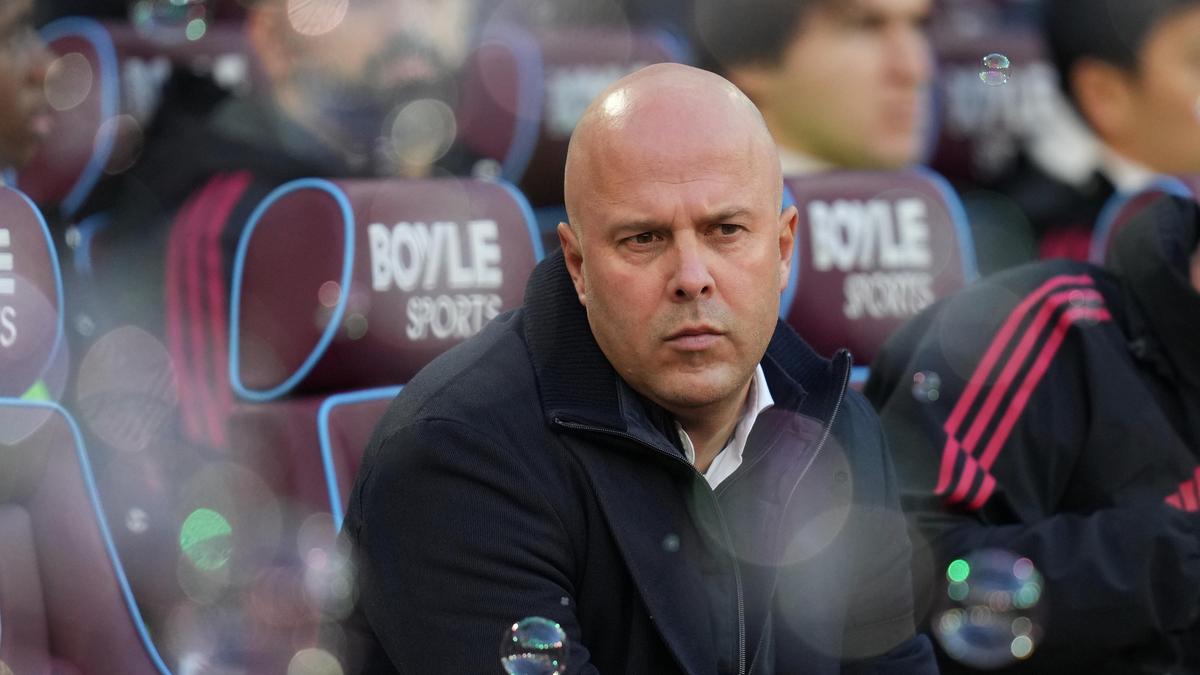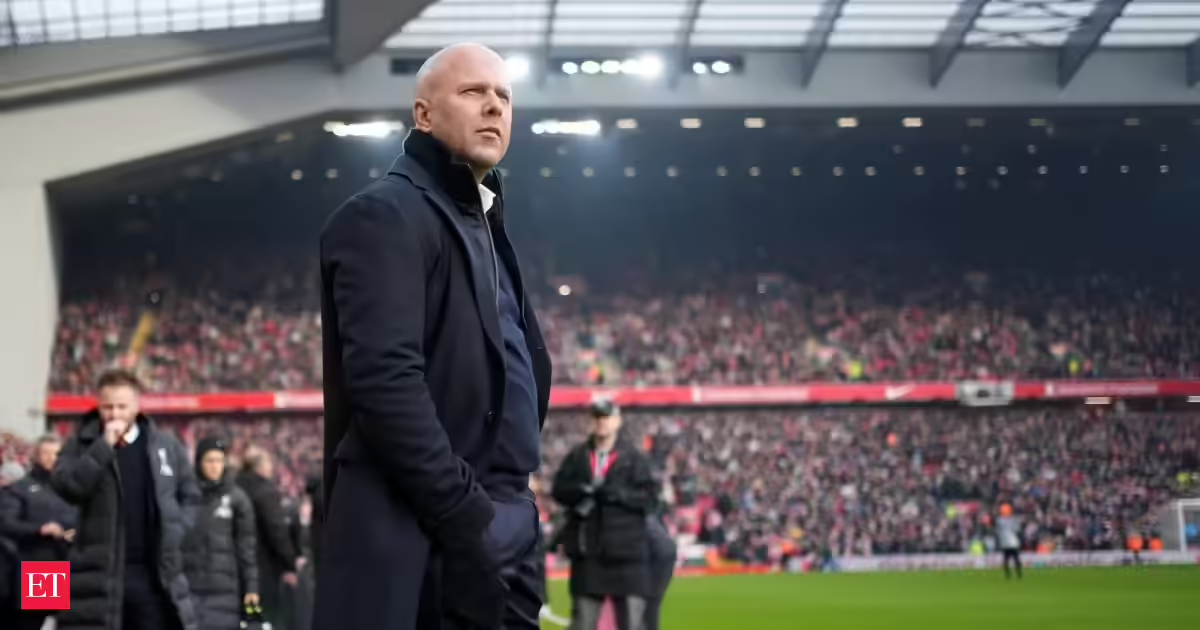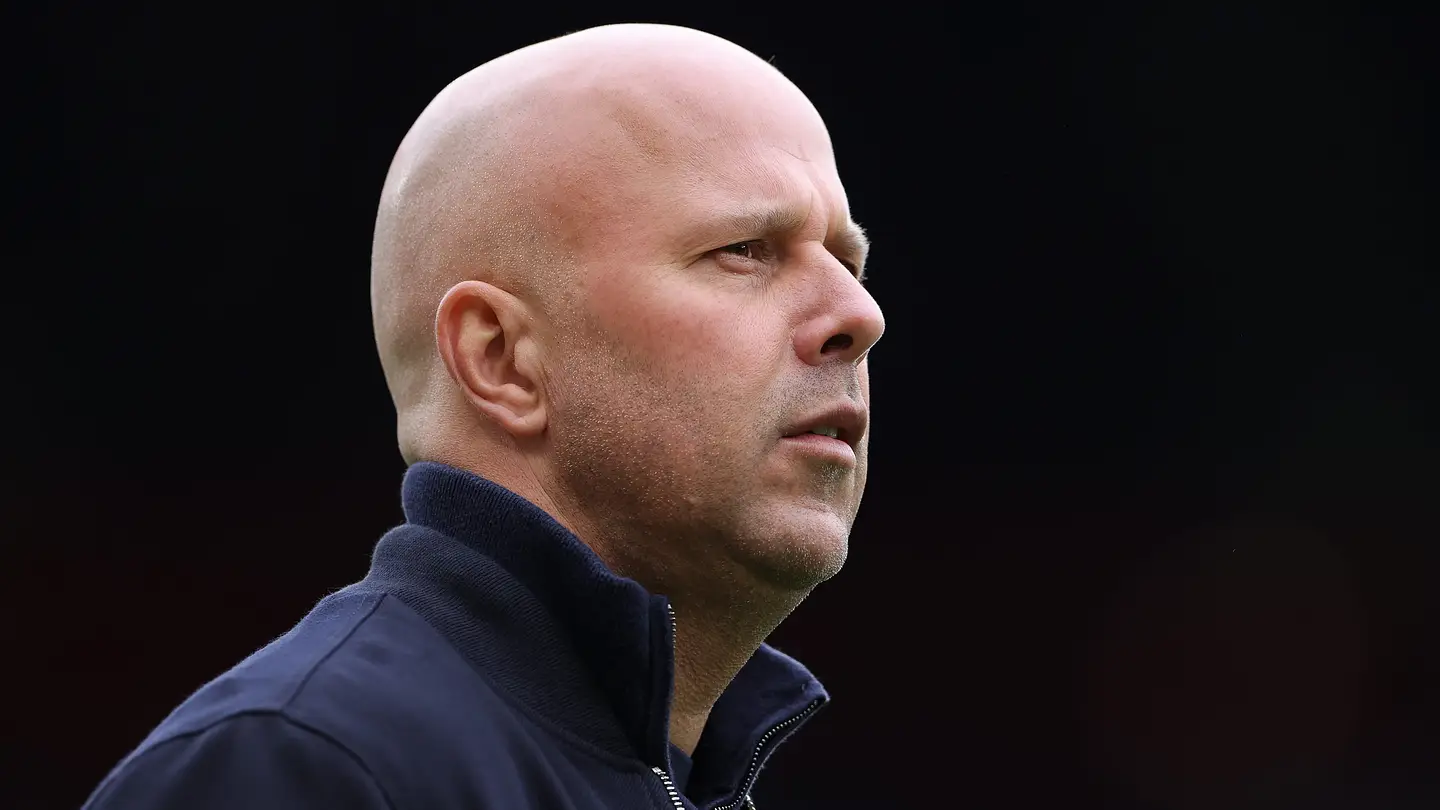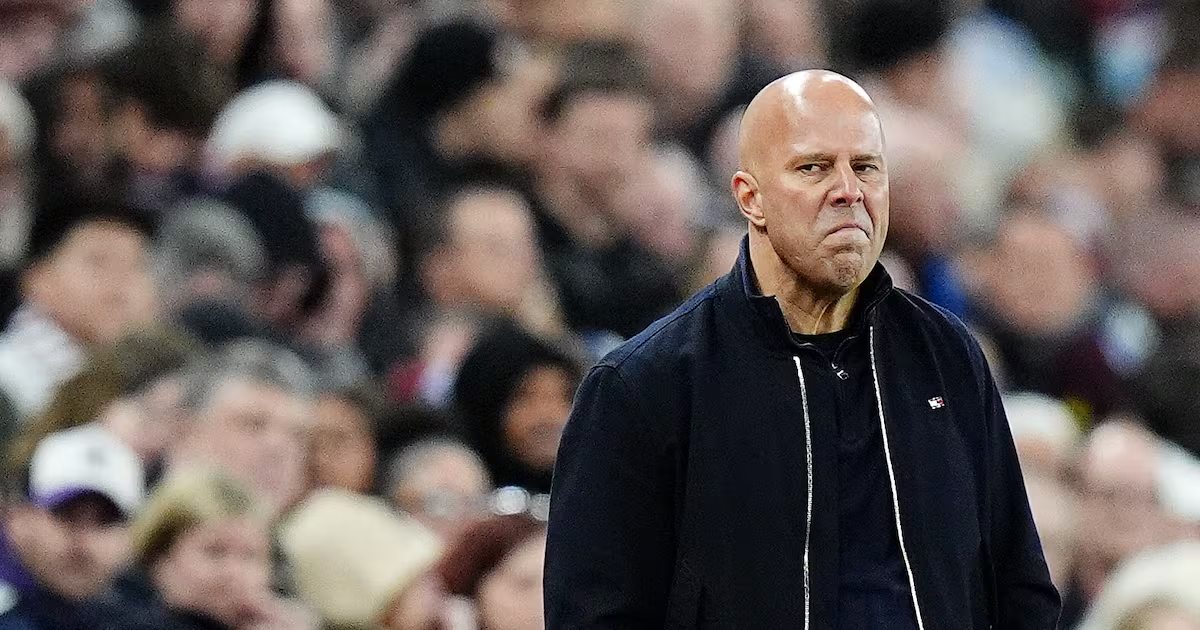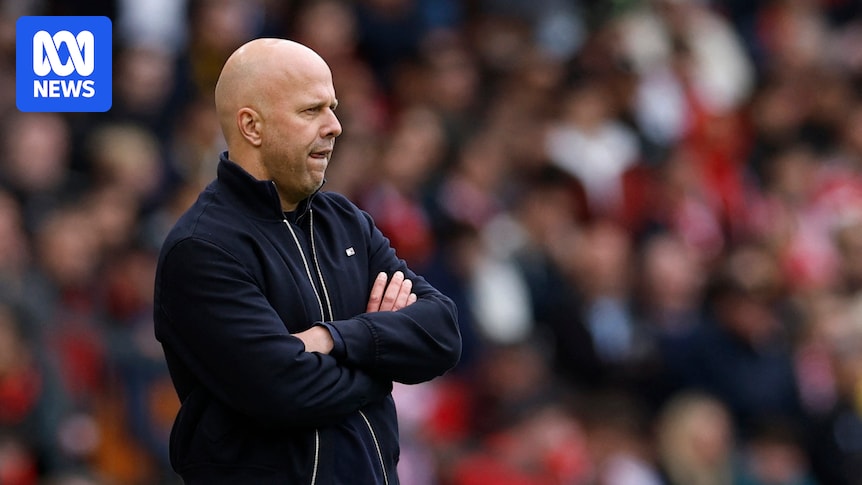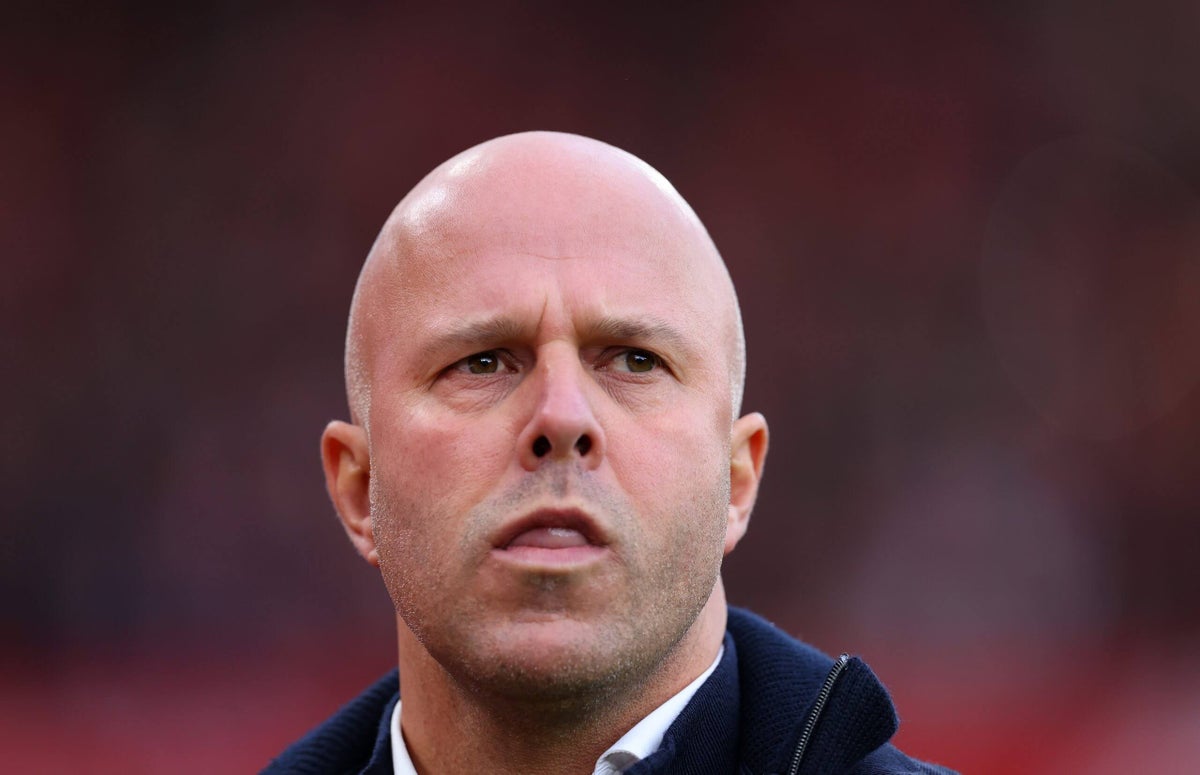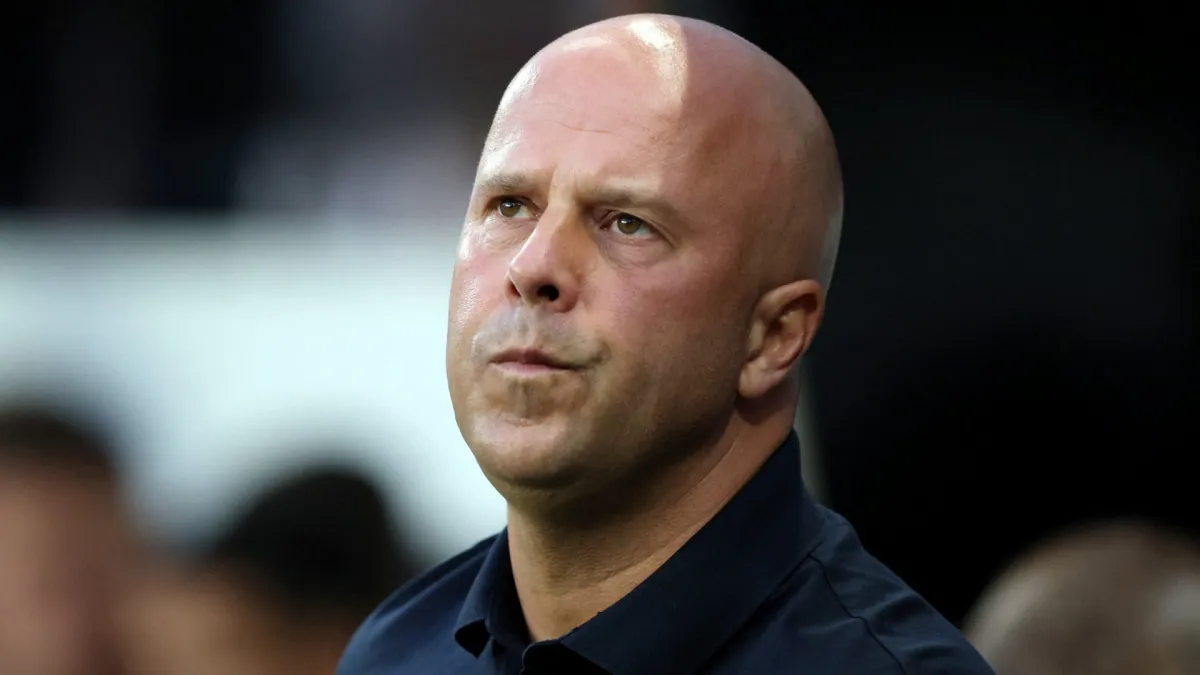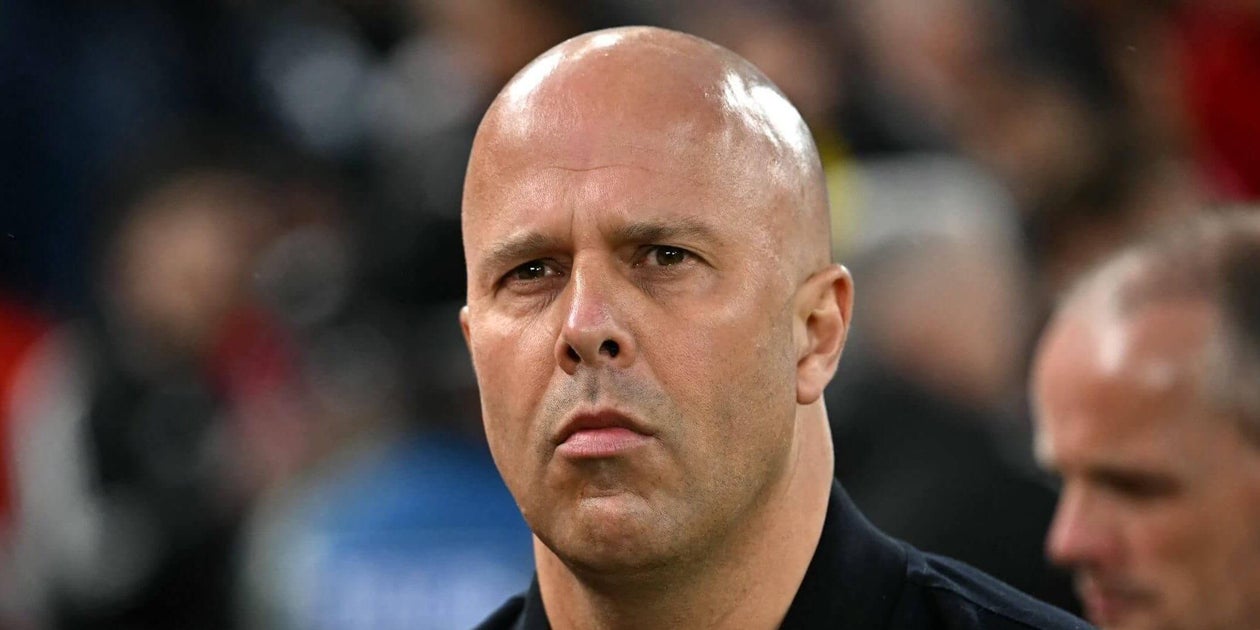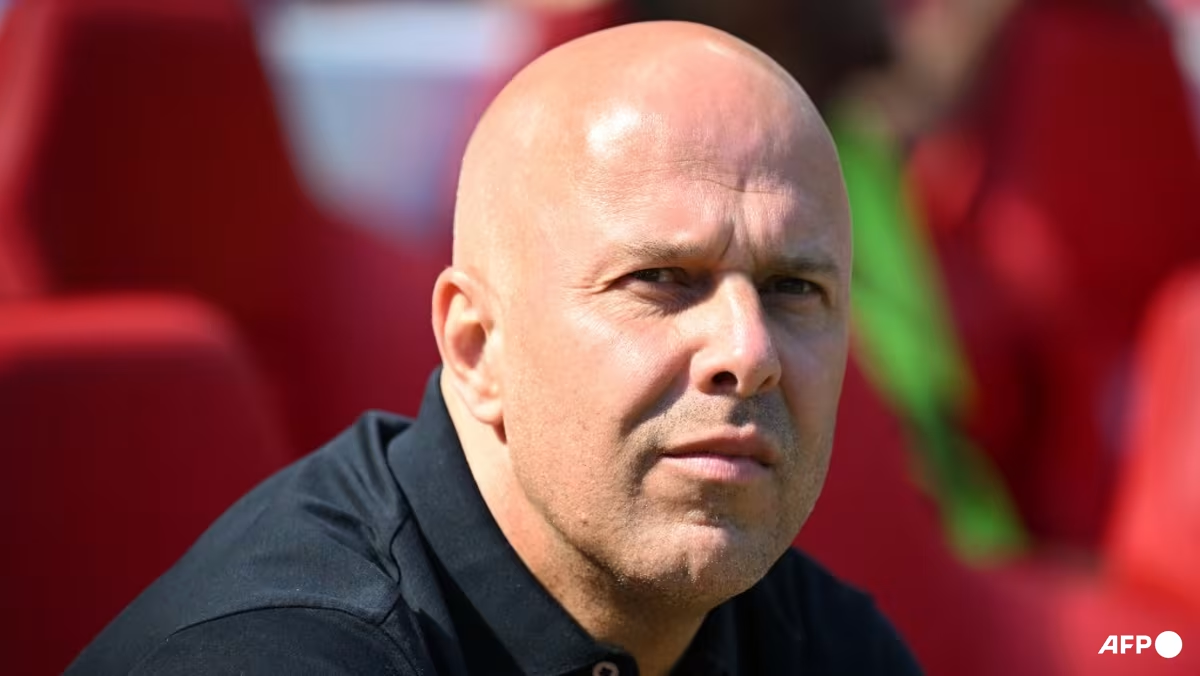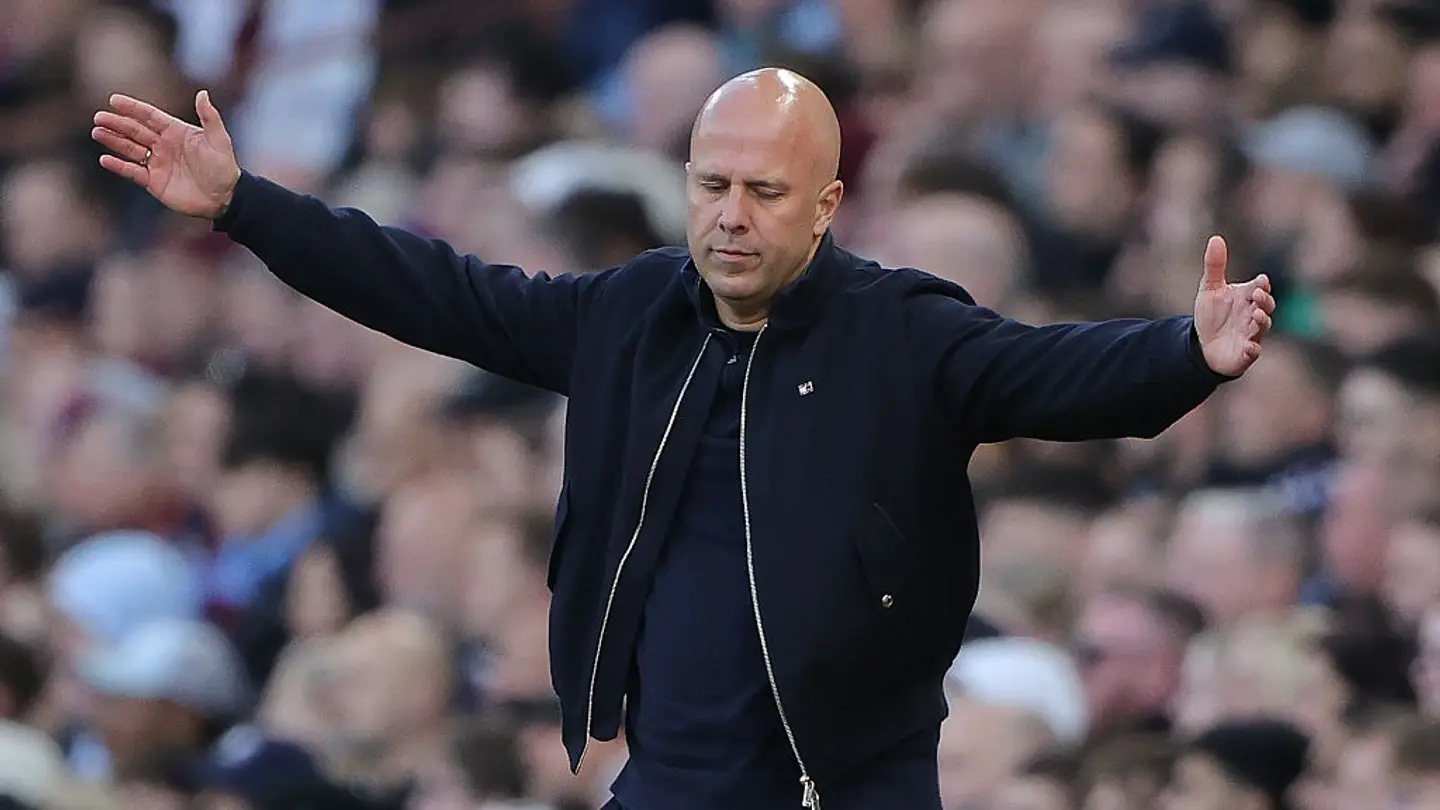
Arne Slot’s position as Liverpool manager became increasingly untenable as an utterly disastrous campaign progressed. One week after the season’s finale, the club’s decision-makers concurred. After winning the Premier League title during his debut year at the helm, Slot has now been fired by the Reds as performances and, most crucially, results nosedived. A campaign in which the club finished without silverware and merely scraping qualification for the Champions League was unacceptable after last summer’s colossal spend. Reports suggested Liverpool were set to retain faith in Slot despite a dismal term, but the intensifying scrutiny left them with only one palatable decision. In the end, the Dutchman can have few complaints about his dismissal. Here are four key factors behind Liverpool firing Slot. Embarrassing DefeatsLiverpool have suffered some chastening losses. | Catherine Ivill/AMA/Getty ImagesFor only the second time in the Premier League era and first since the competition’s inaugural campaign, Liverpool suffered 20 defeats across all competitions. Understandably for a club of their stature, that’s wholly unacceptable, but it’s the manner of many of those losses that proved particularly damning for Slot. A quarter of the season’s defeats came by three or more goals, including humiliating moments at the hands of Nottingham Forest, PSV Eindhoven and Crystal Palace. Seven defeats arrived without Liverpool even scoring, nine involved the Reds conceding three or more times and five were losses suffered in stoppage time. Such a large sample size of embarrassment painted an incredibly ugly picture, Liverpool not only swept aside by Europe’s behemoths, but comfortably overcome by the Premier League’s middle class, too. Loss of IdentitySlot has struggled establishing an identity. | Robbie Jay Barratt-AMA/Getty ImagesWhat made Liverpool such a devastating side under Jürgen Klopp was their gegenpressing philosophy. Intensity was always king. However, the Reds have lost that offense-first mentality under Slot, the measured approach taken in his first campaign becoming increasingly pedestrian with each passing week. Liverpool are a club renowned for aesthetically pleasing soccer, supported by fans who demand attacking intent and a never-say-die attitude. A team that was built around work ethic and selflessness transitioned into a technically proficient outfit scared to be physical. Naturally, Liverpool were straightforward to play against last season, their misfiring defense left exposed by a soft center and apathetic forward line out of possession. A lack of pressure and intensity ensured that opponents—no matter their level—could slice through the Reds with alarming ease. Players RegressingToo many players got worse under Slot. | Simon Stacpoole/Offside/Getty ImagesSlot’s reinvention of Ryan Gravenberch in his debut season proved key to Liverpool winning the Premier League title, and offered reassurance of his ability to develop individuals. However, that transformation has proven an outlier, the majority of the club’s players actually regressing under his tutelage. Dominik Szoboszlai is the only Liverpool player who notably improved upon last term’s performances in 2025–26—when Slot was not attempting to shoehorn him in at right back, of course. In the case of Alexis Mac Allister, Mohamed Salah, Ibrahima Konaté and Cody Gakpo, there were sizeable drop-offs in standards. Not only did Liverpool’s established squad members struggle, their new signings floundered with Slot at the helm. Hugo Ekitiké was the only success story from a chastening campaign, Slot unable to maximize the potential of Florian Wirtz, Alexander Isak, Jeremie Frimpong and, for the most part, Milos Kerkez. Supporter BacklashThe Anfield faithful had grown weary of dismal displays. | Alex Pantling–UEFA/UEFA/Getty ImagesSlot faced the unenviable task of re-galvanizing Liverpool on the field before his departure, but the assignment of winning back supporters appeared impossible. Even the most ardent and loyal Slot sympathizers had run out of excuses come the campaign’s conclusion. The social media battleground was brimming with demands for a change in direction, Liverpool supporters unanimous in their overwhelming frustrations. Disgraceful results were hard to ignore, but it was the uninspiring and insipid performances that ultimately turned a sour situation into a toxic crisis. Fans were not alone in their anger. Salah’s not-so-subtle social media dig at Slot shortly before his exit lambasted the club’s playing style, and was liked by a wide number of his Liverpool teammates. When the dressing room and fanbase turn against you, there’s nowhere to hide. READ THE LATEST LIVERPOOL NEWS, ANALYSIS AND INSIGHT FROM SI FCAdd us as a preferred source on GoogleFollow
The Four Reasons Why Liverpool Fired Arne Slot
Liverpool are now on the search for Arne Slot’s successor.
716 words~3 min read