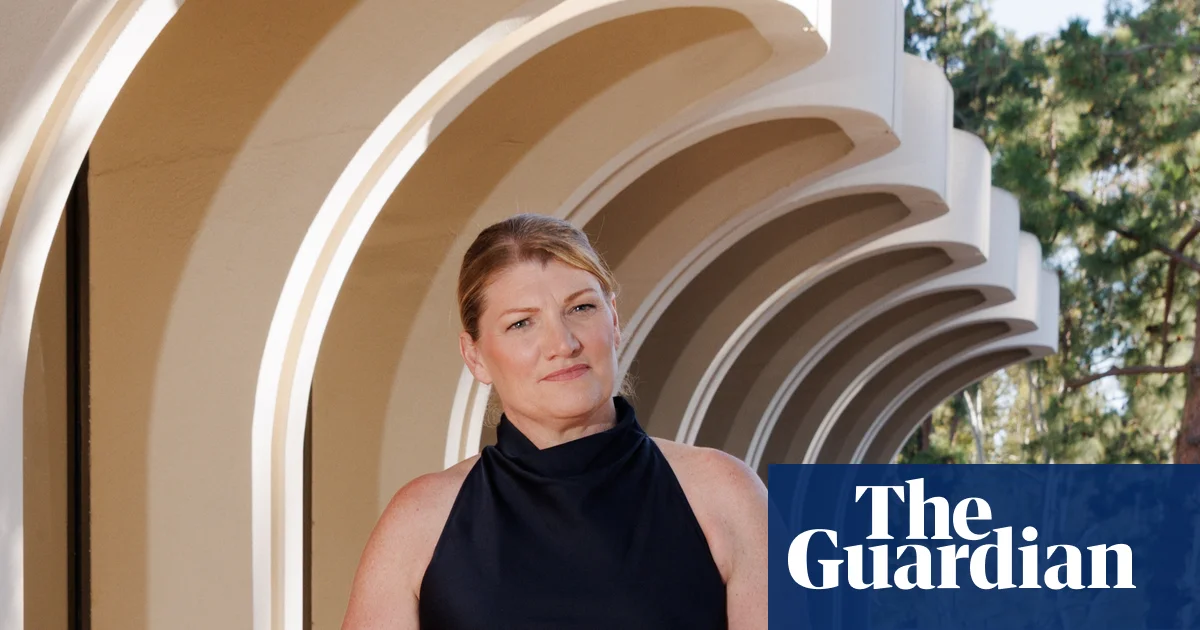
Bans on teenagers' social media use are gathering pace worldwide. Their proponents claim that social media bans will improve young people's mental health, but what evidence supports these claims? In their new Frontiers in Developmental Psychology article, Dr. Monika Neff Lind and her co-authors argue that there is no solid scientific evidence behind these bans, and reason to believe they could backfire.
In this guest editorial, Neff Lind explains why she and her colleagues doubt that social media bans will work, and how bans should be evaluated to determine whether they have any positive effects.
In December 2025, Australia banned young people under 16 from having social media accounts. France, Greece, Spain, Denmark, Malaysia, Norway, India, Egypt, Canada, Türkiye, and the United Kingdom are hot on their heels. French president Emmanuel Macron said, "Banning social media for those under 15: this is what scientists recommend."
American senator Brian Schatz, author of the Kids Off Social Media Act, said, "Studies have revealed that when children and teens reduce or eliminate exposure to social media for longer than a month, their mental health benefits." Proponents of youth social media bans claim that we have strong scientific evidence showing that bans will improve teenagers' well-being.