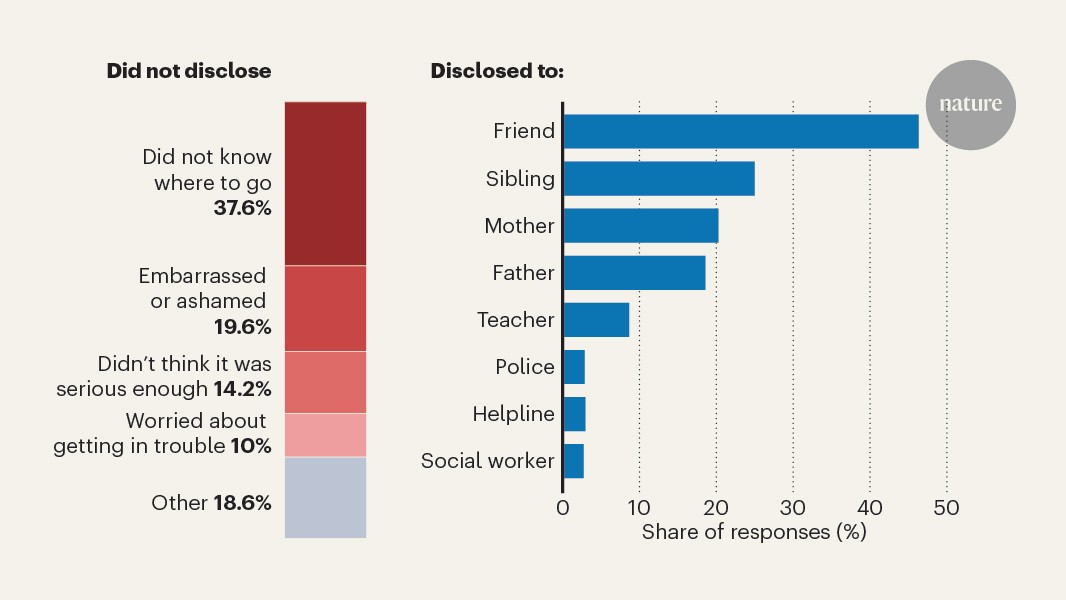
A new study from researchers at the Child Mind Institute finds that negative online experiences are common among children and adolescents with mental health and neurodevelopmental conditions, and that most incidents are not reported through platform reporting tools.
Published in JAACAP Open, the study examined negative online experiences among 1,009 youth ages 9 to 15 with a history of mental health or neurodevelopmental concerns, all of whom were current or previous participants in the Child Mind Institute's Healthy Brain Network.
More than one in four reported at least one negative online experience in the past year. Among those who had such an experience, nearly 69% reported multiple incidents, yet only 20% reported the incident through platform reporting tools.
The study defined "negative online experiences" as any unwanted or uncomfortable experiences while online, including cyberbullying, cyberstalking, doxxing, impersonation, sexual harassment, and related forms of digital harm.
The research used a mixed-methods design, combining a quantitative survey with an in-depth qualitative follow-up involving a three-day moderated online bulletin board with a subset of participants.