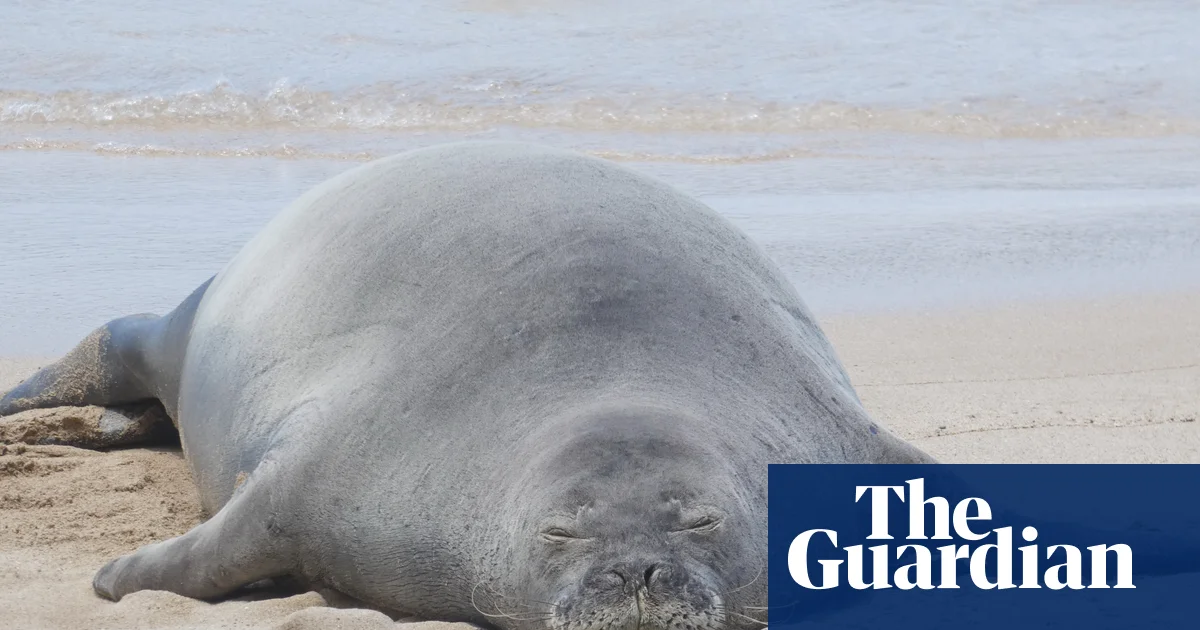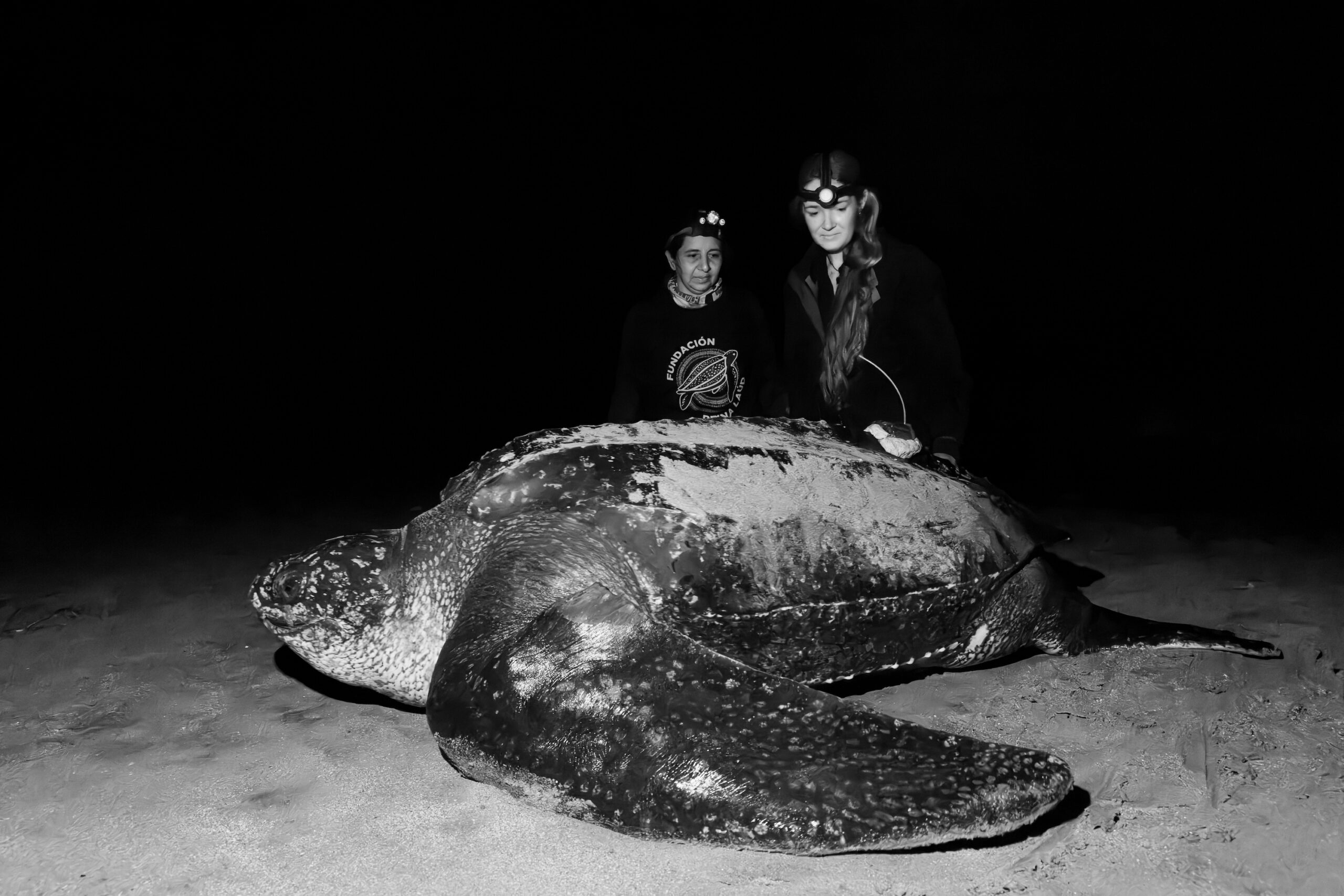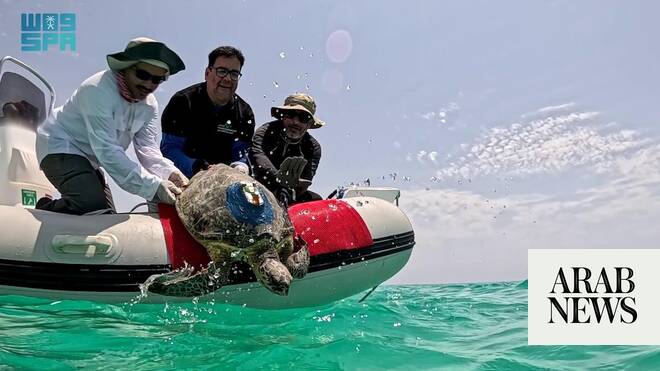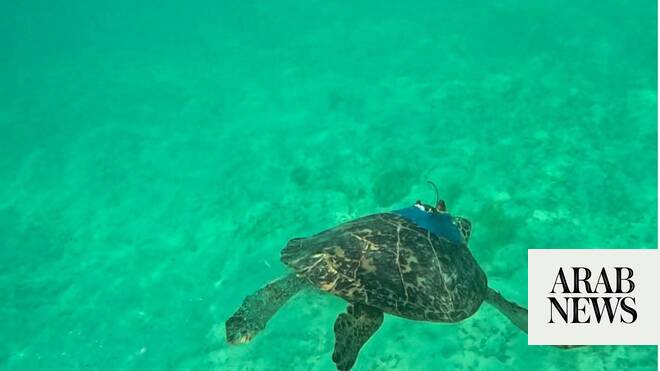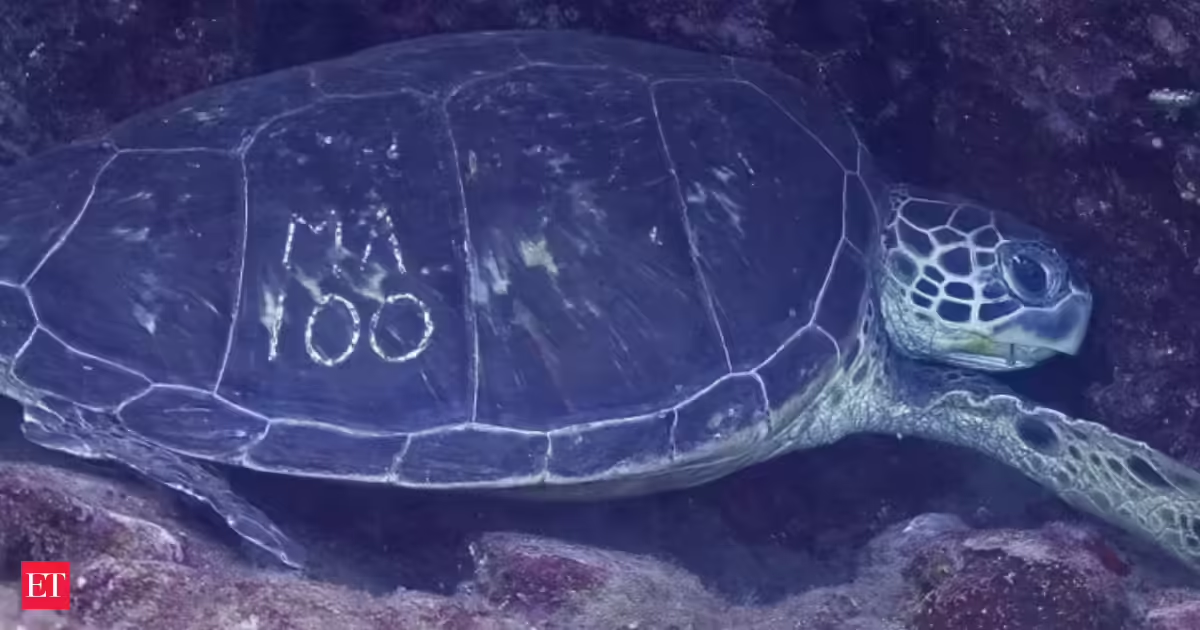
A few years ago, beachgoers in Hawaii began noticing something strange. White letters and numbers were engraved on the shells of sea turtles swimming along the coast. Some were frightened. They figured someone had tagged the turtles with graffiti and began filing reports.They didn't know the markings had been placed there by federal scientists. NOAA biologists had been using a small rotary tool, like the ones used by nail technicians, to painstakingly etch alphanumeric codes onto turtle shells to track turtle migration. The etchings were then painted white for visibility from a distance. It’s a painless process that’s been around for decades, and, according to NOAA, many turtles sleep through it.But NOAA didn’t just issue a press release and leave it at that. They did something smarter. They turned that public concern into a citizen science program.Image Credits: Laura Jim/Courtesy Brittany Clemans| A community sighting of honu H100, submitted as part of NOAA's citizen science tracking program.Meet the honuGreen sea turtles are known as honu in Hawaii. They are more than just wildlife. They are part of Hawaiian history and culture.Honu are migratory, traveling hundreds or thousands of miles between foraging areas and nesting beaches. Over 95% of the Hawaiian green sea turtle population nests in the French Frigate Shoals in Papahānaumokuākea Marine National Monument.Honu populations were severely depleted following an unsustainable commercial harvest of adults and eggs for human consumption. Honu was not observed nesting in the main Hawaiian Islands by the mid-1900s, and was listed as endangered under the Endangered Species Act in 1978.Today, they remain a threatened species, and protecting them is an ongoing effort.Image Credits: NOAA Fisheries | Field scientist Jan Willem Staman etches a tracking code onto a green turtle's shell at French Frigate Shoals.600 people, one common goalNOAA established the Honu Count in 2017, a community-based program that encourages locals and visitors to report sightings of turtles with white alpha-numeric etchings on the right side of their shells. Participants simply keep a respectful distance, take a photo, record the date, time and location and upload it to NOAA’s sighting survey.The results have been simply amazing. Since it was launched, about 600 people have reported 688 sightings of 253 individual turtles. That’s not just a nice feel-good stat; it’s data that’s actively shaping conservation policy.Wildlife biologist Brittany Clemans used the crowdsourced data to help define the boundaries of the species’ protected habitat. Community observations helped pinpoint the areas where honu spend the most time foraging, making it easier for officials to focus protection efforts where they can have the greatest impact.Why science needs regular peopleThis is not an isolated incident. There is more and more evidence that community science programs work.Image Credits: Catelyn Coats/Courtesy Brittany Clemans | A honu with etching MA100 photographed by a Honu Count participant.According to a peer-reviewed study published in BMC Ecology and Evolution, which analyzed sea turtle sightings from a citizen science project in Taiwan, crowdsourced science, which uses the internet to collect data, can be an important contribution to scientific goals and can also benefit society and public education. The study showed that citizen participation helped to identify important foraging hotspots that would have been difficult to identify at the same scale with traditional field research alone.Closer to home, a study on citizen science and sea turtle research in the Gulf of California published in Peer J suggests that the presence of green turtles and other protected species in highly populated areas provides excellent opportunities to educate beachgoers and seafarers about conservation, and highlights the value of citizen-based science in areas where traditional research faces limitations.In short, more eyes on the water means better science, and better science means better protection.What it means for the rest of usYou don't have to live in Hawaii to get something from this story. From Florida’s beaches to the Gulf Coast across the U.S., sea turtles face threats from coastal development, climate change, entanglement in fishing gear and ocean pollution. Many of the same forces that threaten the honu are at work closer to home.Image Credits: NOAA Fisheries/Camryn Allen| Honu with shell etchings basking at Laniākea Beach on Oʻahu's north shore. The Honu Count shows that when scientists welcome the public in, rather than keeping them at arm’s length, something real can happen. Confusion becomes curiosity. Concern turns into contribution.So, the next time you’re in Hawaii, and you see a turtle with white markings on its shell, you know exactly what to do and why it’s so important.
Hawaiians spotted sea turtles with mysterious 'graffiti' on their backs, and it sparked a 600-person mission to save the species
Hawaii's Honu Count harnesses citizen science to track endangered green sea turtles, promoting conservation efforts and engaging the public in important ecological monitoring.
745 words~3 min read