The most expensive AI bug is not always a bad answer. Sometimes it is a good answer requested too many times, by too many people, with no limit in sight.
That is the quiet shift happening around AI products right now. Teams spent the last year asking whether the model was smart enough. The better question for 2026 is whether the product can survive real usage. If a company has to ration AI internally, if an app cannot explain which feature burned the token budget, or if a developer discovers runaway usage only after the invoice arrives, the AI feature is not production-ready yet.
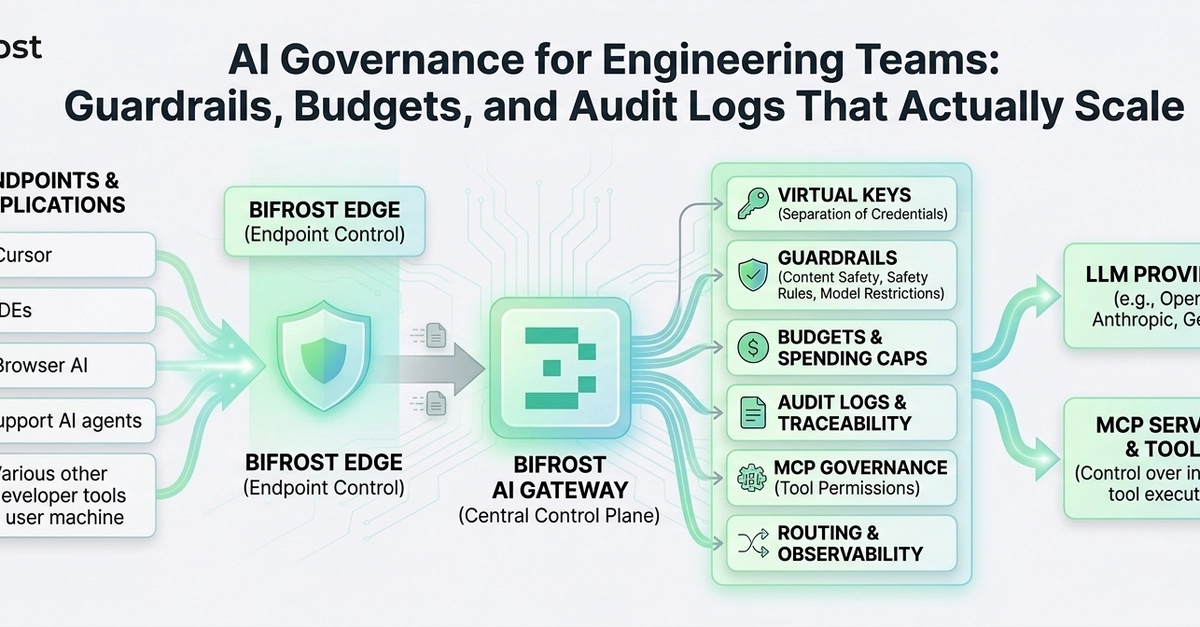
This is not a call to slow down. It is a call to build AI like software that has cost, failure modes, access levels, and operational boundaries. Usage limits are no longer an annoying pricing-page detail. They are part of the product experience.
The new AI failure mode is invisible spend
Traditional cloud costs usually leave clues. A database grows. A queue backs up. A deployment doubles traffic. LLM spend can hide inside normal behavior: a longer conversation, a bigger context window, an agent loop, a user pasting a 90-page document, or a background workflow that retries with a more expensive model.