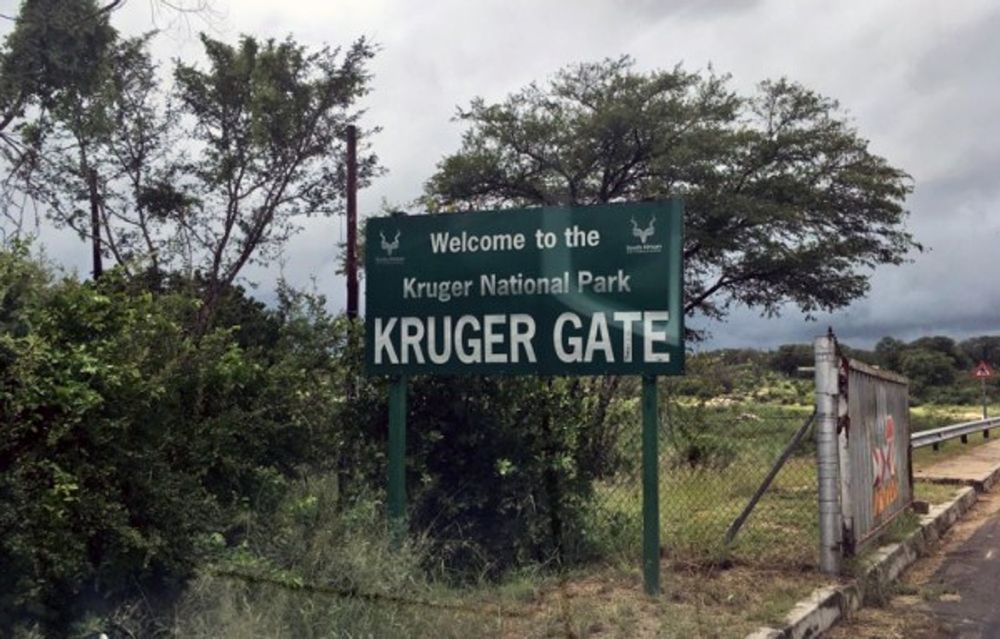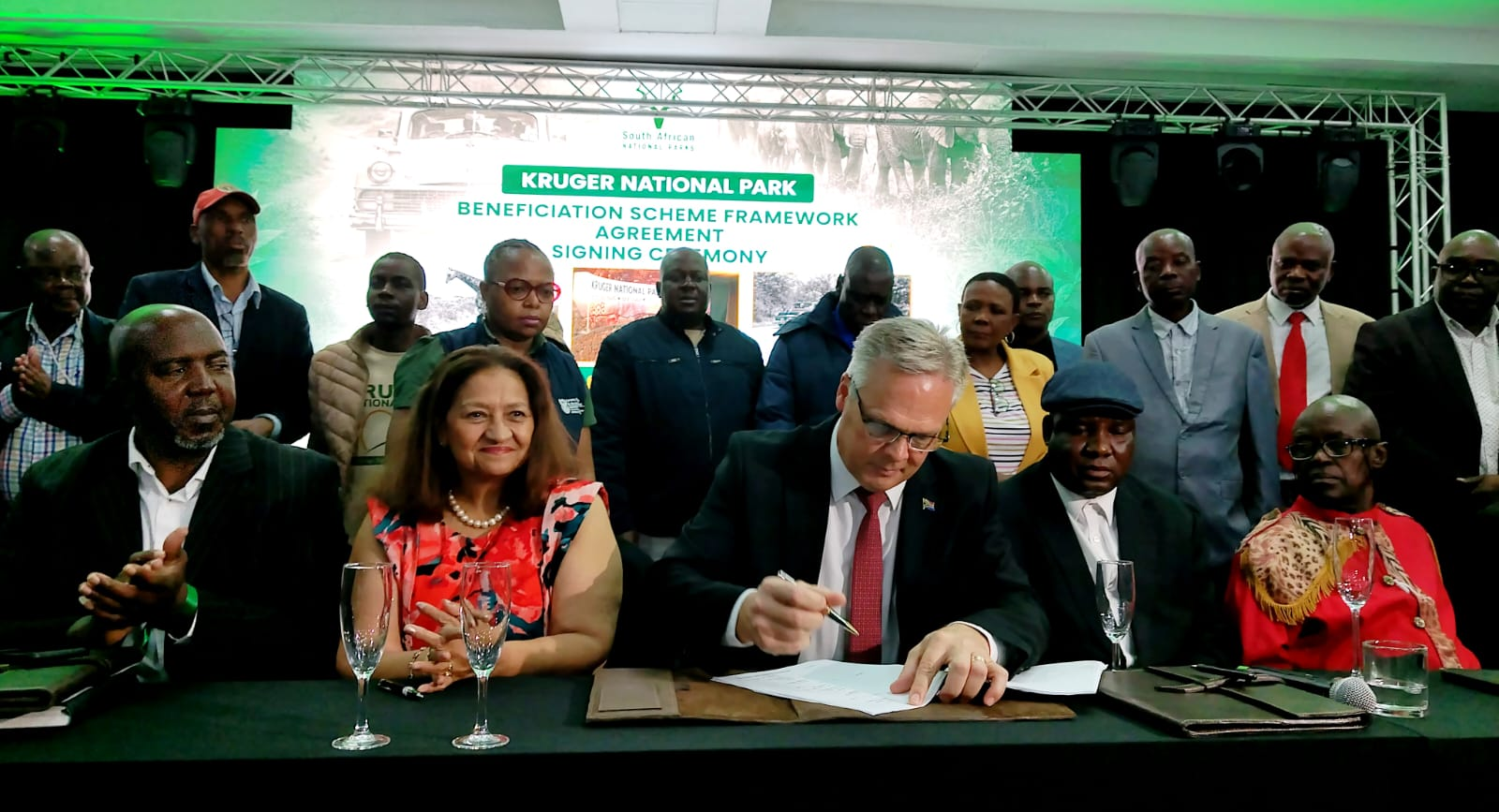
A gripping performance of the muchongolo traditional Tsonga dance, the ululating of women, thunderous applause from a delighted, predominantly rural audience, the beating of drums and a message-driven choral music rendition echoed through Kruger National Park’s Nombolo Mdhluli Conference Centre — named after a legendary ranger who worked at the globally acclaimed conservation area for 52 years.
For forestry, fisheries and environment minister Willie Aucamp, the historic occasion provided an opportunity to join in the Tsonga dance moves as South African National Parks (Sanparks) board member Rachel Nxele, chief executive Hapiloe Sello, land claims committee chairperson Chief Luvhuwani Matsila, traditional leaders and local communities celebrated the signing of the watershed beneficiation scheme framework agreement.
According to Sello, the signing on Friday of the sixth version of the post-democracy agreement, driven by principles of inclusive conservation, took 10 years to realise, requiring long working hours, sweat, sleepless nights and moments of frustration before the parties could reach the milestone.
So slow was the pace of achieving meaningful progress in negotiating a final deal among the parties that Sello likened years of delays to “grass in Kruger stopping growing because of the to-and-fro” — illustrating a decade-long state of indecision.