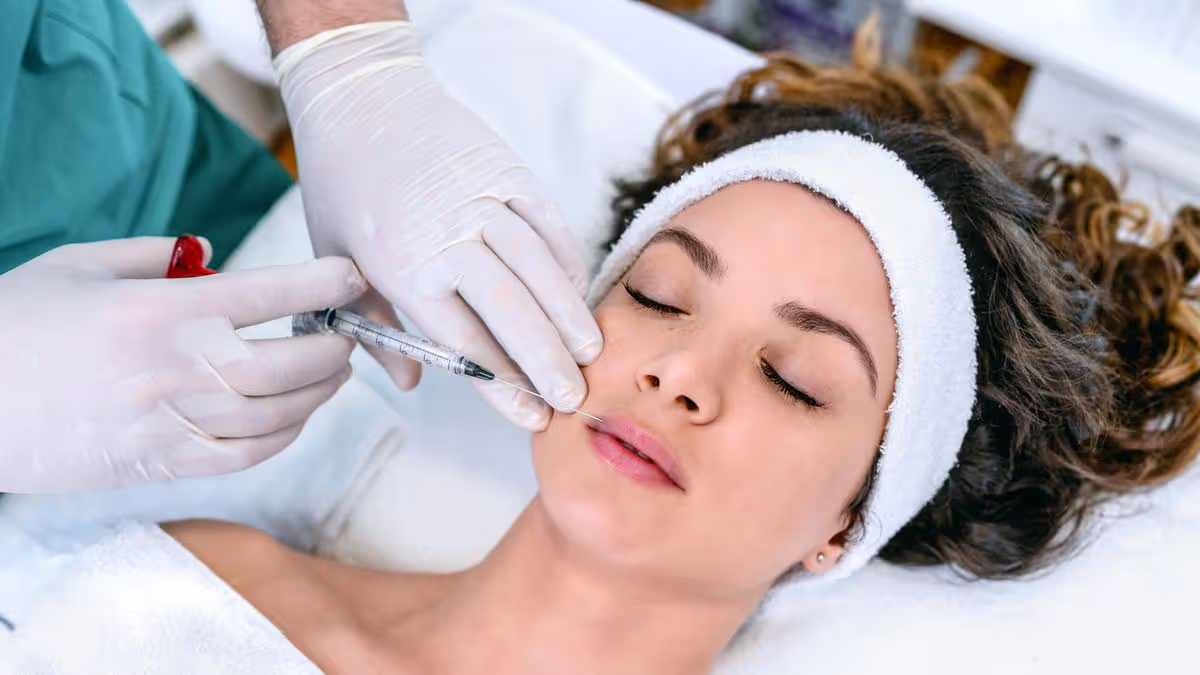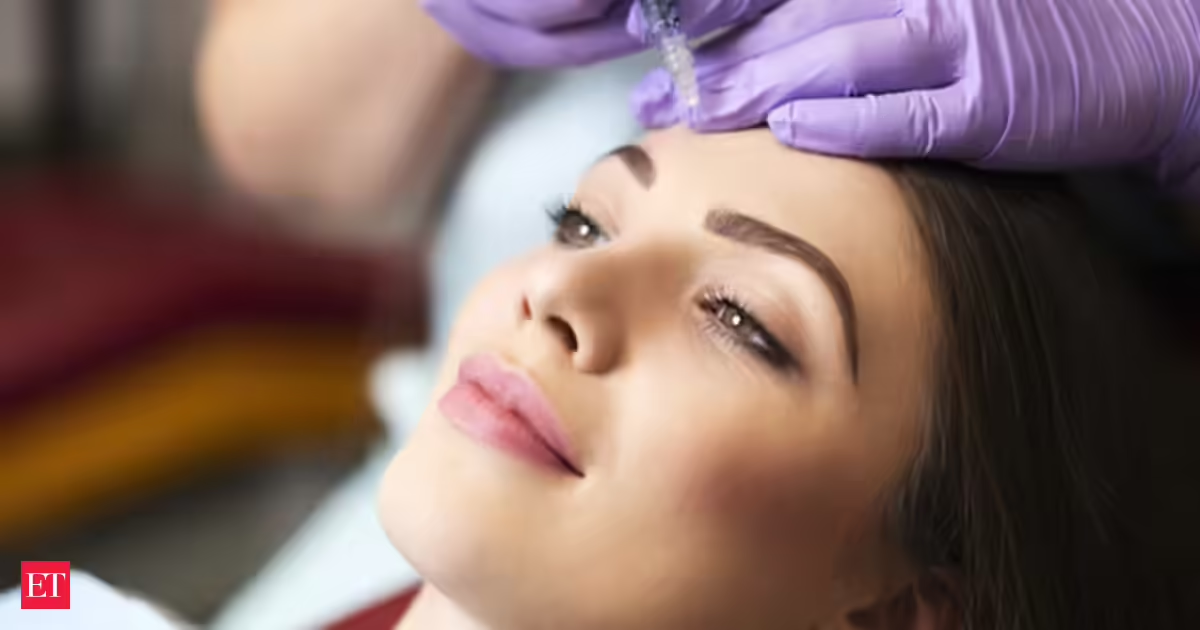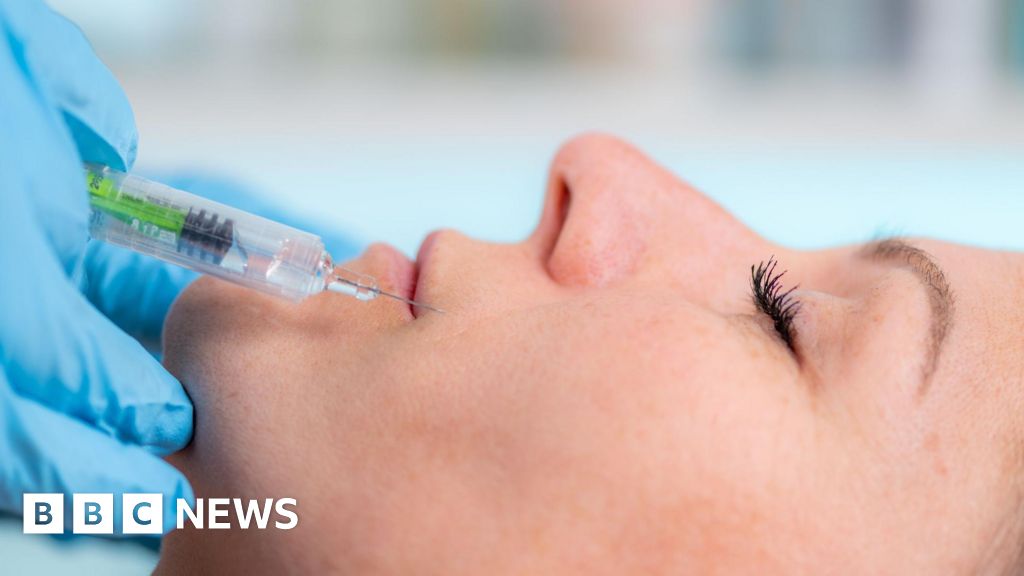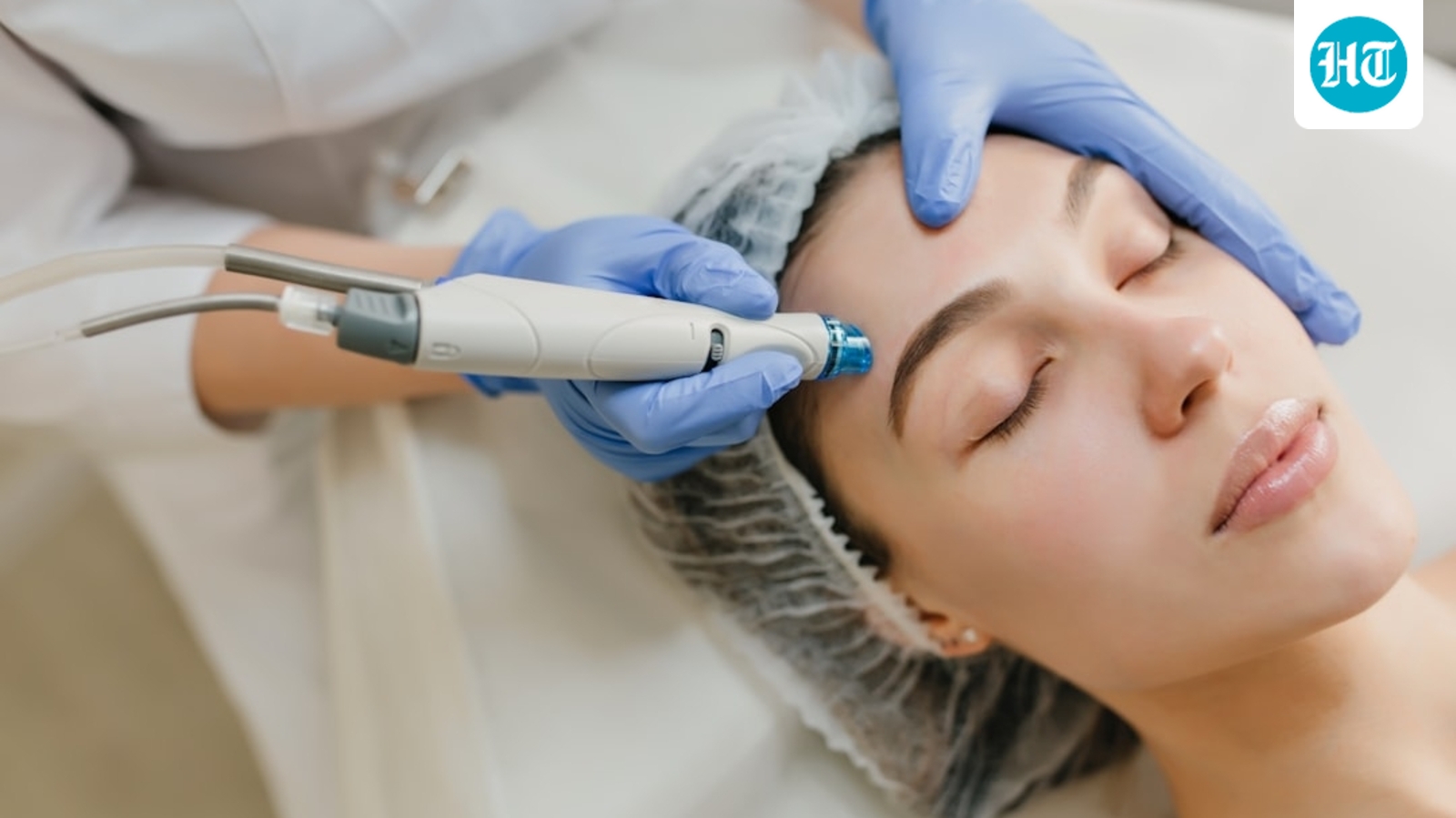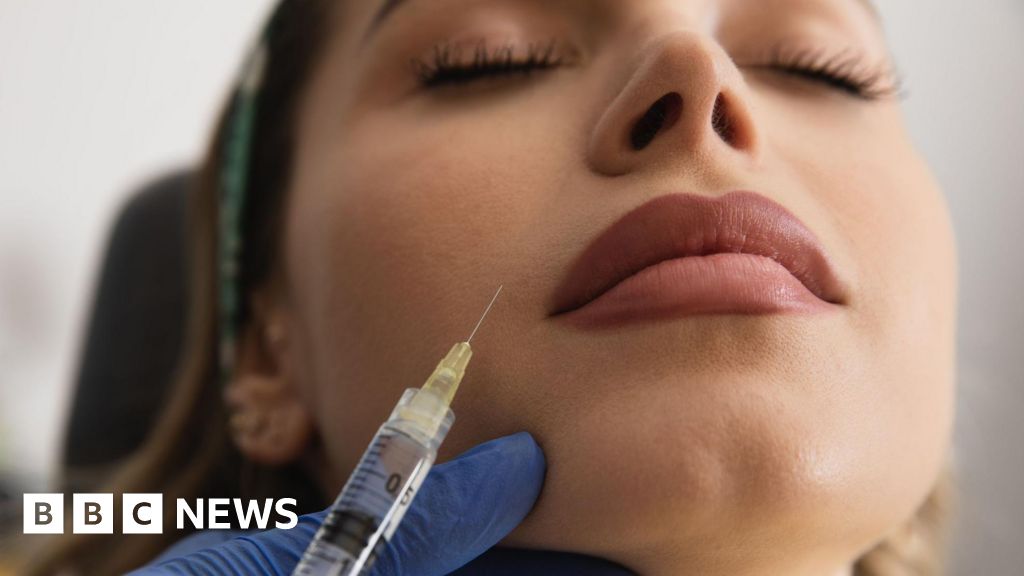
Dr Geetika Srivastava still remembers the patient who walked into her clinic with a granulomatous reaction ― formation of clusters of immune cells ― after an injectable treatment performed in a salon. “Adequate aseptic precautions were not followed,” says the Delhi-based dermatologist and founder of Influennz Skin & Hair Clinic, Hauz Khas. “What was meant to be a simple lunchtime procedure ended up leaving the patient with persistent bumps and inflammation for months.”This is not an isolated incident. In her decade-long aesthetic practice, Dr Geetika has treated innumerable patients who have presented with multiple complications after procedures performed without medical supervision. “I have seen infections, abscesses, asymmetry after injectables, drooping of eyelids after Botox, burns after laser procedures, and early vascular compromise after fillers,” she says, pointing out that the issue is not in the treatment itself but whether the person performing it understands facial anatomy, patient selection, asepsis, risk assessment, and, most importantly, complication management.“Aesthetic procedures may look simple on social media, but they are still medical procedures and should be approached with the same caution as any other medical treatment,” she firmly believes.
Why dermatologists are warning against salon botox, fillers, lasers and IV Drips
The CDSCO’s recent clarification that injectables do not qualify as cosmetics comes amid growing concern among dermatologists, who warn of burns, severe allergic reactions, botched fillers and even HIV risks linked to poorly regulated aesthetic procedures, now done in wellness centres, salons and even at home.
1,518 words~7 min read