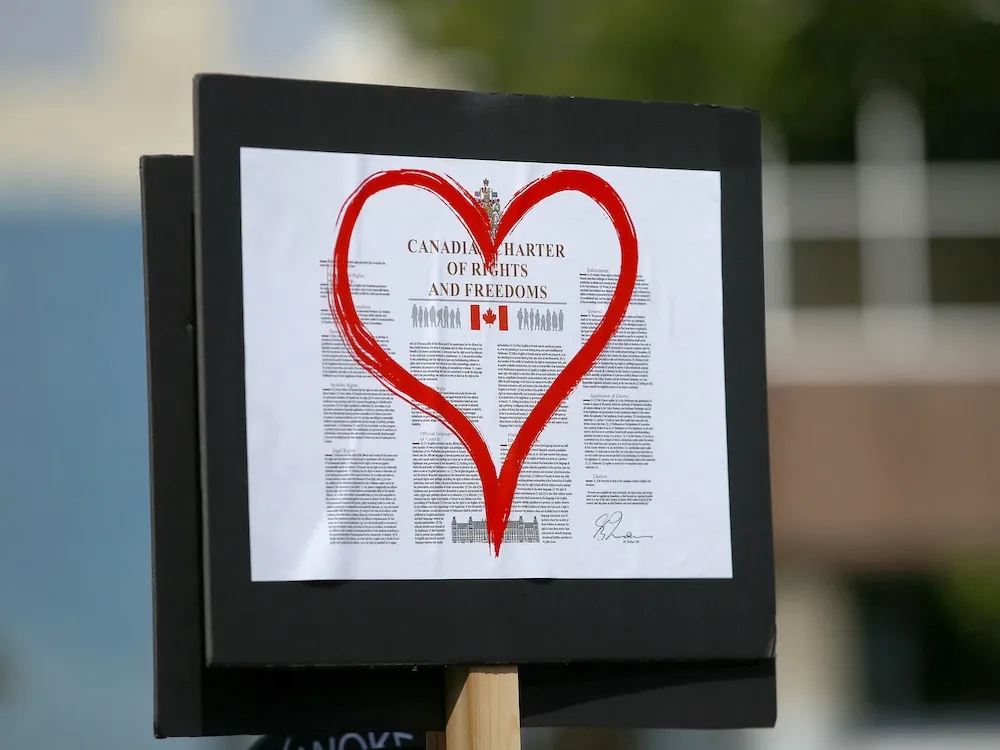
Skip to Content Subscribe Our Offers My Account Manage My Subscriptions FAQ Newsletters Canada Canadian True Crime Canadian Politics Health World Israel & Middle East Financial Post NP Comment Longreads Puzzmo Diversions Comics NP News Quiz New York Times Crossword Horoscopes Life Eating & Drinking Style Sponsored Play for Ontario Travel Travel Canada Travel USA Travel International Cruises Travel Essentials Culture Books Celebrity Movies Music Theatre Television Business Essentials Advice Lives Told Tails Told Shopping Buy Canadian Home Living Outdoor Living Tech Style & Beauty Kitchen & Dining Personal Care Entertainment & Hobbies Gift Guide Travel Guide Deals Savings National Post Store More Sports Hockey Baseball Basketball Football Soccer Golf Tennis Driving Vehicle Research Reviews News Gear Guide Obituaries Place an Obituary Place an In Memoriam Classifieds Place an Ad Celebrations Working Business Ads Archives Healthing Epaper Manage Print Subscription Profile Settings My Subscriptions Saved Articles My Offers Newsletters Customer Service FAQ Newsletters Canada World Financial Post NP Comment Longreads Puzzmo Diversions Life Shopping Epaper Manage Print Subscription HomeNP CommentConrad Black: Liberals unfairly target religious expressionBill C-9 in urgent need of refinementLast updated 16 hours ago You can save this article by registering for free here. Or sign-in if you have an account.A sign showing the Canadian Charter of Rights and Freedoms is shown during a rally at Central Memorial Park in downtown Calgary on Saturday, September 18, 2021. Jim Wells/PostmediaBill C-9, the Combating Hate Act, which passed the House of Commons this spring has been controversial because of widespread fears that its broad definitions of hate speech and intimidation threatened fundamental democratic rights. Almost everybody opposes incitement to group hatred but almost everybody also supports the widest definition of freedom of human conduct that does not lead to chaos or promote or defend sociopathic behaviour. Opponents of C-9 are particularly concerned at the removal from the Criminal Code’s protection of people acting in good faith in reciting religious texts that could be construed as incitements to hate, even if unintentionally.Enjoy the latest local, national and international news.Exclusive articles by Conrad Black, Barbara Kay and others. Plus, special edition NP Platformed and First Reading newsletters and virtual events.Unlimited online access to National Post.National Post ePaper, an electronic replica of the print edition to view on any device, share and comment on.Daily puzzles including the New York Times Crossword.Support local journalism.Enjoy the latest local, national and international news.Exclusive articles by Conrad Black, Barbara Kay and others. Plus, special edition NP Platformed and First Reading newsletters and virtual events.Unlimited online access to National Post.National Post ePaper, an electronic replica of the print edition to view on any device, share and comment on.Daily puzzles including the New York Times Crossword.Support local journalism.Create an account or sign in to continue with your reading experience.Access articles from across Canada with one account.Share your thoughts and join the conversation in the comments.Enjoy additional articles per month.Get email updates from your favourite authors.Create an account or sign in to continue with your reading experience.Access articles from across Canada with one accountShare your thoughts and join the conversation in the commentsEnjoy additional articles per monthGet email updates from your favourite authorsSign In or Create an AccountorThe Canadian Civil Liberties Association (CCLA) and other civil rights advocates have expressed concern that the definitions of intimidation and obstruction in the bill are so broad that peaceful and otherwise irreproachable protesters may be subject to severe prosecution for hate crimes just for assembling near places of worship or other sites for demonstrations. Another delicate point is the extension of increased discretionary power to police by adopting a threshold for what amounts to the incitement or expression of hate. There is particular concern over the bill’s proposed removal of the requirement of the attorney general of the province to consent to a prosecution. It is certainly understandable that many reasonable groups would have serious reservations about leaving this power exclusively up to the police and neither the bill nor the official explanations of it give a remotely satisfactory justification for unleashing the police to indict whomever they wish.This newsletter from NP Comment tackles the topics you care about. (Subscriber-exclusive edition on Fridays)By signing up you consent to receive the above newsletter from Postmedia Network Inc.We encountered an issue signing you up. Please try againThis concern has been particularly emphasized by Indigenous and some other racially identified communities. On this point we see the classic abrasive intersection of those who fear themselves oppressed and harassed by hate-mongers and those who self- righteously claim mistreatment and are fearful of being deprived of an adequate level of energetic protest. Many conservative politicians and centrist and conservative organizations object that the government is arbitrarily attempting to define what constitutes acceptable ideas and speech and that it is infringing on freedoms guaranteed by the Canadian Charter of Rights and Freedoms and the fundamental areas of liberty of expression. They fear that the effect of adoption and enactment of this bill, whether intended or otherwise, will be improperly to subdue legitimate debate.The Canadian Civil liberties Association notes that “antisemitism, Islamophobia, and racism are on the rise.” Certainly, antisemitism is on the rise, and militant Islam has a good deal to do with that. It is not as obvious that other forms of racism are in fact increasing in their extent or intensity in this country, and to some extent, the disgusting increase in antisemitic activity is being masked behind a mistakenly perceived antagonism to various minority groups. Jews are the chief victims, and other minorities, including Indigenous people, have not been unsympathetically treated. Canada has shown Job-like patience in tolerating the defamation of our founding European peoples and the demonization of the chief founder of this country, John A. Macdonald, (who also accorded the Indigenous the right to vote, among many other munificent acts).The CCLA certainly supports protection for all legitimately concerned groups but debunks Bill C-9 handing “the government a blunt instrument that history tells us will be turned against the very people it is supposed to help.” The CCLA purported to speak for more than 40 organizations representing various different communities united by their concern about the pending legislation. It demands that language be made much more precise to prevent the capricious and unjust criminalization of peaceful protests and the gagging of legitimately if unrepresentative expression. It chastised the relevant parliamentary committee for making no serious effort to improve the bill and in fact worsening it by striking out the Criminal Code’s deference to the excuse of good faith recitation of acceptable if aggressive religious opinions. The CCLA makes the excellent point that any legal changes that affect freedom of expression do deserve careful consideration and that the government failed in this duty by forcing an over-hasty procedure of approval at committee stage.The CCLA accurately couches the problem: “Punitive laws that criminalize expression don’t stop hatred; they hand governments a tool that, time and again, gets used against Indigenous peoples, racialized communities, protesters and dissidents.” That is essentially correct as far as it goes, but it does not specifically address the problem of how to defend those groups that are in fact victims of deliberate incitements to hatred and potential violence and intimidation. The Canadian Labour Congress, which is far from a constant source of enlightened public policy proposals, makes the point that “Canada already has criminal offences in place to combat hate like mischief, intimidation, and harassment.” It accuses the bill of threatening “labour rights, fundamental freedoms, the right to protest, and public accountability,” with its proposal for three new crimes: hate crime, for when an offence has been “motivated” by hatred, intentionally instilling fear to impede access to protected places like houses of worship, and the banning of inflammatory symbols like Nazi insignia. Bill C-9 also gives the statutory definition of hatred as an emotion involving “detestation or vilification” that is stronger than disdain or dislike.This bill does need refinement. Traditional good faith religious exhortations should be permitted as long as they are not misused to incite illegal activity; and the requirement of approval by authentic prosecutors before indicting people for criminal offences subject to lengthy imprisonment should be restored. If policemen were prosecutors, we could dispense with the courts. It should not be beyond the wit of our legislators to distinguish between expressions of dislike, and the incitement of hateful acts against racial and sectarian groups. And the fact that all deserve to be protected should not be used to disguise the fact that in contemporary Canada the ancient and talented race and denomination of Judaism has been uniquely and disgracefully victimized by the infamous behaviour that this proposed statute is designed to deter and to punish.National Post Get the latest from Conrad Black straight to your inbox Join the Conversation This website uses cookies to personalize your content (including ads), and allows us to analyze our traffic. Read more about cookies here. By continuing to use our site, you agree to our Terms of Use and Privacy Policy.
Conrad Black: Liberals unfairly target religious expression
Bill C-9 in urgent need of refinement
1,496 words~7 min read