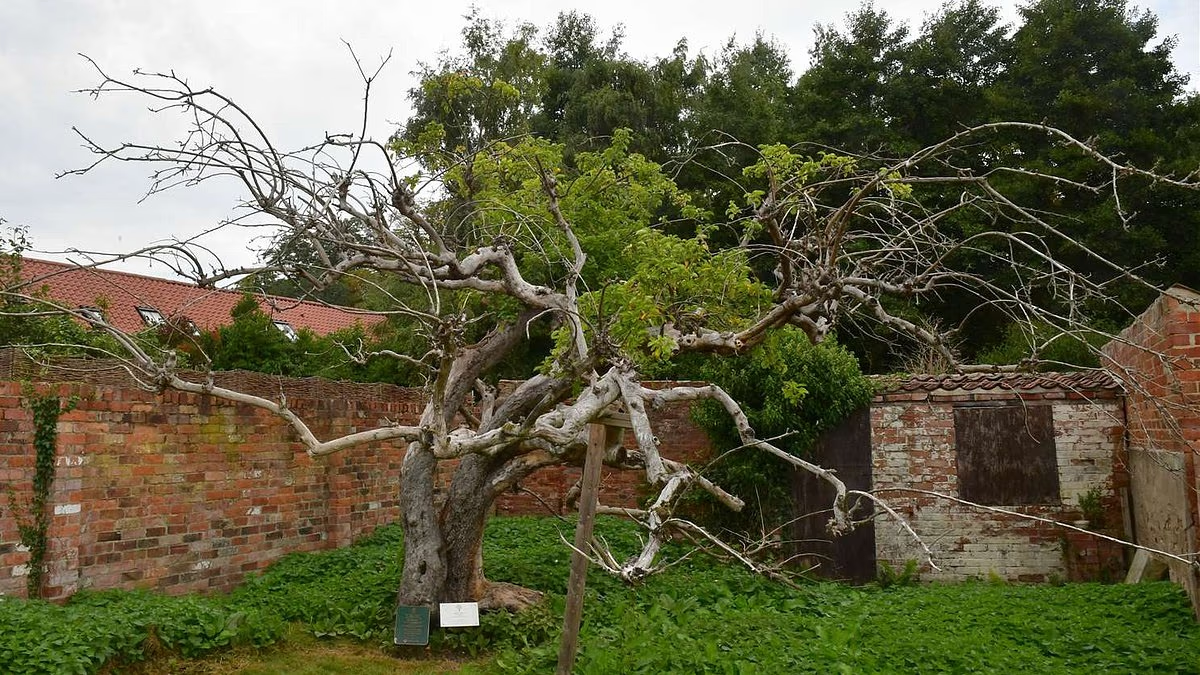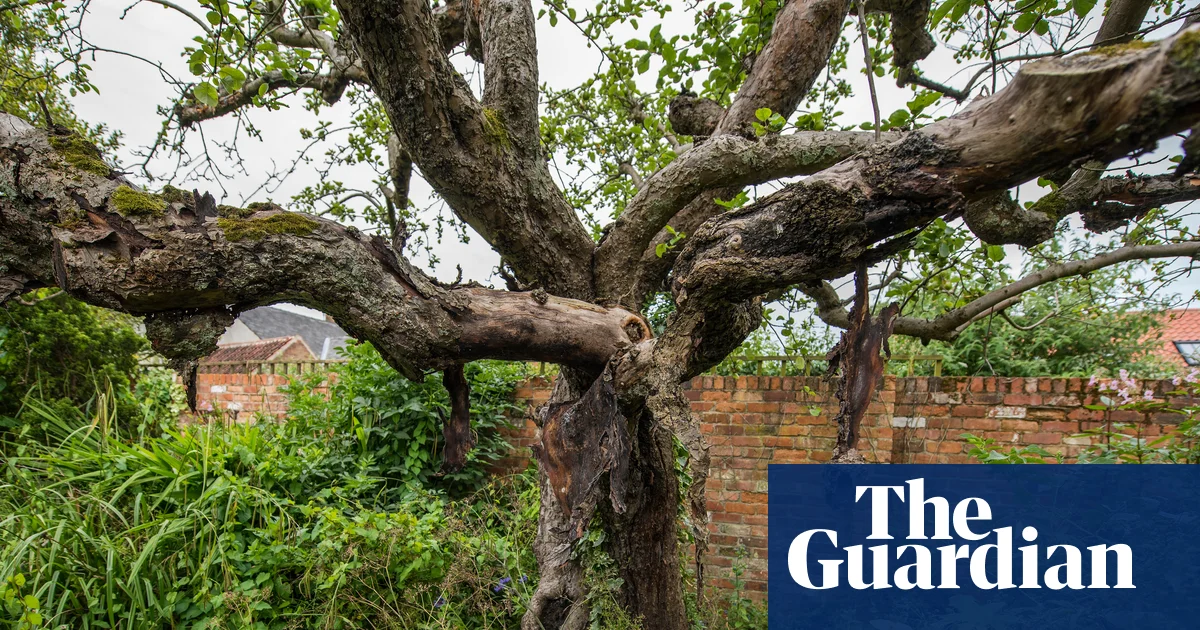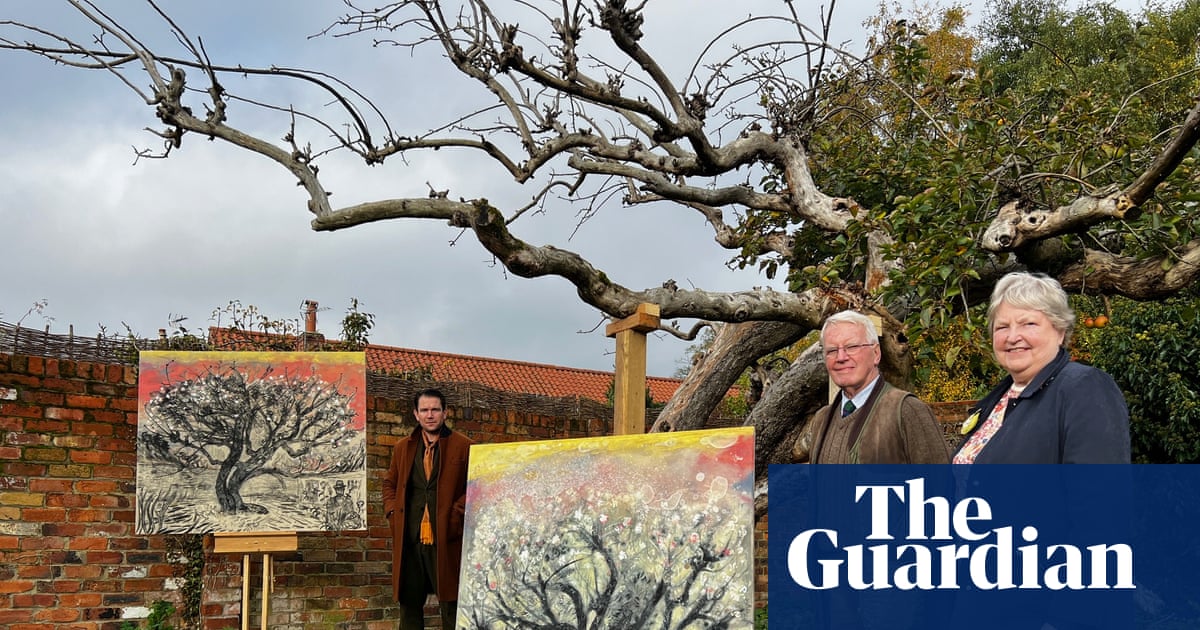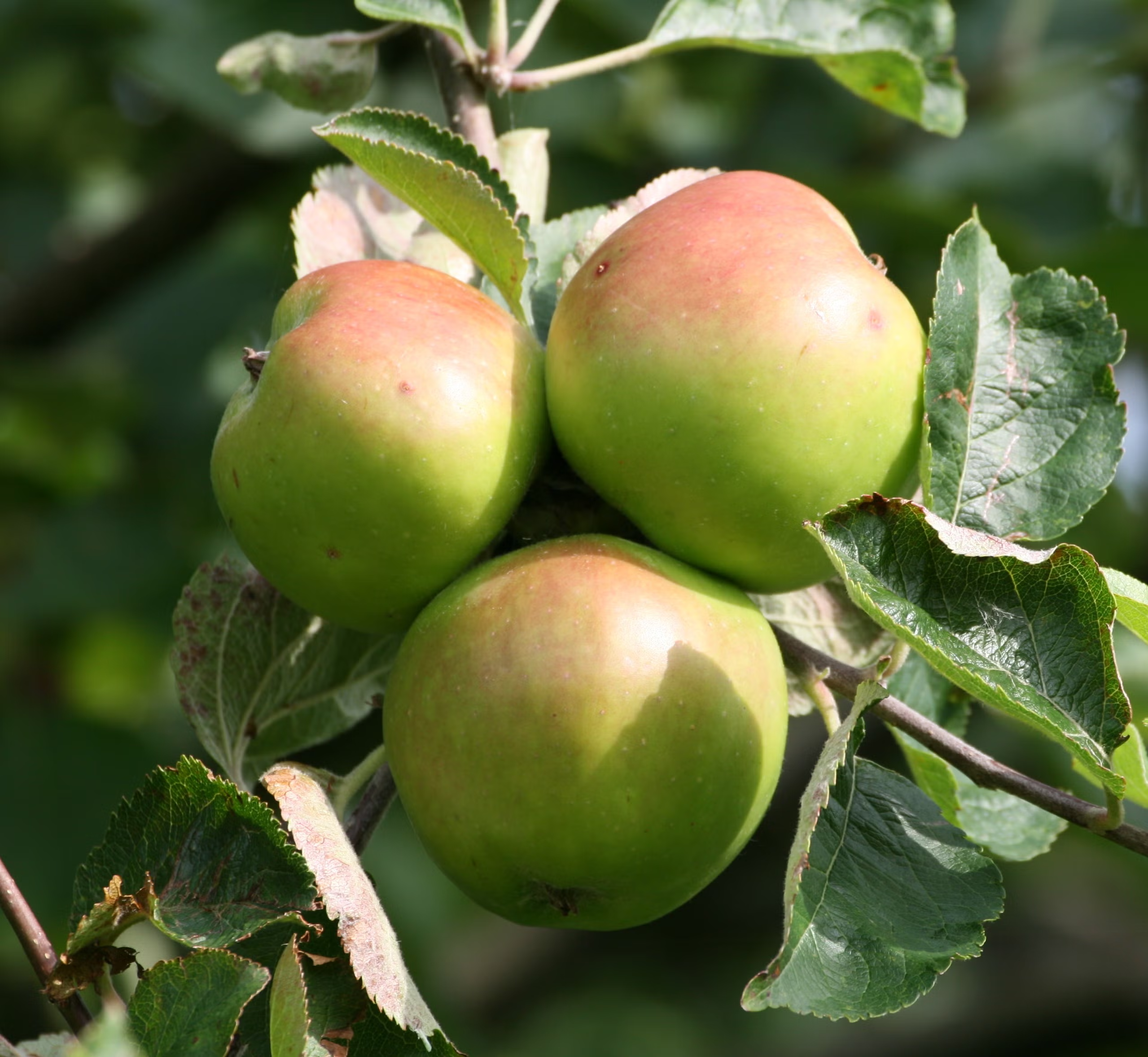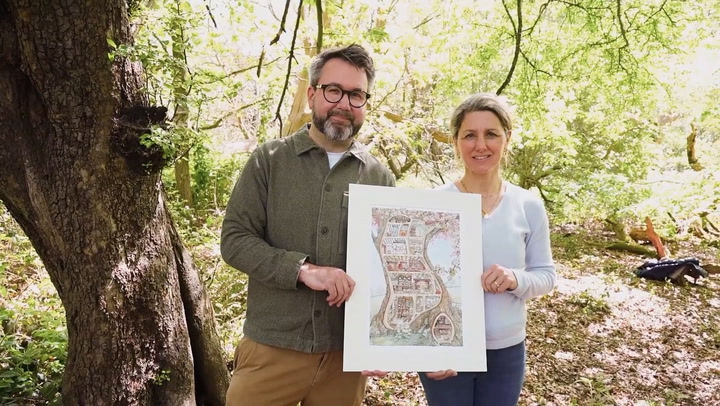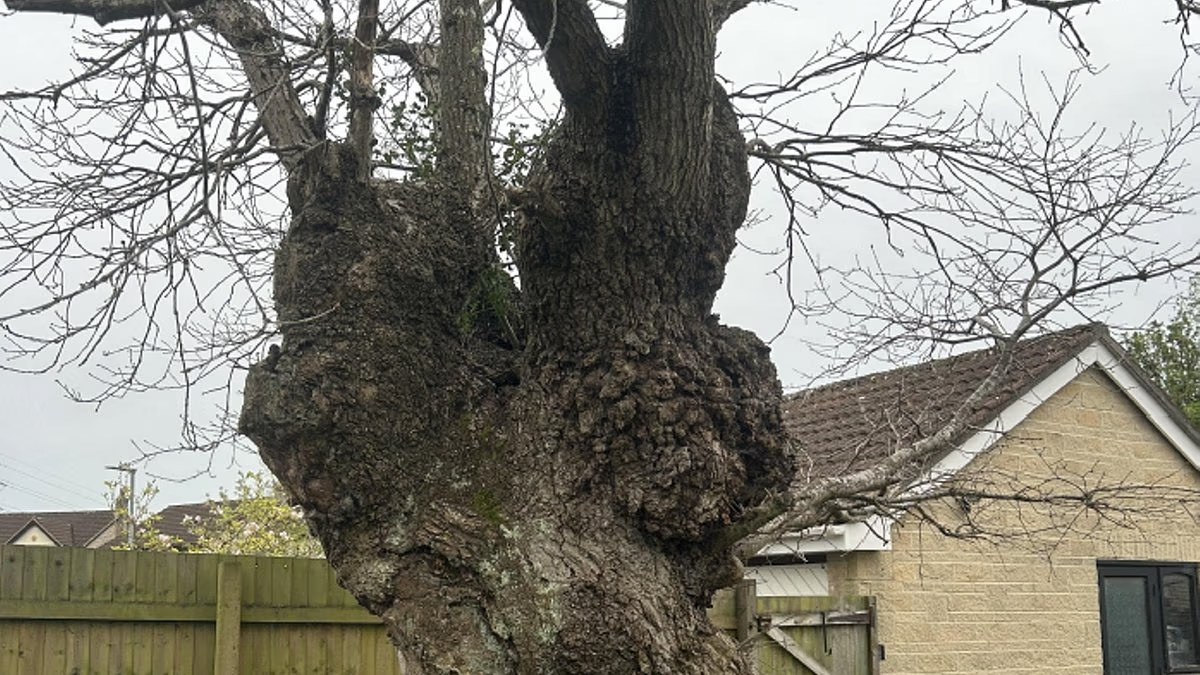
The garden housing the original Bramley apple tree has been sold, leaving campaigners who wanted to turn it into a heritage site "gobsmacked".The over 200-year-old tree spawned millions of saplings worldwide. It was sown by Mary Ann Brailsford in her parents’ garden in Church Street, Southwell, Nottinghamshire, between 1809 and 1815.Artist Dan Llywelyn Hall co-founded a campaign to buy the cottage from Nottingham Trent University (NTU) and turn it into a heritage and educational site to ensure public access.On Friday, Mr Llywelyn Hall was informed by the university that the garden had been bought privately by the owners of a neighbouring cottage.The campaigners had raised £14,000 from more than 320 donations around the world.Artist Dan Llywelyn Hall with relatives of those connected to the Bramley tree (Dan Llywelyn Hall/PA) (Dan Llywelyn Hall)Mr Llywelyn Hall said: “It is a very sad day for our ancient heritage trees.“It has been failed by all the institutions and now Nottingham Trent University, ironically a uni of environment and agriculture, have done this. We are all gobsmacked.”The university said it was supporting the new custodians of the tree with advice on how to care for the ancient tree.An NTU spokesperson said: “We are delighted that custodianship of the tree has passed to the owners of the neighbouring property, Bramley Tree Cottage.“Historically the Bramley was in this garden, so it is great to be able to support the return to its original home.“Joshua and Alicia Wheatley approached NTU to express their interest in purchasing the garden containing the tree and their commitment to continuing to care for and celebrate the tree and its heritage.“The university is now supporting the new custodians with advice on how to care for the Bramley, which has outlived its natural lifespan by quite some time.“NTU has also undertaken steps for the transfer of the garden to contain specific obligations to ensure the continued maintenance, preservation and care of the Bramley, as well as continued public access for events.“The university-owned cottage, previously used for student accommodation, remains listed for sale.”Almost 50 years after Ms Brailsford planted the tree in the cottage’s garden, a 17-year-old boy named Henry Merryweather came across a gardener carrying some of the apples and asked where they had been grown.By this time, the garden containing the apple tree belonged to a butcher called Matthew Bramley, who gave the teenager permission to take cuttings of the “Bramley Seedling”, before the fruits became a cooking staple.Celia Stevens, who is the great-granddaughter of Mr Merryweather, said the original Bramley tree is an “important part of fruit history”.She said: “To be seen by the public with care and explanations after so many years of service so to speak would be very special to Southwell.“It has earned recognition, and this venerable old fruit tree is deserving of the many accolades it has received through the years.”The Bramley apple has become one of Britain’s most popular cooking apples – with more than 300 Bramley growers in England and about 83,000 tonnes grown annually in the UK.The original Bramley tree was cited as one of the 50 Great British Trees in the Queen’s Golden Jubilee in 2002, and it was one of 70 ancient trees to be dedicated to the Queen for the Platinum Jubilee in 2022.
Campaigners ‘gobsmacked’ as garden containing original Bramley apple tree sold
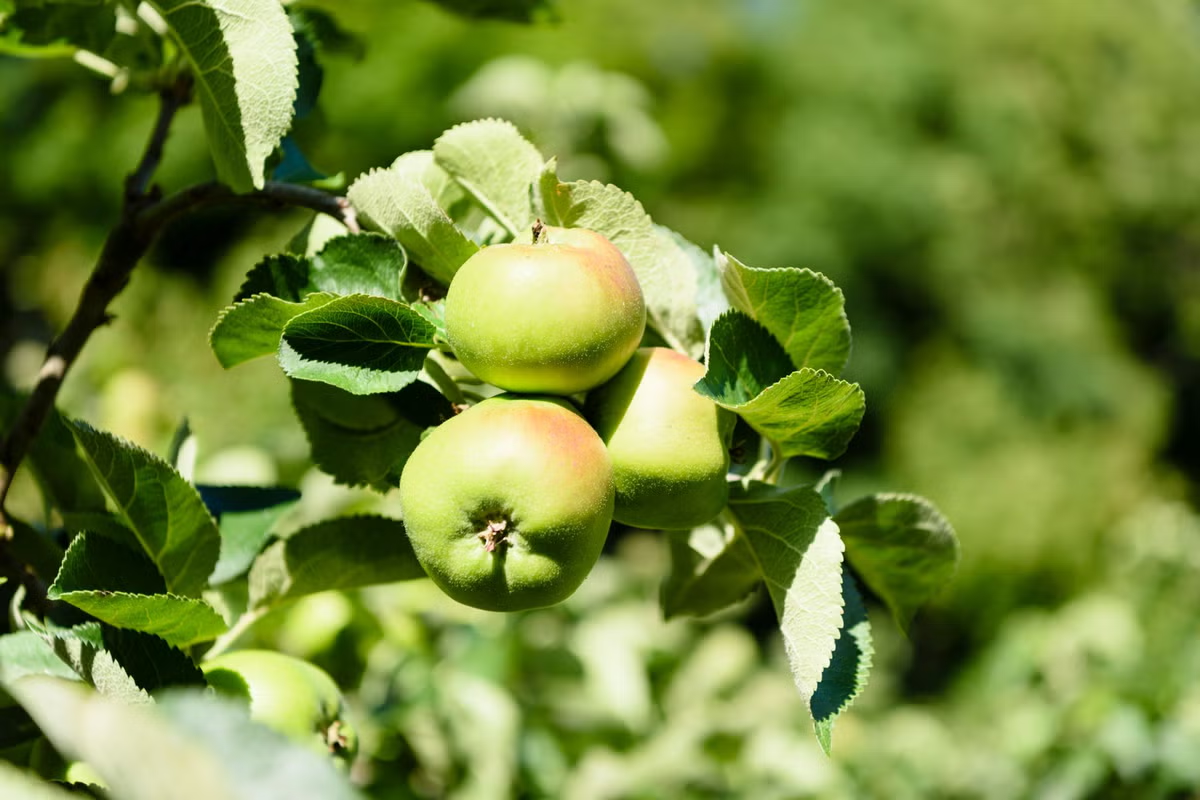
The famous tree has spawned millions of saplings worldwide
542 words~2 min read