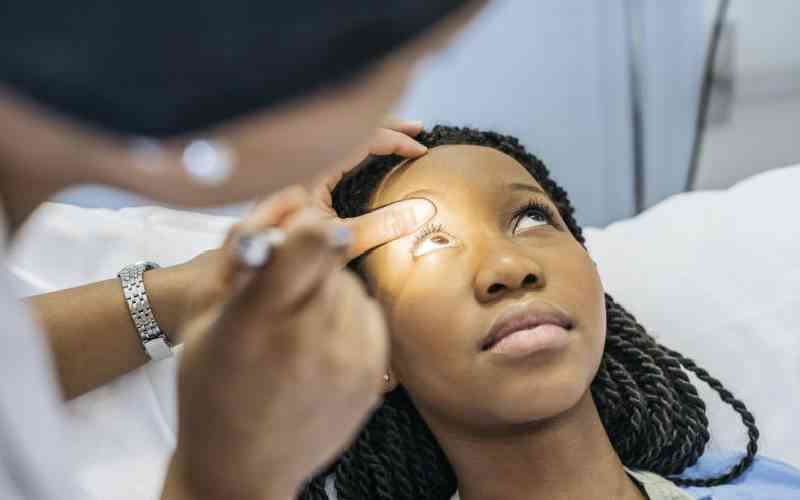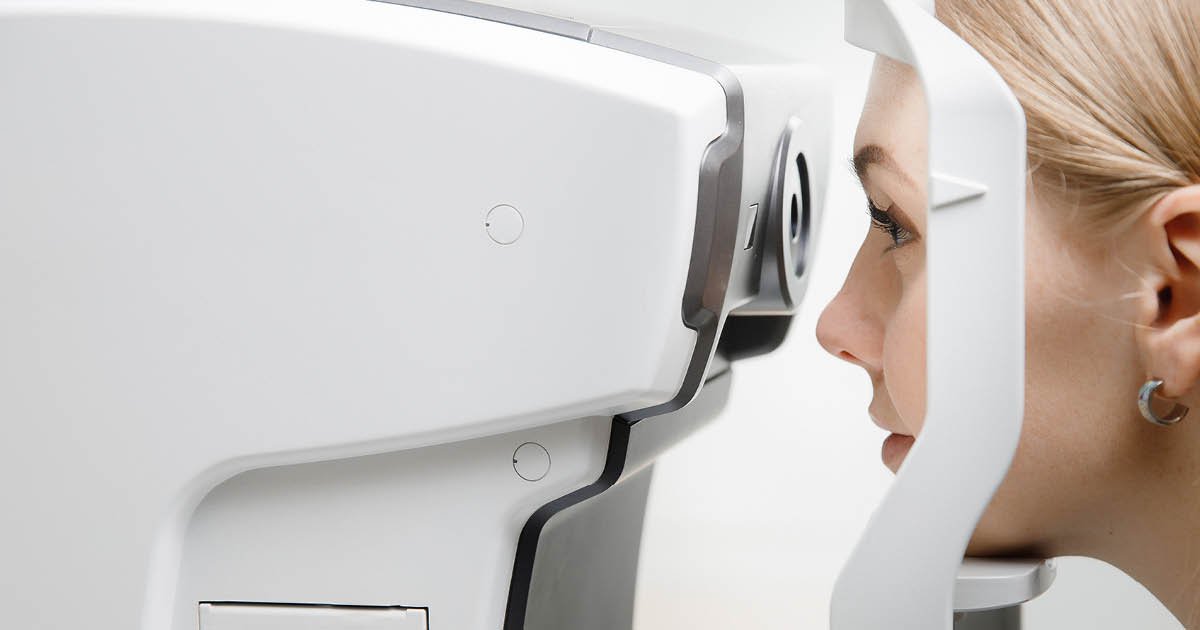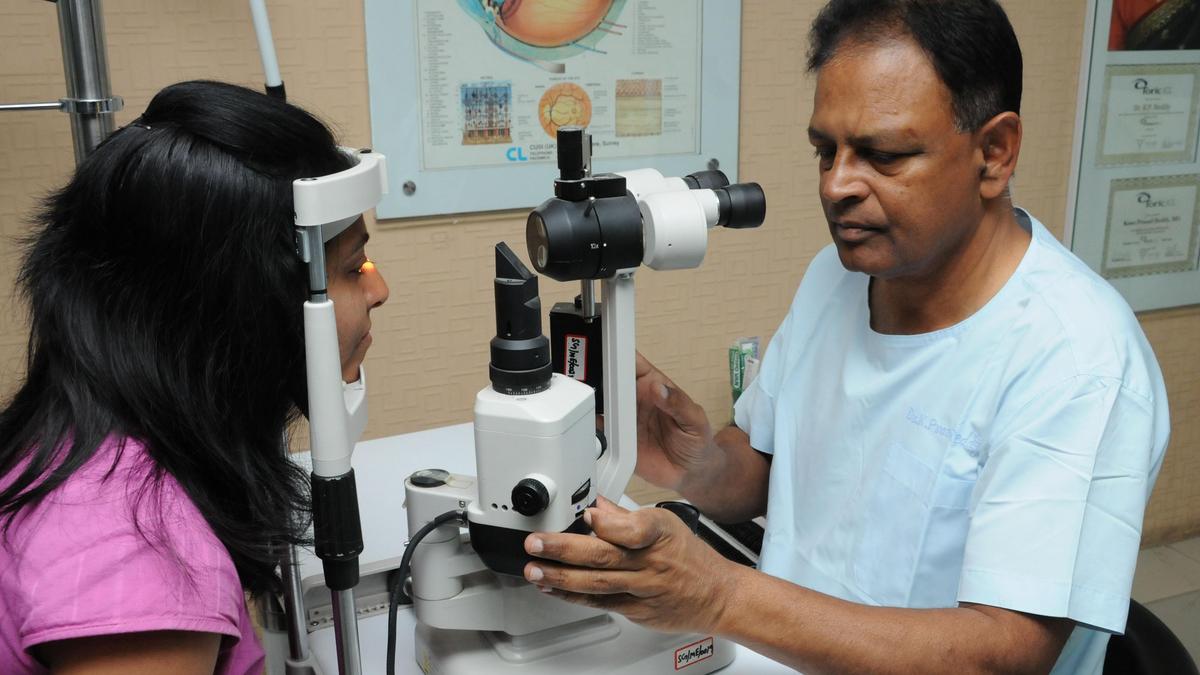
Paediatric eye health requires early, routine screenings to prevent conditions like myopia, amblyopia (lazy eye), and strabismus (squints) from impairing visual development |Image used for representational purpose only
| Photo Credit: File Photo
Retinoblastoma is a rare eye cancer that affects young children. A serious, life-threatening disease usually seen in children under the age the age of three , it is also one of the few childhood cancers where timely detection can dramatically change the outcome. Prompt treatment can lead to high survival rates with the child’s eye and vision sometimes being preserved. Herein lies the public health opportunity to build a robust child eye health system and strengthen early childhood healthcare.Early warning signsRetinoblastoma has a common early sign that parents may notice before anyone else. This is a white reflex or glow in the child’s eye, called leukocoria. This occurs when the normal red reflex appears white, especially in photographs taken with a flash. Other symptoms may include squinting, crossed eyes, redness, swelling, or changes in vision.Unfortunately, this early sign is often missed or dismissed as a camera effect or initially treated as a routine eye issue until the disease has advanced. That delay can cost not only sight, but in advanced cases, life. In developed countries, where awareness and early diagnosis are more common, survival rates exceed 95%. However, outcomes in low- and middle-income countries remain poor, largely because of delayed diagnosis and inequitable access to specialised care..Improving early detectionIndia needs to strengthen pathways for early detection. The first step is increasing awareness. Every parent does not need to understand paediatric oncology, but every parent can be taught that a persistent white glow in a child’s eye is not normal and should be medically evaluated. Every anganwadi worker, school nurse, primary care doctor, and community health worker should be trained to recognise suspicious signs and refer children appropriately. They must also convey this message to parents during vaccination visits, newborn check-ups, school health programmes, and maternal health counselling.The second step is making eye screening a routine part of early childhood care. India has made significant progress in institutional deliveries, immunisation, nutrition tracking, and school health interventions. Awareness about retinoblastoma can be embedded into these existing touchpoints rather than treated as a standalone campaign. A red reflex check during infancy and early childhood, basic eye observation during paediatric visits, and prompt referral for suspicious findings can help strengthen preventive care systems.Integrated care systemsThe third step is integration. Retinoblastoma care cannot sit in a silo between oncology and ophthalmology. The child may first be seen by a paediatrician, an ophthalmologist, a general practitioner, or a community health worker. Global studies show the importance of early detection, treatment accessibility, long-term care, and coordinated health infrastructure in retinoblastoma care. Outcomes improve when these points are connected through clear referral pathways, standard protocols, and access to specialized centers.Counselling and compassionate communication are equally important. Families are often deeply distressed after a diagnosis of cancer, especially in a child’s eye. Some may delay treatment due to fear of the child losing sight. Others may seek multiple opinions and lose precious time. A strong system can help families understand that early treatment can save life, and sometimes vision, while late treatment increases the risks.Routine preventive screeningRetinoblastoma also shows how regular childhood health screenings are often viewed. Screening is usually seen as something needed only when a child appears visibly unwell. But preventive healthcare works best when it becomes intuitive and part of a routine system. Just as parents track vaccines, fever, weight gain, and developmental milestones, they should also feel comfortable checking whether a child’s eyes look normal in photographs or under light. Care must be taken so that early screening becomes ordinary and not a cause for alarm.The lesson is that high-impact healthcare need not always begin with high-cost technology. Sometimes it begins with the simple act of noticing something, asking questions, referring, and acting early. For India, this remains an important opportunity. Retinoblastoma should not be remembered only as a missed diagnosis or late-stage cancer. Efforts to detect it early can also contribute to stronger preventive childhood health practices, a model where parents are informed, frontline health workers are trained, paediatric and ophthalmic care are connected, and early screening becomes an integral part of routine check-ups. It is only then that India can move toward a stronger child eye health system.(Dr. Ganesh Pillay, Chief of Research & Academics and Regional COO (Central India), ASG Eye Hospital, ganesh.pillay@gmail.com ) Published - May 30, 2026 03:00 pm IST