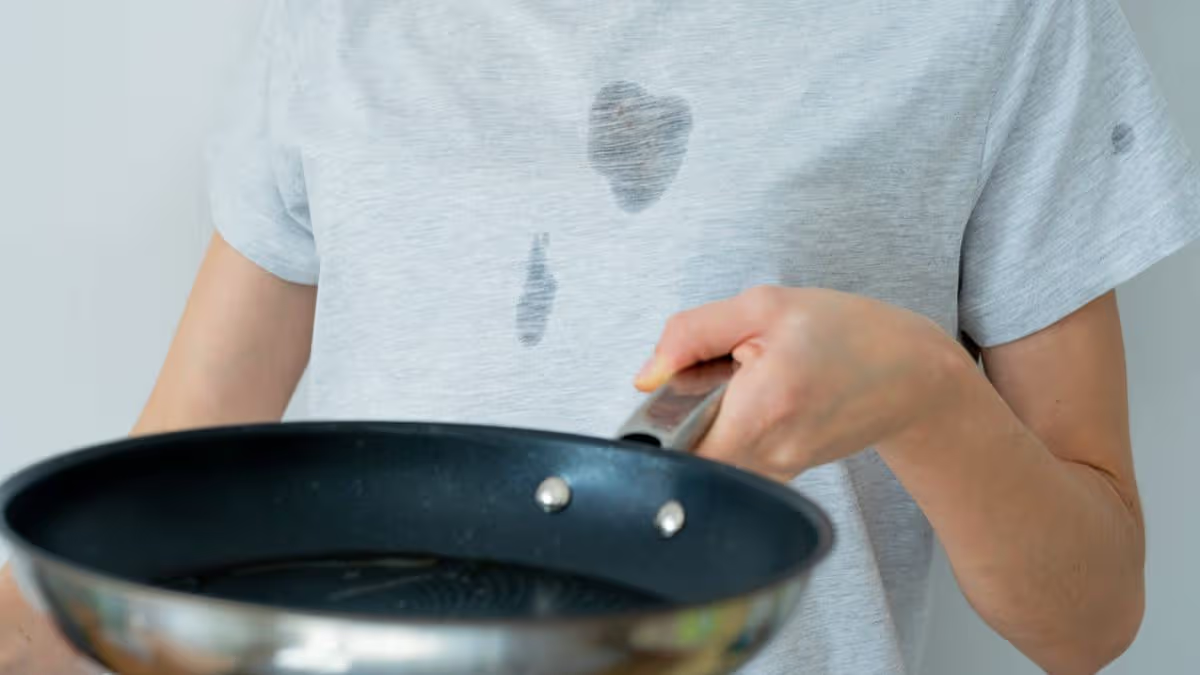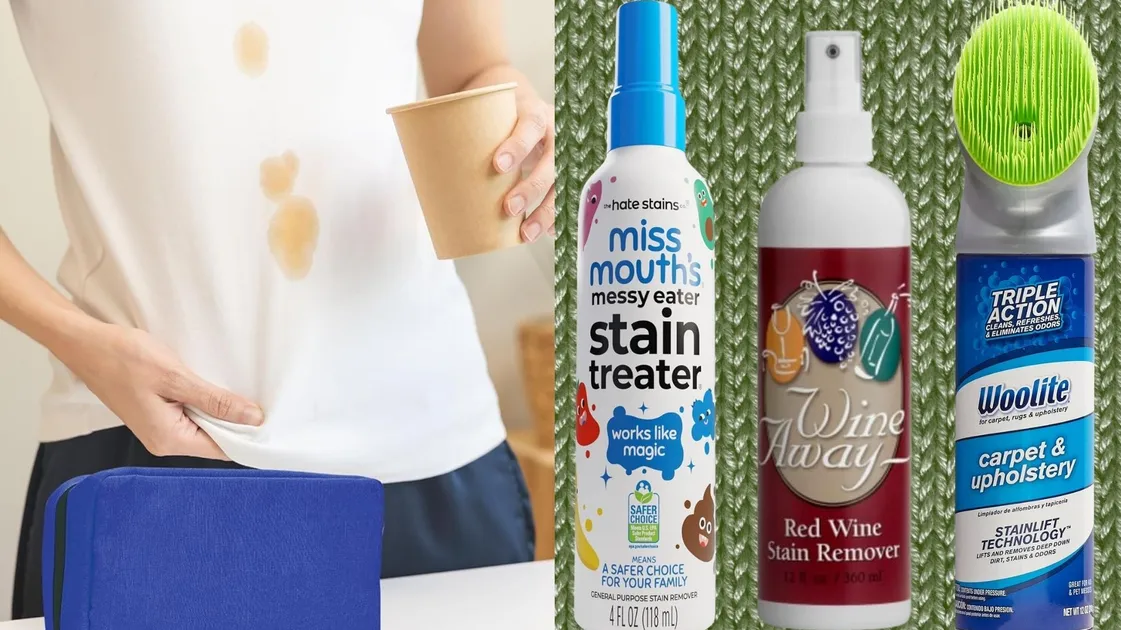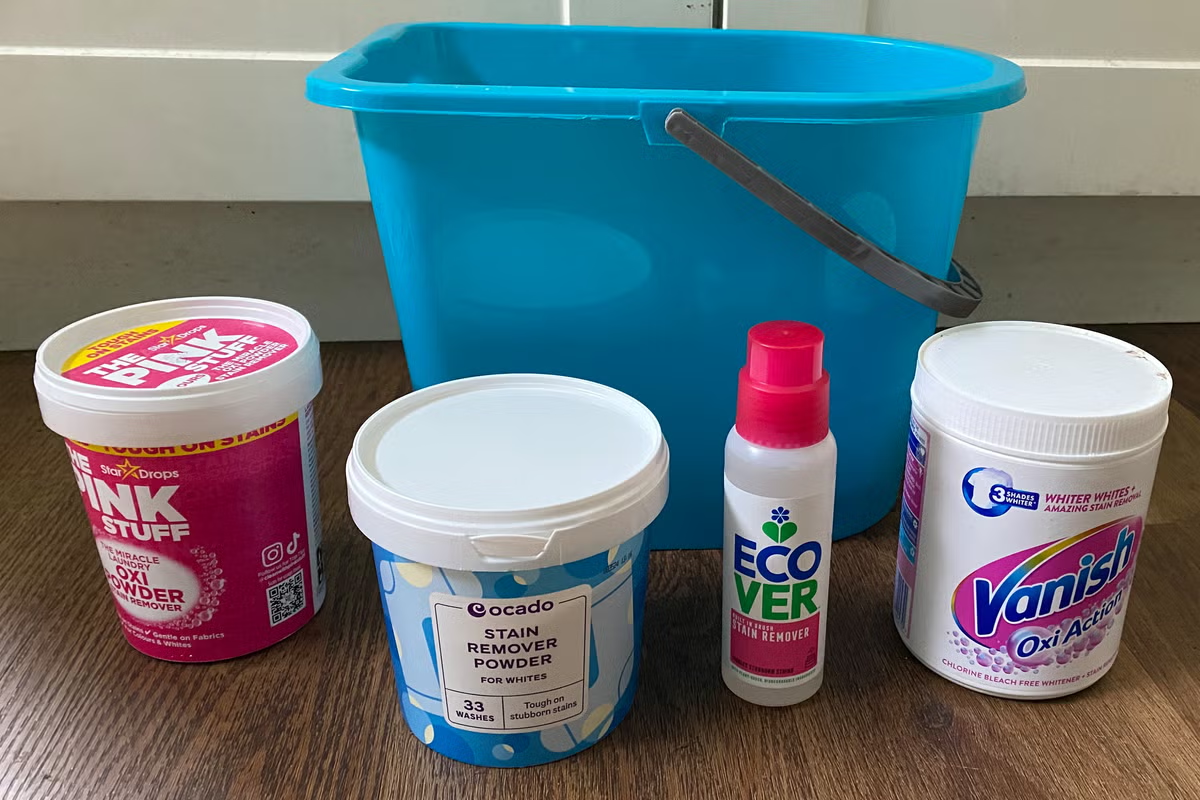
The key to stain removal is speed and an understanding of the chemistry behind the spill (Photo: iStock)
Stains are an inevitable part of daily life, but managing them does not require a cupboard full of specialised chemicals. Most common spills can be successfully treated using standard household items, including washing-up liquid, white vinegar, bicarbonate of soda, and laundry detergent. The key to stain removal is speed and an understanding of the chemistry behind the spill.
For protein-based stains such as blood and sweat, temperature is critical. Blood should always be treated with cold water, as hot water cooks the protein into the fabric fibres, setting the stain permanently.
Rinsing a fresh blood stain under a cold tap and rubbing it with plain soap or liquid laundry detergent will usually lift it. Sweat stains, which often leave yellow marks under the arms, respond well to a paste made from bicarbonate of soda and water. Leave it on for 30 minutes before washing to break down the organic salts and eliminate odour.
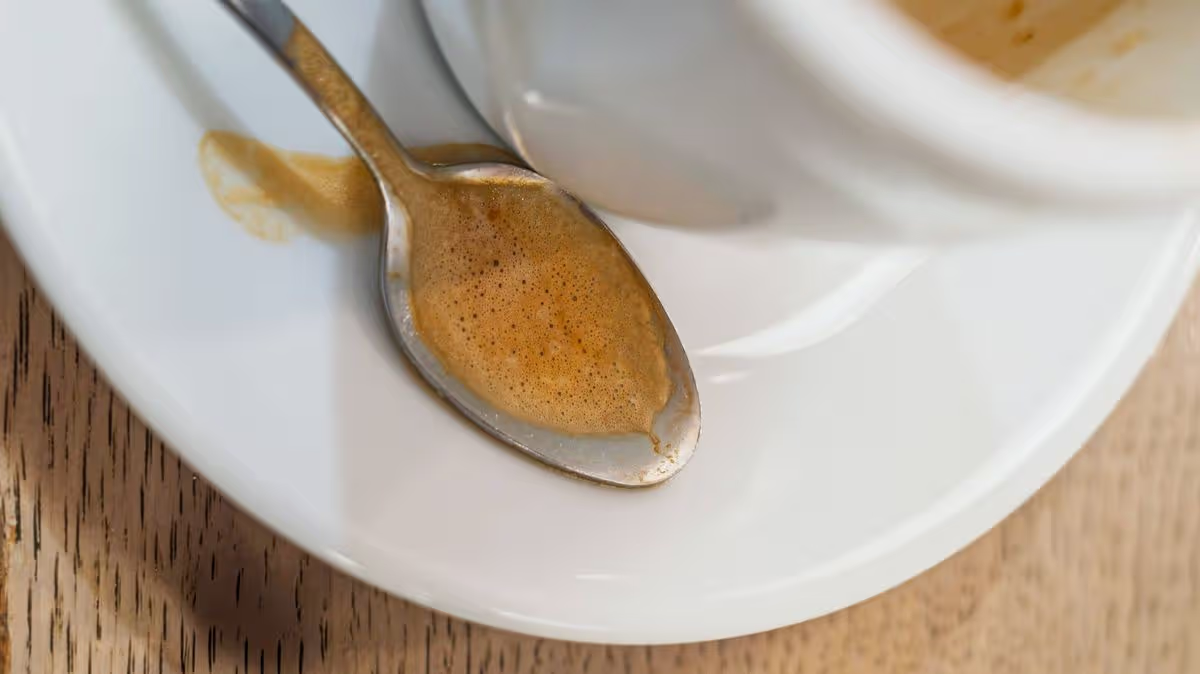
Food and drink spills account for many laundry mishaps. Coffee and tea contain tannins, which can be neutralised by an acid. Mixing equal parts white vinegar and washing-up liquid, applying the solution directly to the stain, and leaving it for 15 minutes helps dissolve the discolouration.