Other Topics of Interest
Russia’s War Costs Could Exceed Budget by $28 Billion
Russia’s war spending could surpass planned budget levels by 2 trillion rubles ($28 billion) this year, according to a report citing a letter from Finance Minister Anton Siluanov. The document reportedly warned of growing fiscal pressures and urged spending freezes in other sectors to offset rising military costs. The report highlights mounting strains on Russia’s finances due to record defense spending.
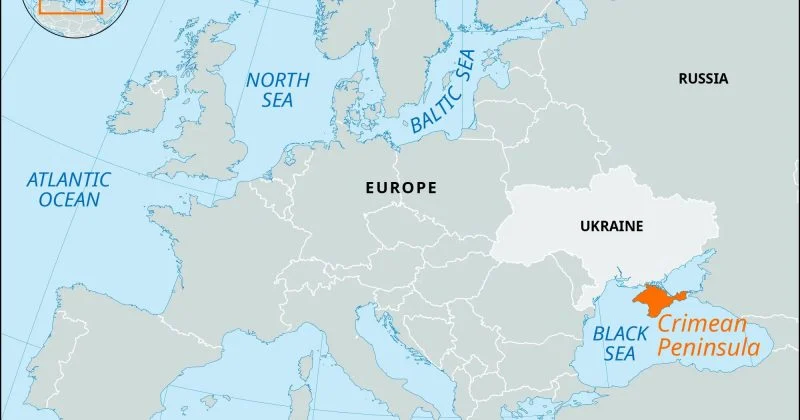
The peninsula’s fuel architecture relies heavily on the “land corridor” carving through the temporarily occupied territories of southern Ukraine. This overland artery has functioned as the Kremlin’s primary alternative logistical pipeline to supply both its civilian populations and frontline military assets since the disruption of maritime and rail networks.
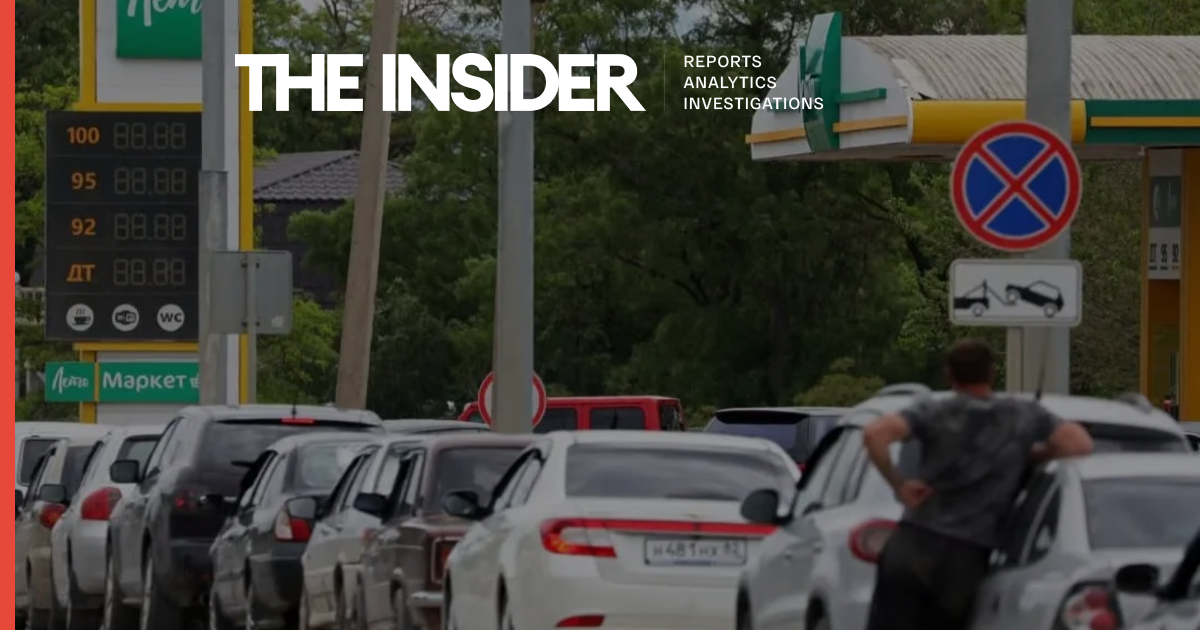
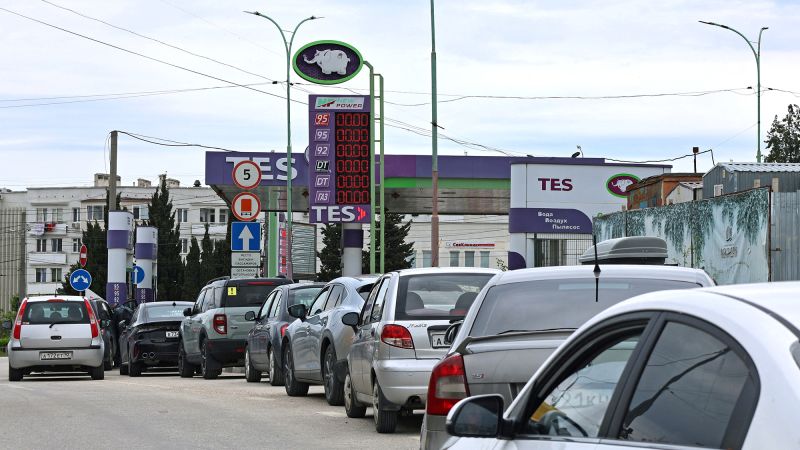
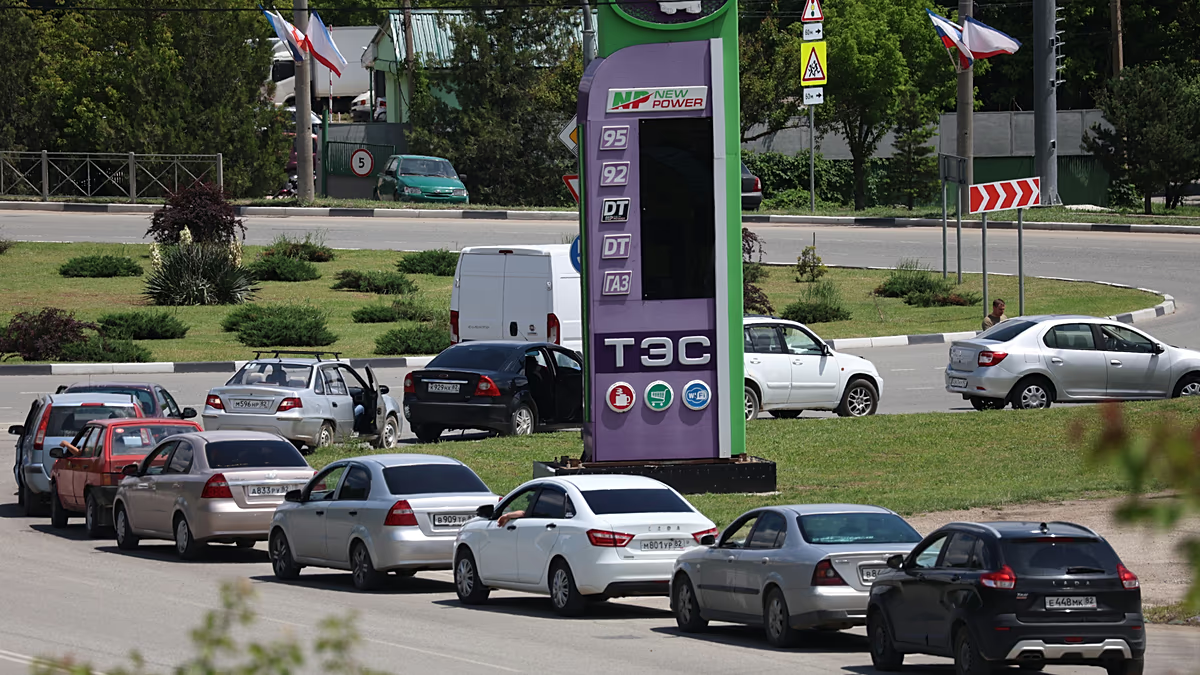
Land corridor placed under fire control The immediate catalyst for the supply freeze is a highly coordinated deep-rear interdiction campaign executed by Ukrainian military forces. Ukraine’s Military Intelligence (HUR) units, deploying long-range loitering munitions and specialized Shark-M reconnaissance drones funded by domestic charitable foundations, have successfully placed the critical “Crimea-Donetsk” highway under systematic fire control. Ukrainian intelligence operators have established direct fire coverage over key transit chokepoints spanning the highway between occupied Berdyansk, Melitopol, and Dzhankoi. Footage released by the HUR documents the widespread destruction of specialized Russian fuel tankers, heavy cargo trucks, and armored logistics fleets caught moving along the coastal route. Zaporizhzhia Regional Governor Ivan Fedorov confirmed that the strategic transit corridor – stretching from Chonhar through the occupied Azov Sea coastline to Mariupol – has effectively ceased to function as a predictable or reliable logistics artery for the Russian armed forces. “The Russians built their so-called land corridor for military logistics,” Fedorov stated. “But now every military vehicle on this route is a legitimate target for Ukraine’s Defence Forces.” The complete disruption of the highway has effectively isolated the Crimean peninsula from immediate land-based replenishment. With primary fuel networks crippled, regional energy experts predict that the 20-liter caps on A-95 gasoline will likely expand to encompass alternative fuel brackets in the coming weeks unless Russia can successfully establish alternative, protected maritime transit lines outside the reach of Ukrainian strike drones.