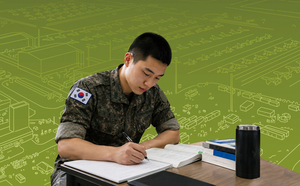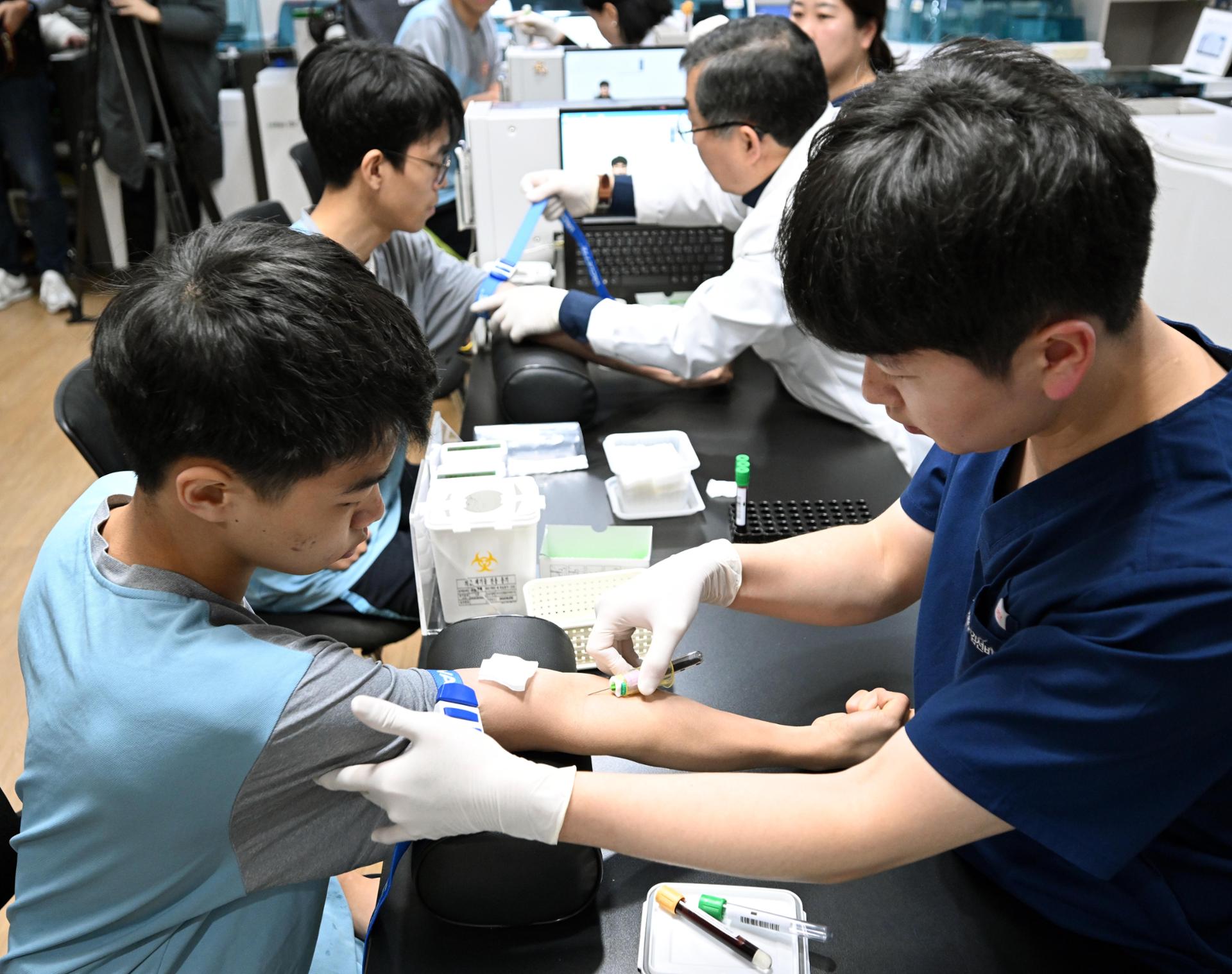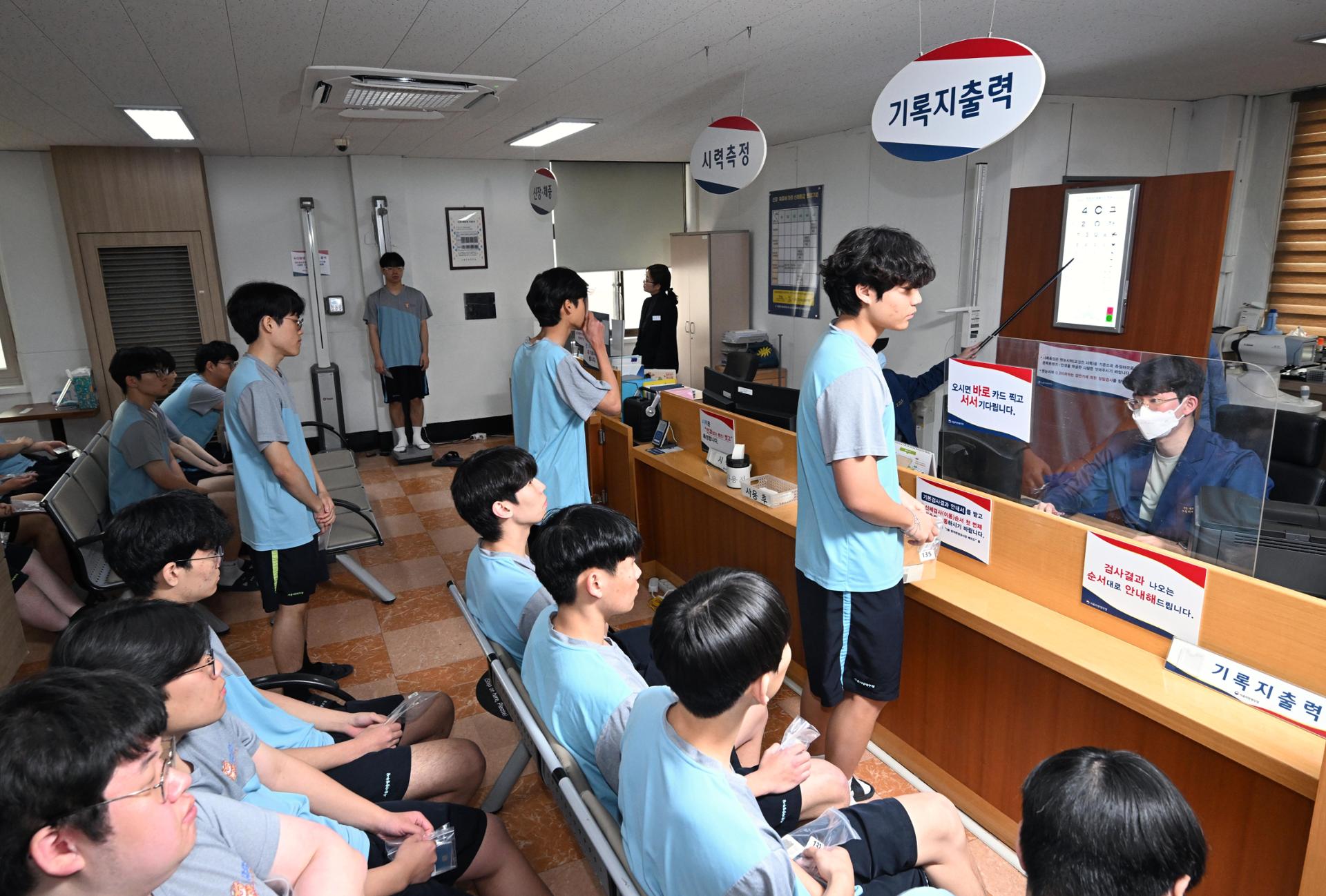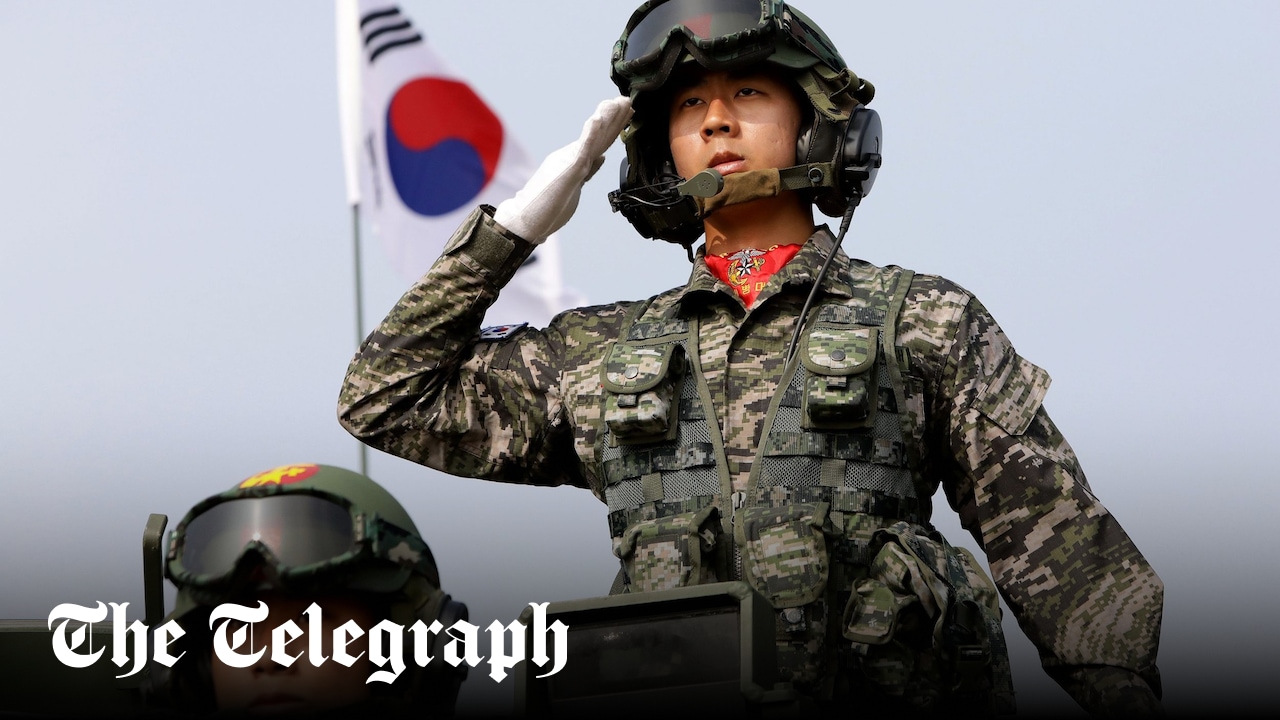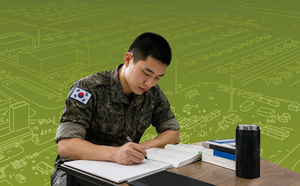
Better pay and a more relaxed atmosphere around personal life in the barracks drive soldiers to pursue self-development, from exam prep to cosmetic surgery A soldier studying during military service (Image created with assistance of AI) Many Korean men used to describe mandatory military service as a suffocating period spent confined to barracks, bound by rigid routines and largely disconnected from the outside world. Conscription was widely seen as an involuntary pause in youth, rather than a continuation of the lives they had been building.But for Woo Tae-hyun, his 18 months in the military were the exact opposite. It was a strategically planned step toward his future goals.Discharged last December, the 22-year-old, currently enrolled at a university in Gyeonggi Province, is preparing to retake this year’s national college entrance exam, known as the Suneung, which he began studying for during military service. If accepted, he plans to leave his current university.Like all able-bodied young men in South Korea, Woo was required to complete between 18 and 21 months of military service. Facing both enlistment and another attempt at college admission, he decided to pursue both at the same time.“I thought preparing for college admission would take more than a year, which would delay my enlistment too much,” Woo told The Korea Herald. “So I decided to use my time in the military to prepare for the Suneung.”Woo enlisted in June 2024, just three months after enrolling at his current university. After five weeks of basic training for new enlistees, Woo was assigned to the Republic of Korea Army’s Capital Corps.Life at the barracks began at 6:30 a.m. each day, followed by drills and education programs that lasted until 5:30 p.m. He squeezed study time into every free moment, including his lunch break from 11:30 a.m. to 1 p.m. and the hours leading up to the 10 p.m. bedtime."I thought the military’s structured routine and limited smartphone access would help me stay focused, and it really did," he said. Phone use was permitted only from 5:30 p.m. to 8:30 p.m. on weekdays and from 8 a.m. on weekends.His studies continued even during overnight guard shifts, which he served two to three times a week from 4 p.m. to 8:30 a.m. the next morning.“Right after being assigned to my unit, I struggled to focus on studying because I was still adjusting, and it was also difficult when training sessions interrupted my study routine,” said Woo, whose goal is to gain admission to either Yonsei University or Korea University in Seoul.“But over time, I developed my own routine, and since there were two other soldiers preparing for the Suneung as well, the atmosphere was very supportive.”Woo is among a growing number of Korean men in their early 20s turning military service into a period of college entrance exam preparation.There is even a term for them — “gunsu-saeng,” referring to soldiers preparing for the Suneung while serving in the military. Admissions consultancies catering specifically to such soldiers have also emerged.Kim Do-kyun, head of the consultancy firm Gundaeeseo Jaesuhagi, said many of his clients are trying to minimize the impact on their lives from spending additional years trying to transfer to more prestigious universities or changing majors.He added that a growing number of soldiers who enlisted straight out of high school are also preparing for the Suneung during military service. Kim advises an active duty soldier on preparation for the Suneung at his office. (Courtesy of Kim) The Air Force and Navy — which require longer service periods of 21 months, compared with 18 months for the Army and Marine Corps — have become particularly popular among academically motivated recruits, he continued.“The two branches are seen as places where young recruits selected through document screenings and interviews come together, creating expectations that a more study-friendly atmosphere can be formed,” he said.Since 2021, his company has provided counseling services to about 150 enlisted soldiers studying for the Suneung across various military branches. Each student is paired with a mentor who helps set study goals, reviews study direction and provides college admission information through online coaching and offline meetings during leave periods.“We develop study plans based on each soldier’s unit, military duties, available study time and academic level,” Kim said.Better pay and a more relaxed barracks cultureAs more conscripts strategically use military service to invest in their future, higher pay and a more easygoing barracks culture are facilitating their goals.The monthly pay for enlisted soldiers has increased year after year, climbing to 1.5 million won (about $1,000) in 2025 for sergeants, up from 676,000 won in 2022, according to the Ministry of National Defense.Those who put part of their salary into a state-backed savings plan exclusive to conscripts also receive monthly government matching contributions equal to the amount they deposit.With the monthly contribution cap raised from 400,000 won to 550,000 won last year, those who save the maximum amount over 18 months of service can receive more than 20 million won upon their discharge, including the government matching funds and interest of around 5 percent.This financial benefit helped Woo fund his studies.“I saved some 18 million won during my military service, which was enough to cover my academy tuition (for exam prep) after discharge. I’m now preparing for what I hope will be my final Suneung while getting by on my savings and some part time work,” he said.Amid improving welfare conditions for soldiers, enlistment is increasingly viewed less as lost time and more as an opportunity for self-improvement, according to sociology professor Koo Jeong-woo of Sungkyunkwan University.“In a society with high college enrollment rates and a strong emphasis on academic credentials, the desire to continue studying persists even during military service," he said.“The military now provides more autonomy and personal time than in the past, creating better conditions for studying and supporting soldiers’ transition back into society.”Self-development extends to beautyFor some, military service has become an opportunity to invest in themselves not only academically or professionally, but also in their appearance.Soldiers have recently emerged as key clients for cosmetic clinics, as many take advantage of military leave to undergo plastic surgery, seeing the period as an ideal time to recover from scars and swelling. A promotional poster targeting soldiers uploaded on the blog of a plastic surgery clinic in Sinsa-dong, Gangnam-gu, Seoul. (Naver blog) “About 40 percent of our patients these days are men, and half of them are active duty soldiers. They usually book their procedures on the first day of their month-long leave before discharge,” said an official at a plastic surgery clinic in Sinsa-dong, Seoul's Gangnam-gu.Advertisements for plastic surgery and dermatology clinics offering military discounts are easily found in HIM, the Ministry of National Defense’s monthly magazine for service members. Advertisements for plastic surgery and dermatology clinics appear in HIM, the Ministry of National Defense’s monthly magazine for service members. (X) An online promotional poster from a plastic surgery clinic in Seoul explaining the consultation process for soldiers seeking rhinoplasty. (Naver blog) Some hospitals have dedicated coordinators for military patients who assist with booking consultations and procedures around leave schedules, provide care products that can be used inside military bases, and issue medical certificates needed to skip training sessions.Besides cosmetic surgery, procedures such as orthodontic treatment and vision correction surgery like LASIK or LASEK are also popular during military service, when soldiers have more time to recover.But the growing pursuit of beauty treatments has raised concerns about disruptions to military operations.A first lieutenant surnamed Kim at an Army unit in Seoul recently excluded a corporal from winter training in January after the soldier returned from leave following a nose job.“I was worried he could suffer complications after the training. Getting surgery is a personal choice, but I was honestly caught off guard when he came back after having the procedure right before a major training exercise,” he told a local news outlet.Calls are growing for measures to minimize the impact of cosmetic procedures during military leave on troop management.“There are currently no clear regulations or military unit management directives governing the issue, leaving commanders without concrete standards for oversight,” said Choi Ki-il, a professor of military studies at Sangji University.“The military needs to keep up with changing attitudes among younger soldiers, while making sure its core duties are not affected.”
For these young Korean conscripts, military service is no longer lost time
Many Korean men used to describe mandatory military service as a suffocating period spent confined to barracks, bound by rigid routines and largely disconnected
1,378 words~6 min read