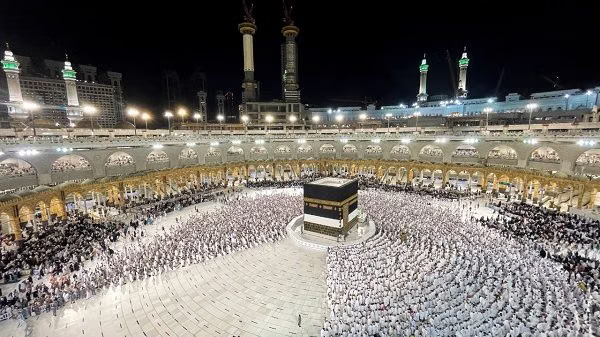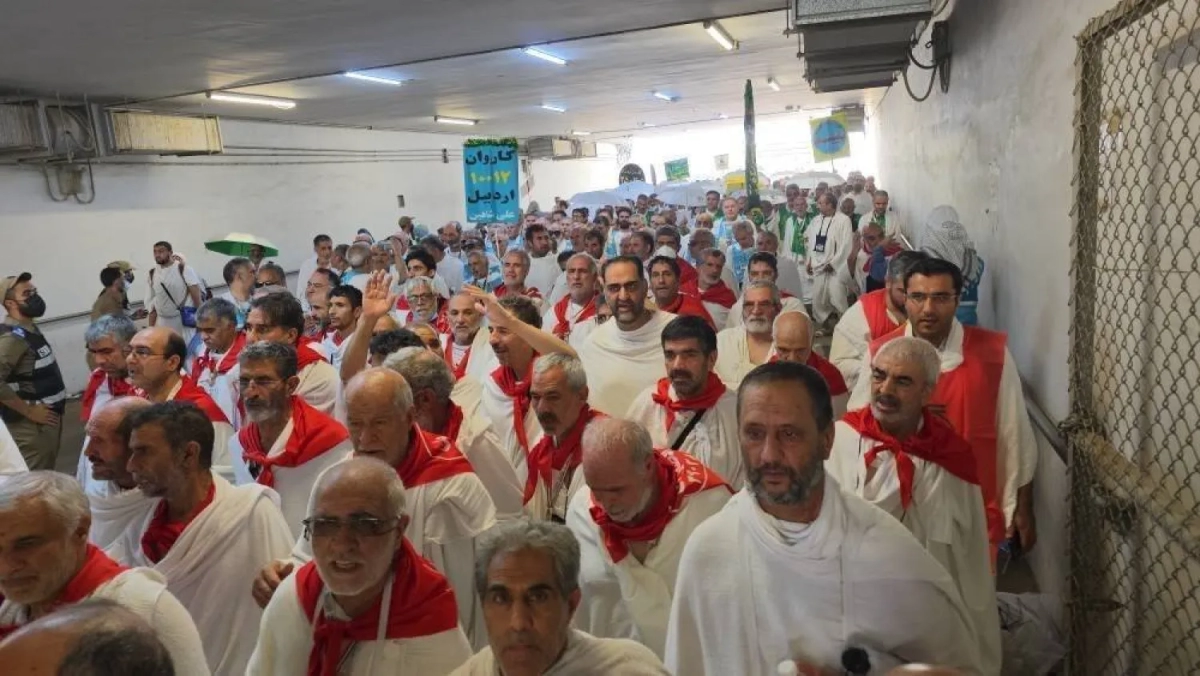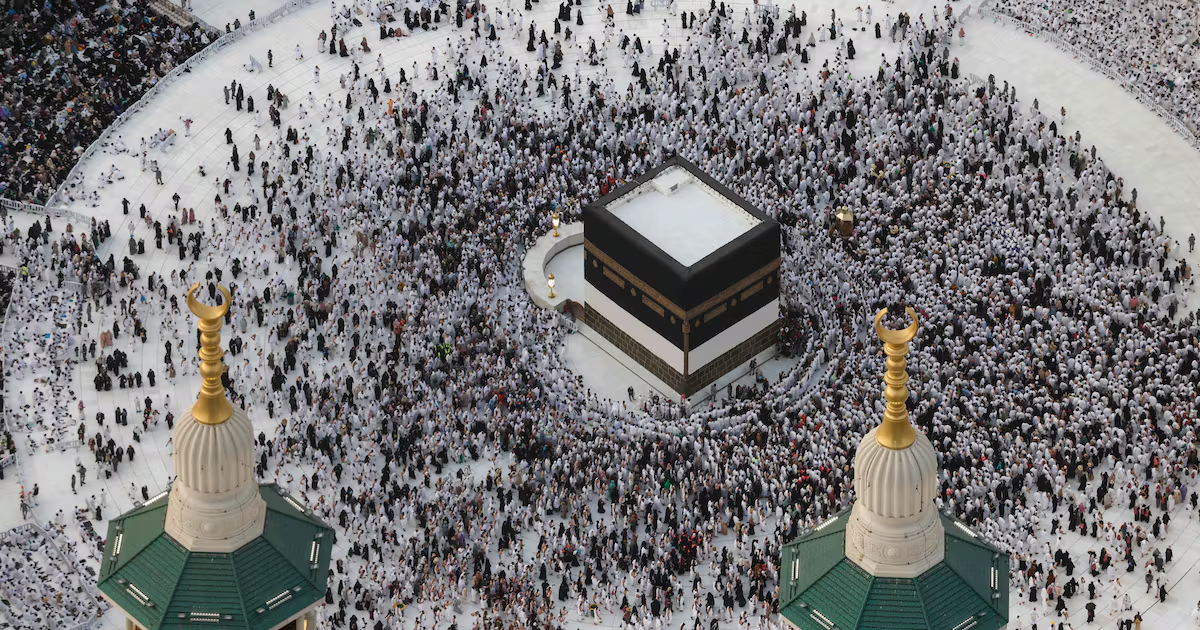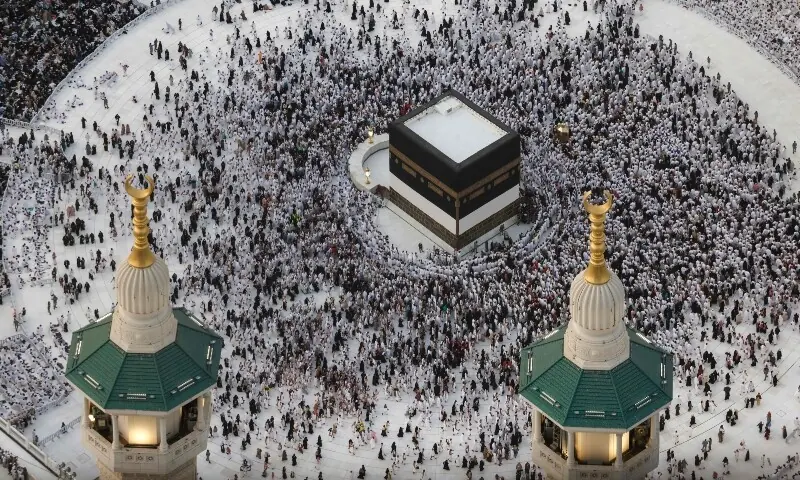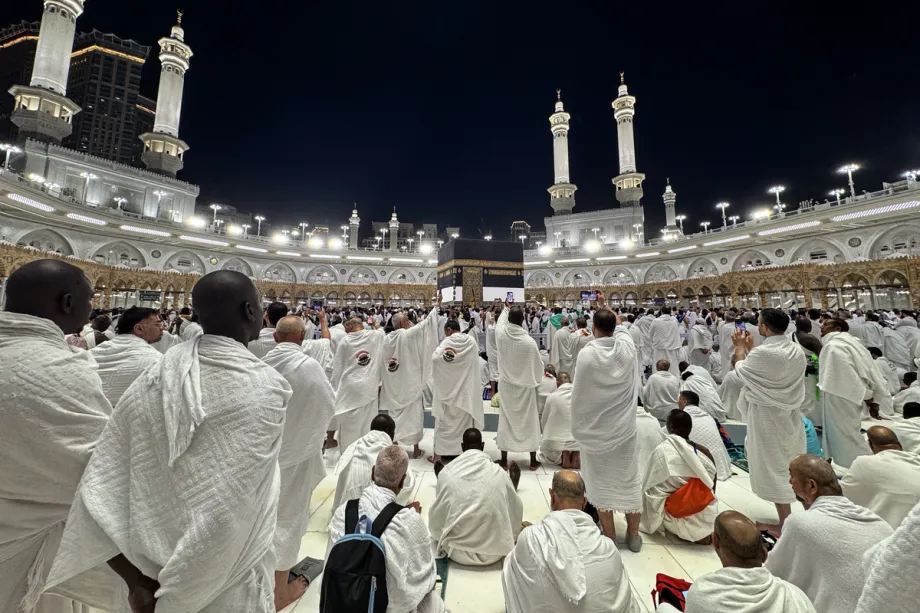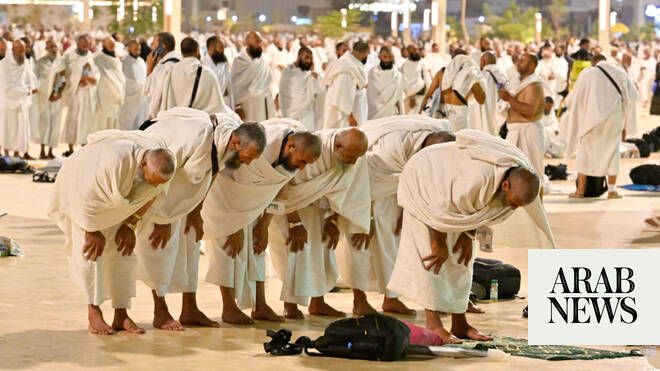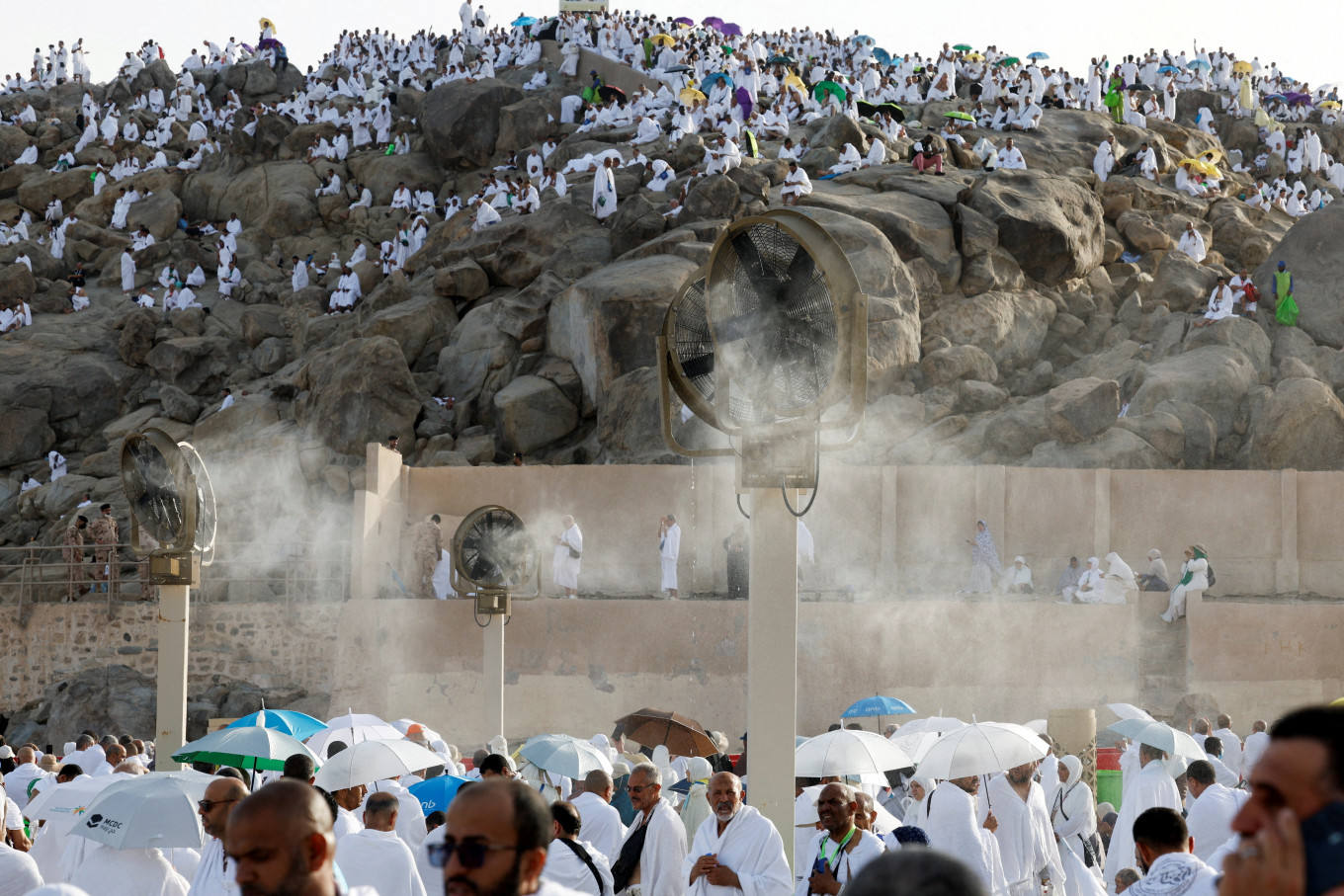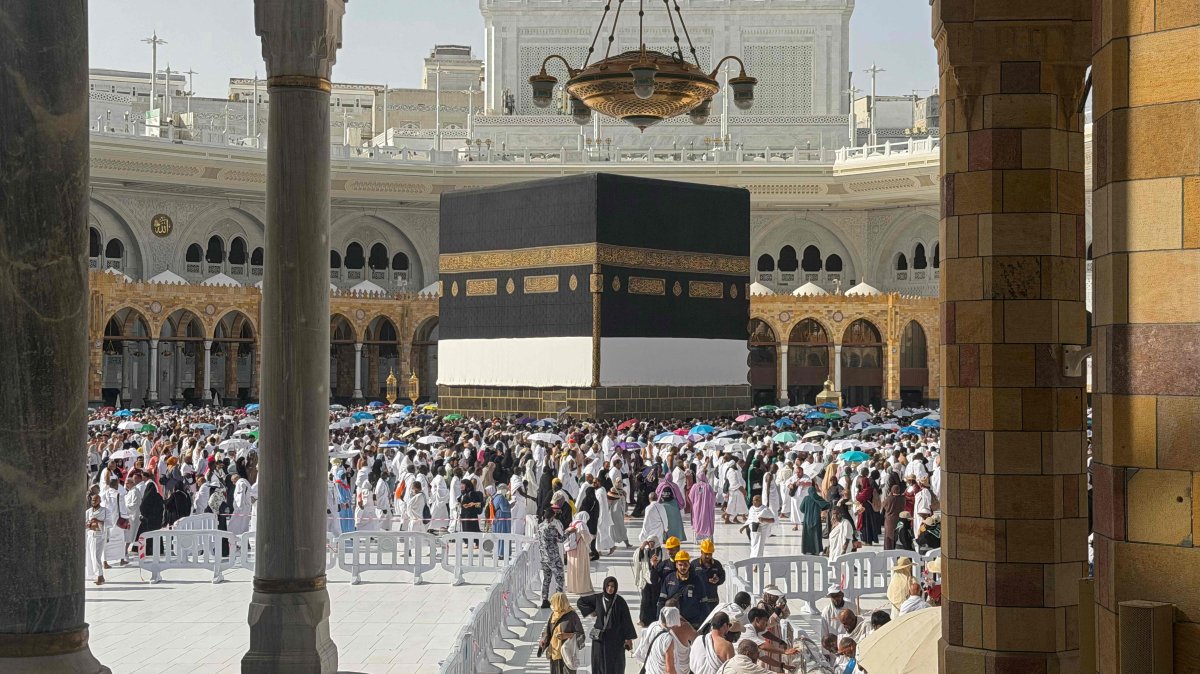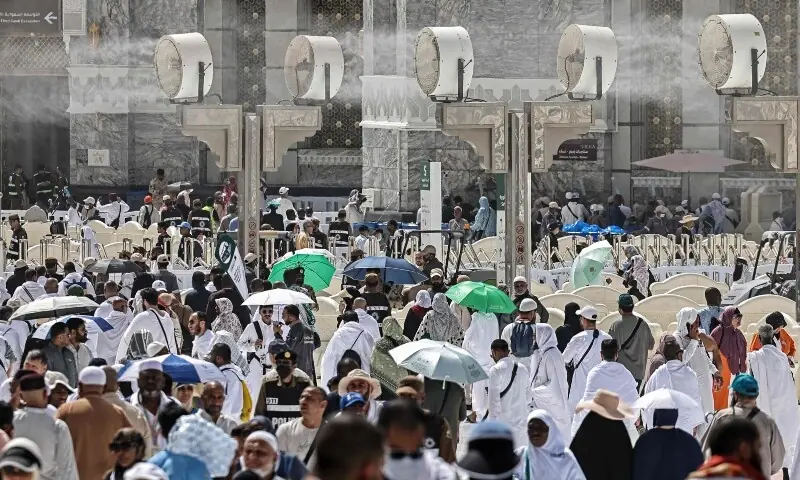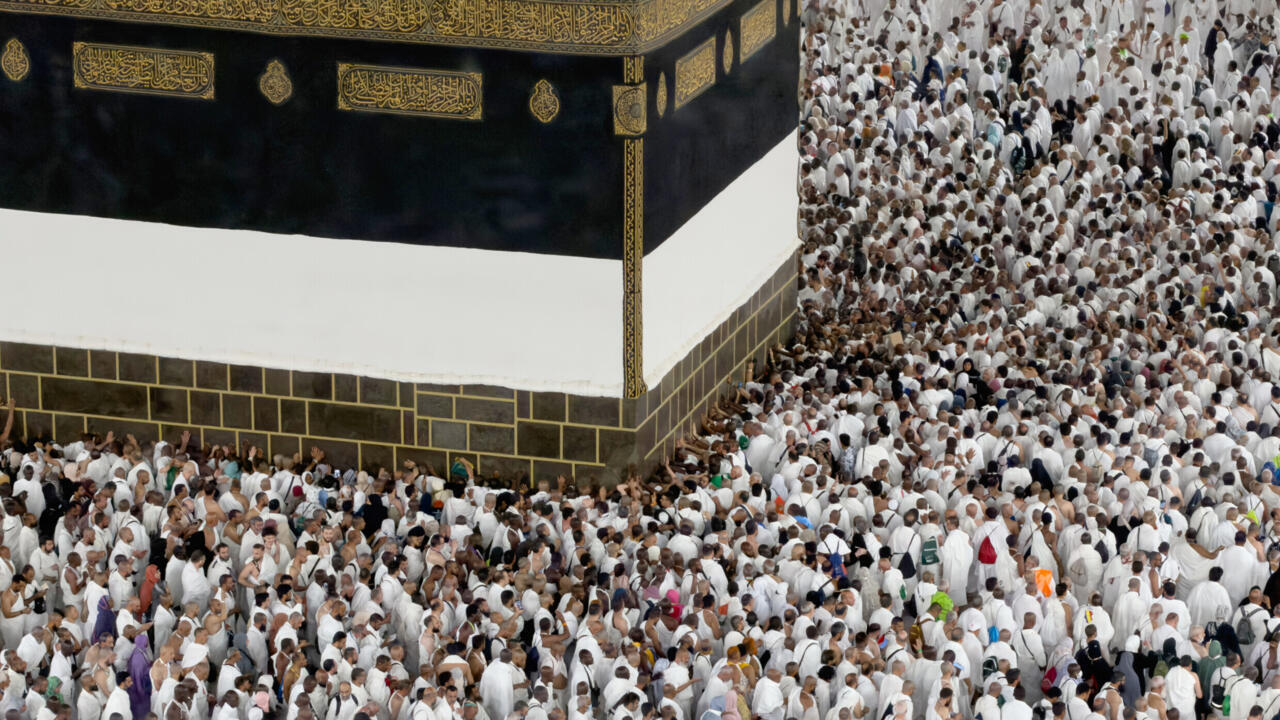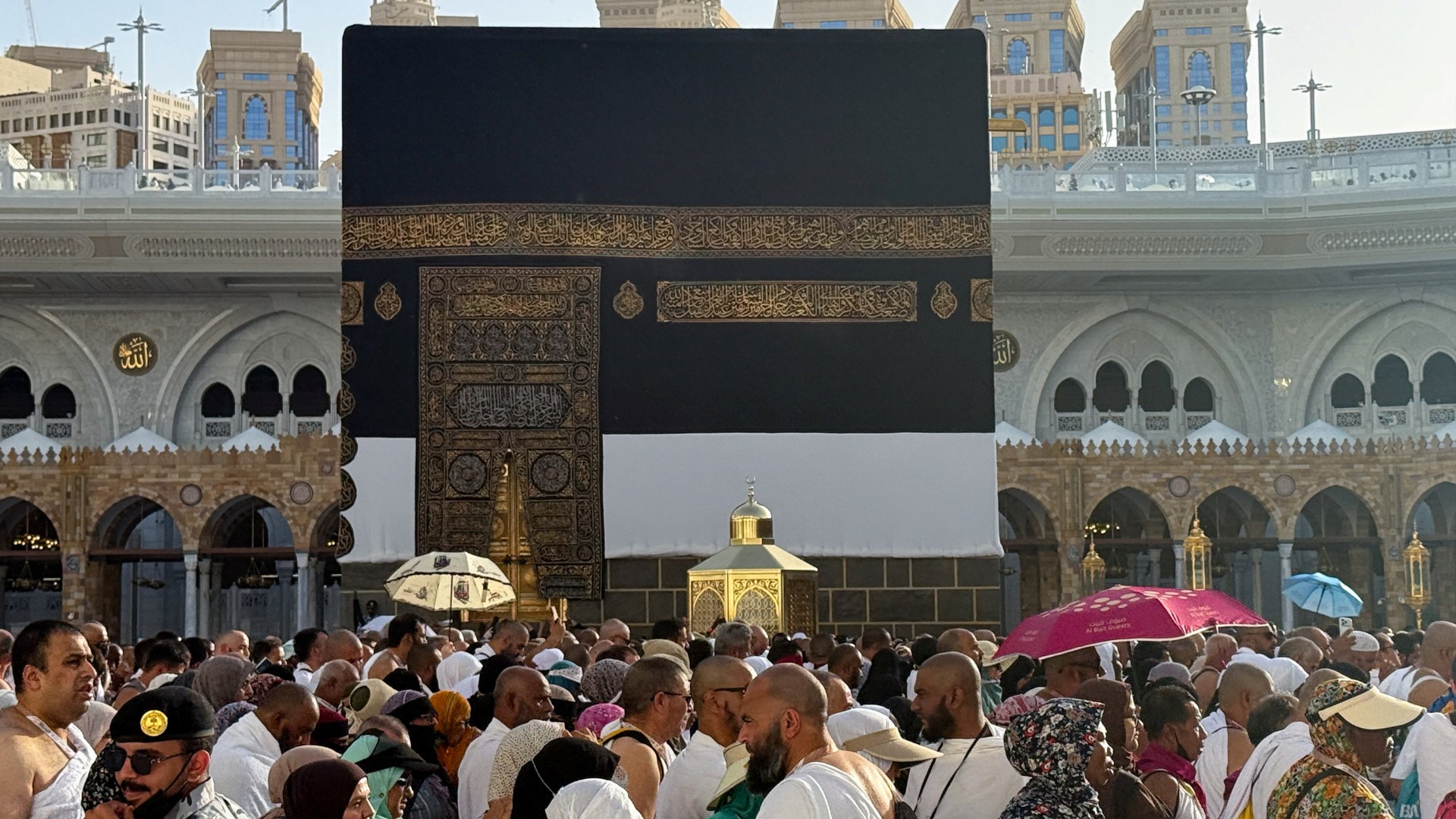
SynopsisPilgrims heading to Saudi Arabia for Hajj face higher travel costs. Airfares and packages have risen significantly due to increased fuel prices and air traffic disruptions. This impacts millions preparing for the religious obligation. Saudi Arabia's economy relies on religious tourism, with ongoing investments to enhance the pilgrim experience.AgenciesThe ongoing Iran-US war has increased the cost of travel for pilgrims heading to Saudi Arabia for this year's Hajj, with airfares and travel packages rising sharply across several countries. Higher fuel prices and disruptions to air traffic in the Gulf have pushed up travel expenses for millions of pilgrims preparing for one of Islam's most important religious obligations. In Egypt, which has the largest Muslim population in the Middle East, average airfare for Hajj travellers has increased to 50,000 Egyptian pounds ($956) from 30,000 pounds, according to the country's tourism federation, according to a Bloomberg report. Hajj travel packages have also become more expensive, rising by 30%, with some packages reaching 90,000 pounds compared with 70,000 pounds earlier. The six-day pilgrimage to the holy city of Mecca is generally required once in a Muslim's lifetime for those who are able to undertake it. This year's pilgrimage comes amid regional tensions that have affected aviation operations since February. Jazeera Airways, which is transporting more than 30,000 pilgrims from Russia and Central Asian countries to Saudi Arabia, said fares have increased by as much as 40% this season. The Kuwaiti airline attributed the rise to higher fuel costs and the fact that it did not hedge its fuel purchases.Hajj arrivals continue despite disruptions According to travel company WEGO, as quoted by Bloomberg, airfares to Saudi Arabia from major Muslim markets such as Egypt, Pakistan and India have increased between 20% and 40% compared with the same period last year. Some routes are now about 50% more expensive. Despite the disruptions affecting air travel across parts of the Gulf, Saudi Arabia has largely avoided direct impacts. However, the higher travel costs are expected to affect the more than 1.5 million foreign pilgrims who fly to the kingdom for Hajj each year.Religious tourism remains key revenue source Religious tourism has long been an important part of Saudi Arabia's economy. For many years, pilgrimage travel was the country's primary tourism activity and it continues to provide a stable source of revenue. Each country receives a quota that determines how many citizens can perform Hajj, and waiting lists remain common due to strong demand. Saudi Arabia has also made religious tourism a major part of its broader economic plans. The kingdom is investing in improving the pilgrim experience as it seeks to diversify revenue sources. (With Bloomberg inputs) (Join our ETNRI WhatsApp channel for all the latest updates)...moreElevate your knowledge and leadership skills at a cost cheaper than your daily tea.Subscribe Now
Hajj travel becomes costlier for pilgrims as Iran-US war disrupts Gulf air routes - The Economic Times
Pilgrims heading to Saudi Arabia for Hajj face higher travel costs. Airfares and packages have risen significantly due to increased fuel prices and air traffic disruptions. This impacts millions preparing for the religious obligation. Saudi Arabia's economy relies on religious tourism, with ongoing investments to enhance the pilgrim experience.
465 words~2 min read