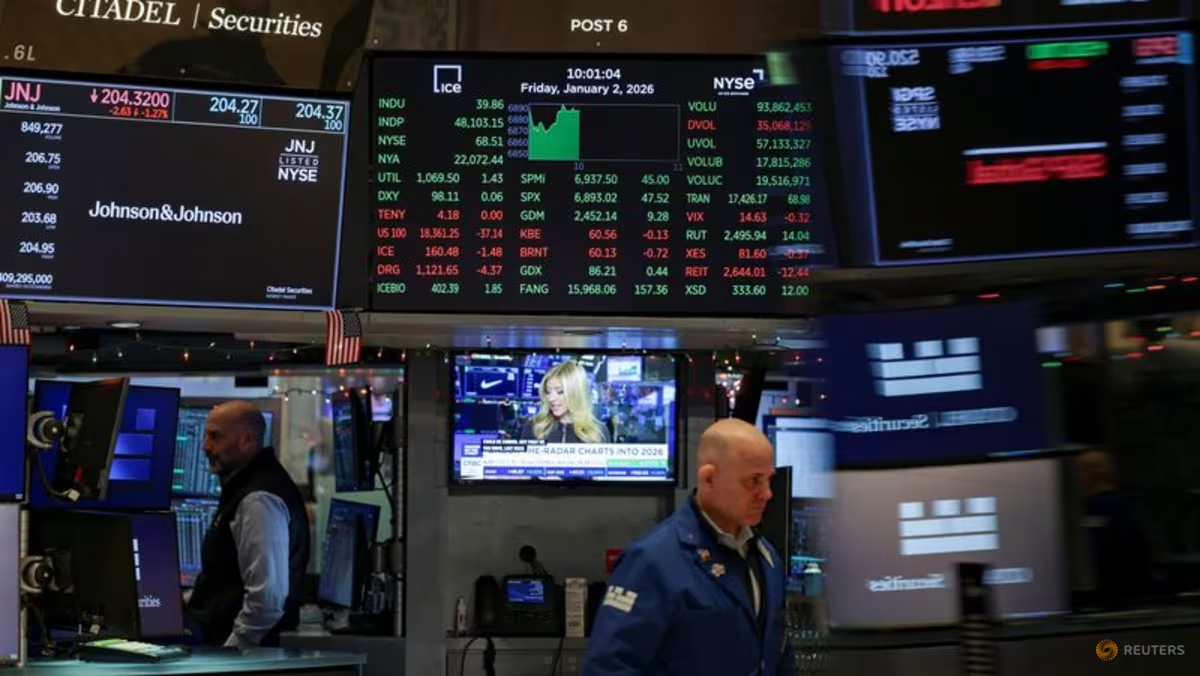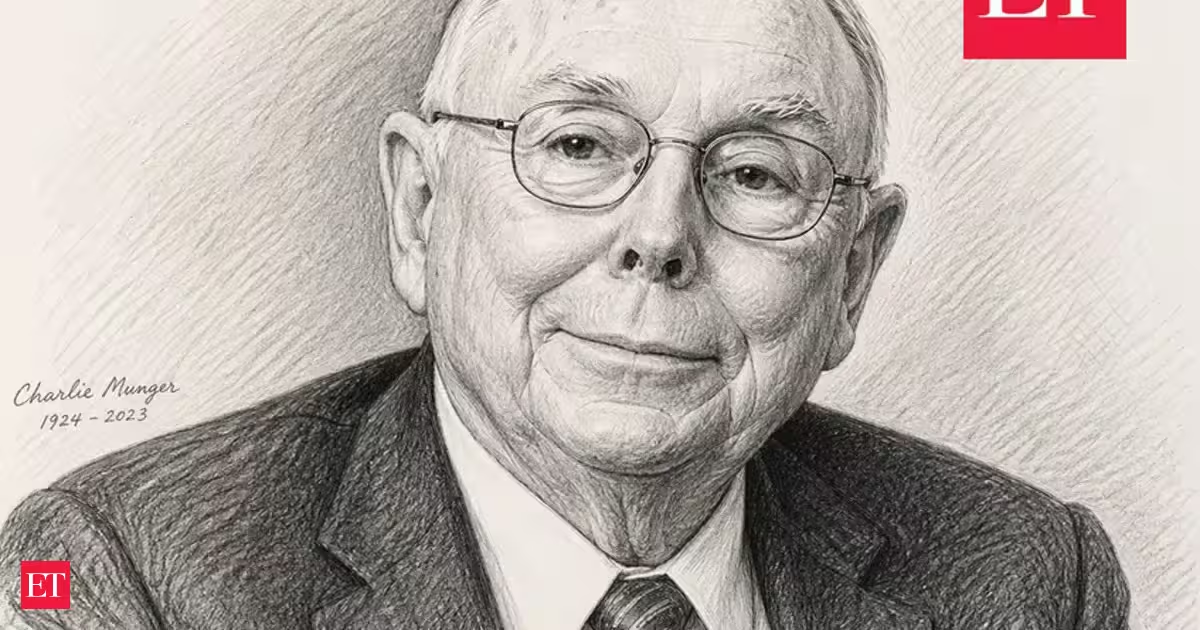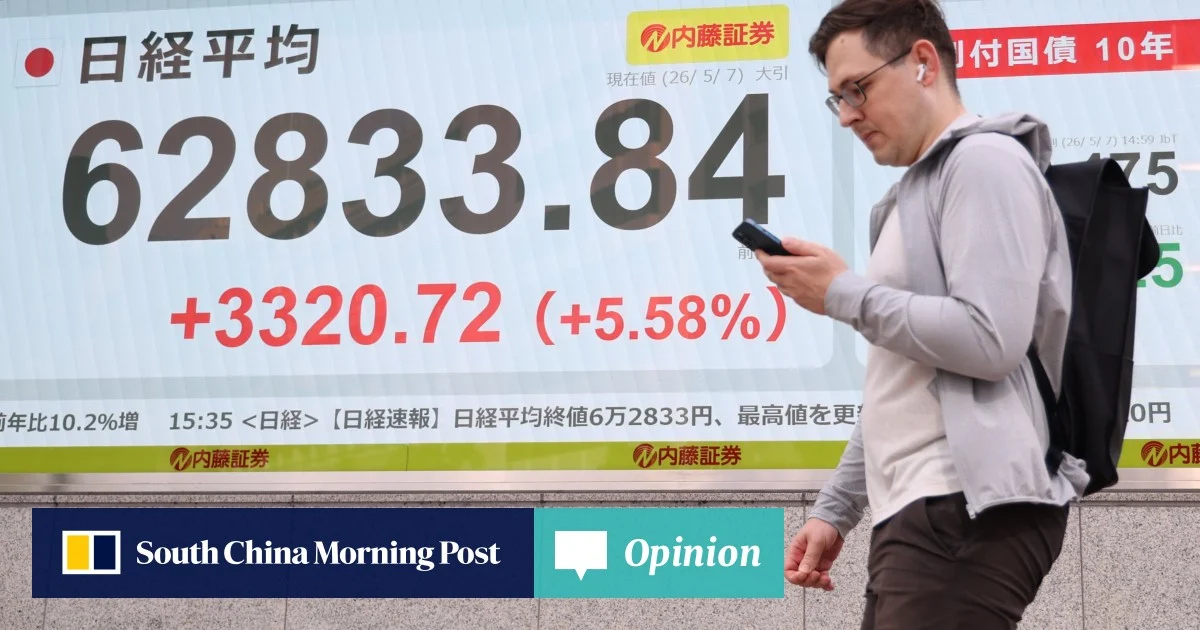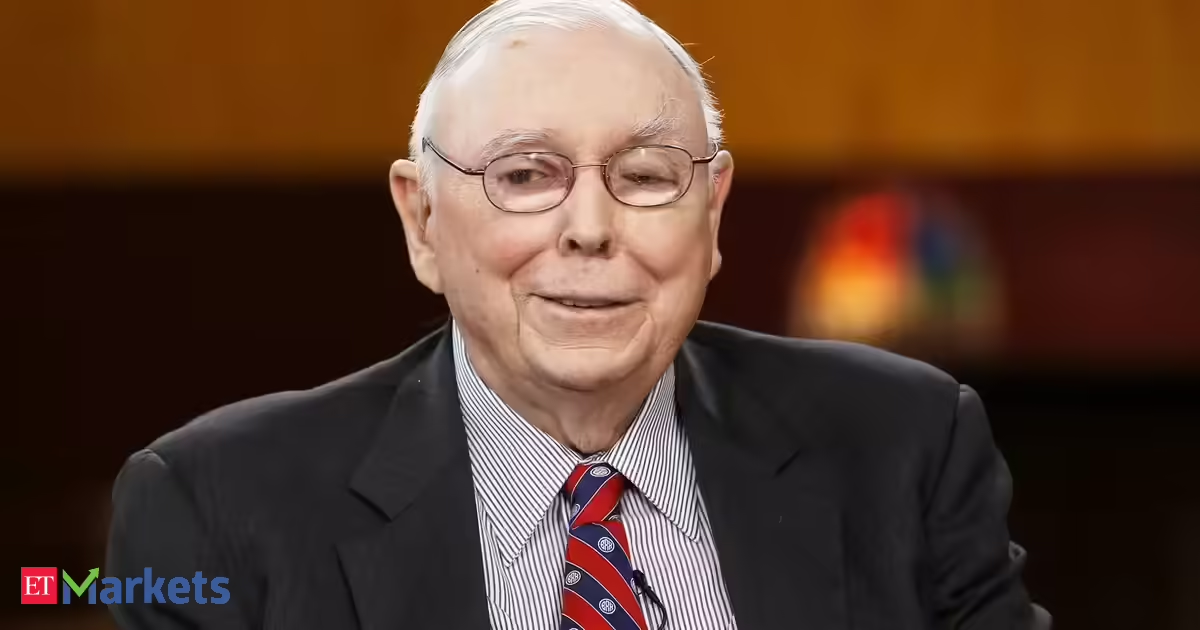
In an environment where global equities are swinging between optimism around AI-led growth and anxiety over persistent inflation, elevated interest rates, and geopolitical uncertainty, investors are once again being tested, not on intelligence, but on psychology.Charlie Munger’s famous list of “human misjudgment tendencies” is not just a philosophical framework. It is, in today’s market, a practical survival guide.Markets in 2026 are still being shaped by three dominant forces:(1) higher-for-longer interest rates, (2) liquidity concentration in a few mega-cap stocks, and (3) emotionally driven retail participation.Against this backdrop, Munger’s behavioral warnings feel unusually relevant.1. The real enemy is not volatility, but emotional distortionMunger repeatedly warned that investors don’t lose money because they lack information, they lose because they misprocess it.Today’s markets amplify that problem.Every CPI print, Fed commentary, or geopolitical headline triggers immediate overreaction. Investors are constantly pulled between fear of missing out (FOMO) in AI-led rallies and fear of correction during rate jitters.This is a classic combination of:Availability bias (overweighting recent news)Social proof (following crowded trades)Stress-induced reaction (panic buying or selling)In Munger’s language, this is the setup for “avoidable stupidity.”2. “Envy and FOMO” are silently driving modern portfoliosOne of Munger’s strongest warnings was about envy, not as emotion, but as a financial destroyer.In today’s market, envy doesn’t look like jealousy of a neighbour. It looks like:Chasing AI stocks after they’ve already rerated sharplyComparing portfolio performance with index benchmarks dailyAbandoning long-term positions because “others are making faster money”When liquidity is abundant in a narrow set of names, envy becomes structurally embedded in portfolio behaviour. Investors are no longer asking “Is this a good business?” but “Am I missing this move?”That shift is dangerous in a market where leadership is concentrated and reversals can be abrupt.3. The “Lollapalooza effect” is stronger than everMunger described the Lollapalooza effect as multiple biases reinforcing each other into extreme outcomes.Today’s version looks like this:Social media hype amplifies narrativesAlgorithmic flows reinforce momentumPassive inflows concentrate capital into large indicesRetail traders amplify short-term spikesThe result: prices detach from fundamentals faster, and corrections become sharper when sentiment shifts.This is why today’s rallies often feel effortless, but reversals feel violent.4. Overconfidence is rising with “easy market memories”A prolonged period of strong returns, especially in largecap tech, creates what Munger called “excessive self-regard”.Many investors now assume:“Buying dips always works”“Quality stocks never go down much”“The Fed will rescue markets eventually”But in a higher-rate regime, that assumption is no longer guaranteed. Valuation compression risk is real, and earnings must now do more of the heavy lifting.Confidence built in one regime often breaks in another.5. The biggest risk today: avoiding pain too aggressivelyOne of Munger’s less discussed but critical ideas is “pain-avoidance behavior”.In today’s context, it shows up as:Selling winners too early to “lock in gains”Avoiding fundamentally strong but volatile sectorsSitting excessively in cash due to fear of drawdownsIronically, in trying to avoid discomfort, investors often underperform the very market they are trying to survive.6. What works in today’s market: Munger-style disciplineIf we translate Munger’s philosophy into today’s environment, a few principles stand out:(1) Concentrate only when conviction is realNot based on stories, but on durable cash flows and long-term pricing power.(2) Expect volatility as a feature, not a flawEven high-quality companies will see sharp drawdowns in a rate-sensitive world.(3) Reduce decision frequencyMost mistakes come from over-trading emotional signals disguised as “information.”(4) Build a bias checklistBefore acting, ask:Am I reacting to news or value?Am I following the crowd?Would I make this decision in isolation?7. The current market lesson in one lineIf Munger were observing today’s markets, the warning would likely remain unchanged:“The biggest returns still come from avoiding obvious psychological errors, not from predicting the next move.”Bottom lineToday’s markets are not irrational, but they are emotionally amplified. Liquidity, technology, and information speed have not removed human bias; they have accelerated it.That is exactly the environment where Munger’s framework becomes most powerful. Because in the end, investing success is still less about knowing more, and more about misbehaving less.
How Charlie Munger’s behavioral lessons apply to today’s market reality
Global markets face AI optimism and inflation anxiety. Charlie Munger's insights on human misjudgment offer a survival guide. Higher interest rates, concentrated mega-cap liquidity, and retail participation drive current trends. Investors must manage emotional distortions like envy and FOMO. The Lollapalooza effect amplifies biases. Overconfidence from past gains is risky. Avoiding pain too aggressively can lead to underperformance.
653 words~3 min read