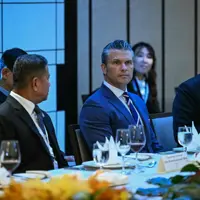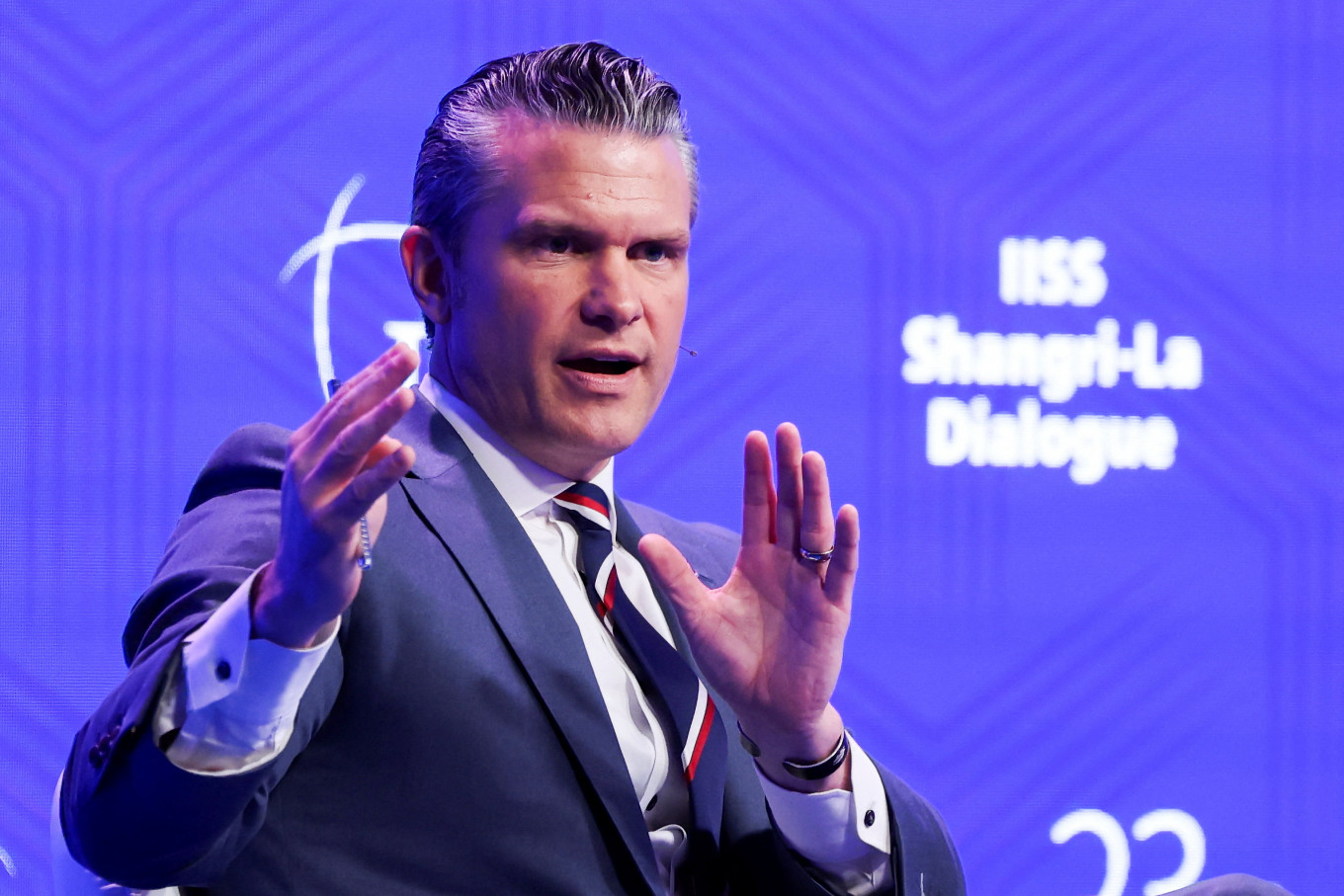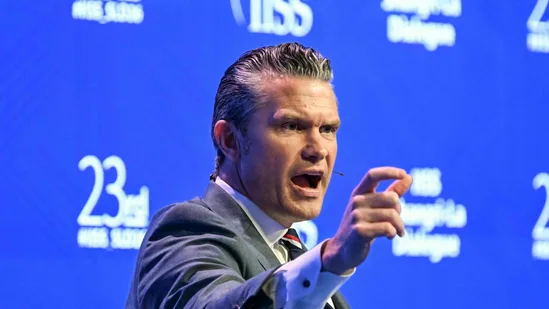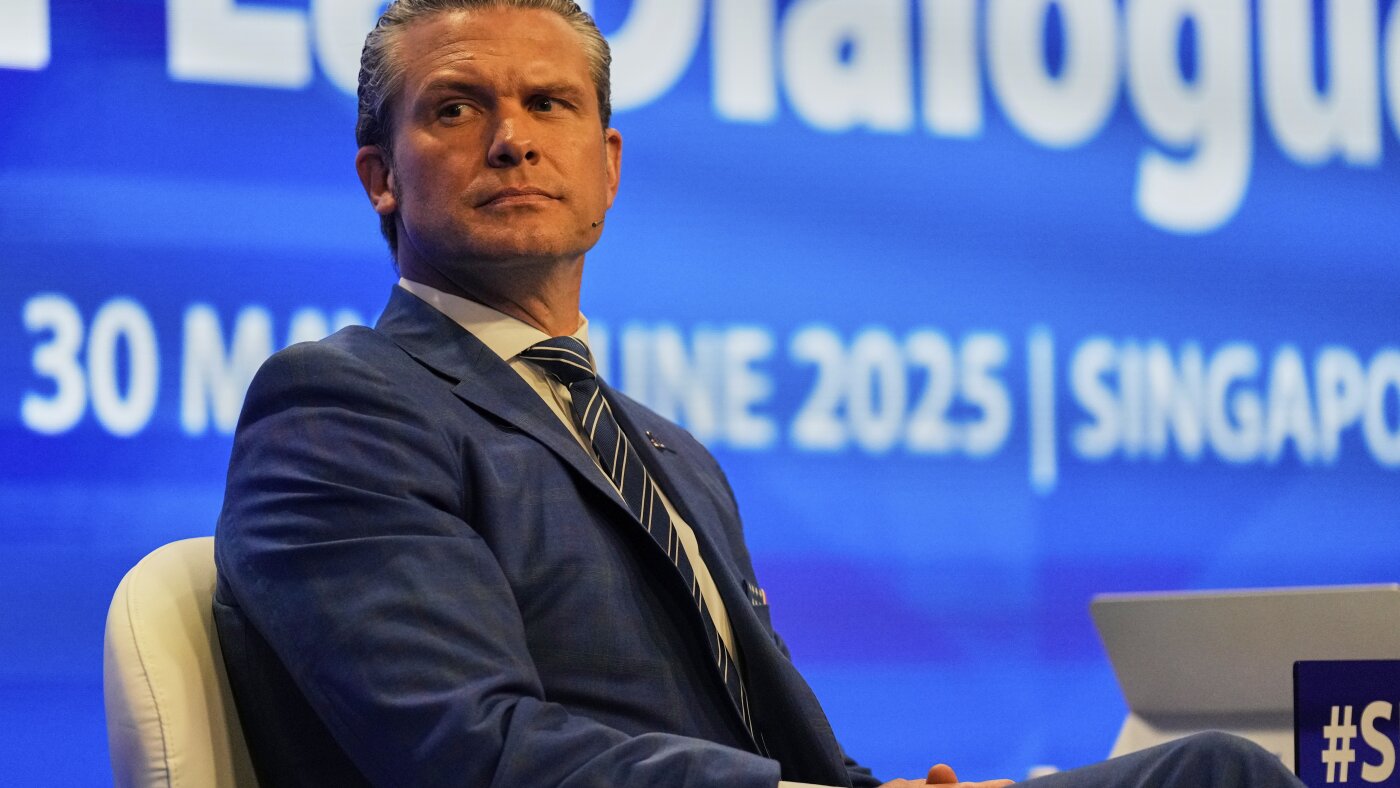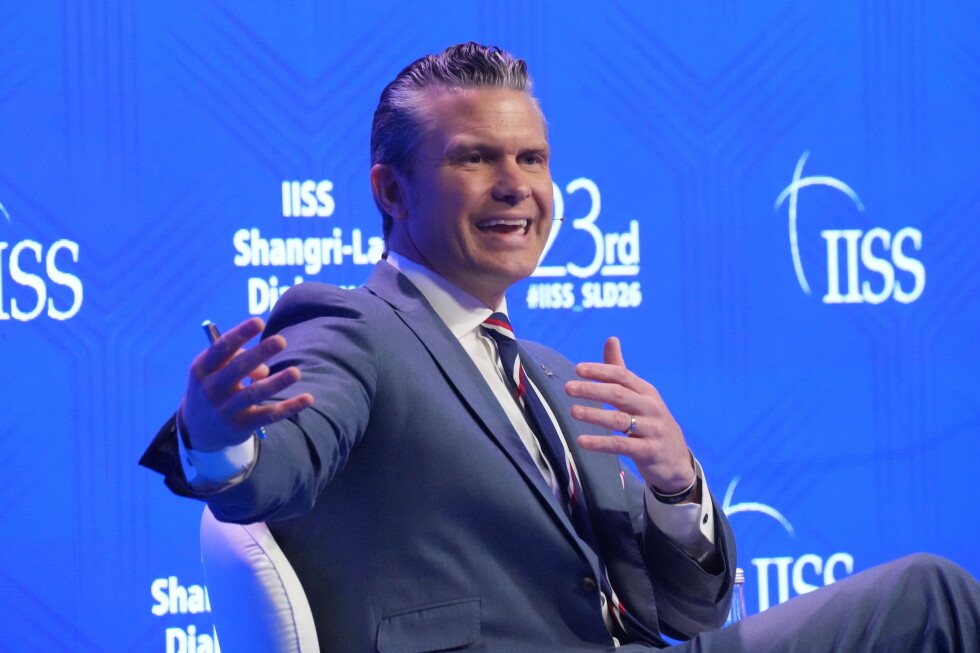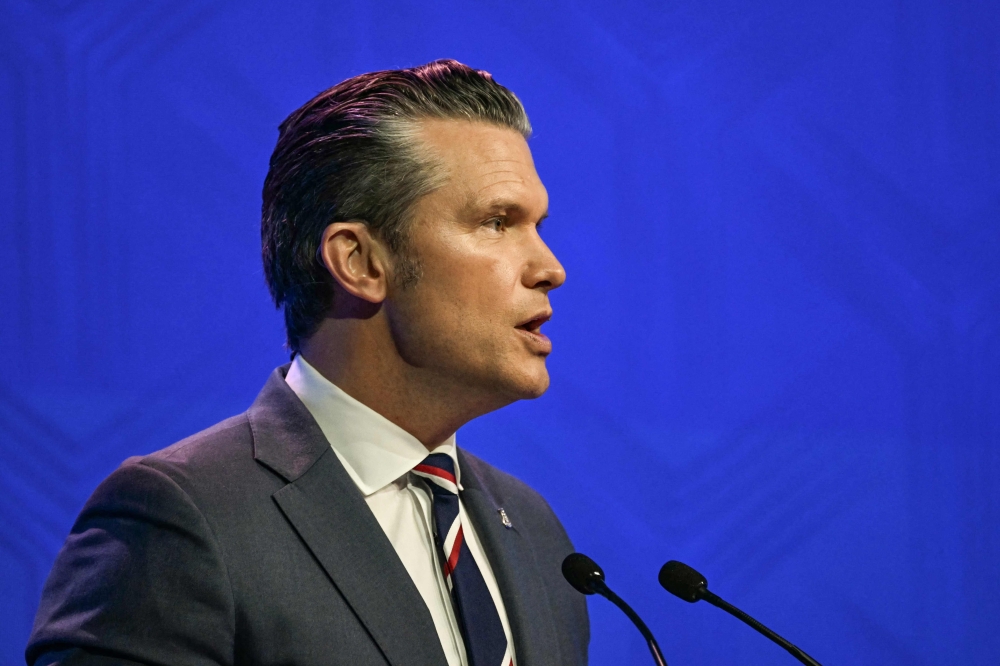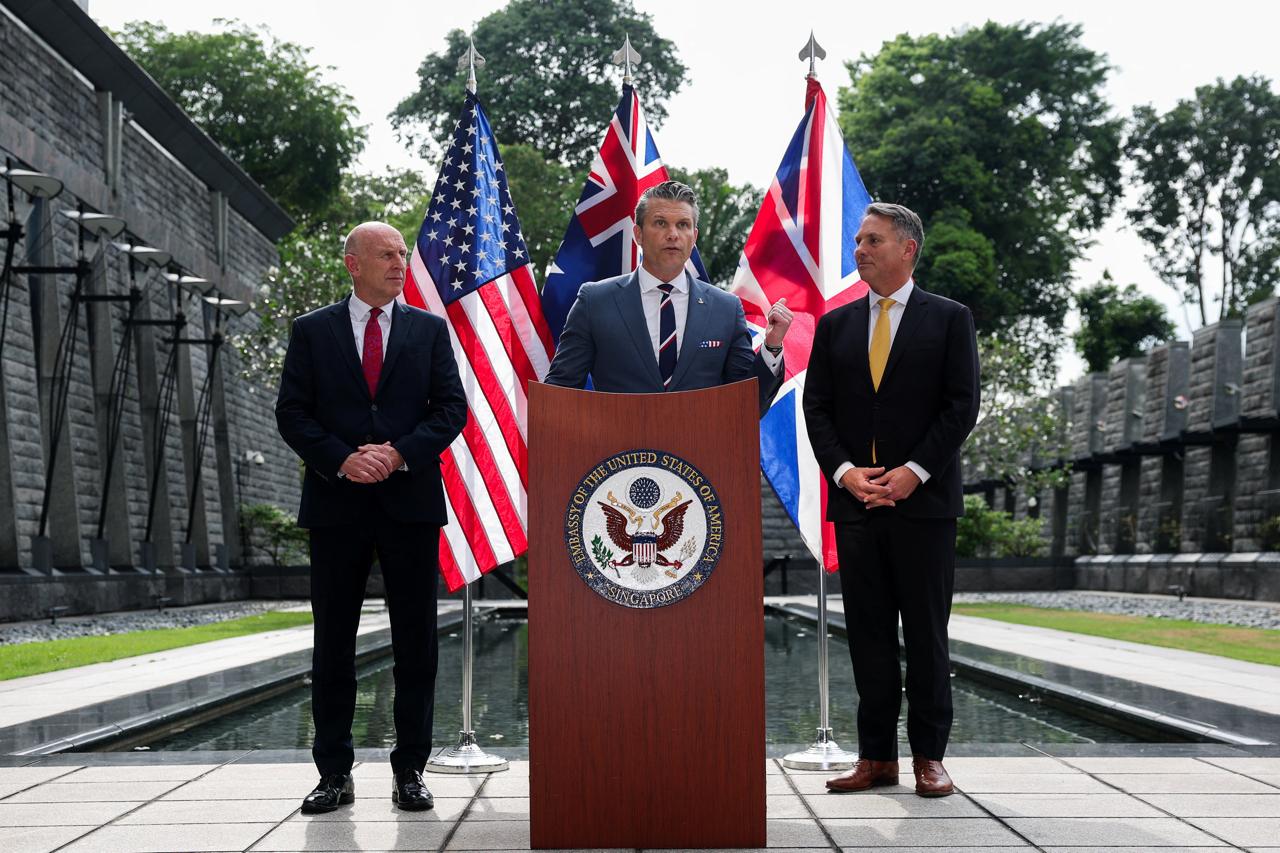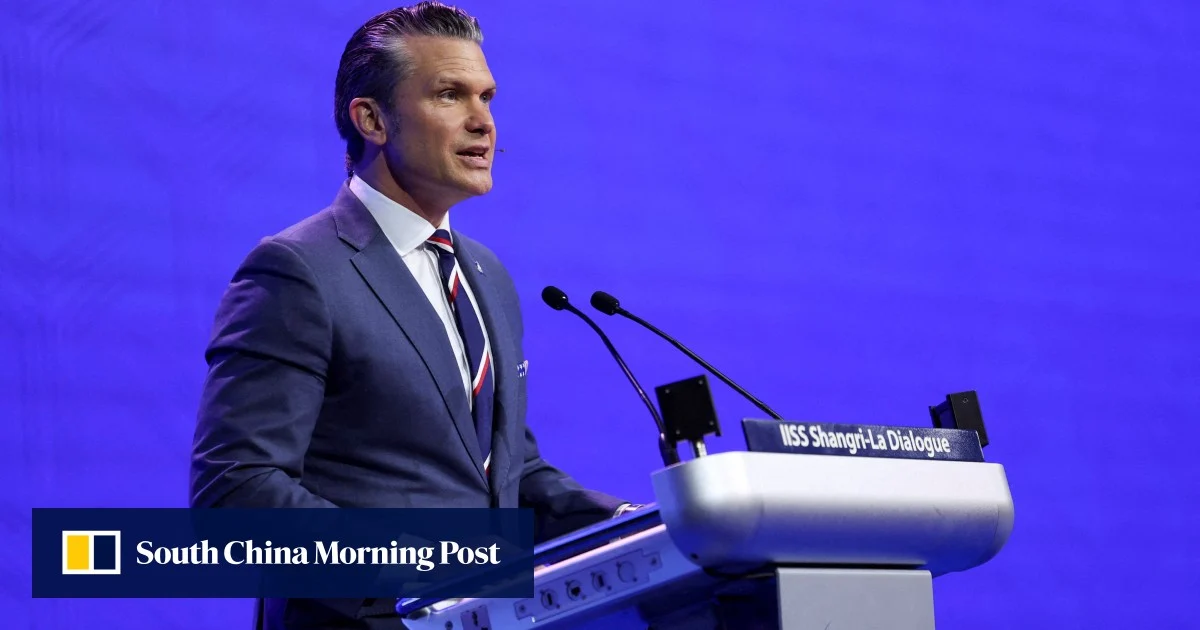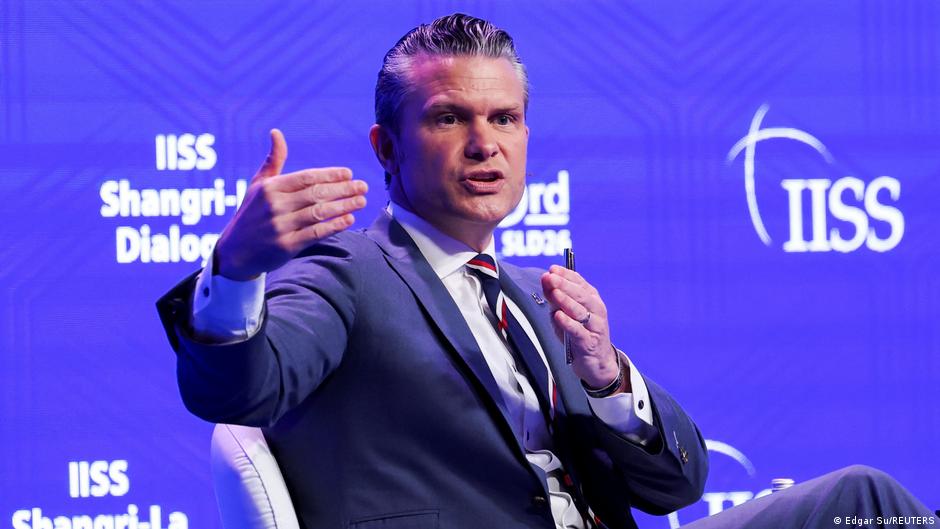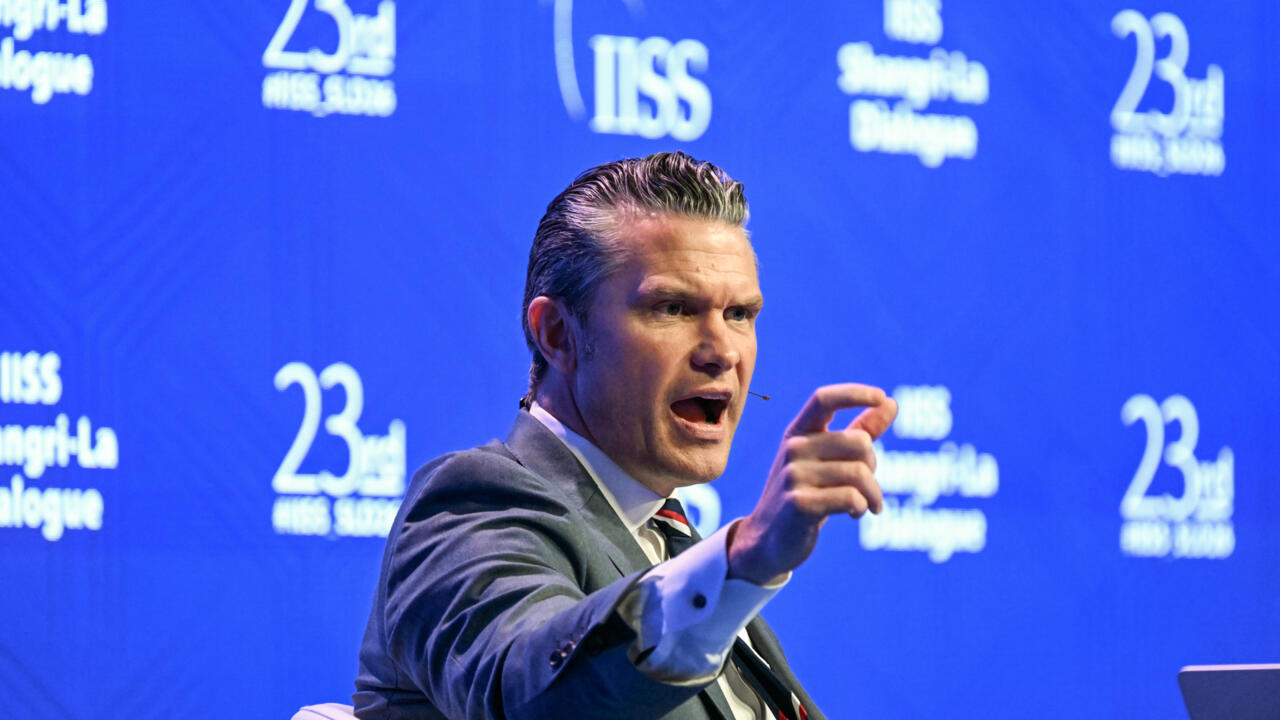
Hegseth's headline speech at Singapore's Shangri-La Dialogue, which brings together top defence officials and experts from about 45 countries, contrasted with his strongly confrontational remarks on China at last year's gathering.Unlike Beijing, which has sent a panel of military experts and scholars instead of Defence Minister Dong Jun for the second year running, Hegseth is leading a bumper US delegation to the event that provides chances for both open debate and behind-closed-doors diplomacy."When we look across the region today, there is rightful alarm regarding China's historic military build-up and the expansion of its military activities in the region and beyond," Hegseth said.Washington does not seek "needless confrontation in the region", but rather "a genuinely stable equilibrium (in Asia) that works for Americans as well as our allies", he said.
Delegates attend a plenary session of the 23rd Shangri-La Dialogue summit in Singapore on May 30, 2026 © JAM STA ROSA / AFP
That means "a favourable but durable balance of power in which no state, including China, can impose its hegemony and hold the security or prosperity of our nation and our allies in question", he added.Hegseth said the United States sought "respectful" and "good-faith" engagement with Beijing, adding: "I wish my counterpart was here at this conference, but I look forward to other options when we can cross paths."Trump visited China this month, talking up "fantastic" trade deals but giving few details and later suggesting Washington could use its arms sales to self-ruled Taiwan as a bargaining chip with Beijing.There had been "no change" in Washington's stance towards Taiwan, but "any decision about future Taiwan arms sales... will rest with" Trump, Hegseth said.Vibe shiftThe remarks contrasted sharply with last year's event, when Hegseth painted China as a potentially "imminent" threat to security and outlined a swaggering vision of muscular American deterrence.He also took potshots at Beijing's absent minister last year, saying: "We are here this morning, and somebody else isn't."Chinese delegate Da Wei, director of the Center for International Security and Strategy at Beijing's Tsinghua University, said this year's address was "much more moderate".However, he found Hegseth's depiction of China "ironic", adding: "Everyone in the room must have been thinking: who is really hegemonic?"Given what the US is doing in Iran and has done in Venezuela, I think it's clear to everyone," Da said.US delegate Tammy Duckworth, a Democratic senator and strong Trump critic, said she was "somewhat disturbed" by Hegseth's remarks, viewing them as overly conciliatory towards China."I worry that this administration is being distracted into wars that they've started in other parts of the world at the expense of our commitment here in the Indo-Pacific," she told reporters.