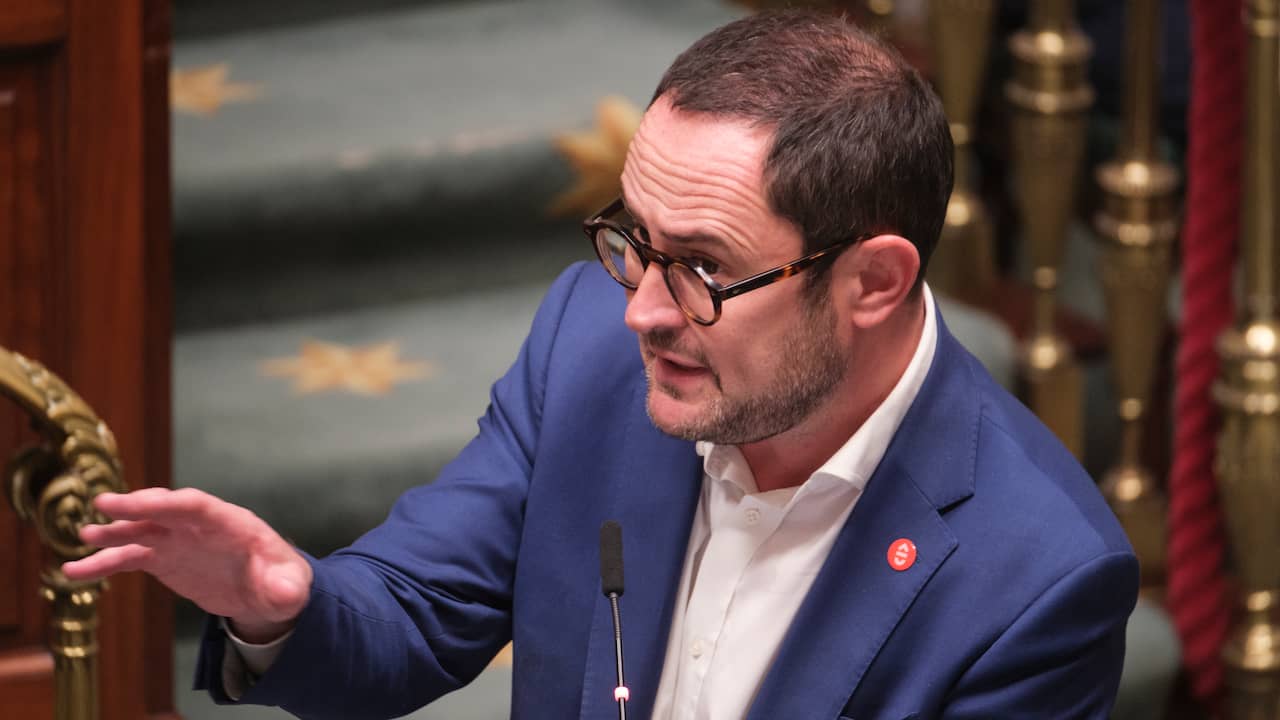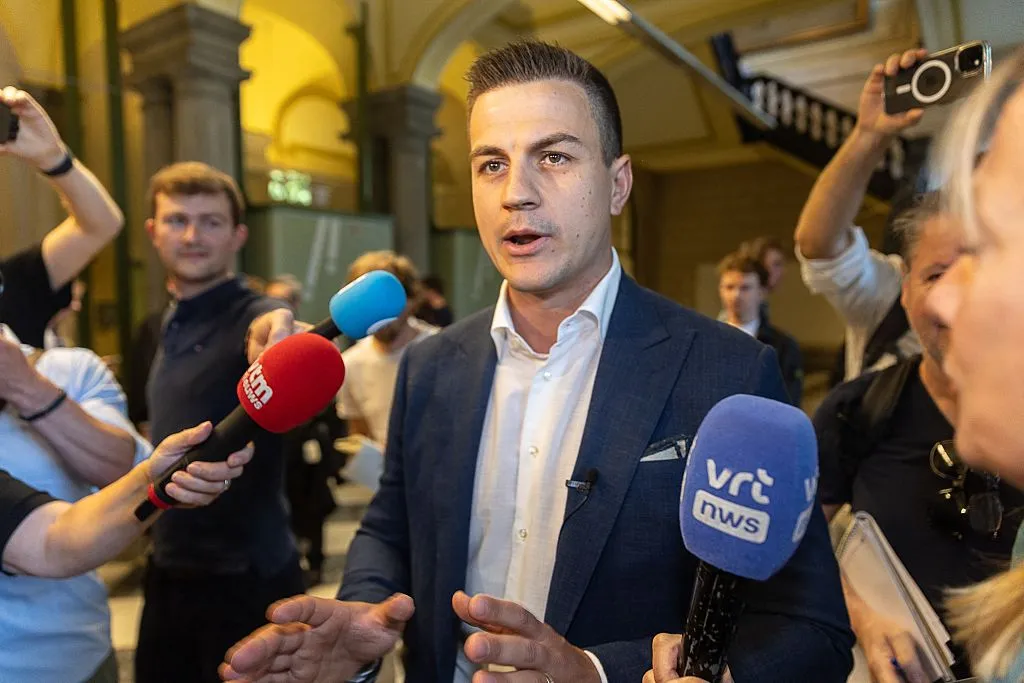
The conviction by a Belgian court of far-right activist Dries Van Langenhove has alarmed both the country’s right and left. Van Langenhove – let there be no doubt – belongs to some of Belgium’s darker far-right movements. He has previously been convicted of racism and Holocaust denial. Yet he has now been fined €4,000, for what the judge described as ‘apparently having the intention’ to incite hatred and violence, rather than for a crime he was clearly proven to have committed.
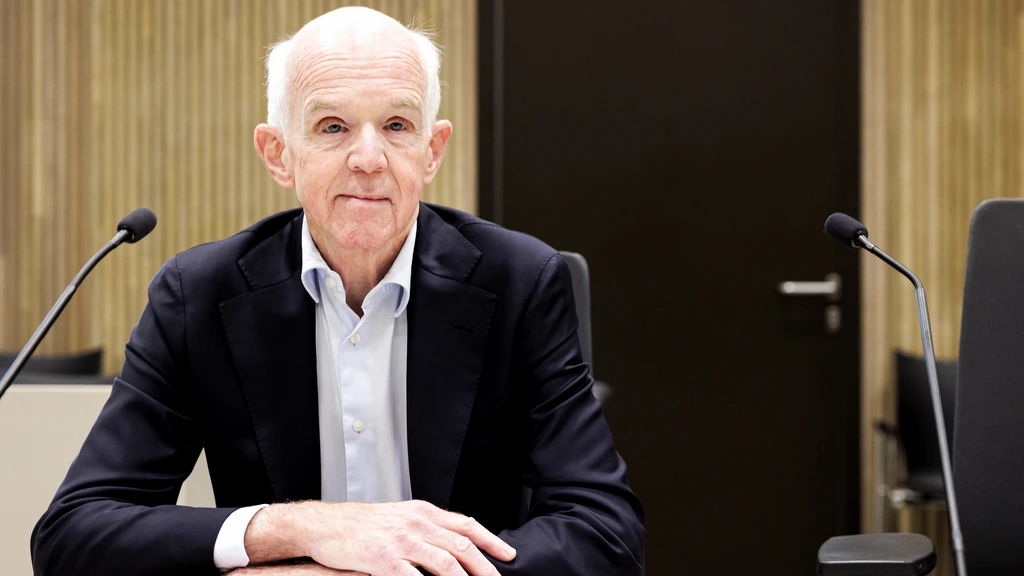
Bart Eeckhout, chief commentator of Belgium’s left-leaning daily De Morgen – certainly no friend of Van Langenhove – unexpectedly described the conviction for incitement to hatred, violence and racism as an injustice. Eeckhout’s objection to the court’s ruling lies in the absence of clear legal grounds.
Freedom of expression is a fundamental right that exists not so much to protect respectable opinions, but precisely to protect shocking, offensive or reprehensible ones
Van Langenhove’s conviction dates from a lecture delivered to the Flemish-nationalist student fraternity ‘NSV’ at Leuven University in February 2024. According to the judge’s ruling, Van Langenhove’s core message on that occasion was that many of the problems facing Flanders today – including declining educational standards, rising insecurity, the disproportionately high number of people with a migrant background in the country’s prisons, the housing shortage, and the strain on the social security system – stem from ‘multiculturalism’.