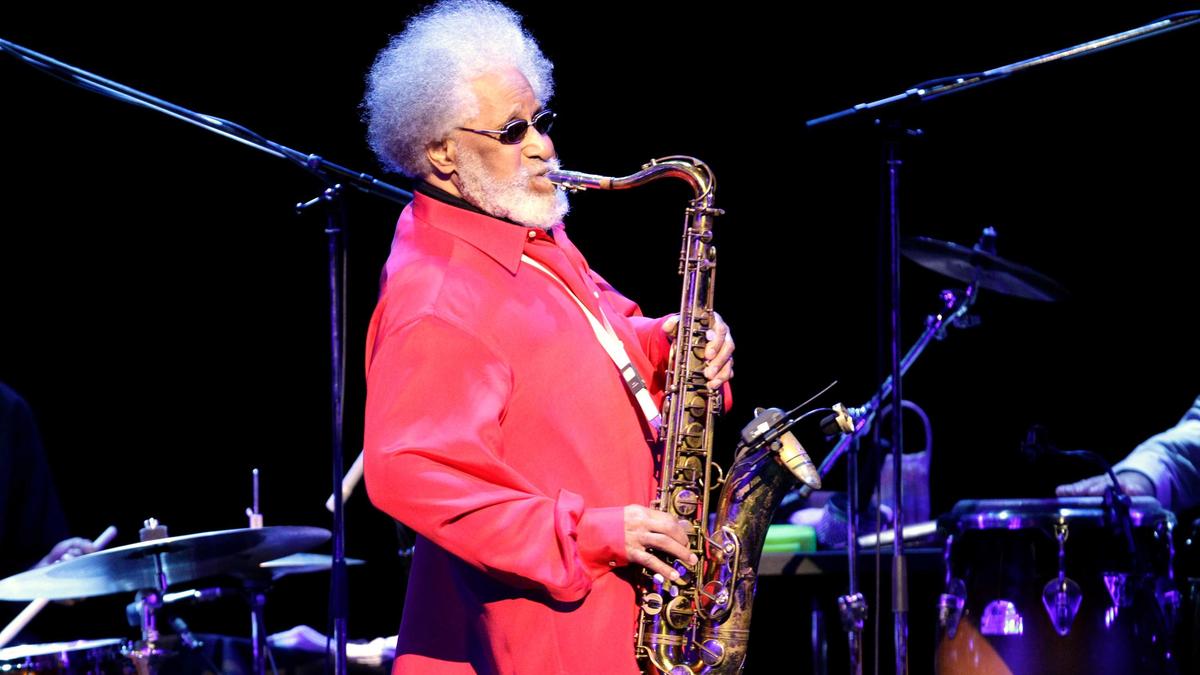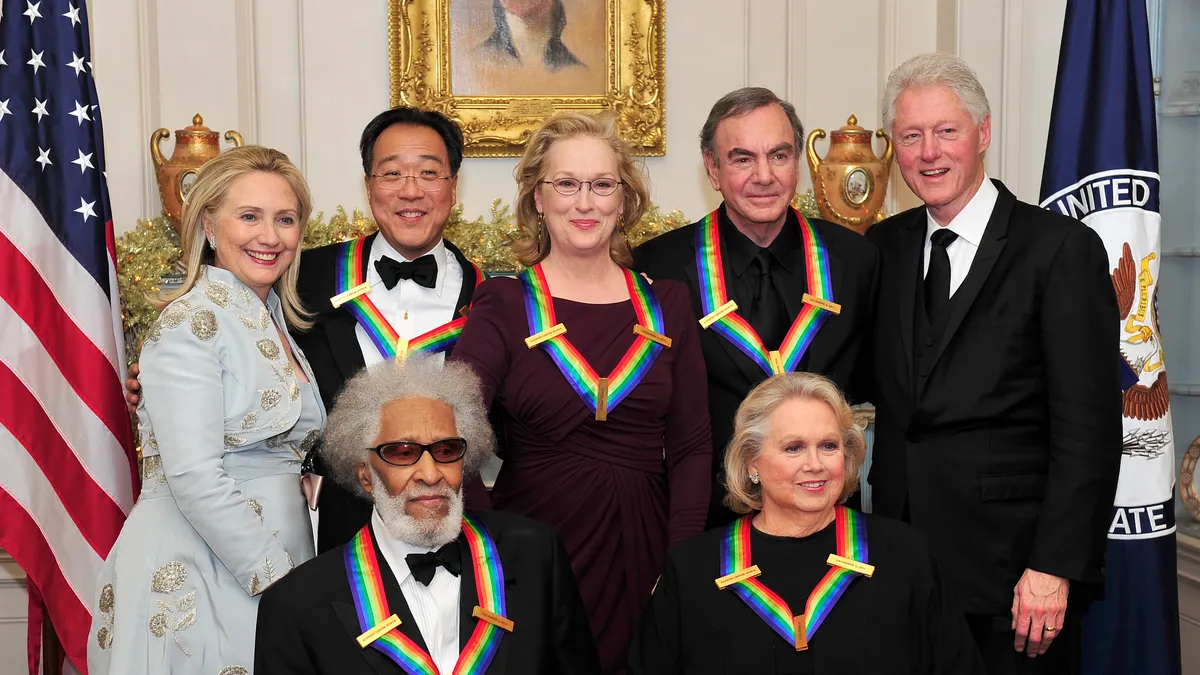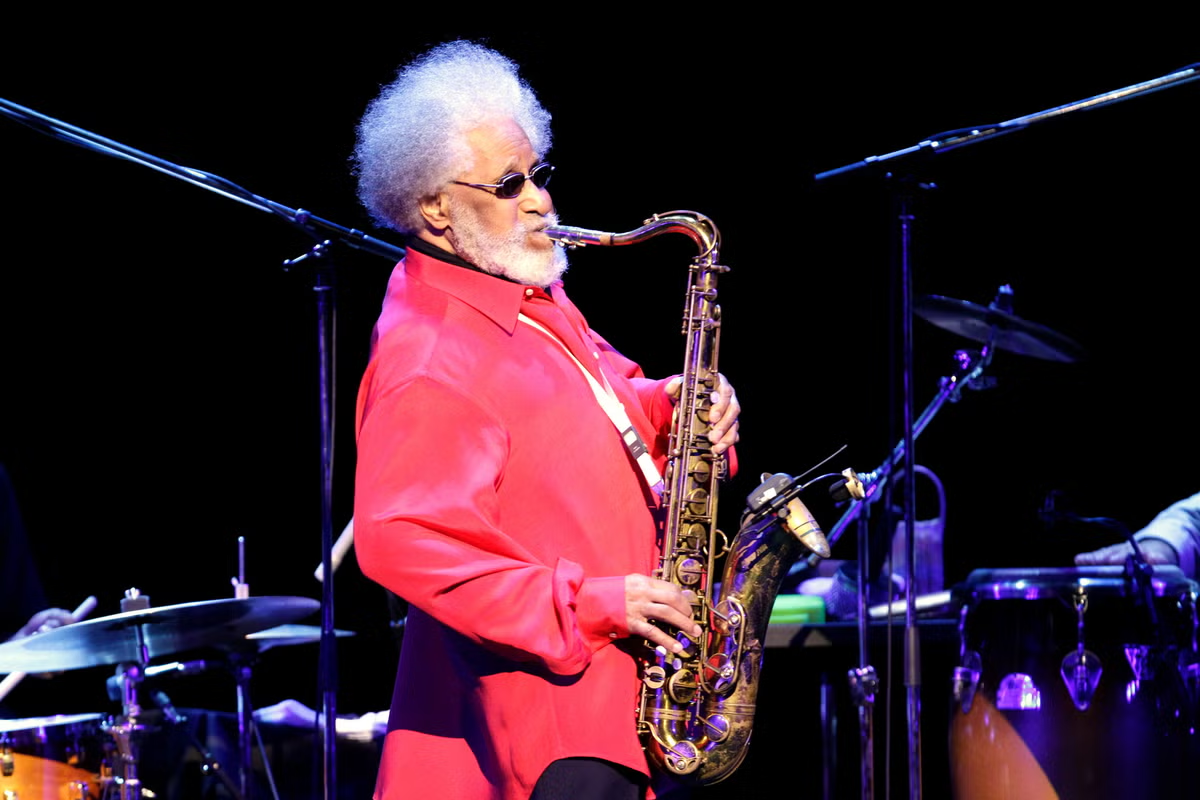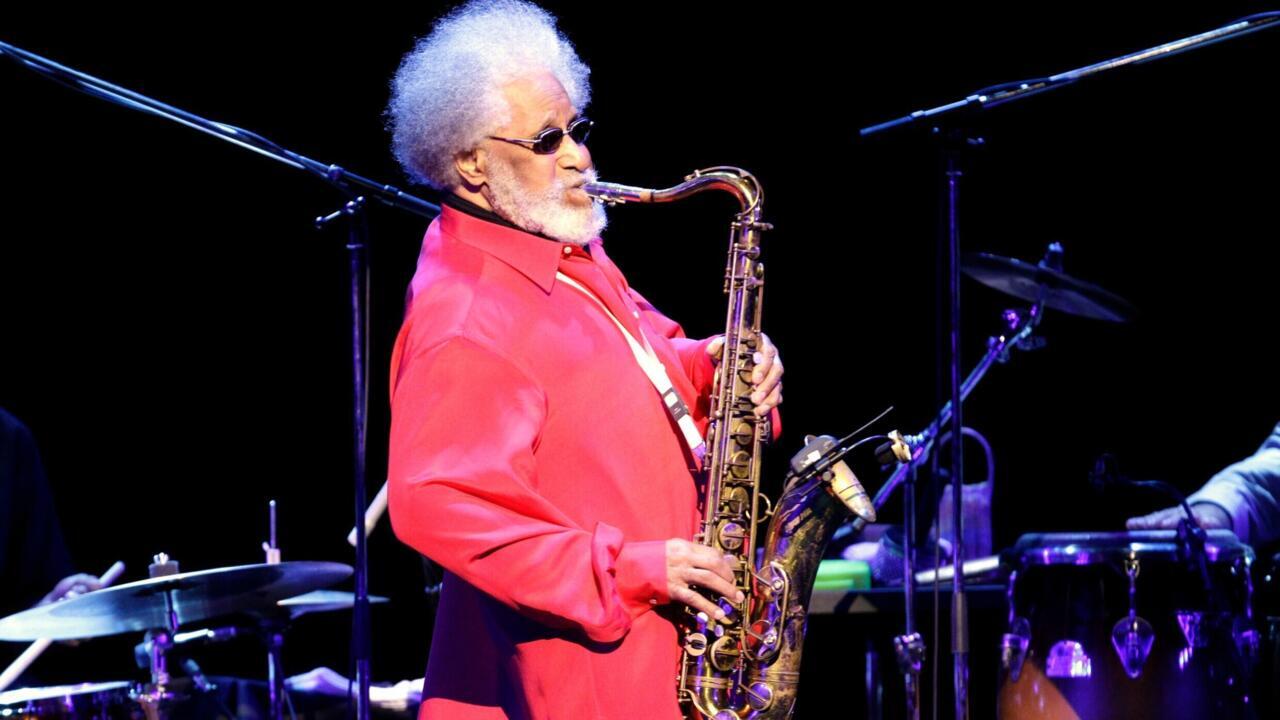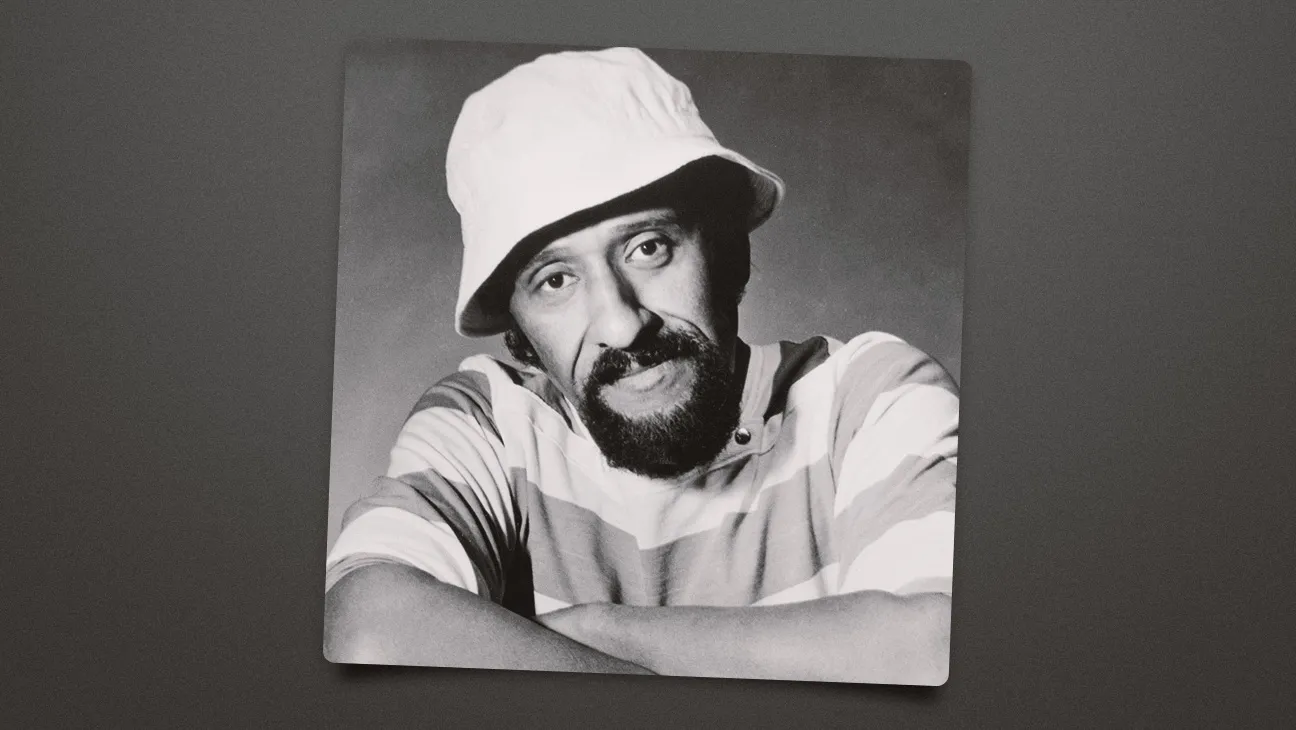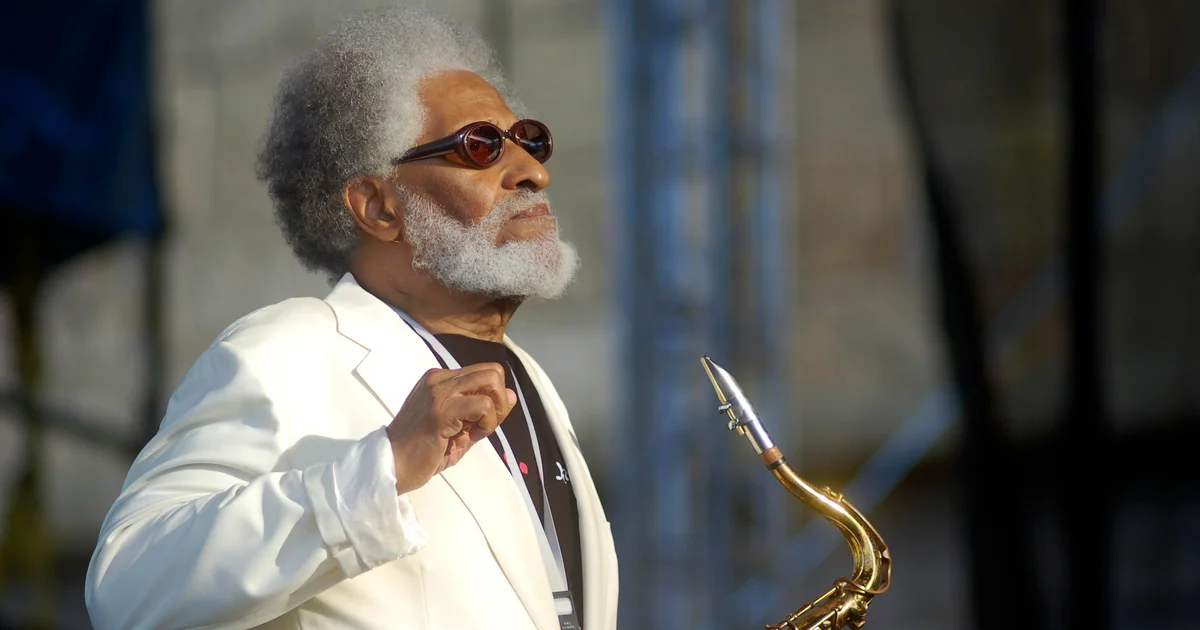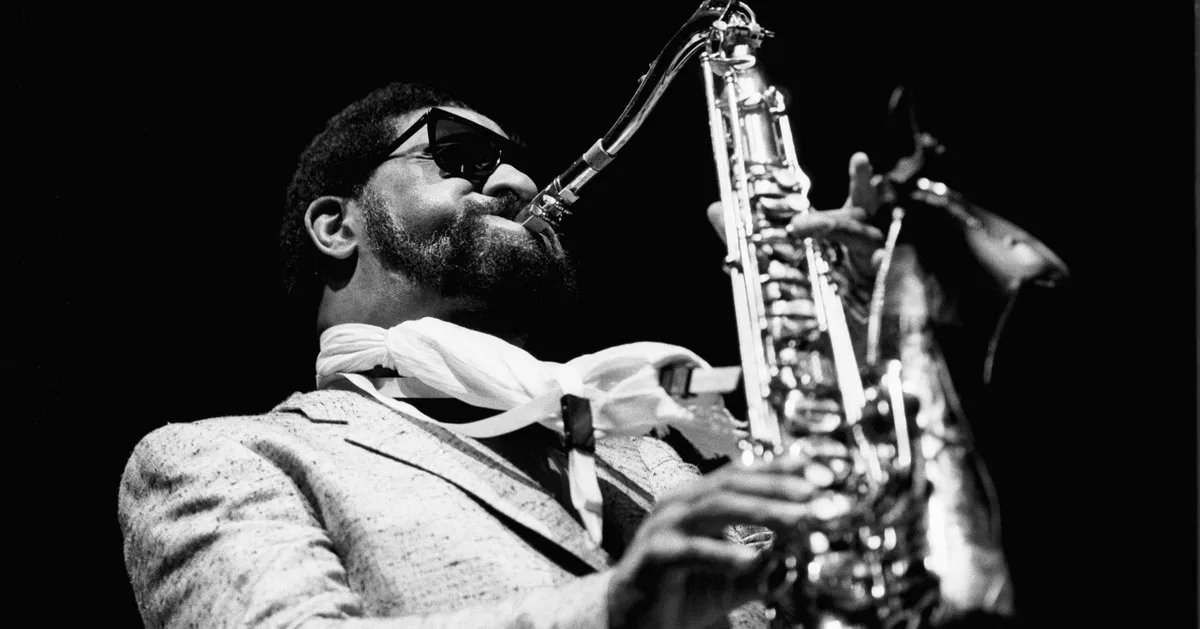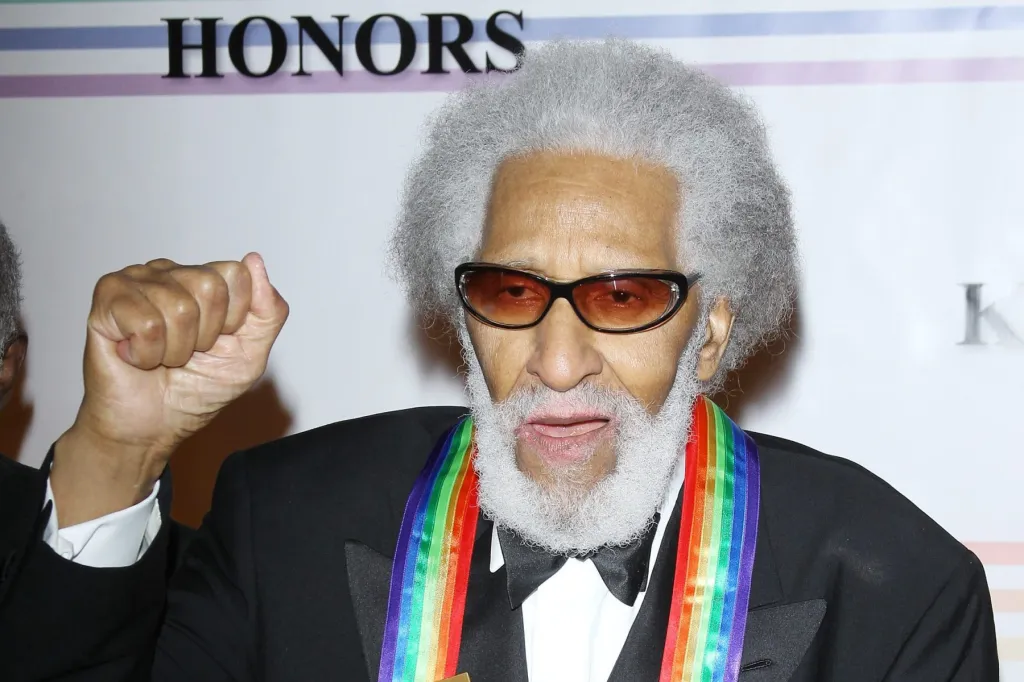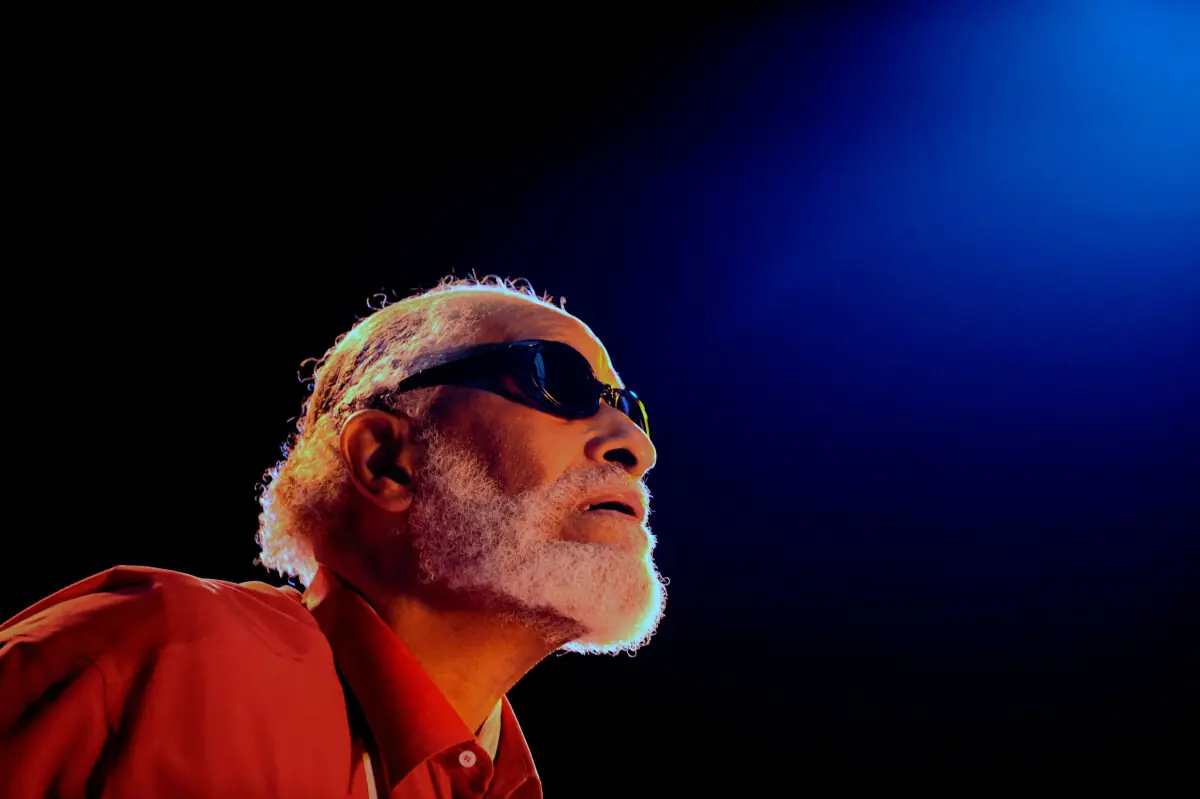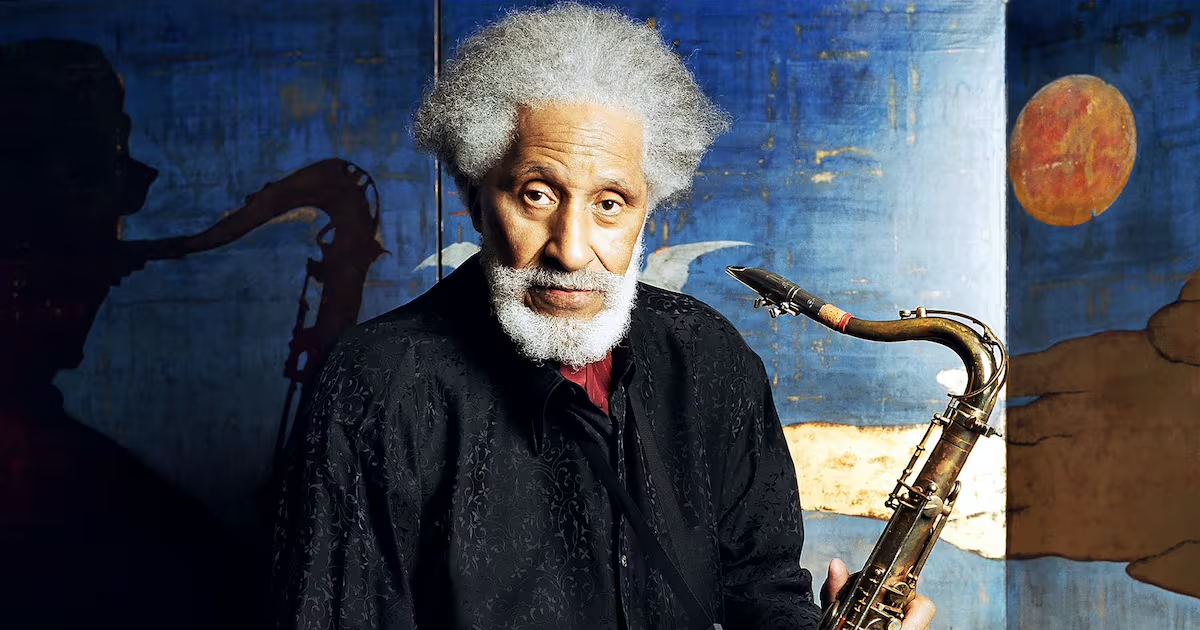
Born: September 7th, 1930Died: May 25th, 2026Sonny Rollins, whose forceful and imaginative approach to the tenor saxophone made him one of the dominant jazz musicians of the post-second World War era, has died at his home in Woodstock, New York. He was 95.Even by the standards of a music that prizes individuality, Rollins stood out, as both a musician and a personality.Rollins came of age when a new kind of jazz known as bebop was in ascendance, and from the start his playing was suffused with bebop’s harmonic sophistication and rhythmic daring. To classify him as a bebopper, however, would be an oversimplification.Over the years he flirted with the avant-garde, jazz-rock fusion and other styles. But with his ferocious energy, his penchant for playing the unexpected note at the unexpected moment, and his unusual sound – sometimes harsh and mocking, sometimes lush and romantic – he was ultimately unclassifiable.“The music I play is too big to be put into any one style,” he told an interviewer in 2002. “Every time I pick up the horn, I want to hear something fresh.”That commitment to freshness was the key to Rollins’s approach, and to his appeal. Jazz critic Francis Davis wrote in 2000 that Rollins “is the greatest living jazz improviser, and if we redefine virtuosity to include improvisational cunning as well as instrumental finesse (as we probably should when discussing this music), he may be the greatest virtuoso ever produced by jazz”.Rollins was rarely satisfied with his own playing; he often came away from a performance or a recording session proclaiming that he was sure he could have done better. “The real playing happens on a subconscious level, and at that point the clichés don’t happen,” Rollins told The New York Times in 1989. “When I’m really playing, my mind is completely blank.”Sonny Rollins was born in Harlem on September 7th, 1930, the youngest of three children of Valborg (Solomon) and Walter Theodore Rollins, immigrants from the Virgin Islands. [ Sonny Rollins, saxophone ‘colossus’ who honed his sound on a New York bridge, dies at 95Opens in new window ]His full name was for many years given by most sources as Theodore Walter Rollins, but he later said that he was actually named after his father, a naval steward, and had reversed his first and middle names shortly after becoming a professional musician because problems with the law had made it hard for him to get working papers under his real name.He began studying music at an early age, and was playing saxophone professionally before he was out of his teens. He made his first recordings in 1949, with singer Babs Gonzales, and he was soon in demand on the New York jazz scene, working with major figures including Miles Davis, Thelonious Monk and Bud Powell.Rollins’s career was briefly derailed in the early 1950s when, like many other jazz musicians of his generation, he became addicted to heroin. But by 1955 he had overcome his addiction and achieved national prominence as a member of the popular quintet led by drummer Max Roach and trumpeter Clifford Brown.Through his work with that group, and on a series of albums he recorded as a leader between 1956 and 1958, Rollins established himself as one of the most inventive jazz musicians of his generation.In 1956 alone, he recorded two albums that came to be regarded as classics: Tenor Madness, which included his only recorded meeting with fellow saxophonist John Coltrane, and Saxophone Colossus (the title referred both to his physical stature and to his rapidly growing artistic one). A year later, frustrated by what he saw as the harmonic limits imposed by having a pianist play chords behind his improvisations, he began performing and recording accompanied only by a bassist and drummer, an unusual (though not unprecedented) approach at the time. (Pianists “got in the way,” he said at the time. “They play too much.”) He recorded several memorable albums without piano, one of which, The Freedom Suite (1958), was noteworthy not just for its spare instrumentation but also for its 19-minute title track, a composition in four movements written by Rollins as a musical commentary on racial inequality – a bold move in the early days of the civil rights movement.By 1959, Rollins was receiving consistently glowing reviews and was widely regarded as one of jazz’s new stars. Nonetheless, that year he suddenly stopped performing and recording and virtually disappeared from the public eye.Over the next two years, convinced that his playing was not up to his own standards, Rollins devoted much of his time to practising, often late at night on the Williamsburg Bridge, not far from his apartment on the Lower East Side of Manhattan, where the acoustics appealed to him and there were no neighbours to complain. His absence from the scene, and reports of his bridge sessions, added to his growing mystique, and to his growing reputation as a perfectionist.“A lot of people couldn’t comprehend why I would stop playing,” he told DownBeat magazine in 2001. “But I learned something. It was necessary for me to do to have the kind of confidence I need to play music like this.”Rollins’s return to action in 1961, complete with a contract from RCA Victor Records that was unusually lucrative for a jazz musician, was treated as major news by the jazz press. Over the next several years, his profile remained high: He performed in nightclubs, in concert and at festivals all over the world, and he wrote and recorded music for the hit 1966 British film Alfie. And his music remained consistently surprising.The 1960s were a busy and productive time for Rollins. But before the decade was over, he had vanished again.He did no recording and almost no performing between 1966 and 1972, spending much of his time in Japan and India on what he later said was a spiritual quest. He returned to the studio in 1972 to record Sonny Rollins’ Next Album for the small Milestone label, for which he would continue to record for more than 30 years, and he was soon back at the forefront of the jazz world.The criticism he received – which continued beyond the 1980s – was often marked by an unusual mixture of admiration and regret. Reviewing a concert in 1993, Peter Watrous of the Times praised Rollins as “one of the greatest improvisers walking this Earth,” but also called him “a man bent on misspending the capital of genius” who “plays music that rarely challenges his own historical achievements, and that in its simplicity seems to pander to his audience”. Rollins, he wrote, “seems unable, or unwilling, to present himself in a context that would give dignity to his great ability, or even just acknowledge it”Regardless of the reviews, Rollins in those years achieved the greatest success of his career. Although the audience for jazz ebbed and flowed, he was consistently one of the music’s most popular concert attractions. He gave much of the credit for his success to his wife, Lucille (Pearson) Rollins, who was also his manager and his co-producer on many albums.Lucille Rollins died in 2004. An earlier marriage, to actress and model Dawn Finney, ended in divorce. No immediate family members survive.In Rollins’s later years, the honours piled up. A two-time Grammy Award winner, he received a lifetime achievement Grammy in 2004. In 2010 he was elected to the American Academy of Arts and Sciences and became the first jazz musician to receive the prestigious Edward MacDowell Medal for achievement in the arts.Despite the honours, he continued to explore – to search for, as he put it in an interview with the Times in 1984, “the ultimate sound.”“That’s why I keep practising,” he said. “I’ll know when I find the ultimate sound, because I’ll be completely fulfilled just by the sound of it and by what I’m able to do with it instrumentally.”In his later years Rollins experienced respiratory problems. He never formally announced his retirement, but in 2012, after being diagnosed with pulmonary fibrosis, he gave his last public performance. Two years later, he also stopped playing at home.“When I had to stop playing,” he said, “it was quite traumatic. But I realised that instead of lamenting and crying, I should be grateful for the fact that I was able to do music all of my life.”This article originally appeared in The New York Times.
Sonny Rollins: ‘Genius’ saxophonist was one of the most inventive jazz musicians of his generation
Williamsburg Bridge practice sessions and sabbaticals from performing added to mystique of New York native and colossus of the saxophone
1,397 words~6 min read