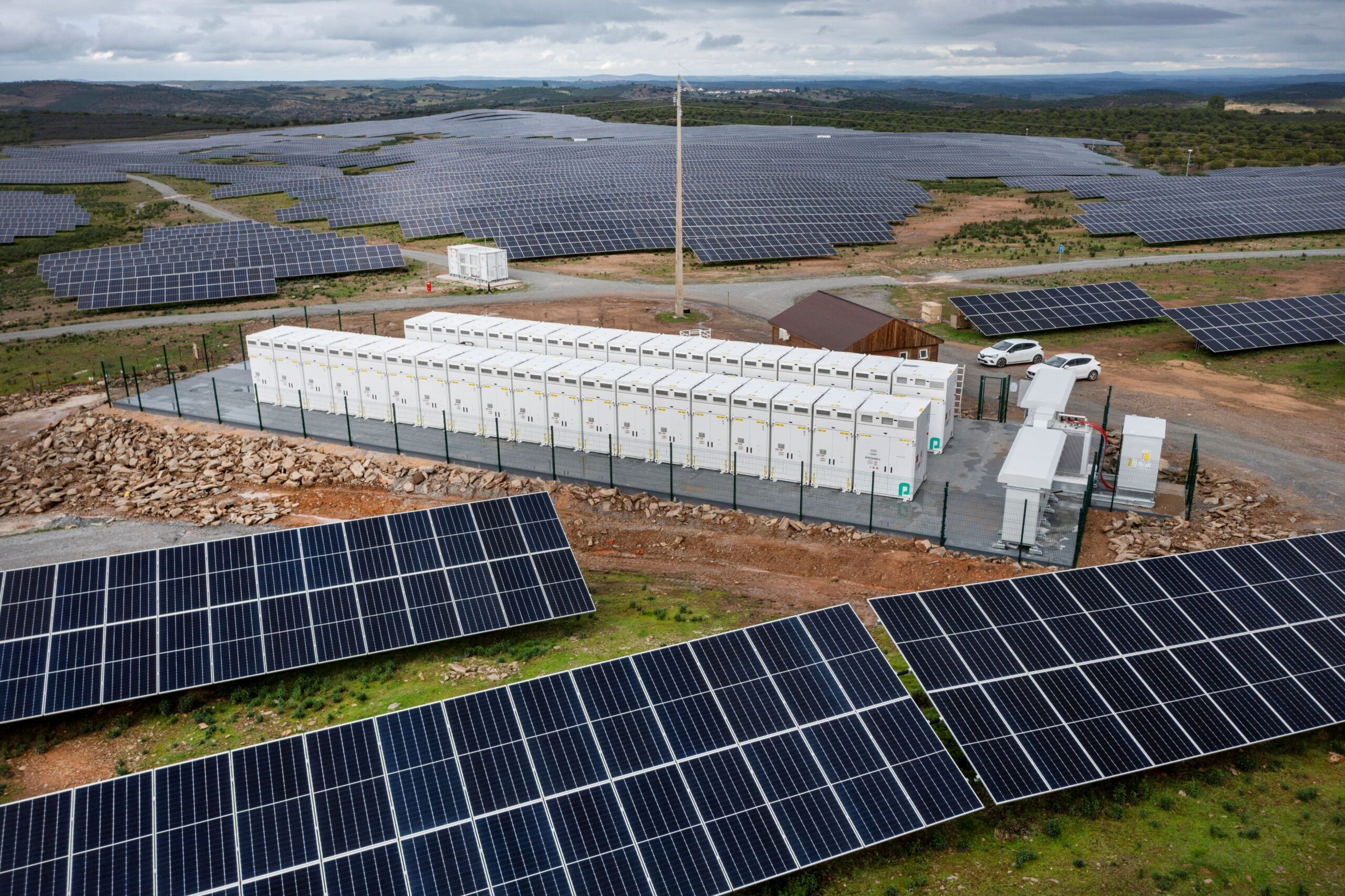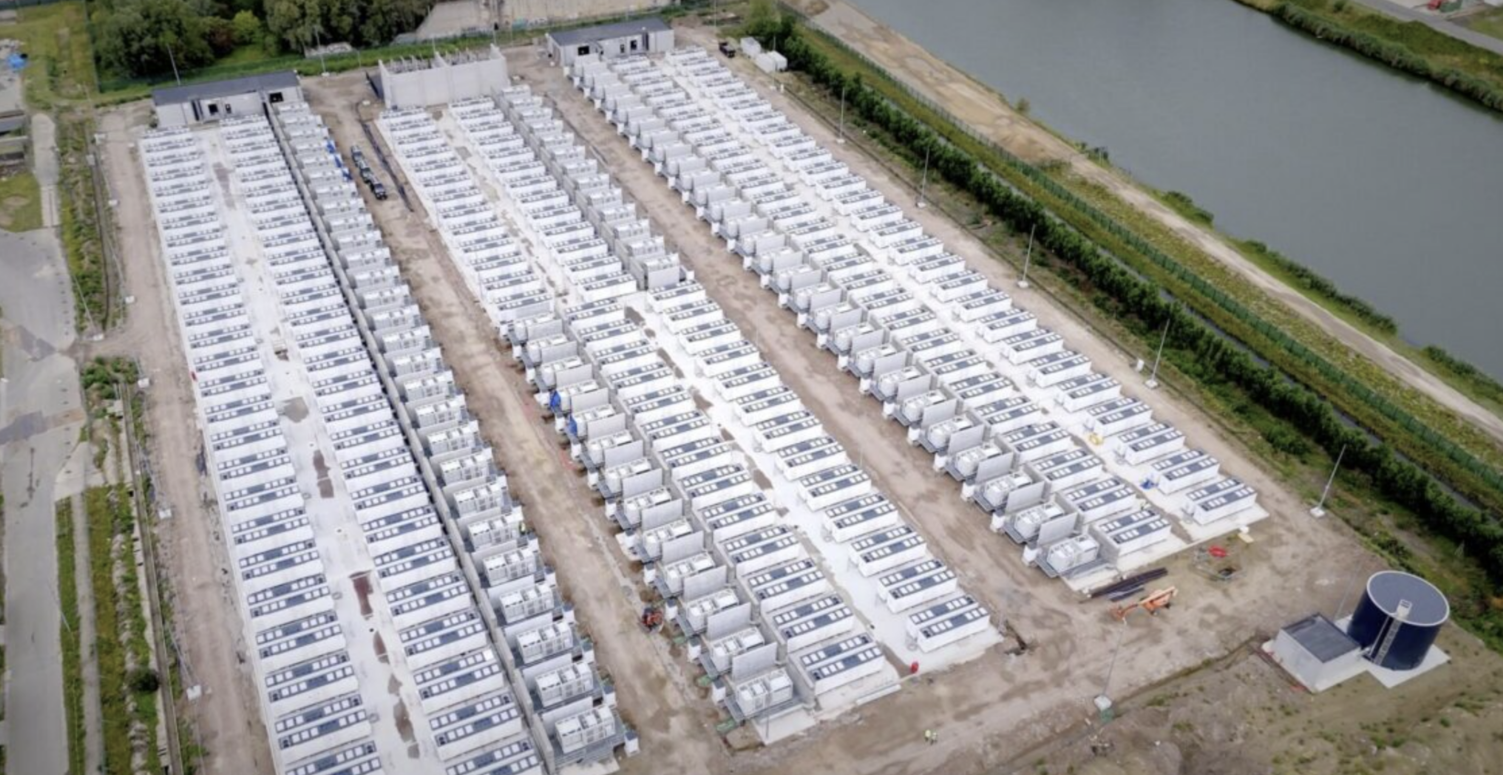
The capacity mechanism will be open to projects – whether existing or new – that commit to being available during periods of scarcity, encompassing electricity generation, demand response, and storage.
The European Commission has approved Spain’s new capacity mechanism, which will mobilise up to €9 billion ($10.4 billion) over the 2026–2036 period. The scheme will remunerate electricity resources for remaining available during periods of system stress or scarcity, including generation, storage and demand-side response.
The mechanism, set to begin in May 2026, is expected to run for ten years with an estimated annual budget of around €900 million, subject to results from future capacity auctions.
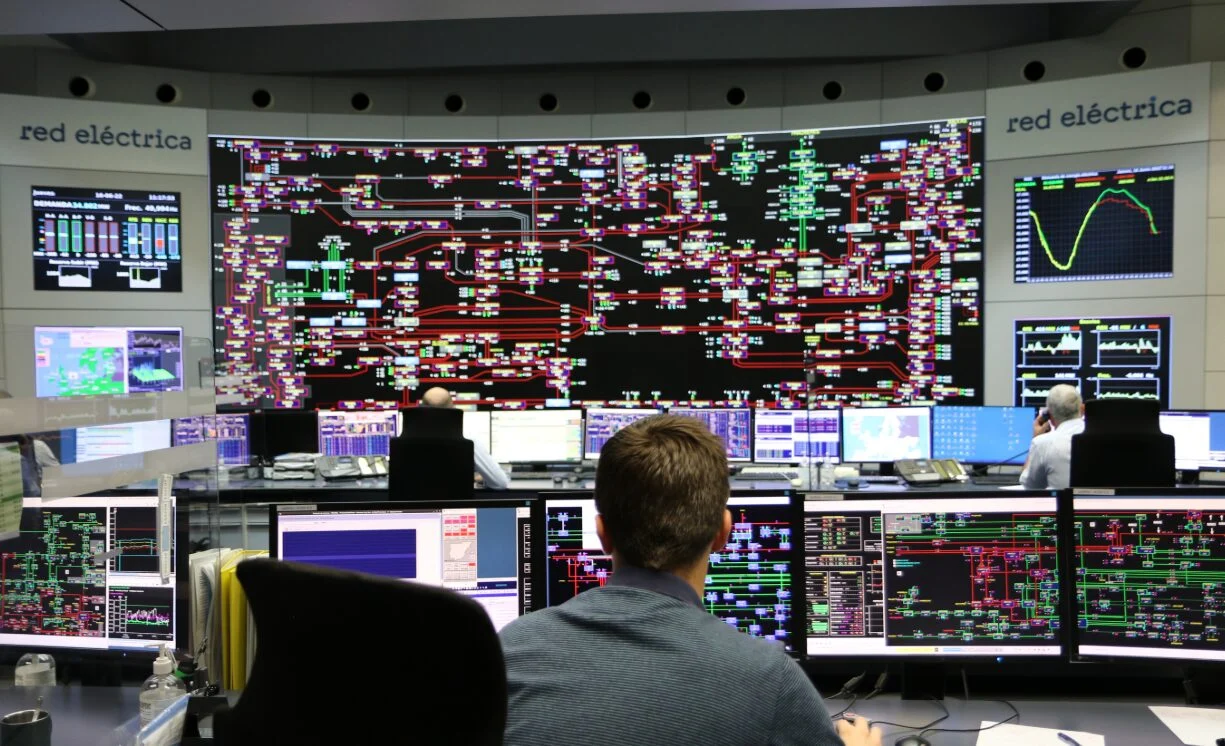
Spain’s system operator, Red Eléctrica de España (REE), will manage the scheme, which will remunerate capacity required to meet the national “reliability standard” — defined as the maximum acceptable number of load-loss hours to ensure security of supply. This metric is based on Spain’s resource adequacy assessment and has been validated by the Agency for the Cooperation of Energy Regulators (ACER).
The objective is to ensure sufficient firm and flexible capacity when renewable output is insufficient or when grid stability is at risk. The mechanism will be open to existing plants and new projects across generation, energy storage and demand response, provided they meet environmental and availability criteria.