Fadhel Kaboub is in the standpoint that we have actually not yet reached “the end of 500 years of colonialism”.
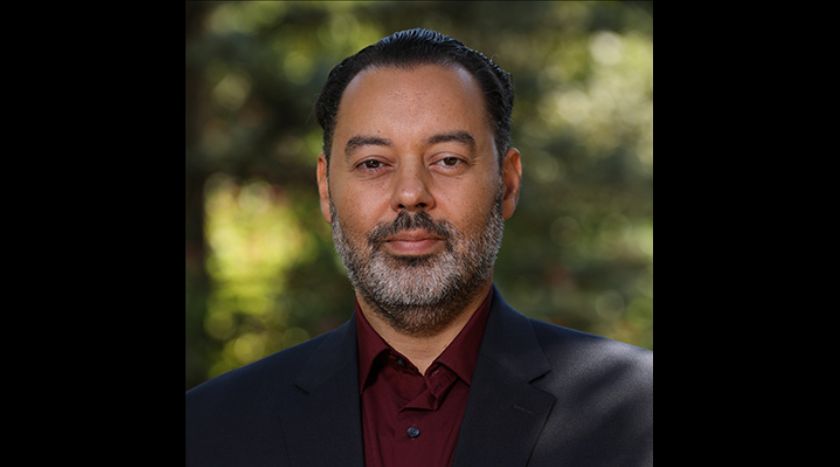
PROFESSOR Fadhel Kaboub, renowned Tunisian-American political economist, recently gave a blunt appraisal of the stranglehold that the lingering traits of neo-colonialism continue to hold on the African continent.
Of greater significance to his empirical evidence about the oftentimes subtle subjugation of the continent by foreign powers, Kaboub — president of the Global Institute for Sustainable Prosperity — provided his dire findings on May 25, Africa Day.
“Every Africa Day”, Kaboub , who is attached to the faculty of economics at Denison University in the US, noted: “We hear the same speeches about ‘Africa Rising’. And every year, millions more young Africans enter economies that still export raw materials, import food and fuel, service external debt in foreign currencies, and remain trapped at the bottom of global value chain.”
“Africa is structurally disempowered, impoverished, and economically colonized. That distinction matters,” he says, and elaborates as follows: “The continent holds some of the world’s largest reserves of green minerals, the youngest population on the planet, extraordinary renewable energy potential, vast agricultural capacity, and strategic geopolitical leverage in an increasingly fractured global order. Yet Africa continues to finance the prosperity of others while borrowing expensively to survive. That is not an accident of history. It is the colonial architecture of the global economy.”