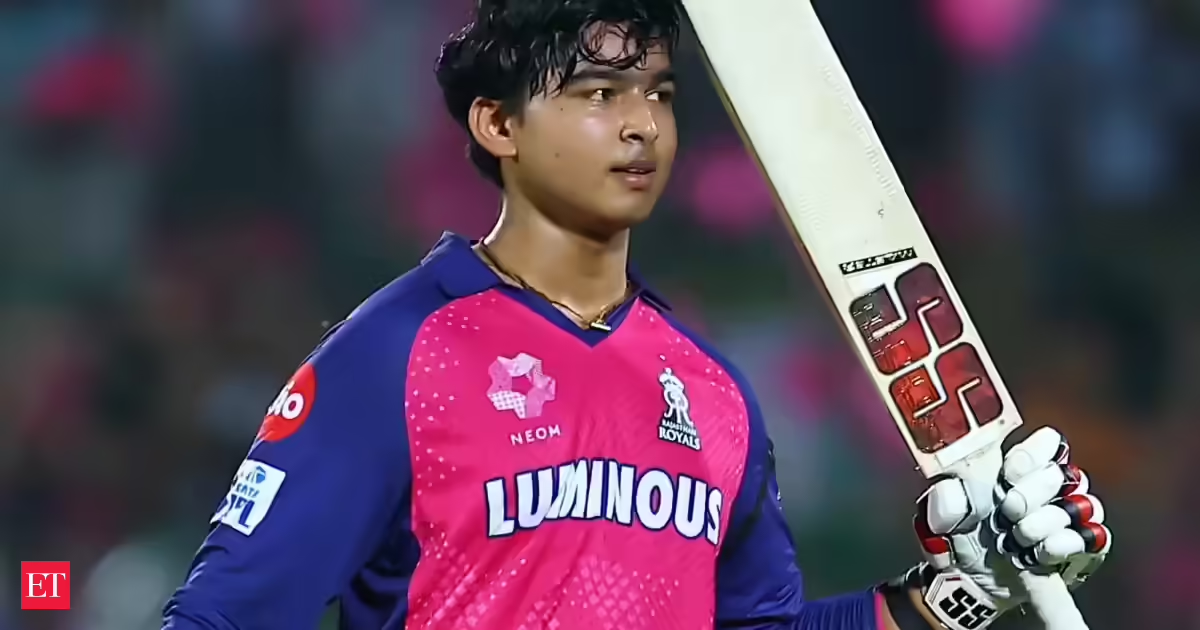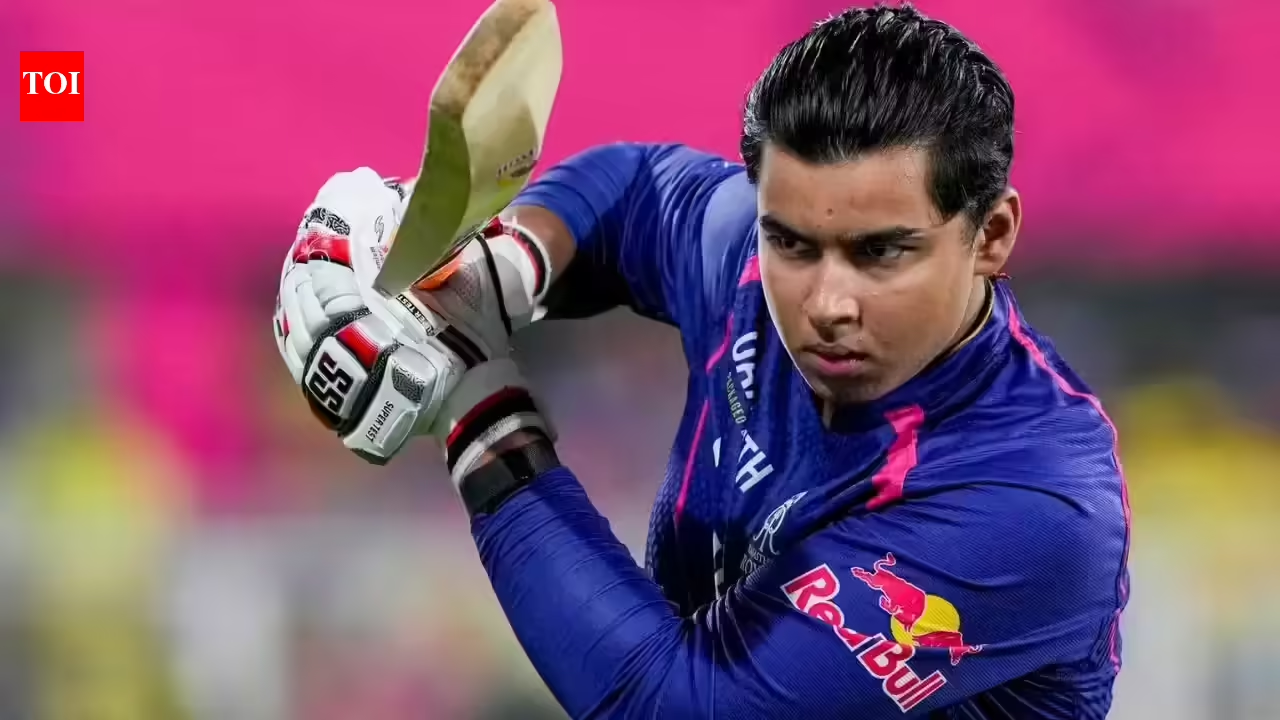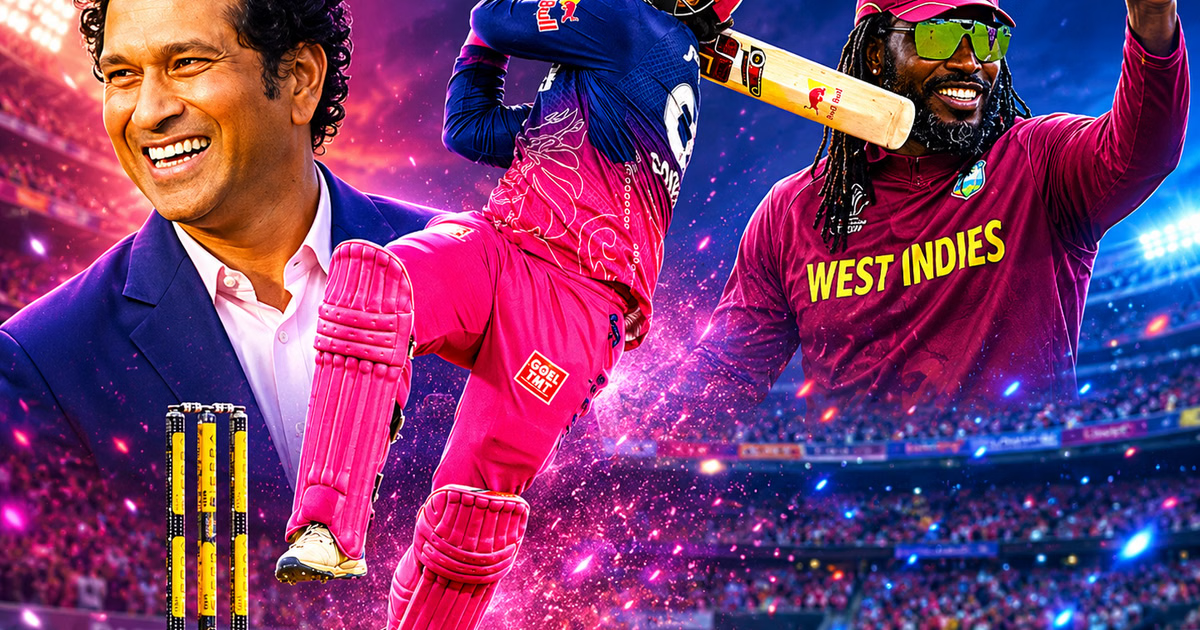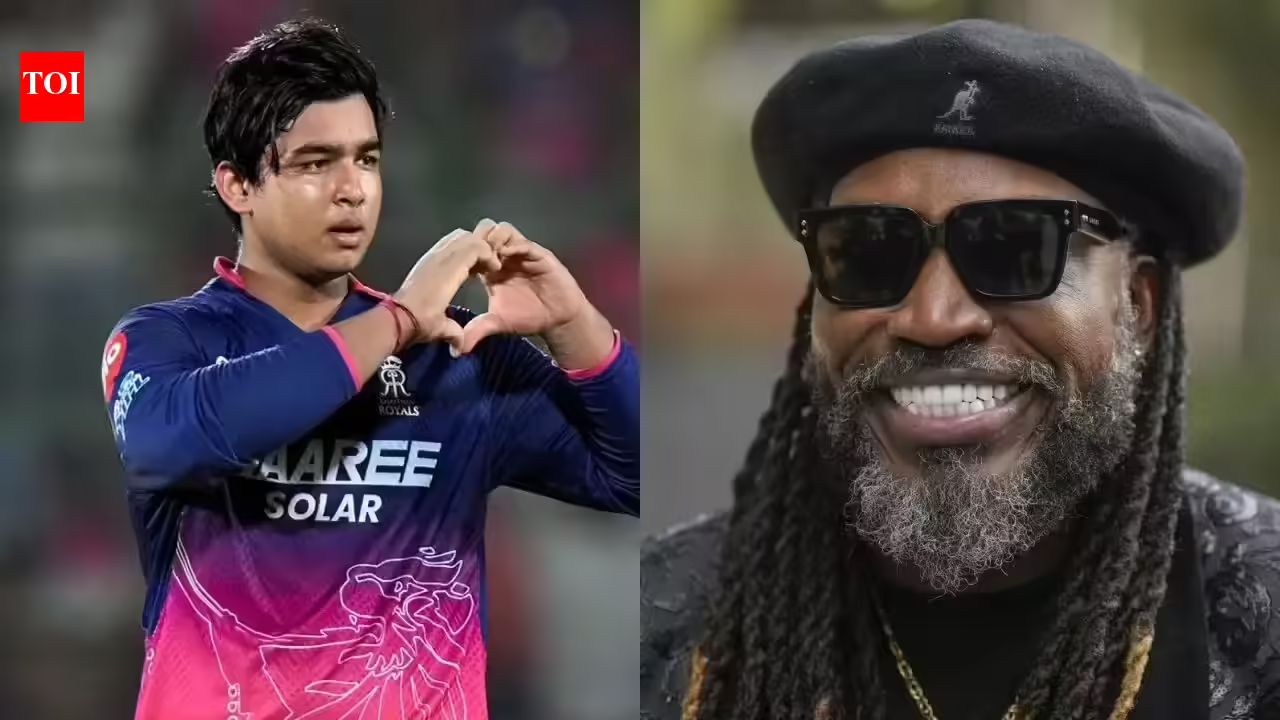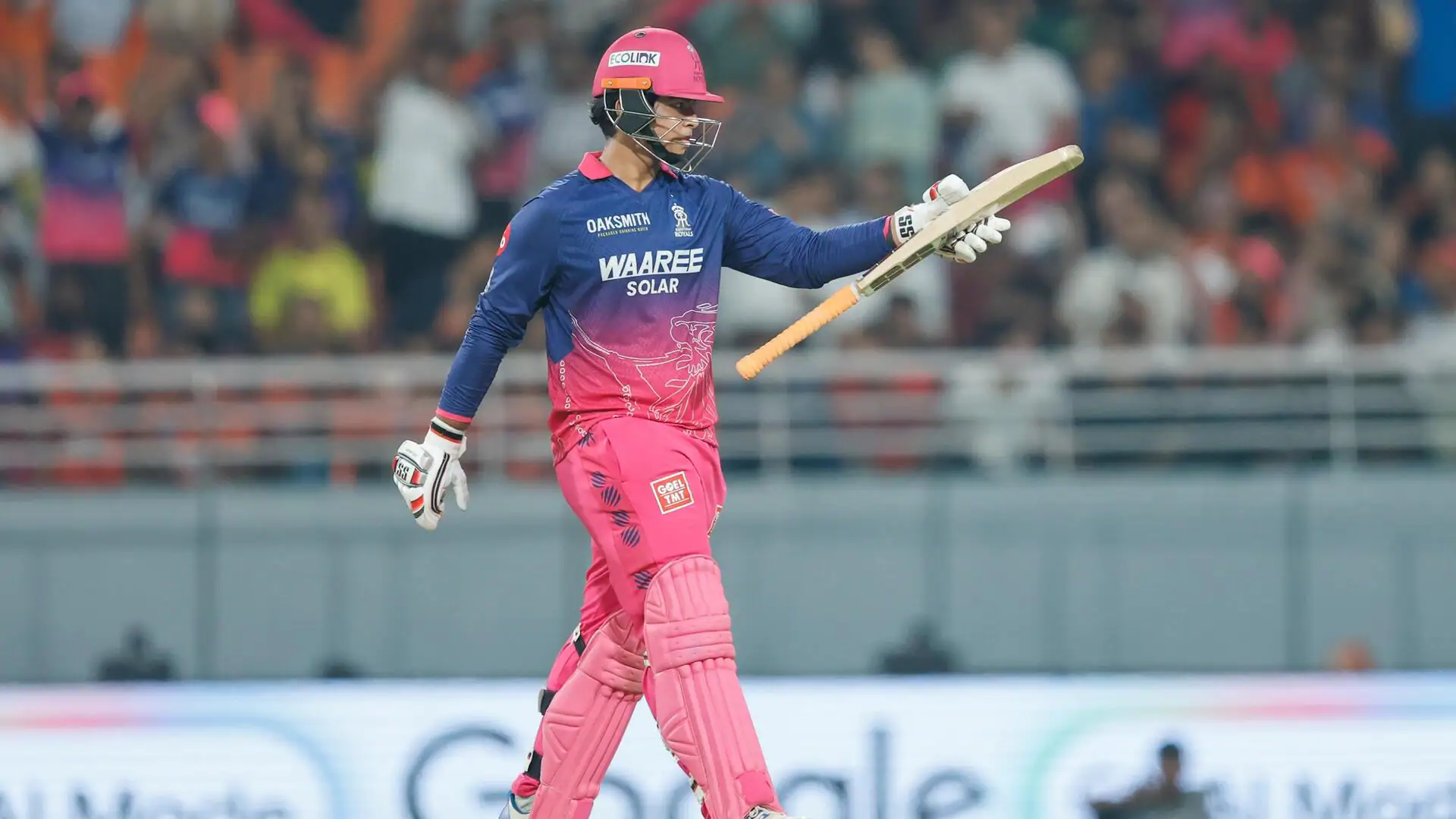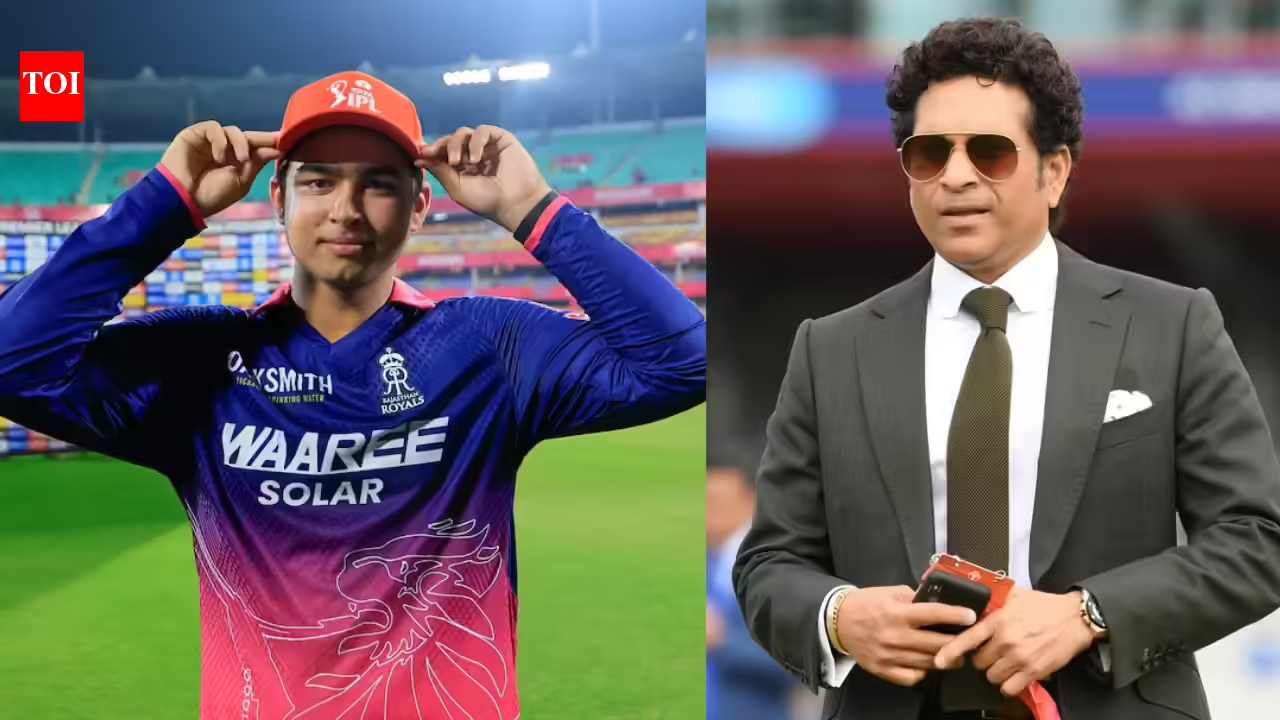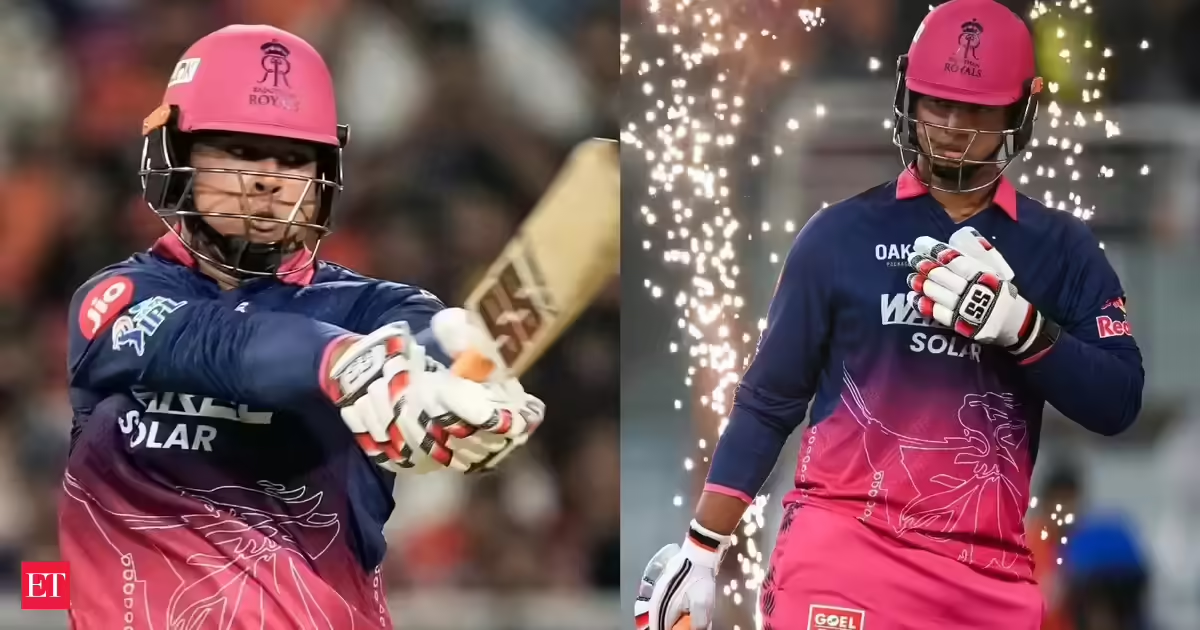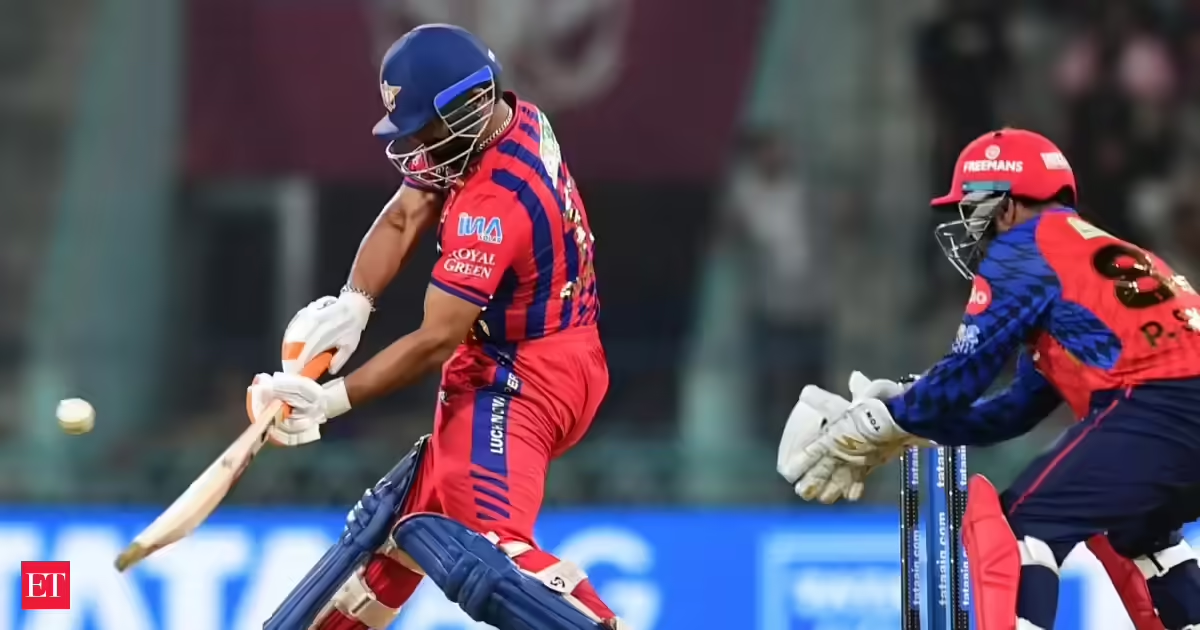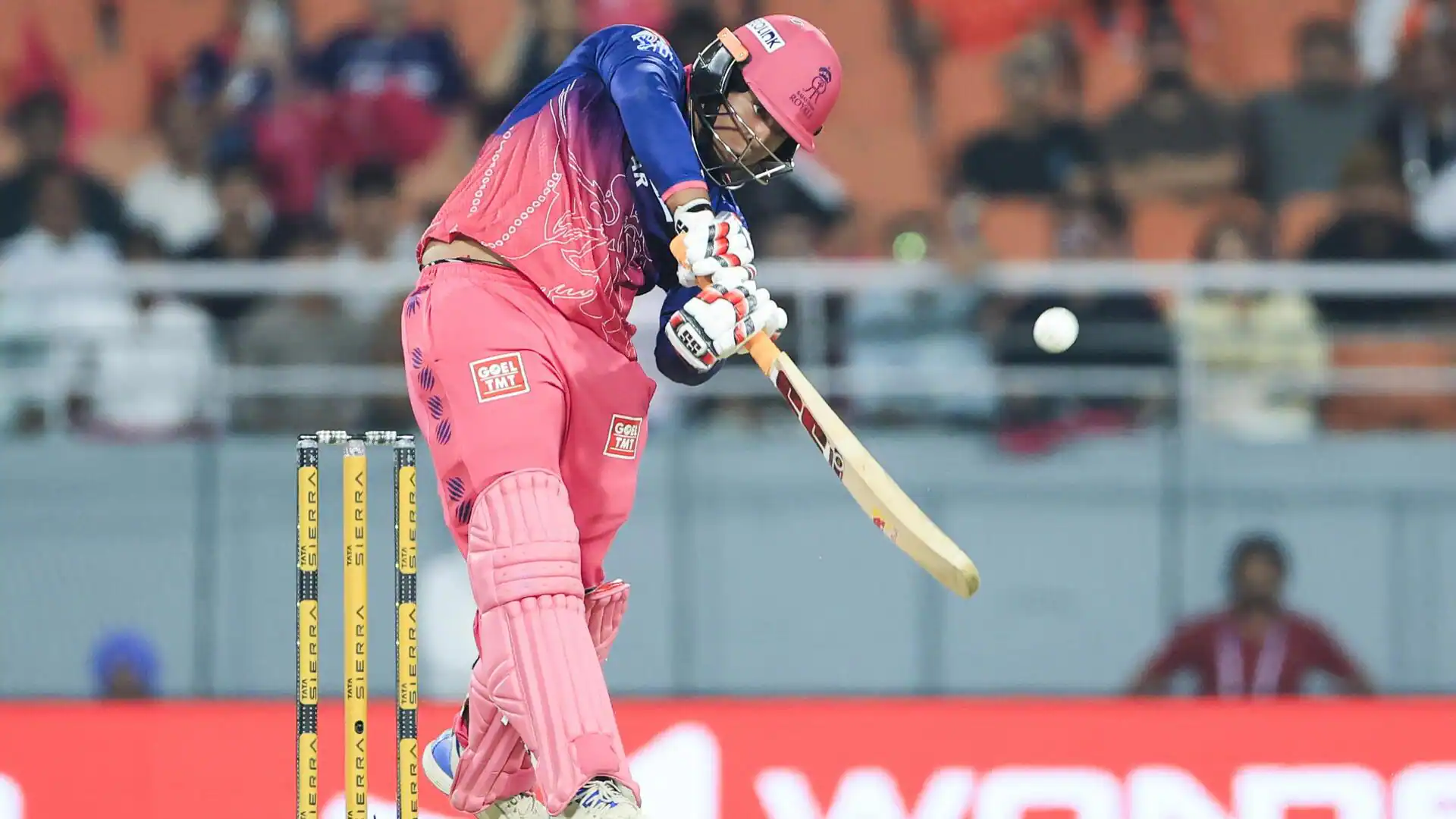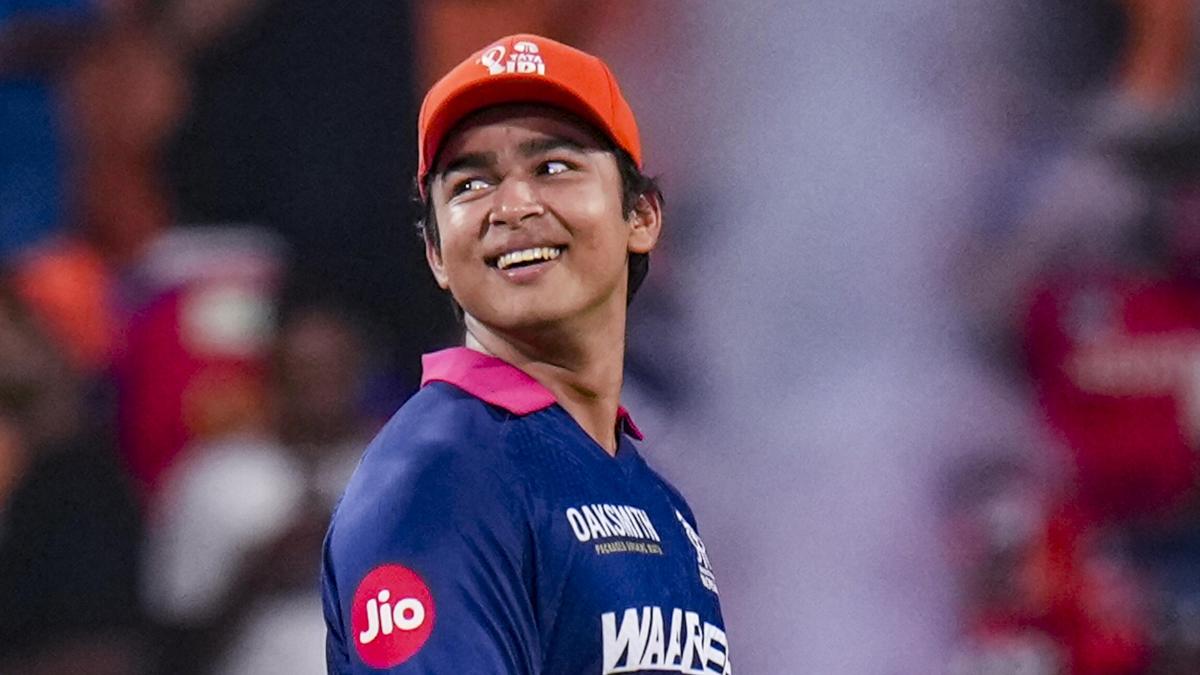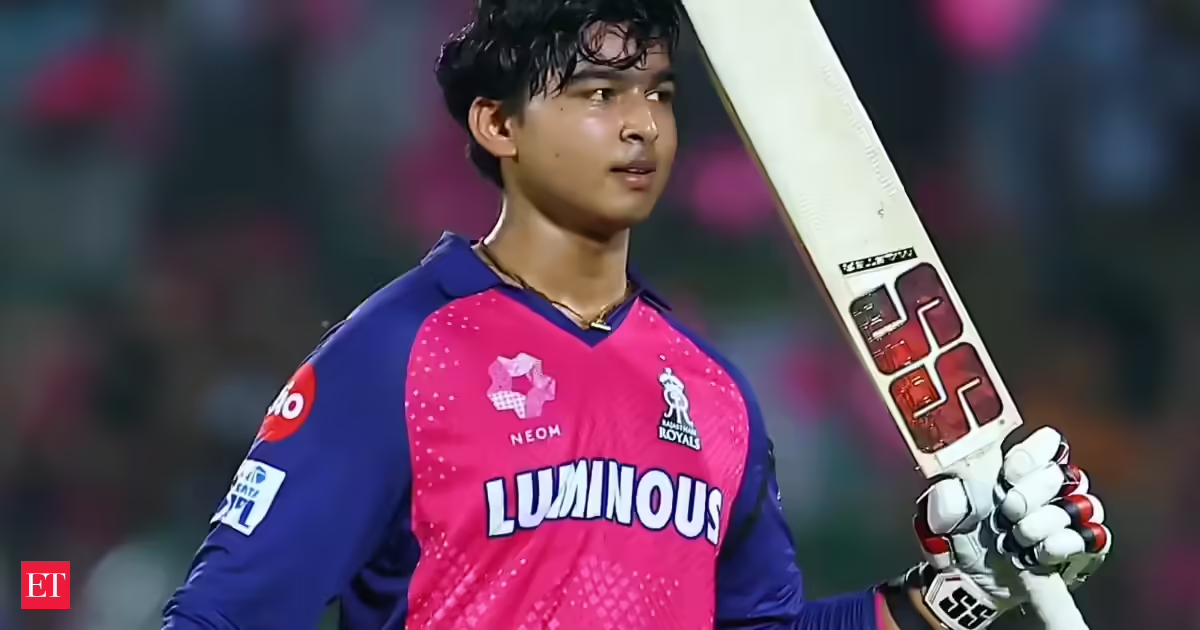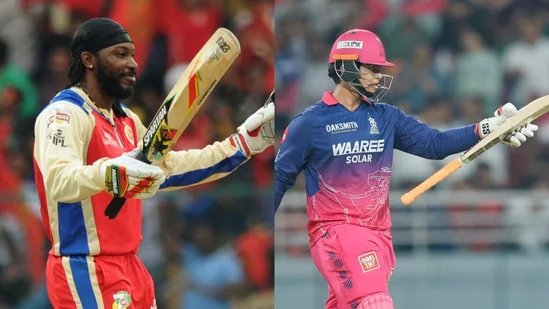
Vaibhav Sooryavanshi's IPL 2026 season shatters Chris Gayle's 2012 record with 776 runs and 72 sixes, showcasing a radical shift in T20 batting philosophy. For 14 years, Chris Gayle's 59 sixes in IPL 2012 sat in the record books the way certain numbers do: not just as a stat, but a statement of impossibility. No one came close. Gayle that season was operating at a frequency the format hadn't seen before. 733 runs, a century, eight fifties, and a strike rate of 162 that made even the best batters look slow. He was the universe boss, and 2012 was his throne room.Chris Gayle for RCB in IPL 2012 and Vaibhav Sooryavanshi for Rajasthan Royals in IPL 2026.Then a 15-year-old from Bihar walked in and blew the door off.Vaibhav Sooryavanshi's IPL 2026 season, 776 runs, 72 sixes, strike rate 238, did not just break Gayle's record. It rewrote the ceiling. But the raw numbers hide something more interesting: these two seasons, played 14 years apart, represent fundamentally different philosophies of destruction.The Same Violence, Different AnatomyStart with what they share. Both men ended with one century, a cluster of scores in the 80s and 90s, and a boundary-hitting frequency that embarrassed their peers. Both hit ten-plus sixes in an innings multiple times in their respective seasons. By the aggregate, they look like variants of the same player.They are not.Chris Gayle's 2012 was a middle-overs masterpiece. He scored 411 of his 733 runs between overs 7 and 15, 56% of his total, at a strike rate of 171. He let the powerplay come to him, often building quietly (169 runs in 151 balls at just SR 112 in the first six overs), before detonating once the field spread. It was a predatory approach: absorb, assess, annihilate.Phase split of Chris Gayle and Vaibhav Sooryavanshi. (HT Digital)Sooryavanshi does the opposite. His 521 powerplay runs, at SR 233, are the most by any batter in a single IPL powerplay era, surpassing David Warner's 467 in 2016. He hit 48 fours and 46 sixes inside the first six overs alone. The powerplay is not a warm-up for him. It is the main event.This inversion is not cosmetic. It reflects a structural difference in how each player creates damage. Gayle needed space: literally and figuratively. Spread field, tired bowlers. Vaibhav Sooryavanshi operates in the most hostile conditions T20 batting offers: fresh pacers, fielding restrictions still in effect, the pitch at its tightest. He wins before the game settles.Also Read: INR 1.10 crore turned to INR 34.80 crore: Vaibhav Sooryavanshi's IPL 2026 was worth 252 SUVs, 338 round-trips to LondonEfficiency vs VolumeGayle's 2012 is often remembered as the most dominant batting season ever. The numbers say otherwise, now.Sooryavanshi hit a boundary every 2.41 balls. Gayle hit one every 4.30. Sooryavanshi's 88% boundary run percentage, the share of his runs coming from fours and sixes, is extraordinary even by his own era's standards. For context, Gayle's 73% was considered phenomenal at the time. Sooryavanshi has essentially made singles irrelevant: he played 107 dots across 16 innings, but the balls he does connect with are so frequently boundaries that his dot balls barely matter.Chris Gayle vs Vaibhav Sooryavanshi strike rate progression in IPL 2012 and IPL 2026, respectively. (HT Digital)His strike rate of 238 makes Gayle's 162 look conservative. At peak, Sooryavanshi's SR against SRH in the Eliminator was 334 in a 97, the highest ever for a 90-plus score in IPL history.Gayle's edge? Average. At 61.08 (with two not outs helping), he got out less. Sooryavanshi has a 0% not-out rate, dismissed every single time, and his average of 48.50 reflects a batter who swings the axe hard enough that it occasionally misses entirely. The 0, the 4, the 8. They come with the territory. Gayle had them, too, but fewer.What This Actually MeansThe comparison reveals something about T20 cricket's evolution. Gayle's 2012 destruction came within a framework that still respected powerplay as a setup phase. The best T20 batters of that era used the first six overs to get their eye in. Sooryavanshi has collapsed that framework entirely. For him, there is no setup. Over one is as dangerous as over eight.Fielding restrictions were meant to produce runs. Sooryavanshi has turned them into an execution window. His 521 powerplay runs this season are not a by-product of his batting. They are the product.Gayle's record lasted 14 years because no one thought the way he thought. Sooryavanshi's record may last longer, not because he's more talented than those who'll follow, but because to break it, someone will need to genuinely reimagine what the powerplay is for.Probuddha Bhattacharjee is a sports writer and analyst with expertise spanning cricket, football, and multi-sport events, with a strong emphasis on data-driven journalism and tactical storytelling. He currently focuses on international cricket, the Indian Premier League, global tournaments, and emerging trends shaping modern sport, blending advanced statistics with strong narrative context to explain performance, strategy, and decision-making. His work aims to bridge the gap between numbers and storytelling, helping readers understand not just what happened on the field, but the tactical and structural reasons behind it.
Vaibhav Sooryavanshi's 72 sixes did more than beat Chris Gayle - they rewired IPL batting
Vaibhav Sooryavanshi's IPL 2026 season shatters Chris Gayle's 2012 record with 776 runs and 72 sixes, showcasing a radical shift in T20 batting philosophy. | Cricket
1,025 words~5 min read