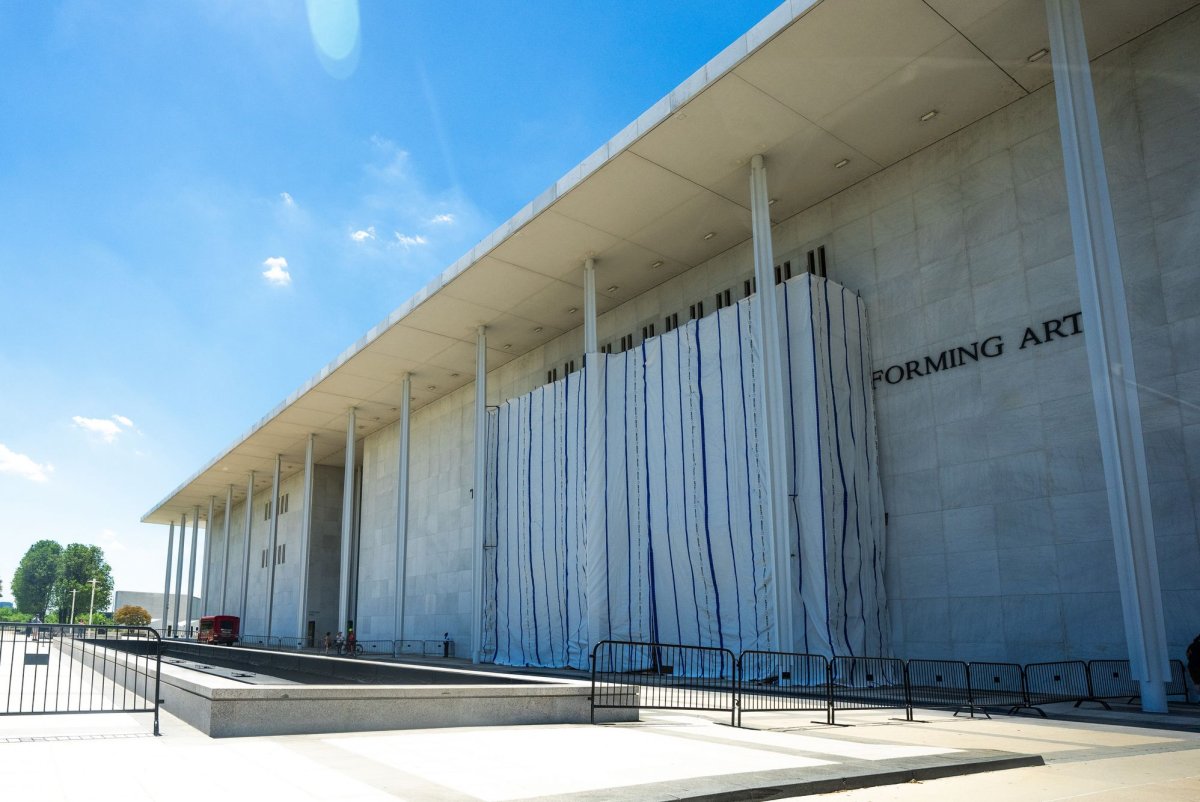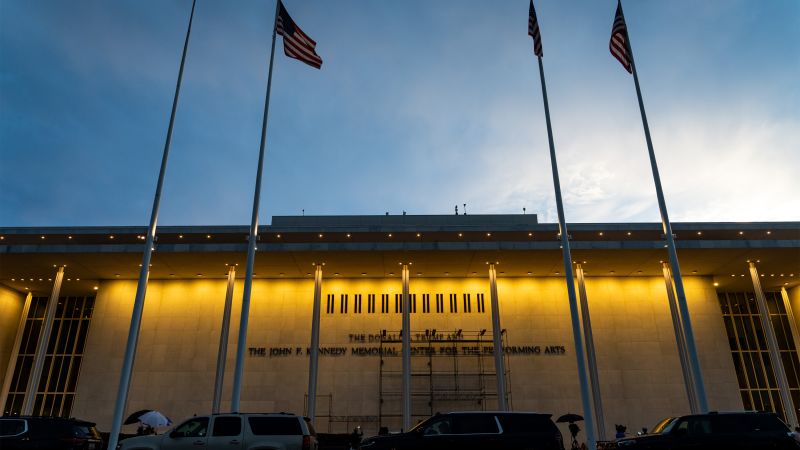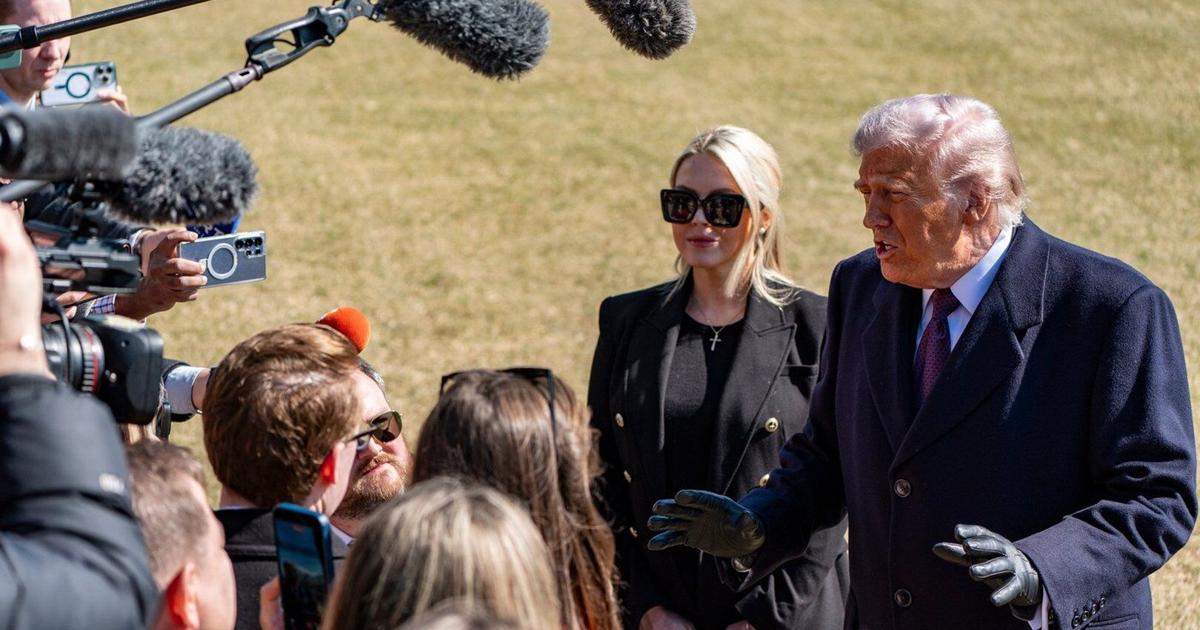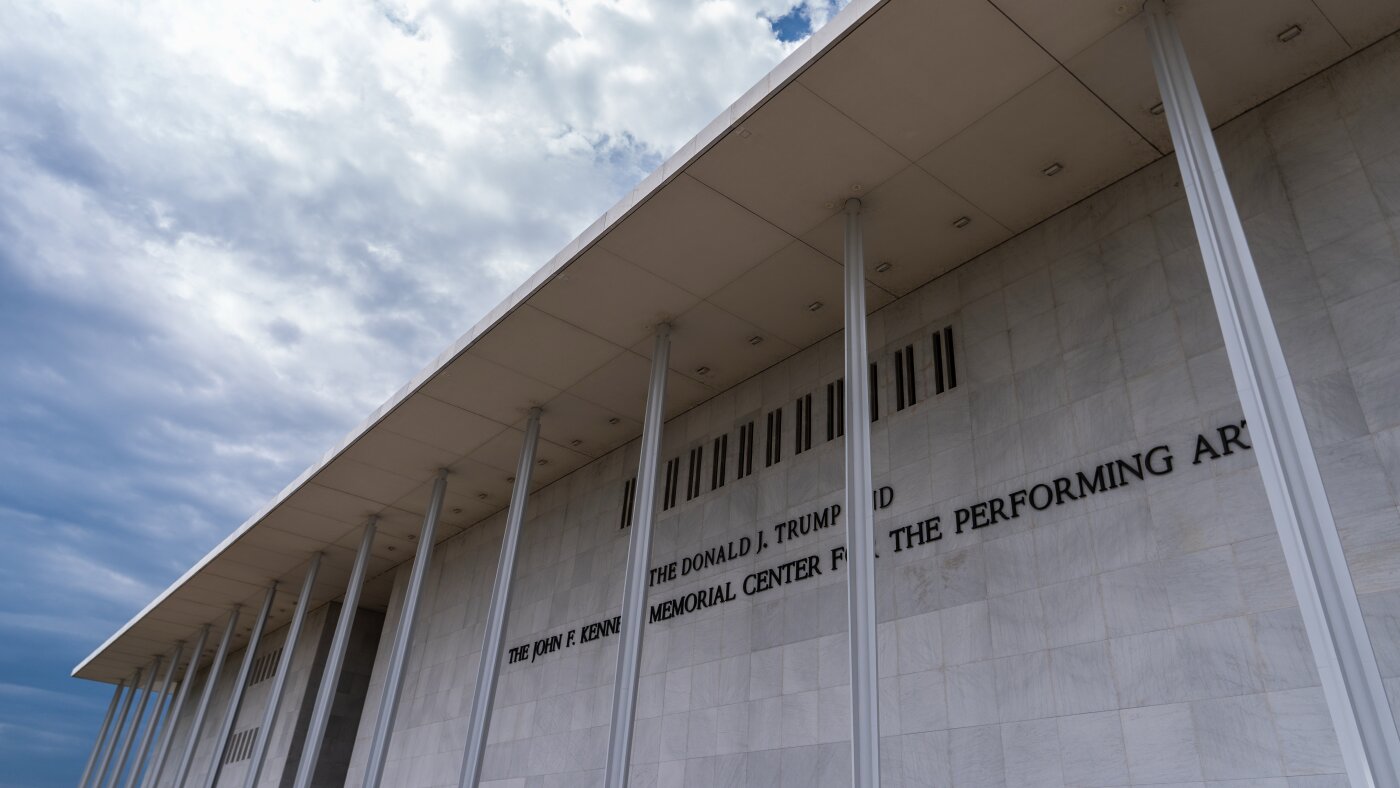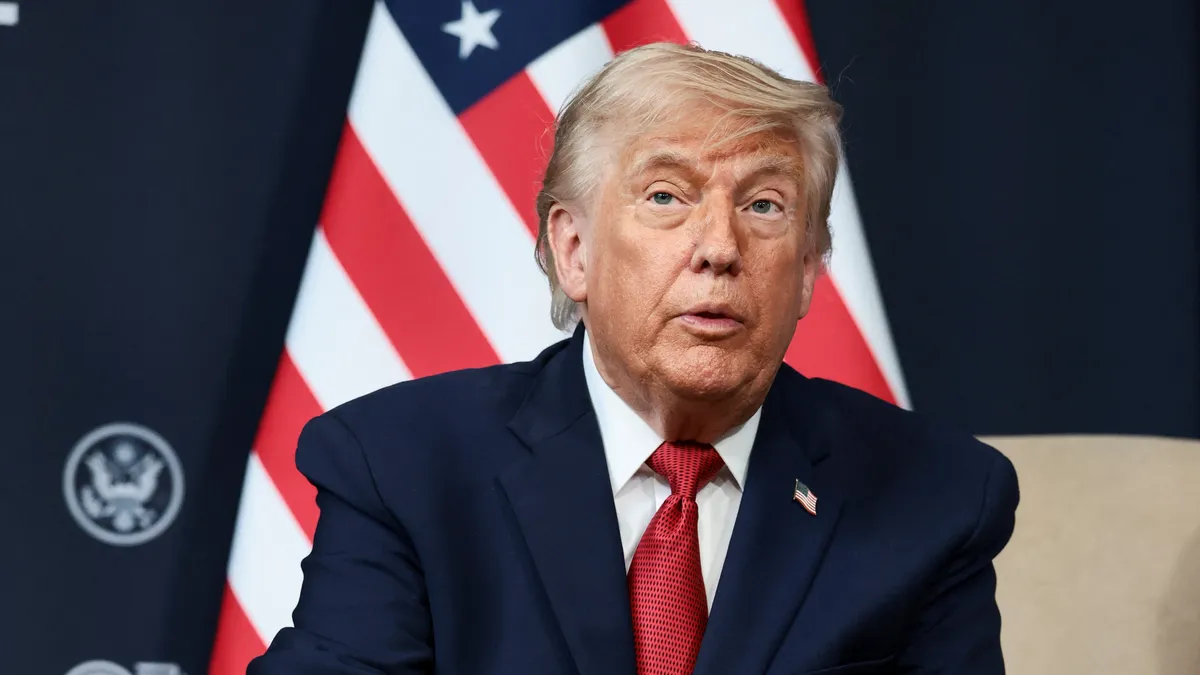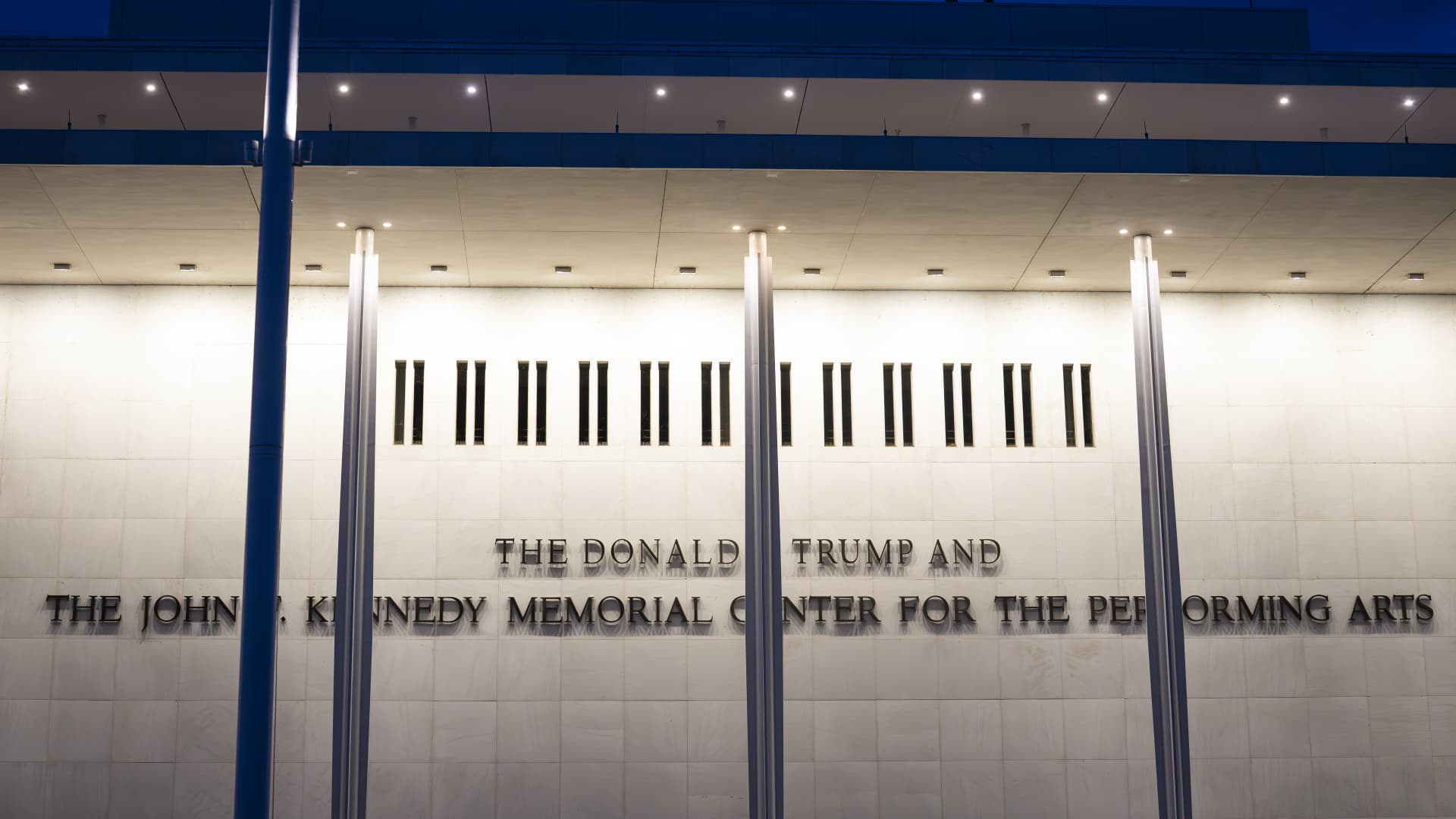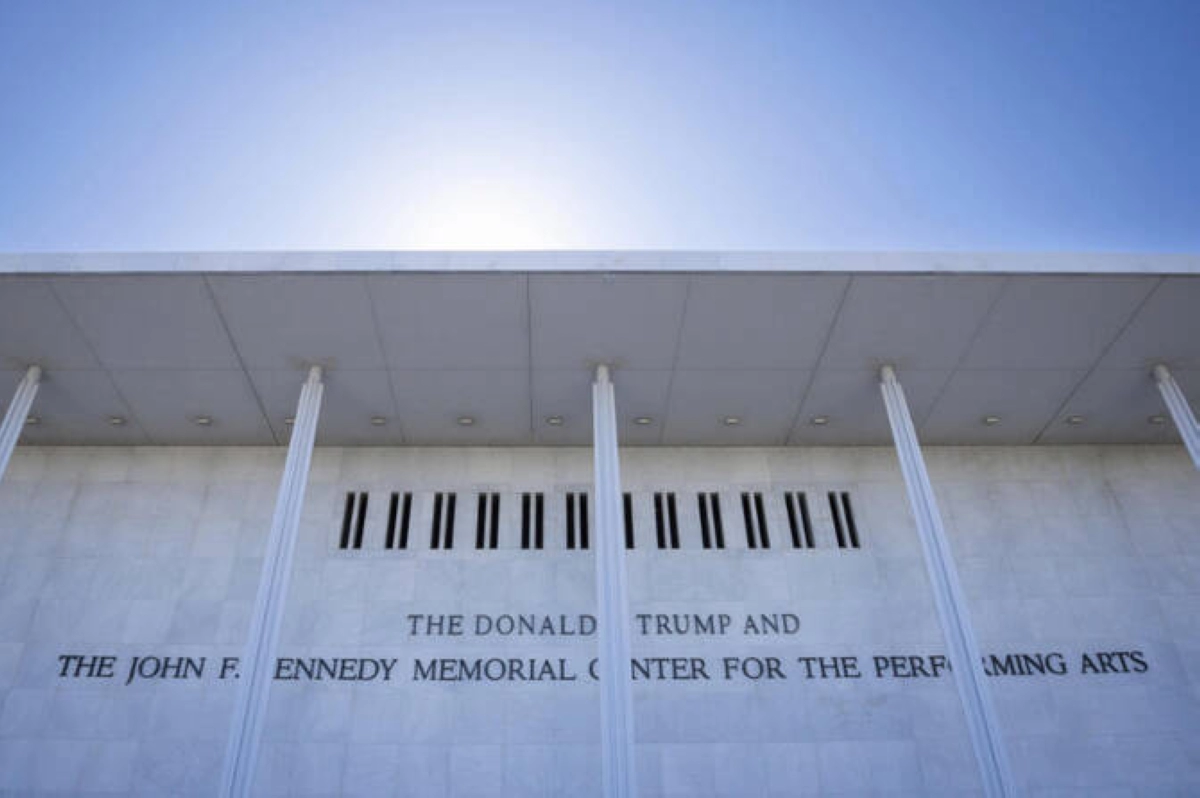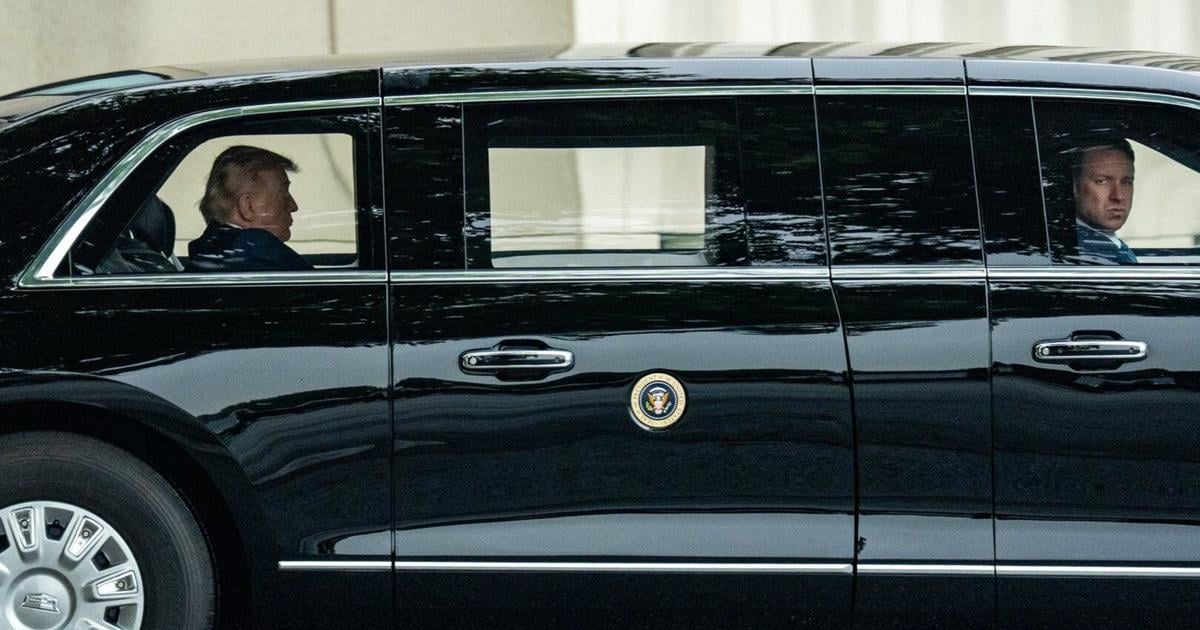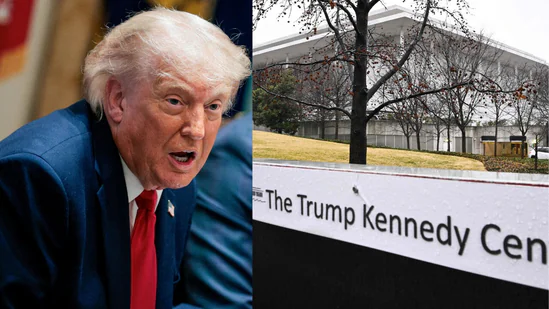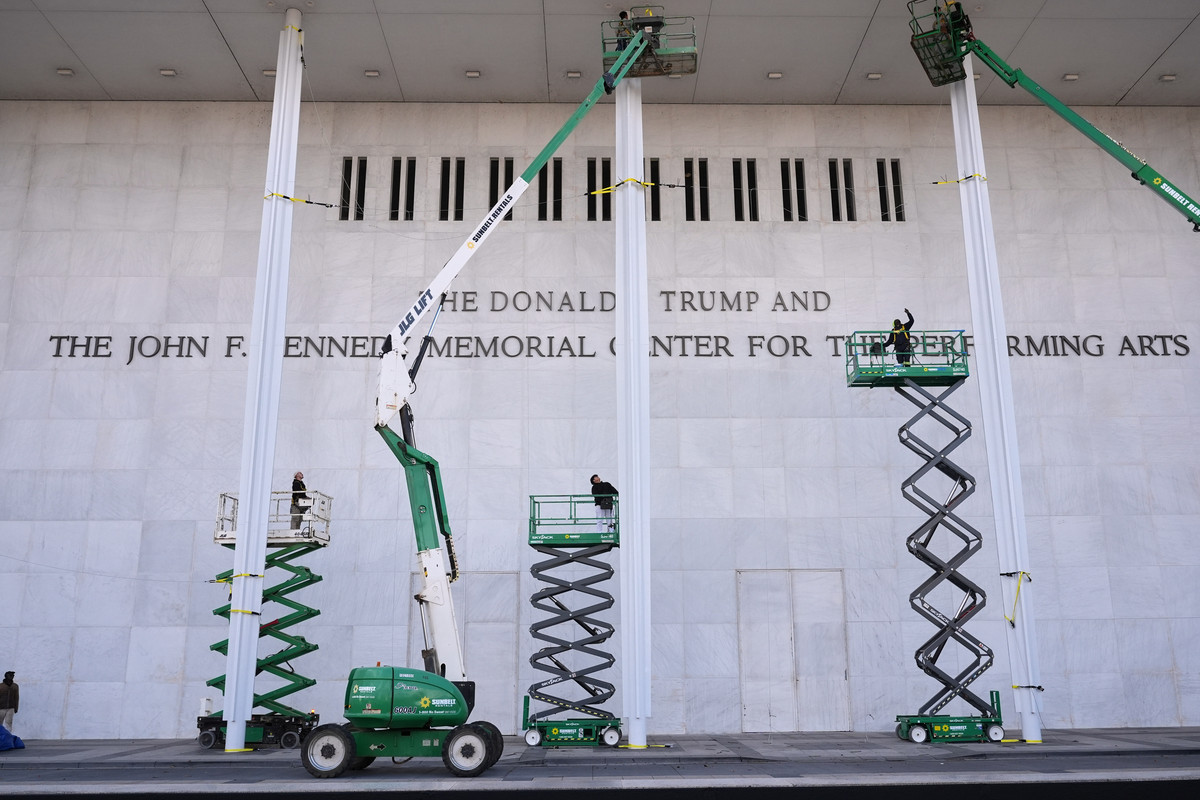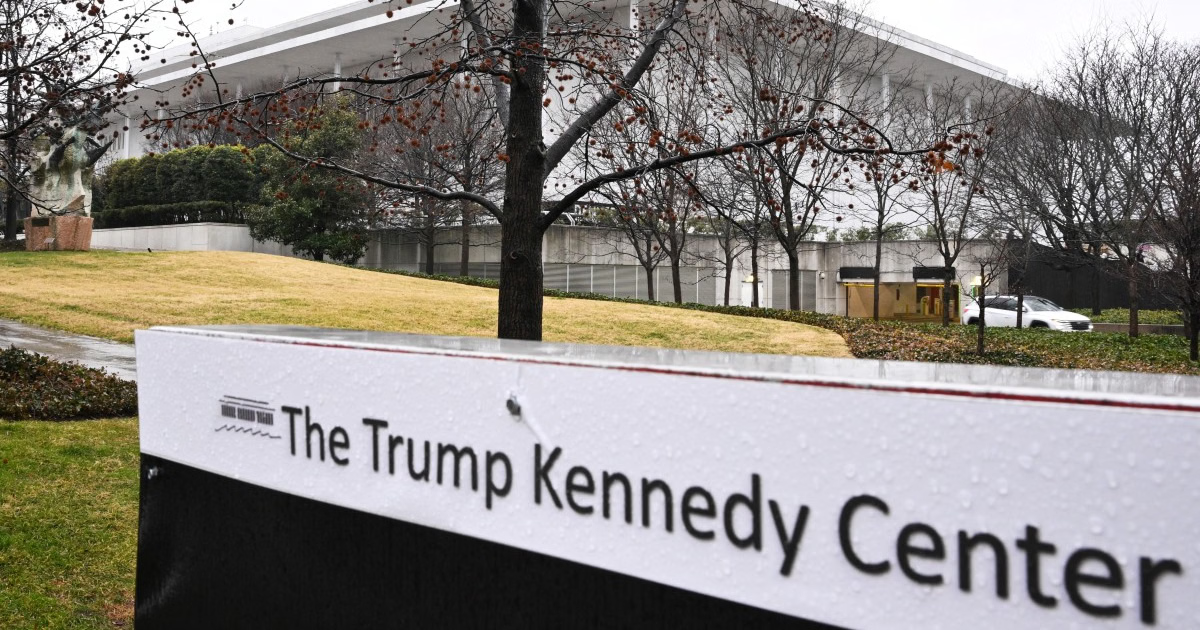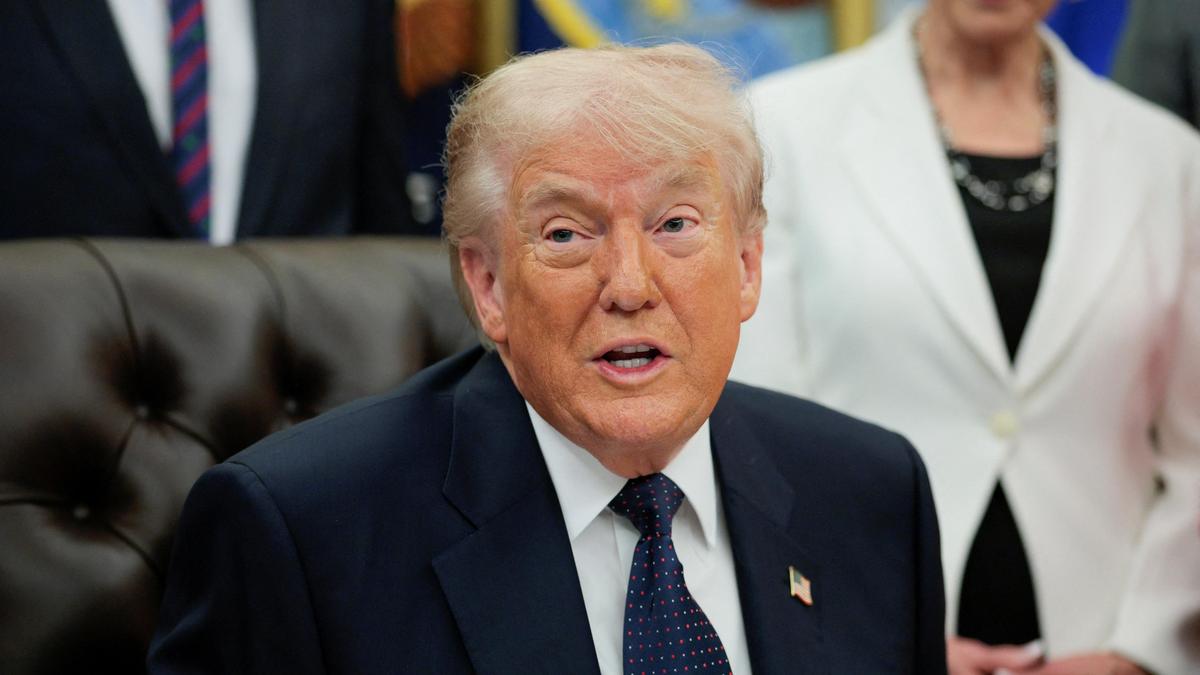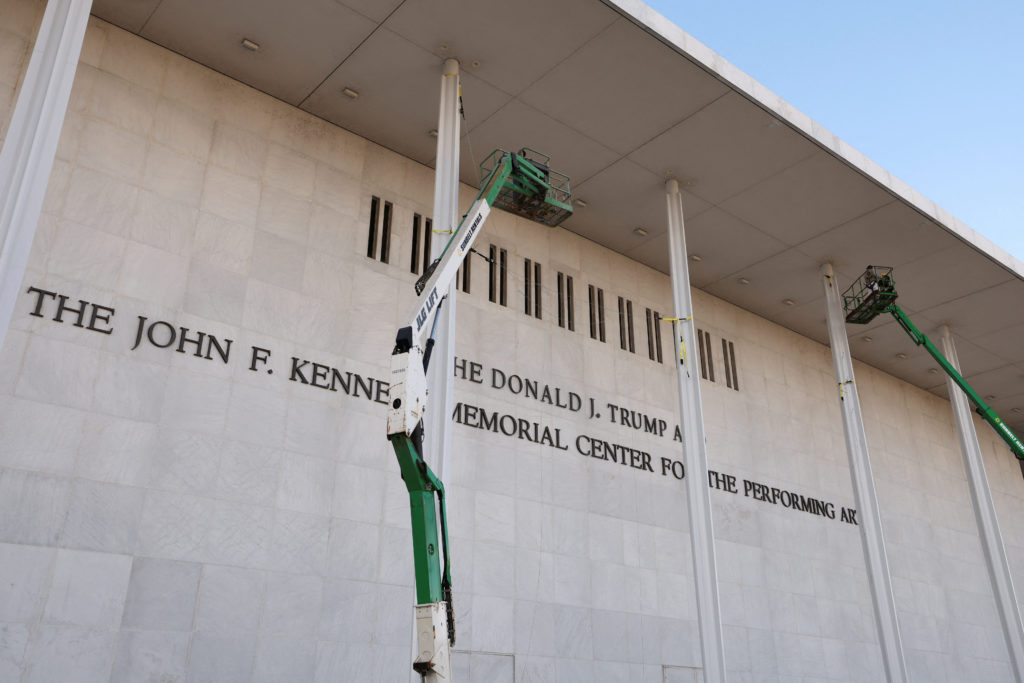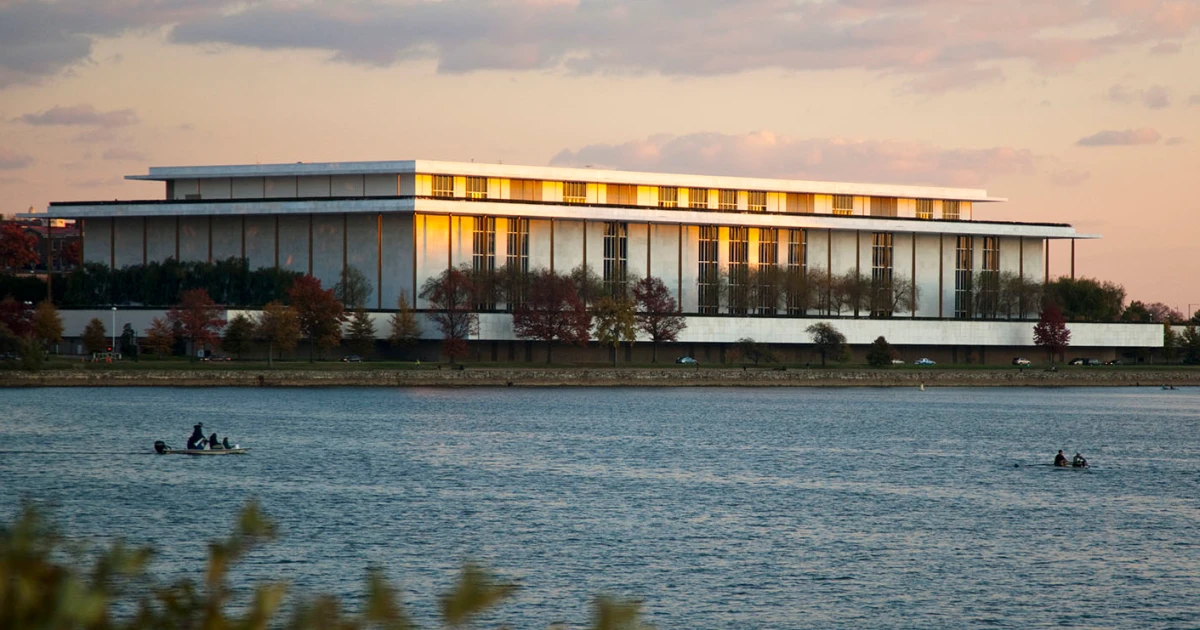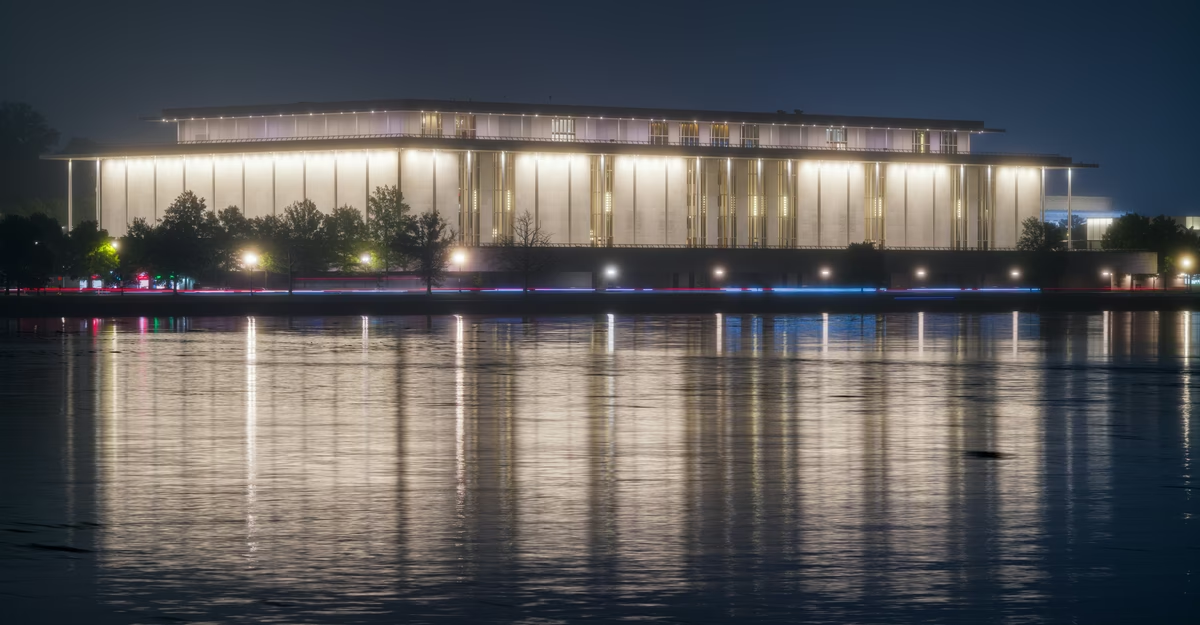
For months, the dwindling ranks of staffers at the Kennedy Center have been bracing for July, when the Washington, D.C., arts complex had been slated to shut down. How the bruised institution would bounce back after a two-year closure ordered by the president of the United States—and what it would look like once it did—were major questions. This week brought an even bigger one: How could it possibly stay open?In a pair of rulings today, a federal judge dealt two blows to Trump’s stewardship of the Kennedy Center, which he took over last year: U.S. District Judge Christopher Cooper ordered the removal within two weeks of Trump’s name from the institution, which Congress established as a living memorial to President John F. Kennedy in 1964, and he partially granted a preliminary injunction, saying that the center had to halt plans to close. “There is no evidence that the Board took account of its full range of statutory obligations in determining that a wholesale shuttering of the Kennedy Center was appropriate,” Cooper wrote in a 94-page opinion in a lawsuit filed by a member of Congress. Trump announced the Kennedy Center’s two-year renovation in February, following a year in which the politicized center had seen audiences plummet and prominent artists cancel appearances.And now? The president wrote today on Truth Social that he wants to offload responsibility for the Kennedy Center to Congress: “Unless I am free to do what I do better than anyone else, bring this Institution back, physically, financially, and artistically, I have no interest in continuing what could only be a hopeless journey into ‘NEVER NEVER LAND.’”In December, not long after Trump himself hosted the Kennedy Center Honors, a board whose general trustees were all appointed by Trump voted to rename the Kennedy Center to include the president. But Cooper said that the law made “crystal clear” that the building was to be named for Kennedy alone. “Congress gave the Kennedy Center its name, and only Congress can change it,” Cooper wrote. He left open the possibility of the board closing the center for renovations after “independently balancing its multiple obligations to the Center in a prudent fashion.“ (In a separate lawsuit, filed by a coalition of historic preservationists and architects, Cooper denied a similar request for an injunction, because the plaintiffs had not shown that the renovations were subject to certain federal-review processes.)The Kennedy Center wrote to me in a statement that it would review the judge’s order to keep the institution open and added that it would pursue every legal option to carry out the planned renovation work. It was more direct about Trump’s name. “We are confident that on appeal the court will uphold the Board’s will to recognize President Trump’s historic contributions to our nation’s cultural center,” Roma Daravi, the center’s vice president of public relations, said.But the center’s comments reveal some dissonance with Trump, whose Truth Social post demonstrates that he is willing to walk away from the cultural institution entirely.That leaves unclear what will happen next, save that the plaintiff, Representative Joyce Beatty, and the Department of Justice lawyers representing the Kennedy Center will continue to battle it out in court. Trump had insisted that his renovation would restore the creaking building. But staffers I spoke with today worried that he’d already permanently broken the institution that lives there.The center has felt like a ghost ship in recent months, they told me. With internal communications scarce, programming thin, and departments gutted or entirely shuttered, the national cultural center seemed to be entering hibernation. The employees, who spoke with me on the condition of anonymity for fear of reprisal, described the center as a shell of itself. As their duties have all but dried up, they’ve found themselves with little to do.“We’ve already shot ourselves in the foot,” one person said. “It would be a Herculean effort to try and salvage the absolute mess this has become.”Read: What I saw inside the Kennedy CenterEven before Trump’s February announcement of the shutdown plans, the center was in a state of upheaval as performers, donors, and patrons fled the institution in defiance of the president’s takeover. Beginning in March, the center slashed its workforce with a series of layoffs.Meanwhile, Broadway tours to the Kennedy Center have been canceled. The Washington National Opera dropped its affiliation to become nomadic. The center’s remaining anchor, the National Symphony Orchestra, has begun to make plans to spend two seasons performing elsewhere. And although the center has not made any recent disclosures about its finances, its resources are likely strained from diminished ticket sales and donations. For longtime supporters of the center, there may at this point be no good outcome.In lieu of its own programming, many of the events at the Kennedy Center lately have been booked as campus rentals by Trump allies and organizations supportive of the name change, a staffer said, adding: “Which makes me feel like even that could dry up when his name thankfully comes down.”The Kennedy Center Executive Director Matt Floca similarly claimed earlier this week in a court filing that fundraising could be jeopardized by the removal of Trump’s name—a curious declaration to close observers who recall reports of sharp donation drops because of the president’s affiliation. Floca also offered a surprising, and perhaps accidental, window into the center’s health: Despite earlier claims that fundraising had surged to $130 million last year under Trump, Floca told Cooper that the center has raised only tens of millions of dollars in that period.The filing was the Kennedy Center’s final entreaty to Cooper following several efforts in recent months to preserve Trump’s plan.For much of this year, leaders at the Kennedy Center have been making the case that their workplace ought to shut down. In March, Trump swapped out Richard Grenell, the pugnacious loyalist he’d tapped last year to lead the institution, for the lower-key Floca, then the facilities head. After a year of negative headlines and artist cancellations, the center’s vibe shifted from spiky political operation to a pending construction site.Step one was the court of public opinion.On a sunny midweek morning last month, Floca took a group of journalists, including me, into the bowels of the Kennedy Center for a renovation tour. He led us through water-intruded service tunnels and pointed out the issues that Trump had repeatedly invoked in the past year: crumbling concrete; corroding steel; deteriorating slabs of marble; outdated chillers, boilers, and other equipment.The dark and damaged corridors certainly looked bad. But I left the tour scratching my head, wondering whether this was all normal wear and tear for a 55-year-old building, and whether its repair ought to really render the 1.5 million-square-foot complex uninhabitable for two years. (Arts leaders generally prefer phased renovations over complete closures to keep audiences in the habit of showing up.) Either way, the Kennedy Center got the result it wanted: Media reports published within hours of the tour presented Floca’s claims without rebuttal and prominently featured photos of rust and decay.Step two was court.The two lawsuits, from Beatty and the historic preservationists, had back-to-back hearings in U.S. District Court last month. When Floca took the stand in the preservation suit, he made a case loaded with technical detail and specifics about the renovation timeline—that is, he tried to describe a serious-sounding plan, not a Trump vanity project. From the moment he arrived at the Kennedy Center in 2024, Floca had said that he was “dumbfounded” to see its disrepair.“Leadership, at that time, knew that we were not telling people the true needs of the campus,” Floca testified. Of phasing the upgrades, he said, “It is just impossible and irresponsible.” In a court declaration, he said that he had come up with the idea of a shutdown, pushing back against the perception that Trump made the call in order to cover for the center’s failings.Floca sought to create distance from Trump’s implication that he would dramatically overhaul the structure, denying any plans to tear down or rebuild the center. He also characterized the center’s new moniker—the Donald J. Trump and the John F. Kennedy Center for the Performing Arts—as a “secondary” name for the Kennedy memorial.On the tour, Floca addressed the criticisms that the closure is a smoke screen for the Kennedy Center’s dire finances. “Across the industry, it’s been said many times that sales are difficult for performing-arts centers and that this building, this organization, is no different,” he told reporters. “But the decision to close the center is completely founded in the maintenance needs of this building and not the mission, or not the programming, or not being able to achieve that mission.”Floca is one of the few executive-level leaders who predate Trump’s takeover and has admirers among the rank-and-file staff.But he’s not an arts administrator, and there is little sense of how the center might come back to life at this point. This spring, the center had been exploring how to continue some programming efforts in its Reach complex, such as orchestra rehearsals, educational programs, and artistic performances through the Millennium Stage.Yet the calendars for the venues in its main structure—three massive performance halls as well as several small spaces—are about to be empty. It’s unclear how soon new seasons of programming could even be booked to fill them. Or if audiences will ever show up en masse again.
Trump Hasn’t Left Much Kennedy Center to Stay Open
A judge ruled the complex cannot close for a renovation—and that the president’s name must come down. The damage is already severe.
TL;DRAI
A federal judge ordered Trump's name removed from the Kennedy Center and blocked its planned two-year closure. Gutted by layoffs and canceled programming, the institution faces unresolved legal battles with Trump threatening to hand it entirely to Congress.
1,556 words~7 min read