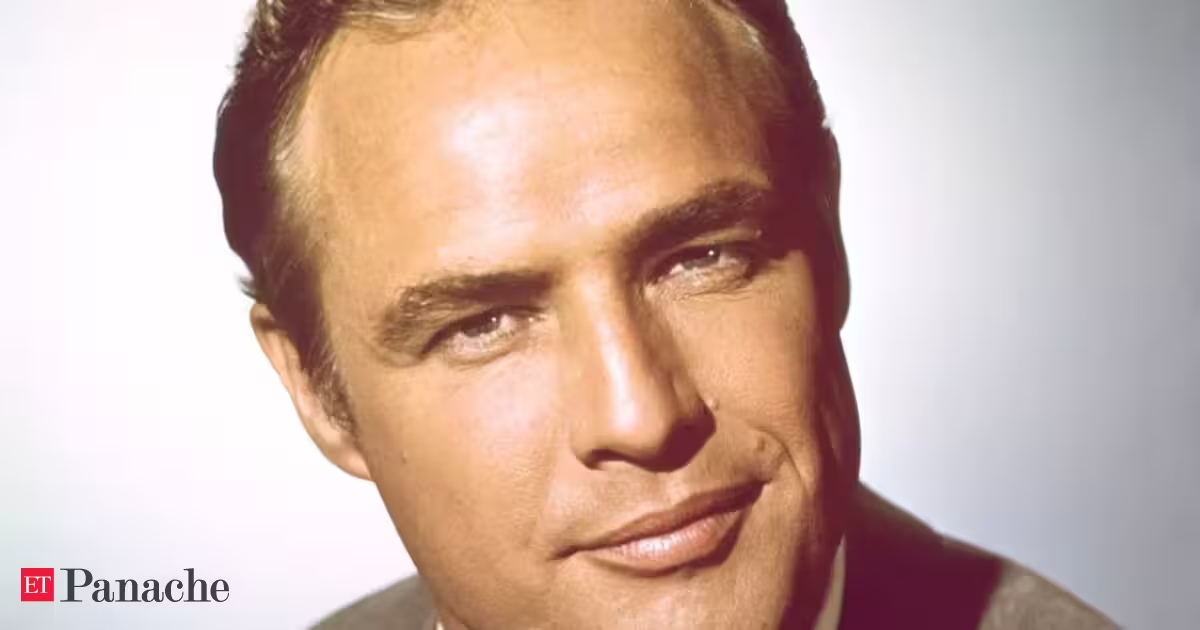
Quote of the Day by Marlon Brando: Human relationships are often shaped by emotional closeness, vulnerability, trust, and the fear of losing personal independence. While relationships can create deep emotional connection and companionship, they can also expose people to insecurity, emotional conflict, and the challenge of balancing intimacy with personal space. Many individuals struggle with how close they allow others to become in order to protect themselves emotionally.His striking quote, “With women, I've got a long bamboo pole with a leather loop on the end. I slip the loop around their necks so they can't get away or come too close. Like catching snakes,” reflects Marlon Brando’s complex and guarded view of relationships. The quote uses dramatic metaphorical language to explore emotional distance, control, vulnerability, and fear of intimacy. In today’s world of modern relationships, emotional boundaries, and psychological awareness, the quote continues to spark discussion because it highlights how some people attempt to manage closeness while protecting themselves from emotional pain. Although controversial, Brando’s words remain thought-provoking for their exploration of emotional insecurity, personal space, and the complicated balance between connection and independence in human relationships.Quote of the Day Today: Marlon Brando on relationships, trust and intimacyQuote of the Day by Marlon Brando: “With women, I've got a long bamboo pole with a leather loop on the end. I slip the loop around their necks so they can't get away or come too close. Like catching snakes”Meaning of Marlon Brando’s Quote About RelationshipsMarlon Brando’s quote, “With women, I've got a long bamboo pole with a leather loop on the end. I slip the loop around their necks so they can't get away or come too close. Like catching snakes,” explores emotional distance, vulnerability, and the fear of intimacy in relationships. The imagery of keeping someone “not too close and not too far” symbolizes the emotional conflict many people experience when trying to balance connection with personal independence. Brando uses dramatic metaphorical language to describe relationships as something both attractive and emotionally risky.However, the deeper meaning of the quote reflects emotional insecurity, fear of vulnerability, and the desire to maintain control in personal relationships. The comparison to “catching snakes” suggests caution, mistrust, and emotional defensiveness rather than openness and comfort. The quote highlights how some individuals struggle to fully trust emotional closeness because of fear of rejection, loss of freedom, or emotional pain. Even today, the quote continues to provoke discussion about emotional boundaries, attachment, intimacy, and the psychological complexities of human relationships.Why protecting yourself too much can push people away People often protect themselves emotionally to avoid disappointment, heartbreak, rejection, or vulnerability. While emotional boundaries are important for personal well-being, excessive self-protection can slowly create distance in relationships and prevent genuine emotional connection from growing. When individuals constantly fear getting hurt, they may avoid openness, trust, or emotional honesty, making others feel unwelcome or emotionally disconnected. Over time, these emotional barriers can push people away even when closeness and companionship are deeply desired. Healthy relationships require balance between self-protection and emotional availability. Trust, communication, and vulnerability help create meaningful human bonds that cannot develop through emotional control alone. In modern relationships, emotional awareness is essential because constantly guarding emotions may protect someone temporarily, but it can also prevent deep trust, intimacy, understanding, and lasting emotional connection from ever fully developing.Early Life of Marlon BrandoMarlon Brando was born on April 3, 1924, in Omaha, Nebraska, United States. He grew up in a troubled household marked by family conflict, emotional instability, and alcoholism. His father was strict and emotionally distant, while his mother struggled with alcohol addiction but encouraged Brando’s early interest in theater and performance. During childhood, Brando often displayed rebellious behavior and had difficulty adapting to discipline and authority. These early experiences deeply influenced his emotional personality and later shaped the intensity and realism he brought to his acting career.Education and Acting DevelopmentBrando attended several schools during his youth but struggled academically because of his rebellious nature. After being expelled from military school, he moved to New York City to study acting. There, he trained at the Dramatic Workshop of The New School under the guidance of renowned acting teacher Stella Adler. Adler introduced Brando to method acting, a performance style that emphasized emotional realism and psychological depth. This training transformed Brando into one of the most influential actors of his generation and helped redefine modern acting techniques in Hollywood.Rise to Fame and Hollywood SuccessMarlon Brando rose to fame in the late 1940s and early 1950s through powerful stage and film performances. His breakthrough came with the role of Stanley Kowalski in A Streetcar Named Desire, which showcased his intense acting style and emotional realism. He later starred in iconic films such as On the Waterfront, The Wild One, The Godfather, and Apocalypse Now. Brando became known for his natural performances, emotional intensity, and ability to portray deeply complex characters. His acting style revolutionized Hollywood and influenced generations of actors worldwide.Fame, Controversy, and Personal StrugglesDespite his extraordinary success, Brando’s life was often surrounded by controversy, emotional struggles, and personal conflict. He became known for his unpredictable behavior, strained relationships, and criticism of Hollywood culture. Throughout his life, he faced emotional difficulties, family tragedies, and public scrutiny. Brando was also outspoken about social and political issues, including civil rights and Native American representation in the film industry. While admired as a cinematic genius, his personal life remained complicated and often turbulent.Legacy and Lasting InfluenceMarlon Brando passed away on July 1, 2004, in Los Angeles, California, at the age of 80. He is widely regarded as one of the greatest and most influential actors in film history. His revolutionary approach to acting transformed Hollywood performance styles and inspired countless actors around the world. Brando’s films continue to be celebrated for their emotional power, realism, and cultural impact. Today, he is remembered not only for his legendary performances but also for his complex personality, artistic brilliance, and lasting influence on modern cinema.Life Lessons from Marlon Brando’s Famous QuoteMarlon Brando’s quote teaches that human relationships are often shaped by emotional vulnerability, fear of intimacy, and the desire for personal control. The quote highlights how some people struggle to balance emotional closeness with independence, wanting connection while also protecting themselves from emotional pain or rejection. It reflects the reality that emotional boundaries can become complicated when trust, attachment, and vulnerability are involved. In modern relationships, this message remains important because many people experience similar fears of becoming either too emotionally dependent or too emotionally distant. Brando’s words continue to remind people that emotional honesty and healthy communication are essential for building balanced and meaningful relationships.Why This Quote Still Matters TodayMarlon Brando’s quote remains relevant today because modern relationships often involve emotional uncertainty, trust issues, and the challenge of maintaining personal space while seeking emotional connection. In a world shaped by fast communication, changing relationship dynamics, and emotional pressures, many individuals struggle with vulnerability and fear of emotional hurt. The quote reflects how people sometimes create emotional distance as a form of self-protection. Although the language used in the quote may feel controversial or uncomfortable, its deeper themes about intimacy, insecurity, and emotional boundaries continue to resonate in contemporary discussions about relationships and mental well-being.Relationship WisdomMarlon Brando’s quote reflects a timeless truth about the emotional complexity of human relationships. Real emotional connection requires trust, vulnerability, and the ability to balance closeness with individuality. The quote suggests that fear of emotional pain can sometimes lead people to keep others at a controlled distance rather than fully opening themselves emotionally. This wisdom remains significant because it highlights the importance of emotional awareness, healthy boundaries, and honest communication in relationships. True companionship is not built on control or emotional fear, but on mutual understanding, trust, and the confidence to allow genuine emotional closeness.
Quote of the Day by Marlon Brando: “With women, I've got a… – Inspiring lessons on relationships, trust, intimacy and why protecting yourself too much can push people away by the legendary Hollywood actor known for his deep insights into human nature and psychology
Quote of the Day by Marlon Brando: Marlon Brandos quote, “With women, I've got a long bamboo pole with a leather loop on the end. I slip the loop around their necks so they can't get away or come too close. Like catching snakes,” explores the complexity of emotional distance, vulnerability, and control in relationships. The quote uses strong metaphorical language to describe the fear of becoming either too emotionally attached or too emotionally distant.
1,295 words~6 min read