TL;DR
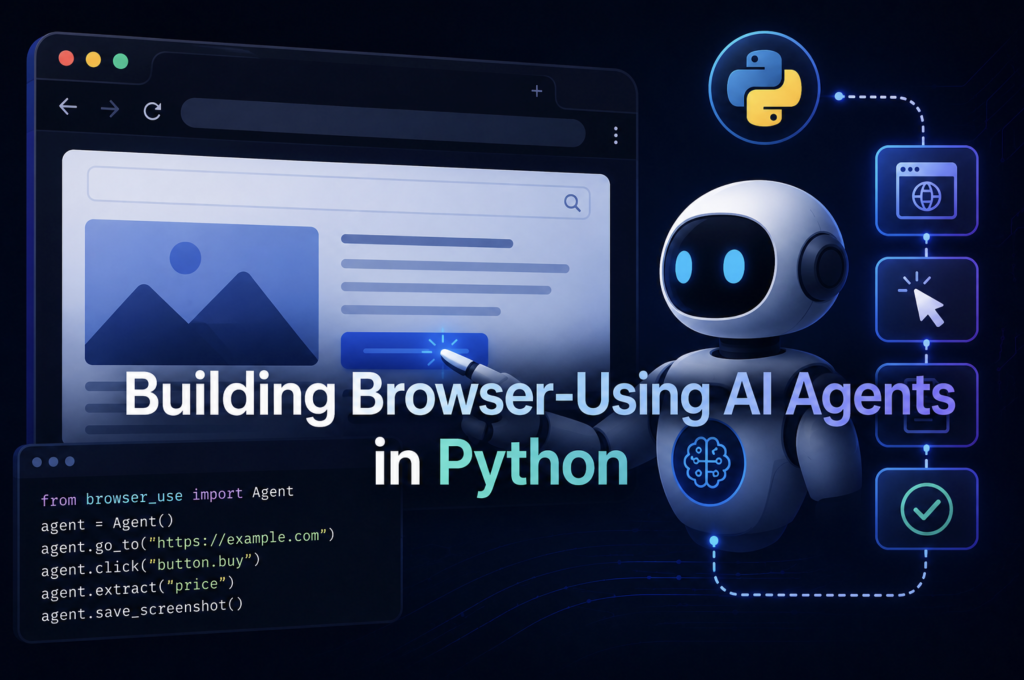
Agentic web browsing combines Playwright's headless browser automation with large language models to extract data from dynamic sites without relying on hardcoded CSS selectors. By passing a sanitized version of the rendered DOM to an LLM, the model can navigate pages, interact with elements, and return structured JSON in real time.
The Core Challenge of Dynamic Data
Modern web applications do not serve static HTML. Content is fetched asynchronously via API calls, rendered on the client side, and obfuscated behind complex CSS modules. Traditional web scraping relies on identifying specific DOM elements using XPath or CSS selectors. When a site deploys a new build, class names change, and standard scrapers break.
LLMs change this paradigm. Instead of defining exactly where data lives, developers can define what data they want. The LLM acts as the routing layer, analyzing the current state of the page and deciding how to extract the target information. This shifts scraping from a brittle, rule-based approach to an adaptable, semantic model.