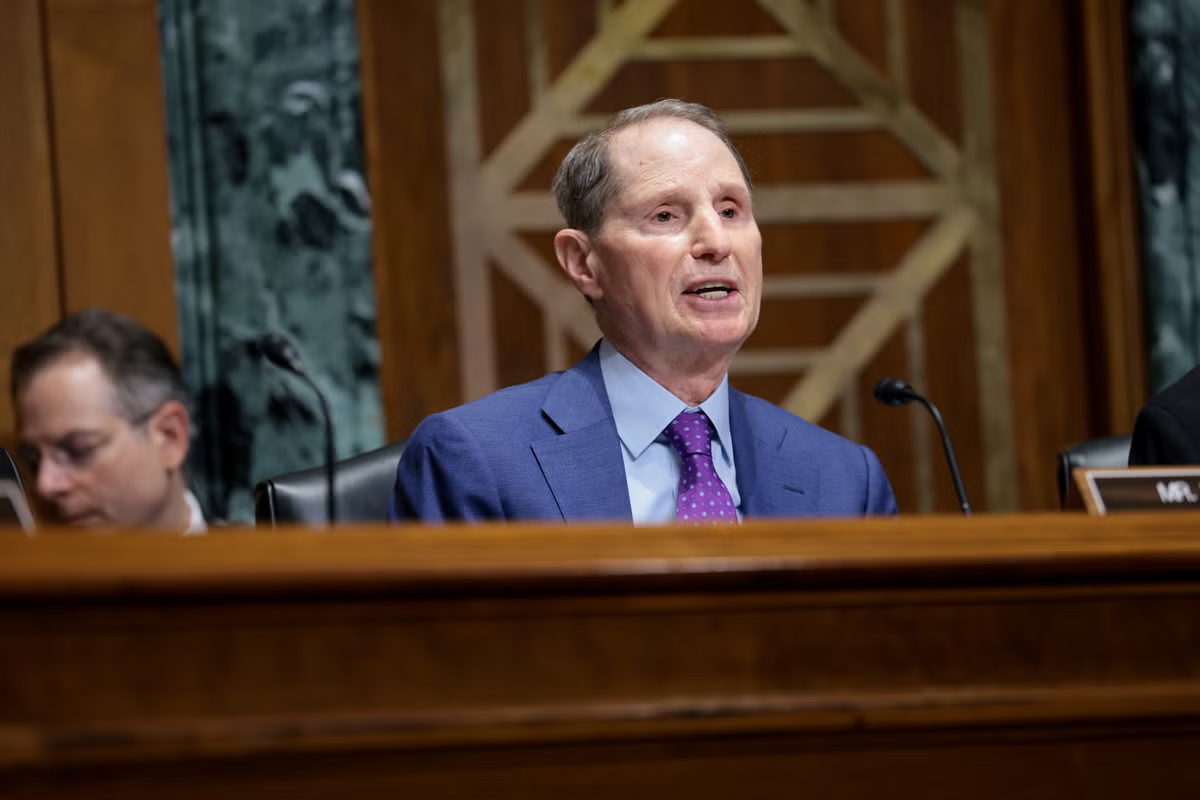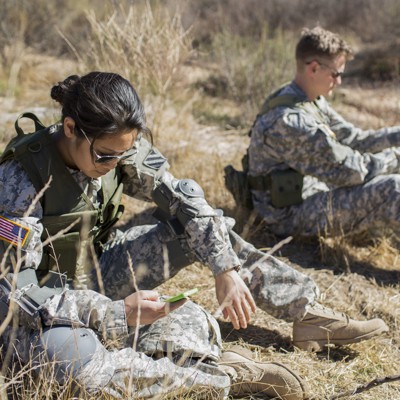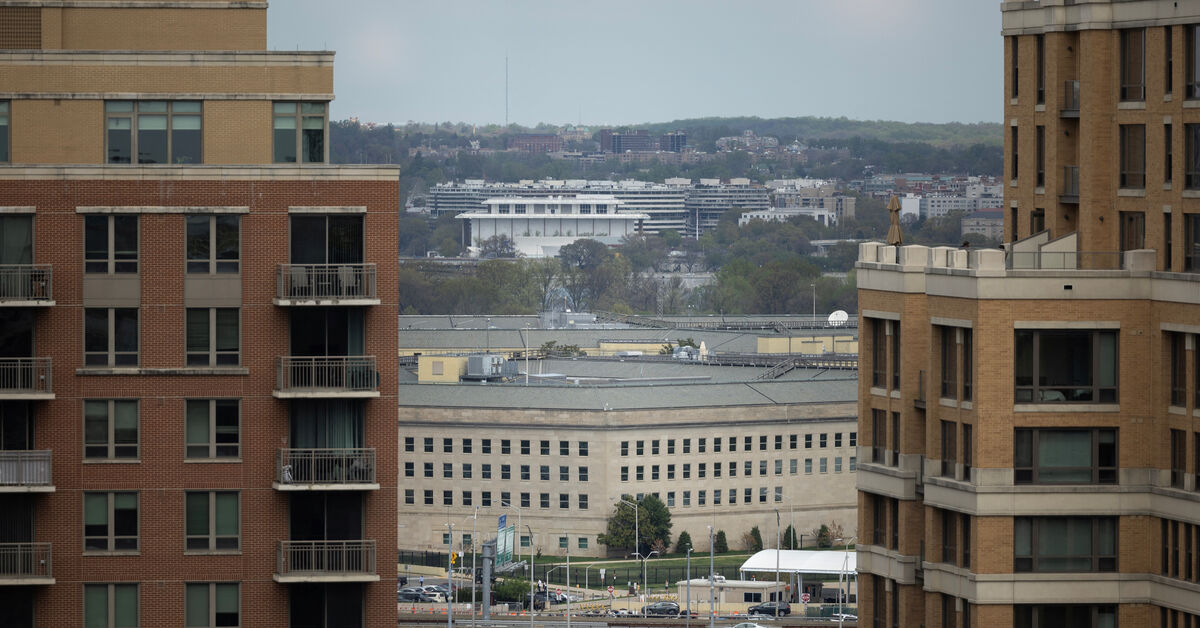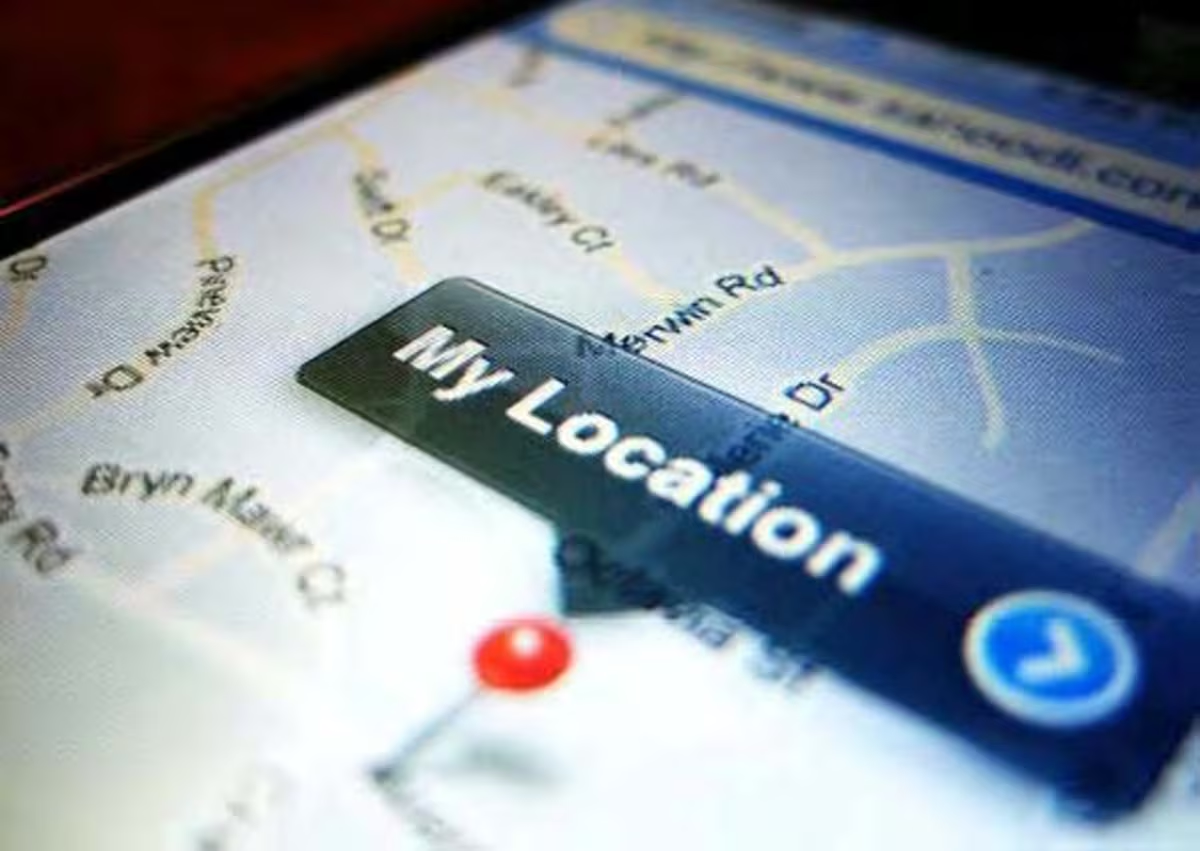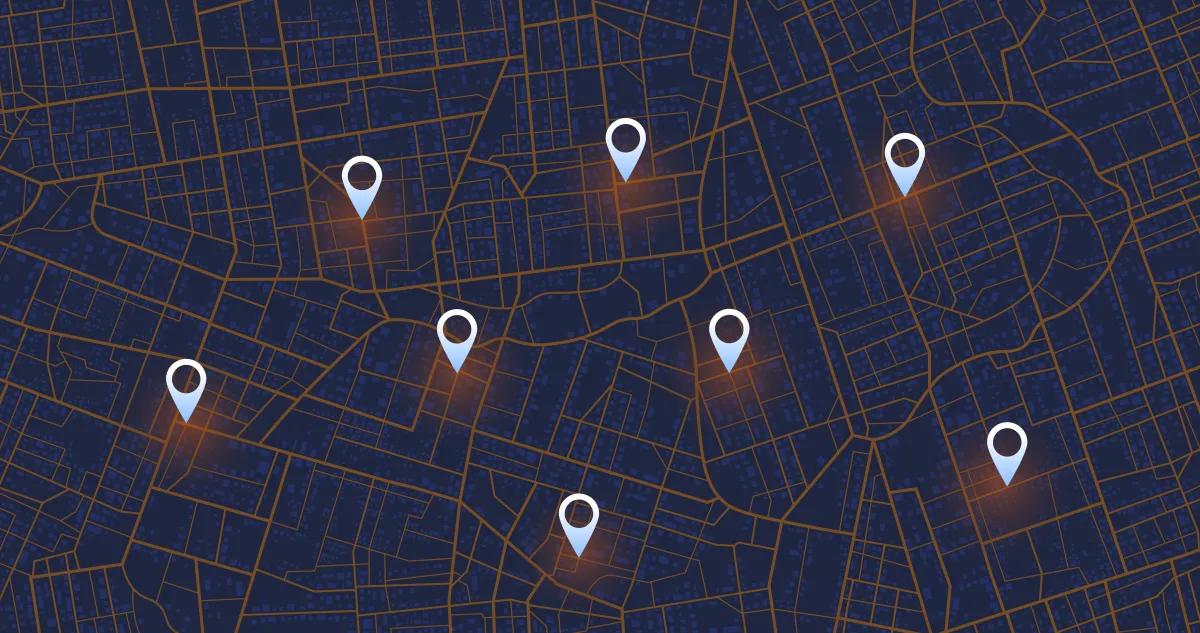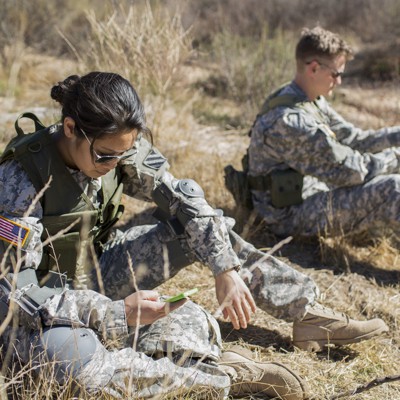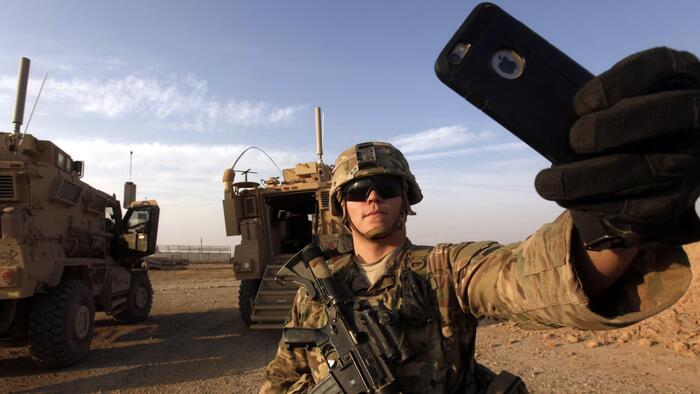
Adversaries have used commercially-available location data to attack individual US service members in war zones, according to a report furnished by the Department of Defense to Oregon Sen. Ron Wyden, and first reported by Reuters. Wyden is a Democratic member of the Senate intelligence committee. Responding to four questions Wyden had posed about this potential avenue of vulnerability for service members deployed to the Middle East, the Pentagon said that US Central Command "has received multiple threat reports concerning adversary exploitation of commercial location data to target or surveil US personnel in theater. The Threat Fusion Cell identified, tracked, and disseminated these threats through the USCENTCOM Threat Working Group and to component force protection personnel." A US Army soldier takes an iPhone selfie at a base in Qayyara, Iraq in 2016 (Reuters - Alaa Al-Marjani)Elaborating on the nature of the threat, the Pentagon noted that: "Commercial location data can be used to identify where U.S. troops congregate and their pattern of life, which can be exploited by adversaries to target attacks such as missiles, drones, and roadside bombs, as well as for counterintelligence purposes." The Pentagon's brief set of responses did not provide details on any specific incidents. Early in the US-Israeli war on Iran, two DOD officials were wounded in an Iranian drone strike on a Crowne Plaza hotel in Bahrain. After the strike, a senior Iranian official told Drop Site that Iran had built a "target bank" of both American and Israeli personnel. “The fact that they’ve now pinpointed the residences/locations of some of these forces has really caught the Americans and Israelis off guard," the official said, without detailing Iran's methodology. He did say the building of the target bank began after the 2025 12-Day War. ⭕️ NEW: Iranian Hotel Strike in Bahrain Injured U.S. Defense Personnel, Diplomatic Cable Comfirms
US Service Members Targeted Via Commercial Location Data, Pentagon Tells Senators
"DoD has known about this threat for over a decade," says bipartisan group of legislators
812 words~4 min read