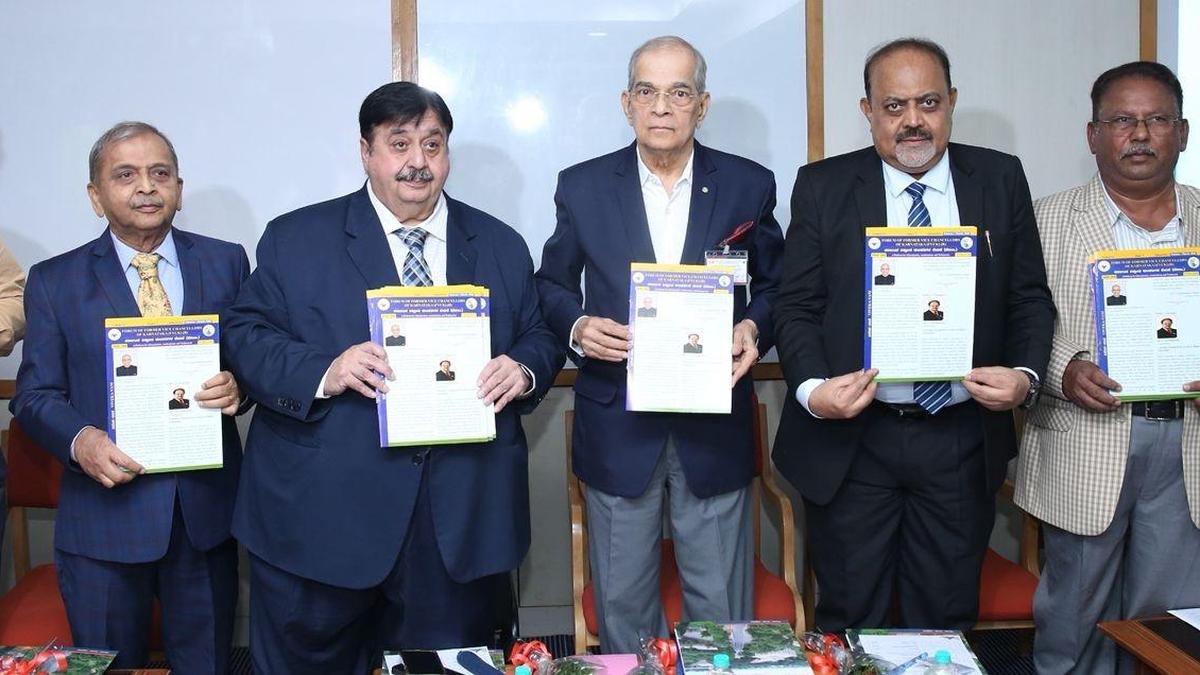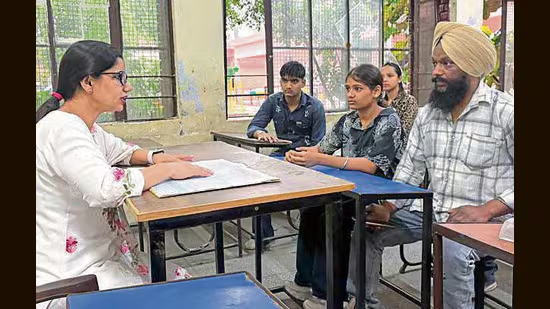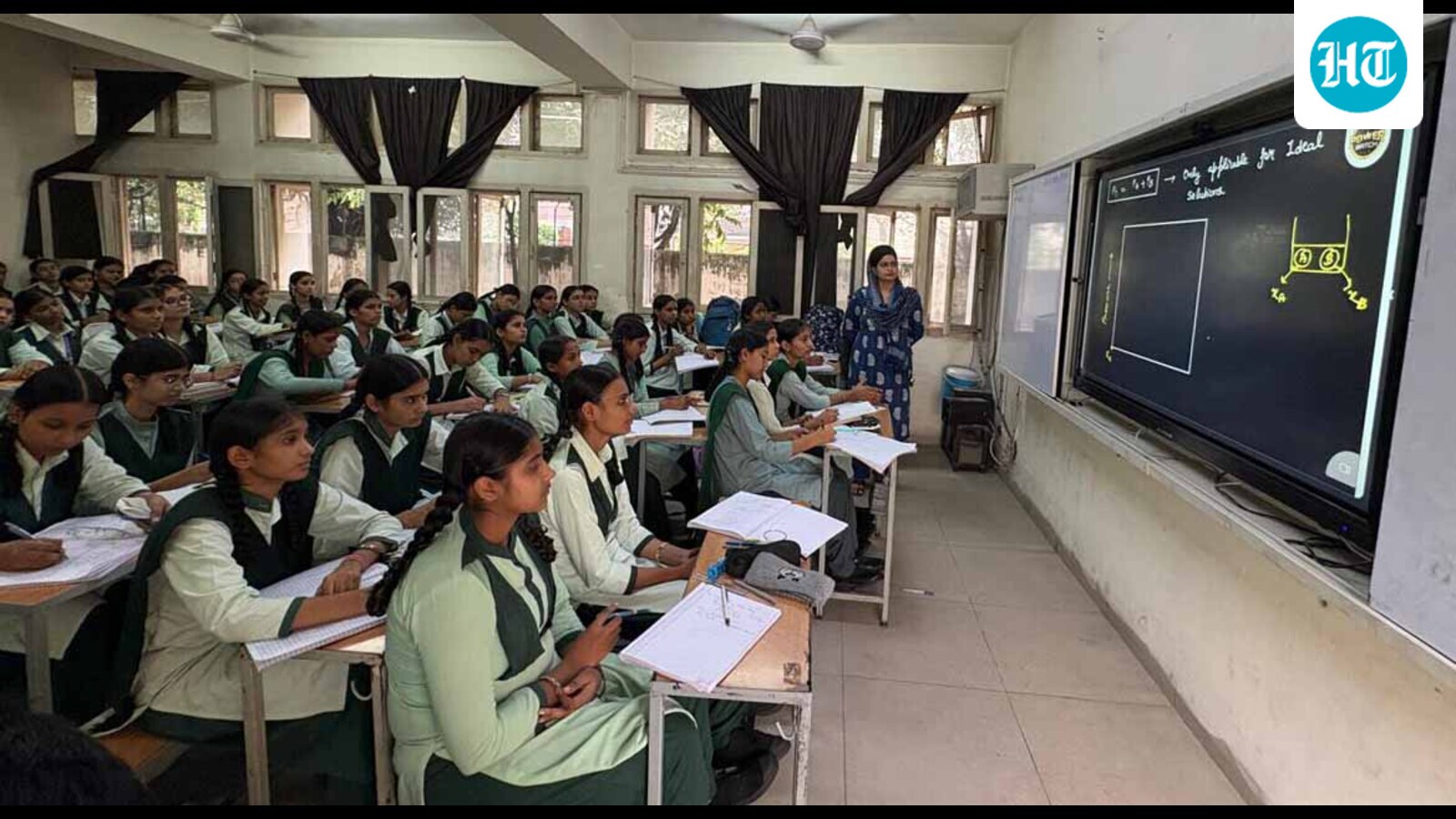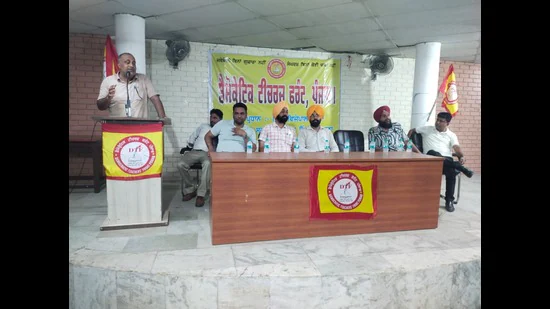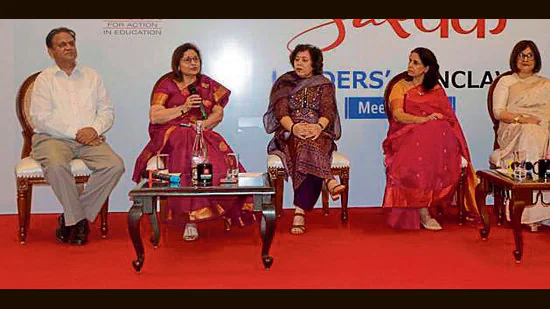
Educationists, school leaders and academic innovators from across the region deliberated on the future of learning, artificial intelligence, leadership and evolving classroom practices at “Saarthak – A Leaders Conclave” organised by Hindustan Times PACE at Park Plaza in Ludhiana.Educationists at Sarthak Leaders Conclave organised by Hindustan Times Pace in Ludhiana on Friday. (Manish/ HT)Nearly 70 delegates representing around 60 schools participated in the conclave, which featured felicitation ceremonies, interactive sessions and a panel discussion involving prominent names from the education sector.The discussions centred on how classrooms are rapidly evolving beyond conventional learning methods, with emphasis on creativity, adaptability, critical thinking and holistic development. Speakers highlighted the growing impact of technology in education, noting that smartphones today provide access to information on an unprecedented scale, while studies suggest nearly 44% of workplace skills are expected to change within the next five years.Punjab Agricultural University vice-chancellor Dr Satbir Singh Gosal attended the event as the chief guest and underlined the need to develop self-reliant students equipped with practical life skills alongside academic knowledge. Speaking on the increasing influence of technology, he cautioned against excessive dependence on artificial intelligence and mobile screens for information. Referring to Punjab Agricultural University’s contribution during the Green Revolution, he said books and newspapers continue to play an important role in building deeper understanding and analytical thinking.The panel discussion featured Anirudh Gupta, director of DCM Group; Meenu Chopra, principal of DCM Young Entrepreneur School, Ludhiana; Urvashi Kakkar, principal of Gurukul Global School, Chandigarh; Dr Seema Biji, principal of MRA Senior Secondary School, Chandigarh; DP Guleria, principal of BCM School, Chandigarh Road, Ludhiana; and Dr Vandana Shahi, founder principal of BCM School, Ludhiana.The panelists shared perspectives on the changing role of schools, integration of artificial intelligence in classrooms, teacher empowerment and the increasing need for holistic education. Discussions also focused on the growing challenges faced by teachers in balancing academics, emotional support for students, technological integration and parental expectations.A special presentation by the Chitkara Group highlighted its work in the areas of innovation, research and future-oriented education. The conclave also recognised the contributions of educators whose work has significantly influenced students and academic institutions.The participating educators agreed that classrooms are steadily moving beyond rote learning and memorisation towards creativity, innovation and problem-solving. They emphasised that schools must focus on nurturing thinkers, leaders and responsible citizens capable of adapting to an increasingly unpredictable future.
Ludhiana: Educationists discuss AI, innovation and future-ready learning at HT PACE conclave
Nearly 70 delegates representing around 60 schools participated in the conclave, which featured felicitation ceremonies, interactive sessions and a panel discussion involving prominent names from the education sector
394 words~2 min read