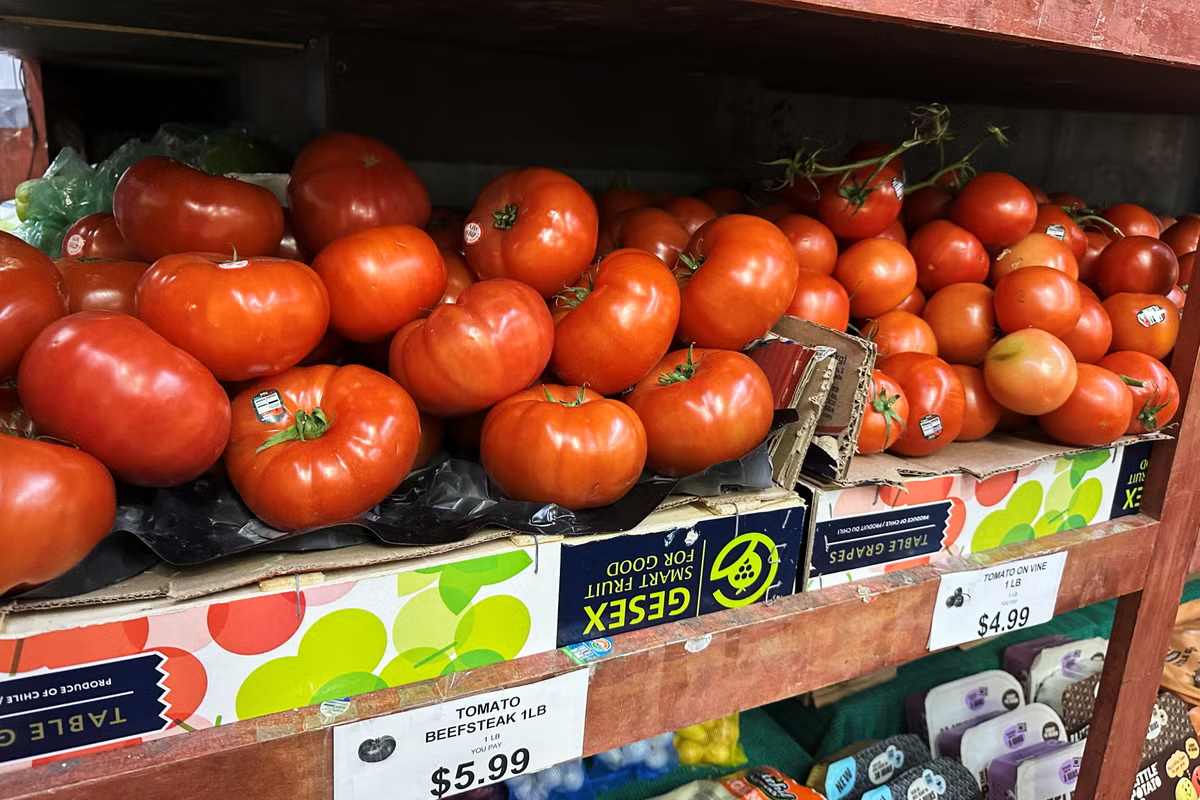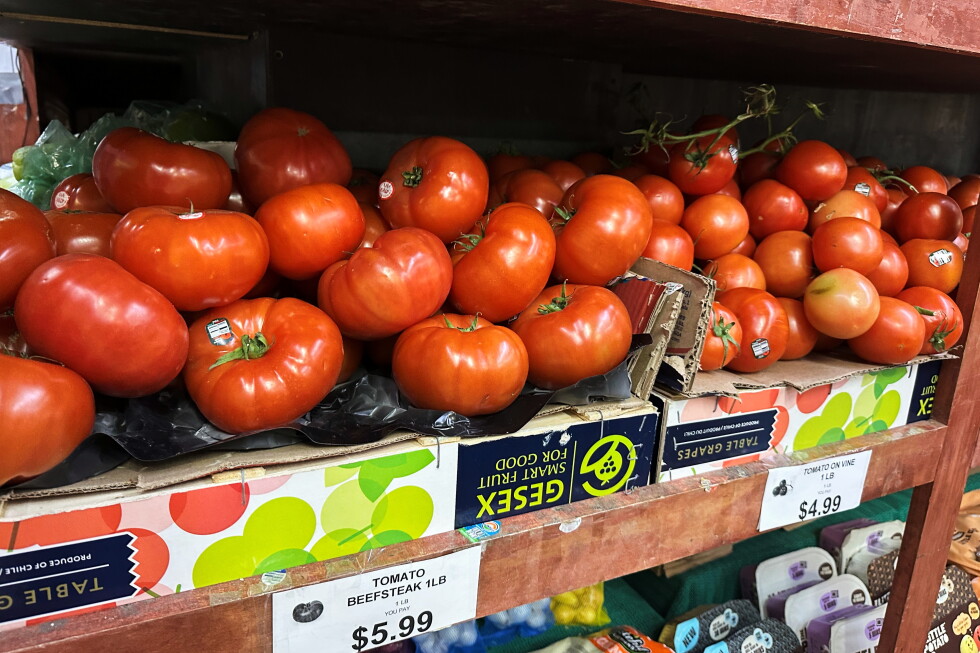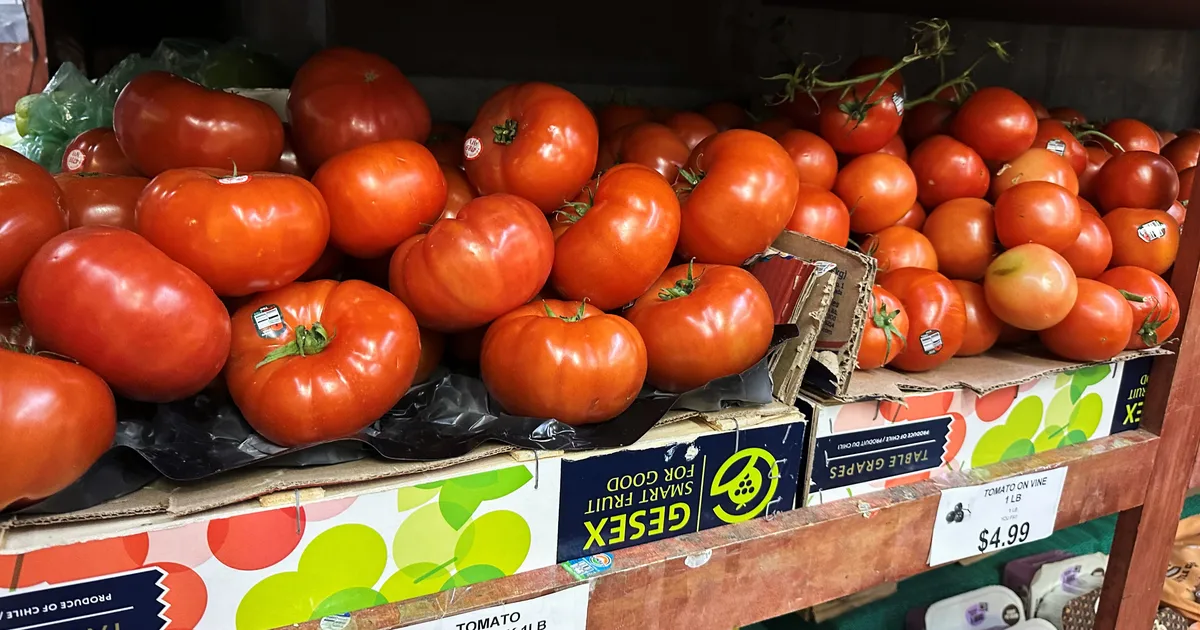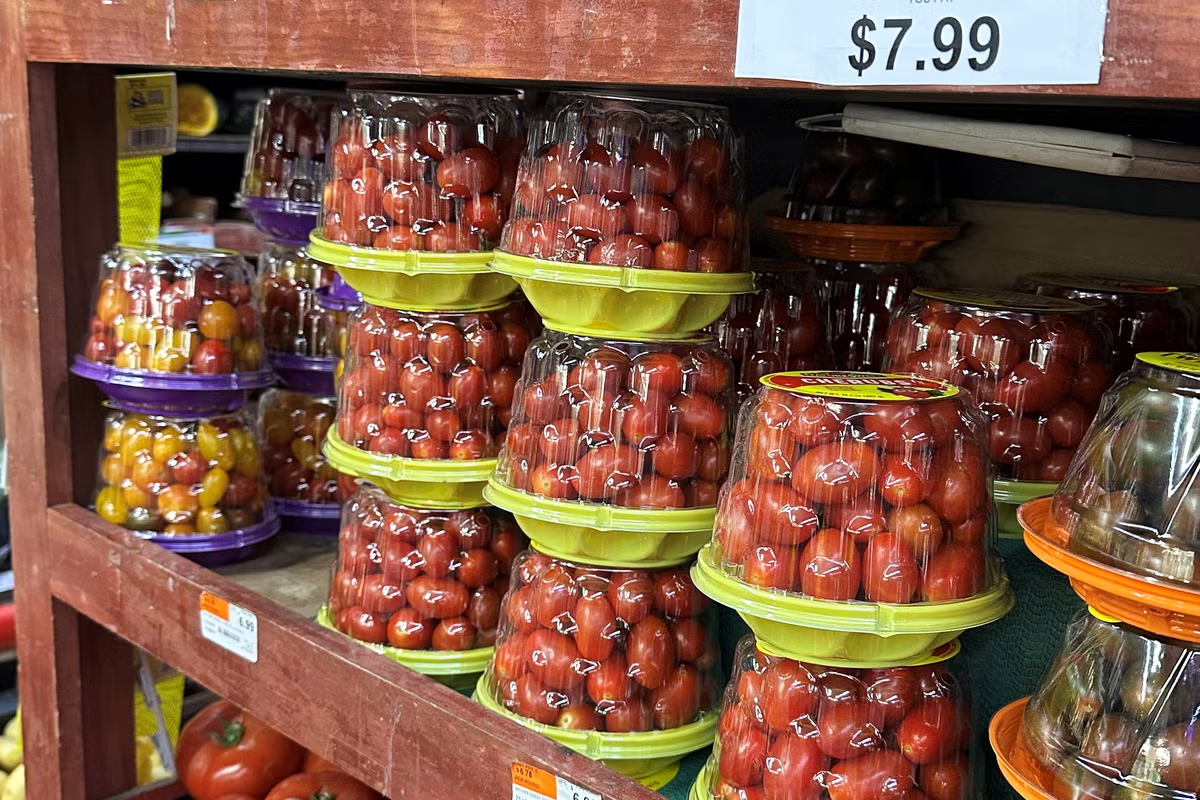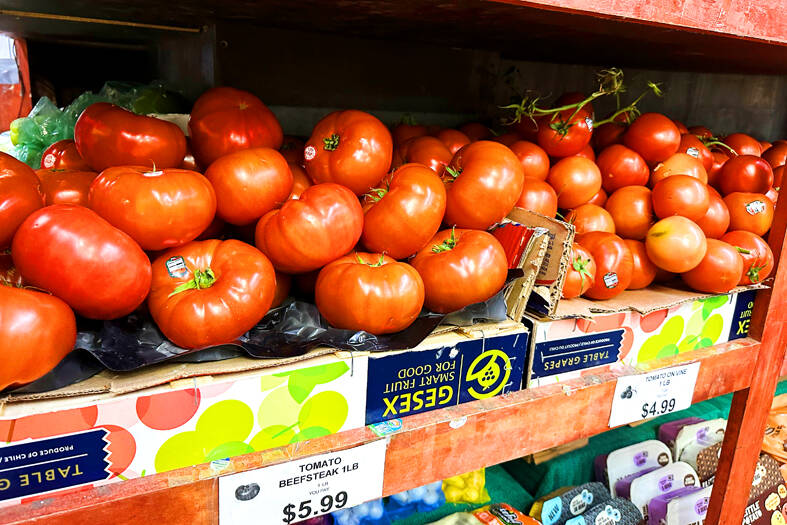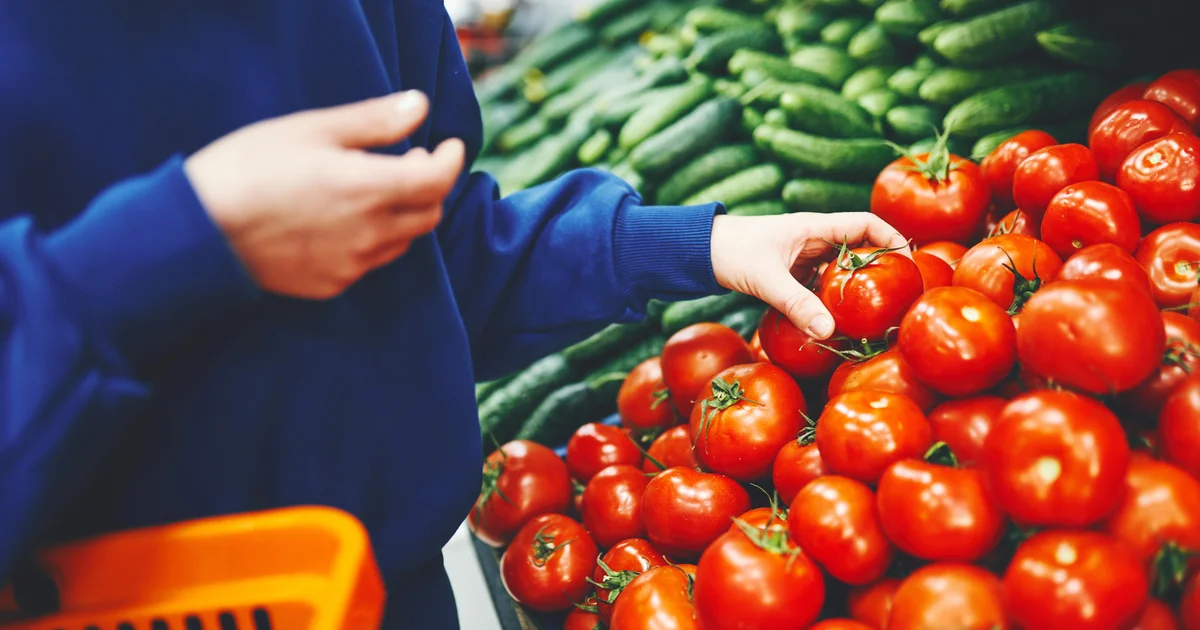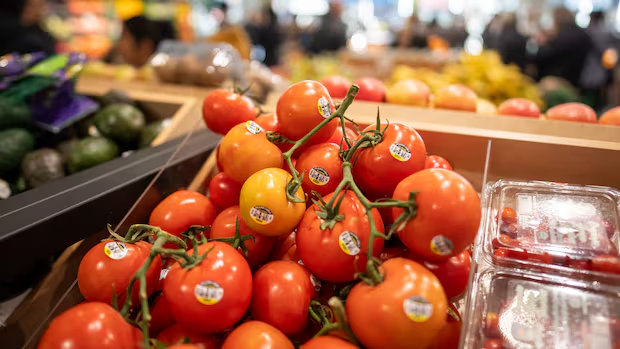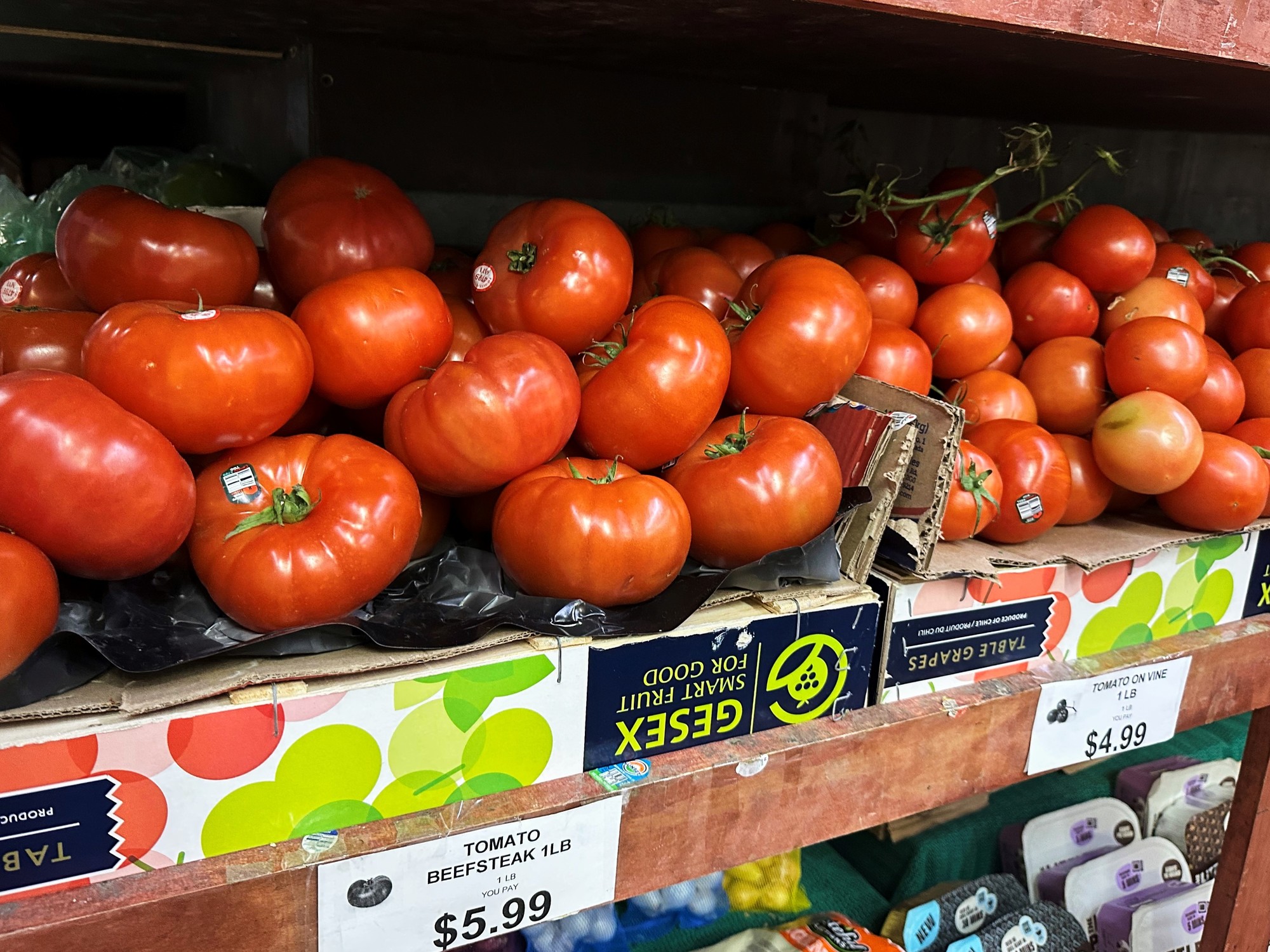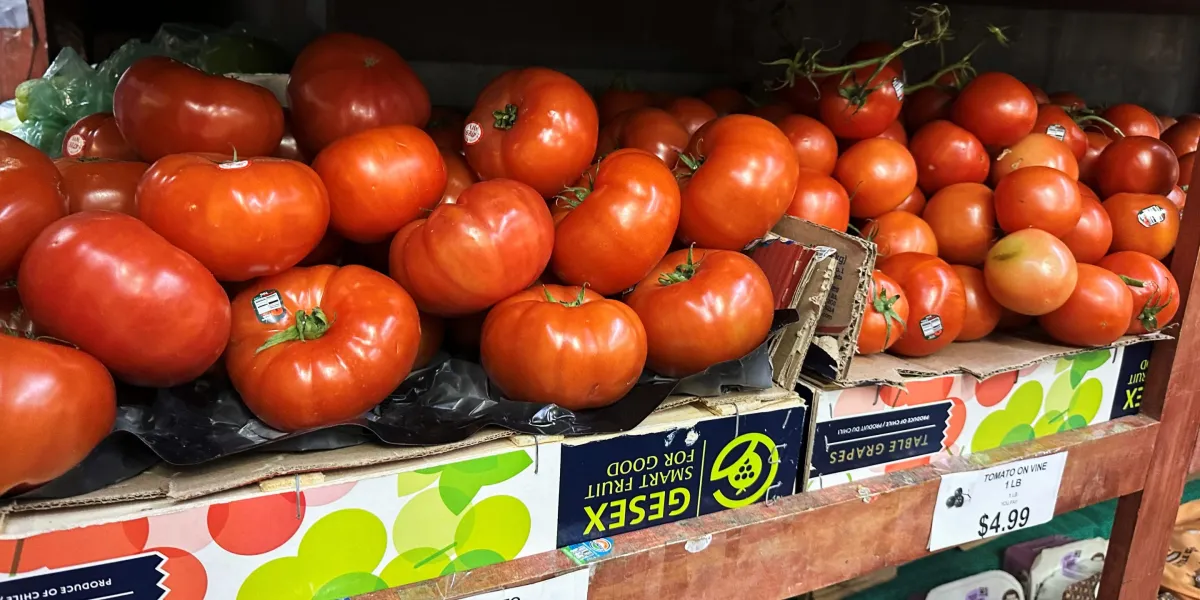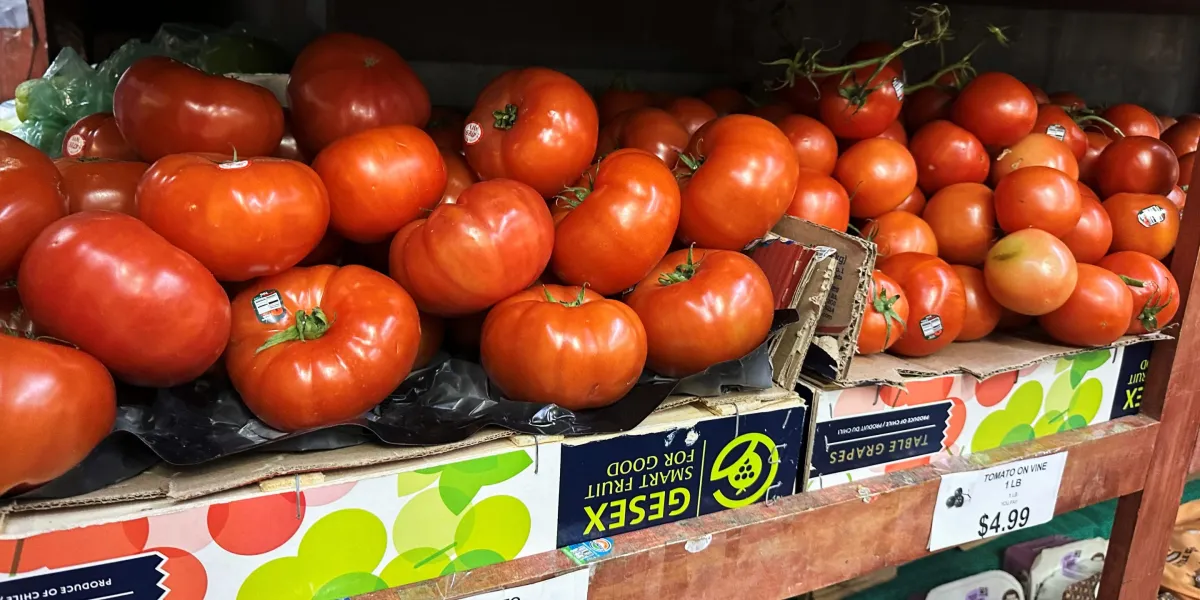
Tomatoes, ubiquitous in everything from fast-food burgers to haute cuisine, are taking on a new role beyond the plate: A nagging reminder of rising costs.
Prices for those red orbs have soared more than any other food product over the past year to cement a spot as one of the consumer headaches du jour.
“The tomato has become a symbol of something much deeper,” says Isaac Bernal Carbajo, a New York City chef who lamented life’s “simplest pleasures” falling victim to price increases. “Something as basic as buying fresh vegetables is starting to become a serious financial decision for many families.”
The last time a single grocery item took on outsized political meaning, it was eggs. Prices spiked in 2022 and 2023 after avian flu wiped out tens of millions of hens, sending costs sharply higher, largely independent of White House policy. Donald Trump seized on those increases during his 2024 campaign, promising to quickly bring down grocery bills and pointing to eggs as Exhibit A of Biden-era inflation, only to have persistently high prices, memes like “Trump take egg,” and his own “shut up about egg prices” repost turn the symbol back on him once he returned to office.
Tomato prices are up about 40% over a year ago, according to the latest Consumer Price Index, dwarfing increases for other groceries, including coffee (up 18.5%), beef roasts (up 17.8%) and frozen fish and seafood (up 12%), among other products that have become symbols of America’s affordability squeeze.