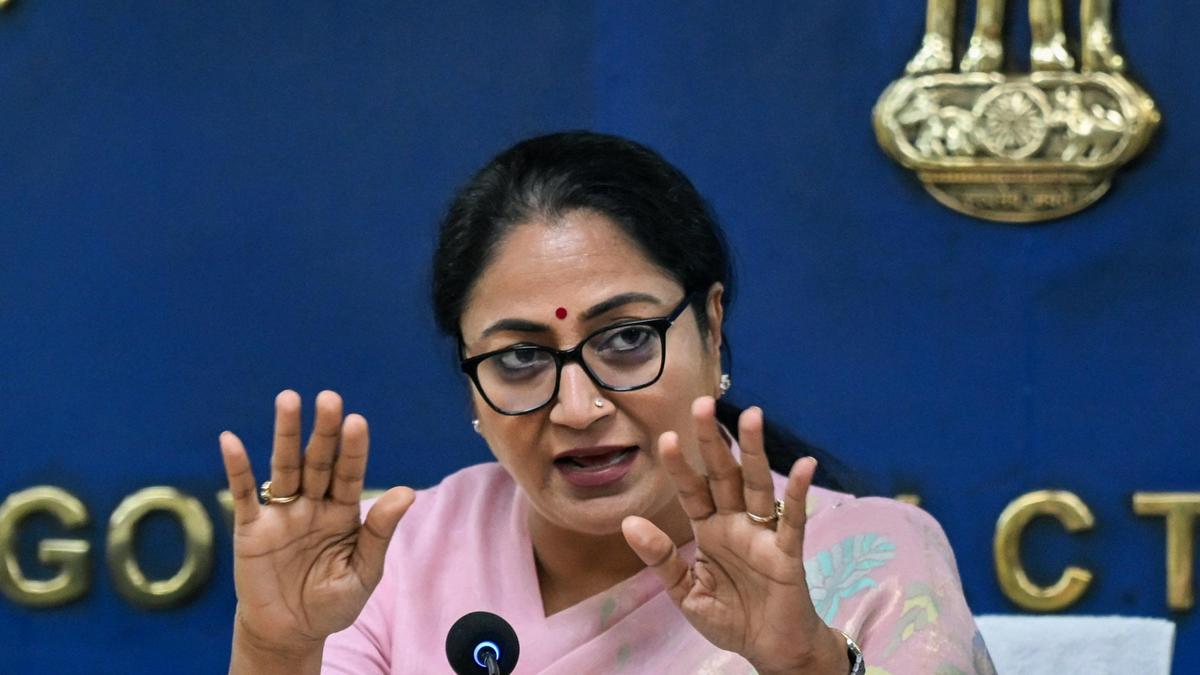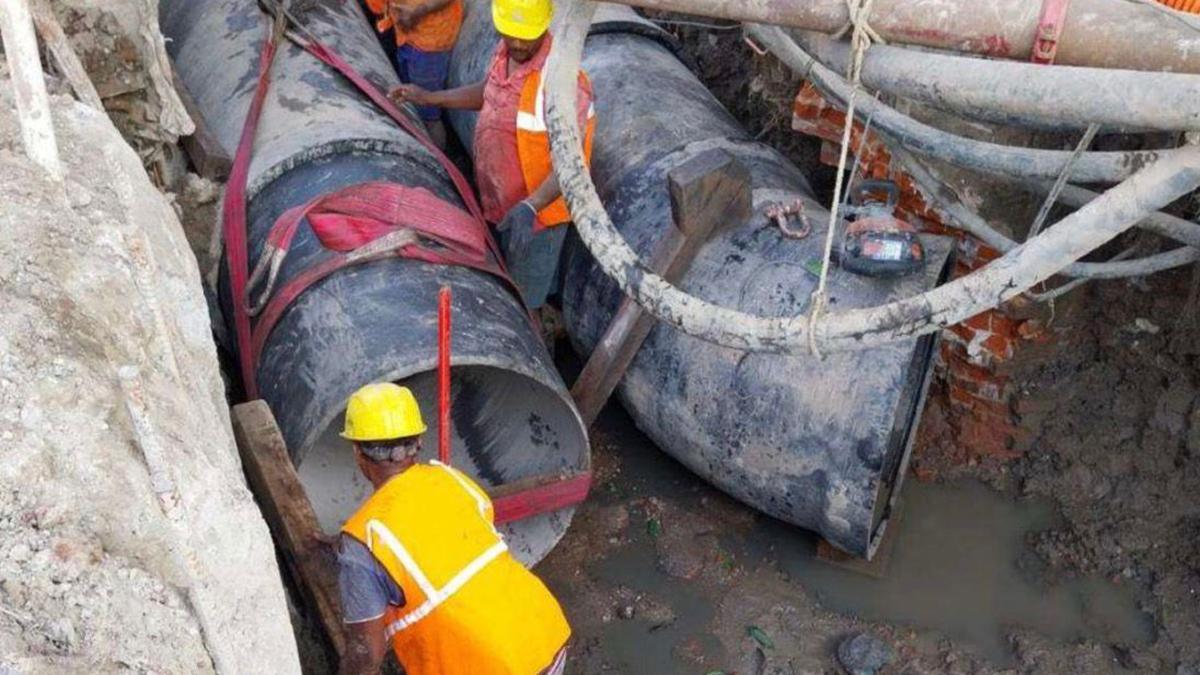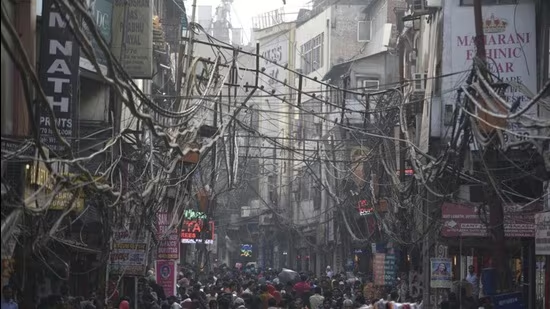
New Delhi: The Delhi government has started work to shift low-tension overhead electricity and communication lines underground on two pilot stretches in Chandni Chowk– More Sarai Road and Esplanade Road -- with the work expected to be completed by June end.Officials said precast RCC multi-utility ducts will be installed beneath the roads to accommodate LT power cables, telecom and optical fibre lines, CCTV wiring and other utilities in a common underground corridor. (HT Archive)Officials said precast RCC multi-utility ducts will be installed beneath the roads to accommodate LT power cables, telecom and optical fibre lines, CCTV wiring and other utilities in a common underground corridor. The pilot is part of a larger plan to cover 26 roads in Chandni Chowk.Power minister Ashish Sood said the project aims to modernise utility infrastructure in one of the city’s most congested commercial areas, while minimising inconvenience to residents and traders.“Chandni Chowk is among the busiest and oldest market areas of Delhi with dense overhead wiring and limited road space. The project will help create a safer and more organised utility network through underground integration of cables and communication infrastructure,” Sood said.According to the detailed project report (DPR), narrow lanes, mixed residential-commercial use and decades-old infrastructure in Old Delhi have resulted in cluttered overhead wiring, utility poles and repeated road digging.Total project cost is around ₹170 crore and the two pilots will cost around ₹17 crore, said officials.More Sarai Road (Type-B road), which is 7-9 metres wide, will get utility ducts on both sides. Esplanade Road (Type-C road), which is 12 metres wide,will also get ducts on both sides along with decorative streetlights.Ground penetrating radar surveys and utility mapping have already been conducted to identify sewer lines, water pipelines, optical fibre cables, CCTV lines and electric cables, before excavation begins.An official said the underground corridor system would reduce repeated road digging for utility repairs. “Maintenance stuff will be able to access cables through manholes without repeatedly cutting roads. It will help reduce traffic disruption and damage to pavements,” the official said.The system will also include smart feeder pillars at 30-metre intervals and LED streetlights at 15-metre intervals. Decorative six-metre fibre reinforced plastic streetlight poles with dual-arm LED luminaires have also been proposed.Officials said excavation and cable-laying work would be carried out between 10.30pm and 5.30am to ensure minimal disruption to commercial activity and pedestrian movement. Roads will be restored before morning business hours daily.Sand bedding will be provided below and above the cables, while communication utility angles will be placed at intervals to minimise electromagnetic interference.“All necessary cables will first be laid in the multi-utility ducts. The connections will then be made before the older infrastructure is removed.Power disruption is expected for a brief time. Residents will be informed in advance in case of planned outages during the switch,” the official said.The project will be carried out in phases in small stretches to avoid full road blockages. Barricading, reflective signage, temporary pedestrian pathways, ramps and access planks for shops and residences will be installed.Authorities have also planned advance public communication with traders, residents and local representatives before work begins on each stretch.The DPR states that existing overhead wires and poles will be removed only after the underground network becomes fully operational.A high-power committee headed by the district magistrate has been constituted to monitor the execution and coordinate between agencies including BSES Yamuna Power Limited, Delhi Jal Board, MCD, PWD, Delhi Police and telecom providers.The committee will oversee utility protection, traffic management, restoration of roads and coordination of permissions to ensure timely completion of the project.Officials said the experience from More Sarai Road and Esplanade Road would be used to prepare DPRs for the remaining 24 roads planned under the next phase of underground utility works in Chandni Chowk.
Shifting of overhead wires to be completed by June end on two pilot Chandni Chowk roads
The Delhi government begins shifting overhead utility lines underground in Chandni Chowk, aiming to modernize infrastructure by June. | Latest News Delhi
624 words~3 min read