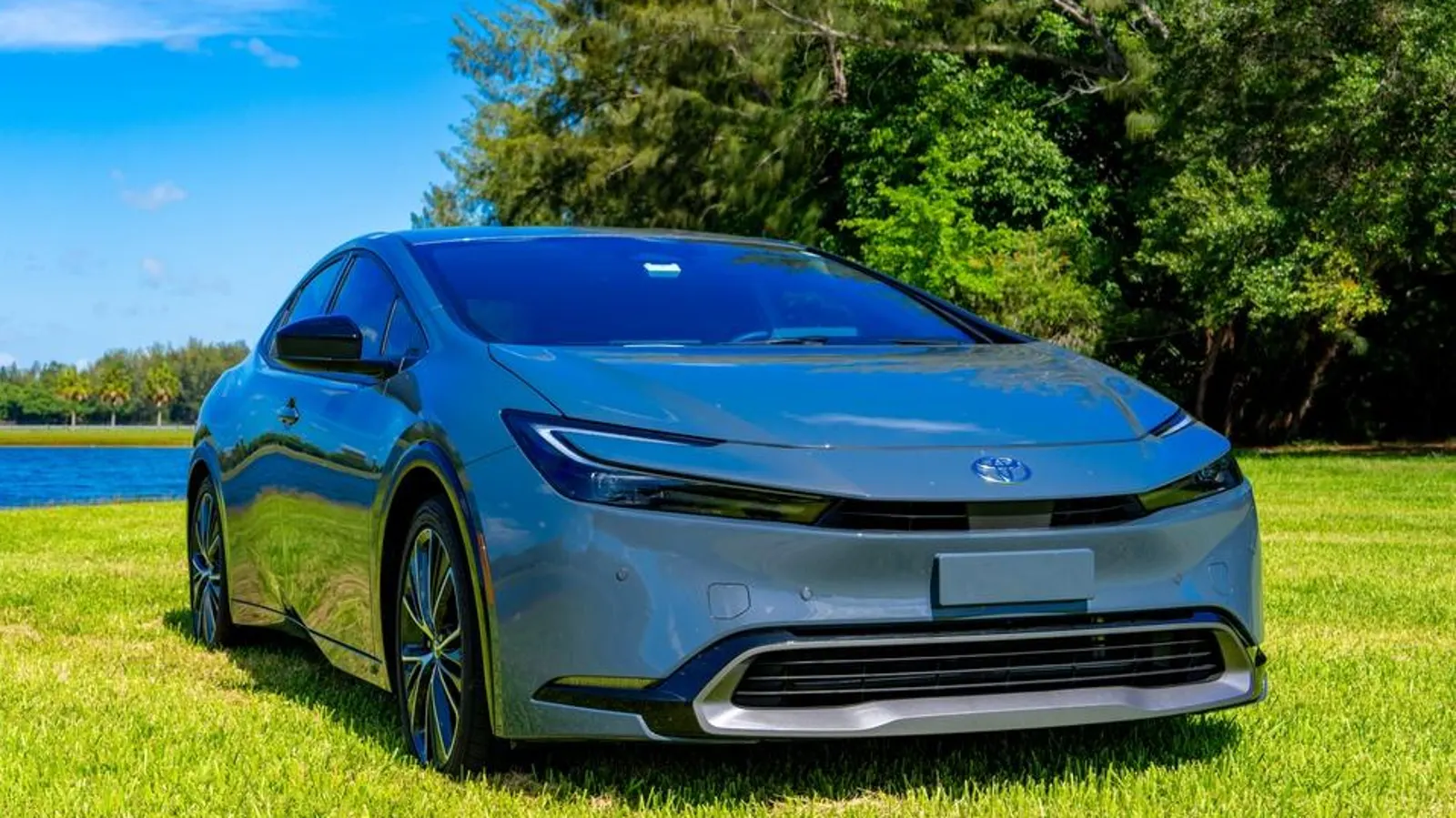
A plug-in hybrid electric vehicle does something a pure EV cannot: it eliminates range anxiety entirely. When the battery depletes, a gasoline engine takes over, and the vehicle continues exactly as a conventional hybrid would. The practical benefit is that daily commutes and routine errands can run entirely on stored electric charge, while longer road trips that exceed the electric range simply shift to gasoline without requiring a charging stop. For buyers who want the economics of electric driving without committing to a charging network for every trip, PHEVs offer a specific and useful middle ground between a conventional hybrid and a full EV.
The all-electric range varies considerably across the PHEV market, and that variation determines how much of a typical driver’s weekly mileage runs on electricity. A vehicle with 38 miles of electric range and a driver who commutes 30 miles each way will still use gasoline daily. The same driver with a 54-mile PHEV might cover the entire round-trip on electric power, never using the gasoline engine on a workday. That difference compounds across hundreds of drives per year and shows up in concrete terms in fuel costs.
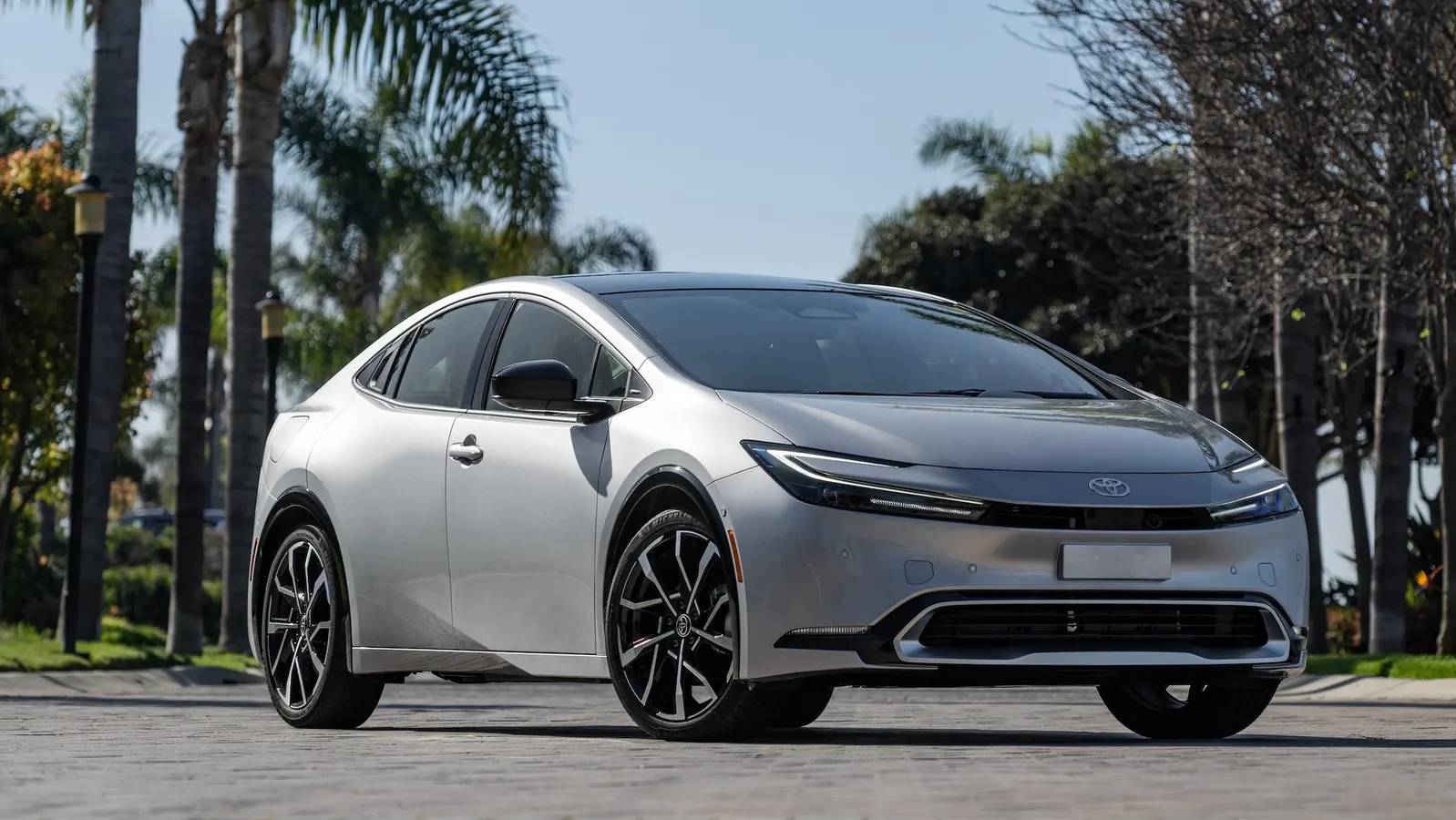
These 10 models come from U.S. News and World Report’s list of the PHEVs with the most electric range in 2026, each with a maximum all-electric range of at least 38 miles. The list spans luxury sedans, luxury SUVs, a performance sedan, and a mainstream hybrid hatchback, all at notably lower prices than most PHEV competitors, evaluated for range, efficiency, interior quality, and overall driving capability. Every model on the list qualifies as a genuine plug-in hybrid, not a mild hybrid with a token electric-only mode, which ensures the list reflects vehicles that can genuinely eliminate fuel use during daily driving.