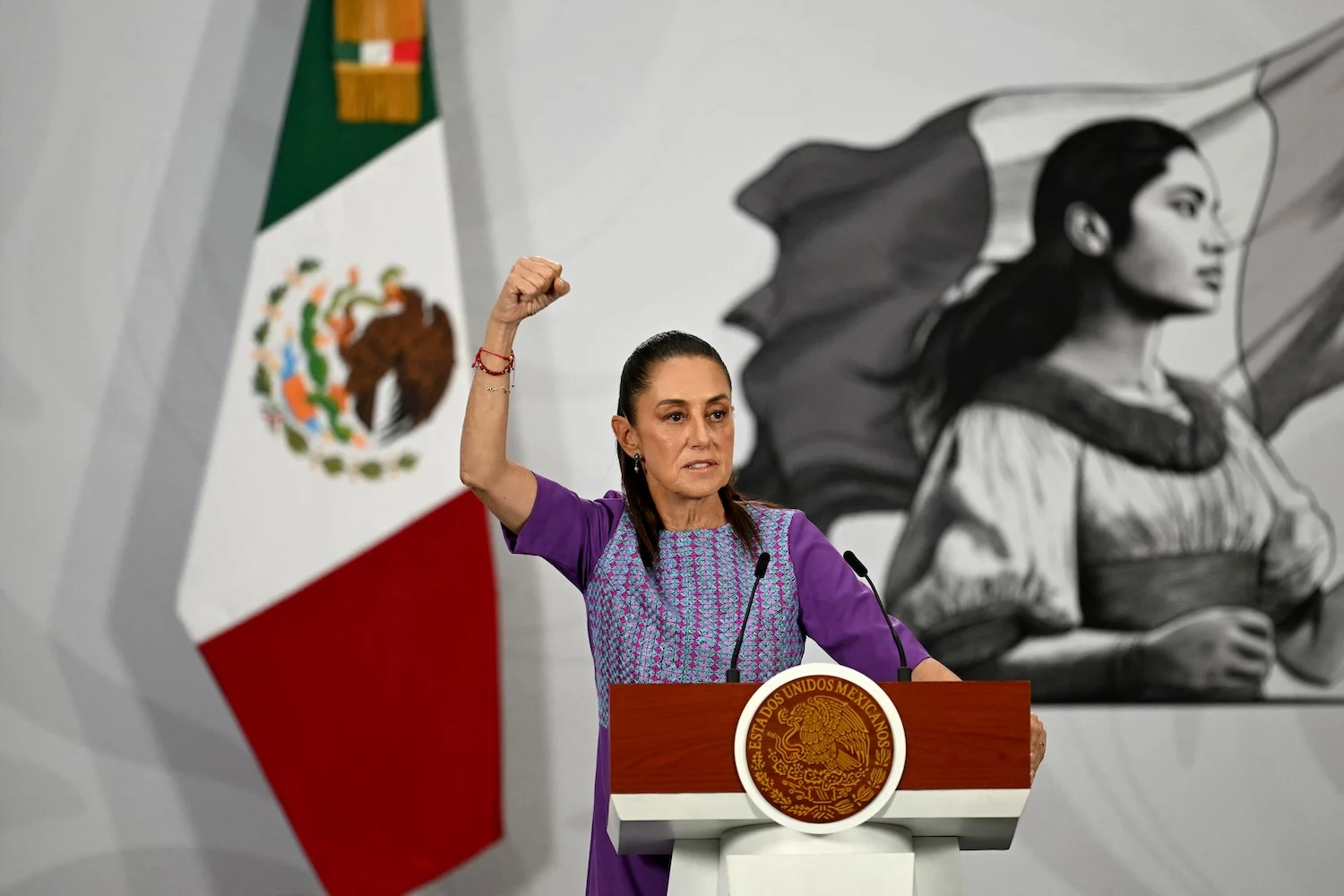
In late February, relations between Mexico and the United States seemed to hit a high note. After months of pressure from U.S. President Donald Trump demanding that Mexico do more to battle its cartels, Mexican forces delivered, killing the head of the country’s most powerful organized crime group, the Jalisco New Generation Cartel.
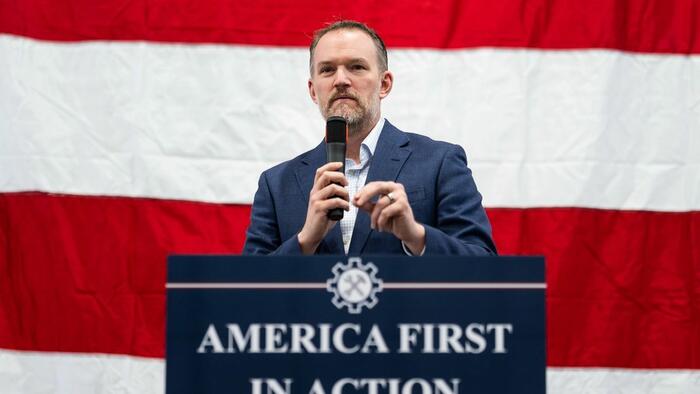
Despite the cartel-inflicted chaos that followed, Mexico received praise from the United States: “This is a great development for Mexico, the US, Latin America, and the world,” Deputy Secretary of State Christopher Landau, a former U.S. ambassador to Mexico, wrote on X. “The good guys are stronger than the bad guys.”
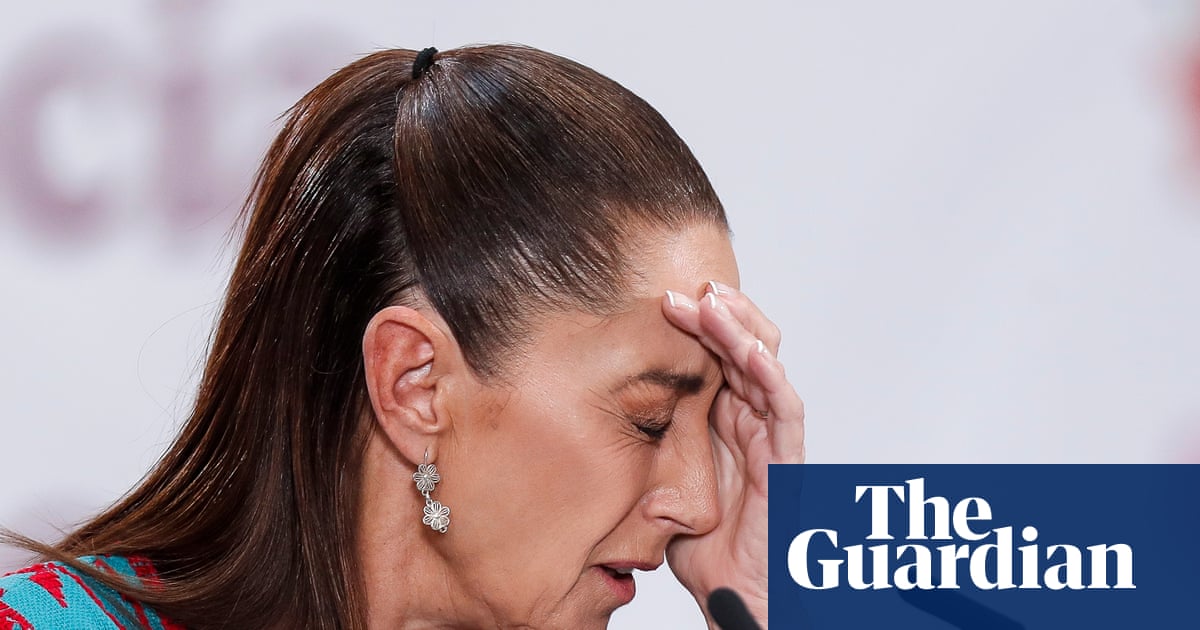
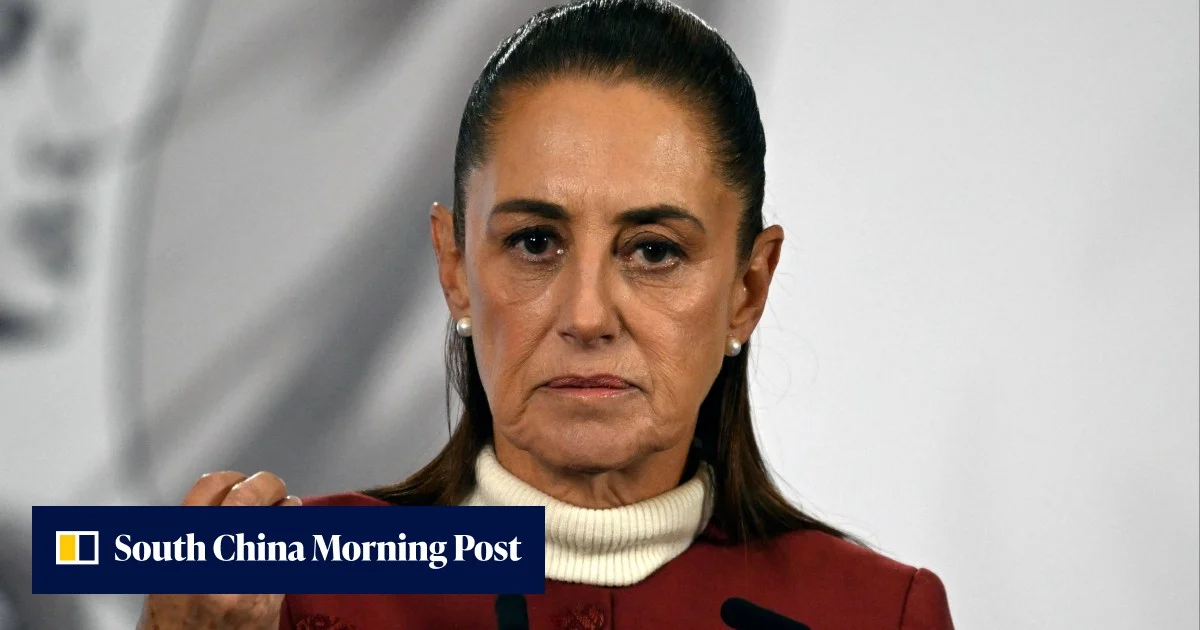
The current U.S. ambassador in Mexico City, Ronald Johnson, noted that “bilateral cooperation has reached unprecedented levels.” Reports that the operation relied on U.S. intelligence seemed to represent what Mexican President Claudia Sheinbaum has called “cooperation without subordination.”
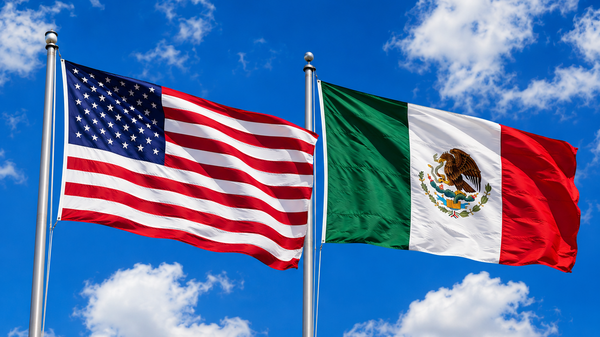
Since then, however, bilateral relations have rapidly unraveled. Washington’s increasing hawkishness over security and corruption south of the border has pushed U.S.-Mexico ties to a boiling point, just ahead of talks over the future of the United States-Mexico-Canada Agreement (USMCA). The process formally began on May 28, with the United States opting for bilateral talks with Mexico first.