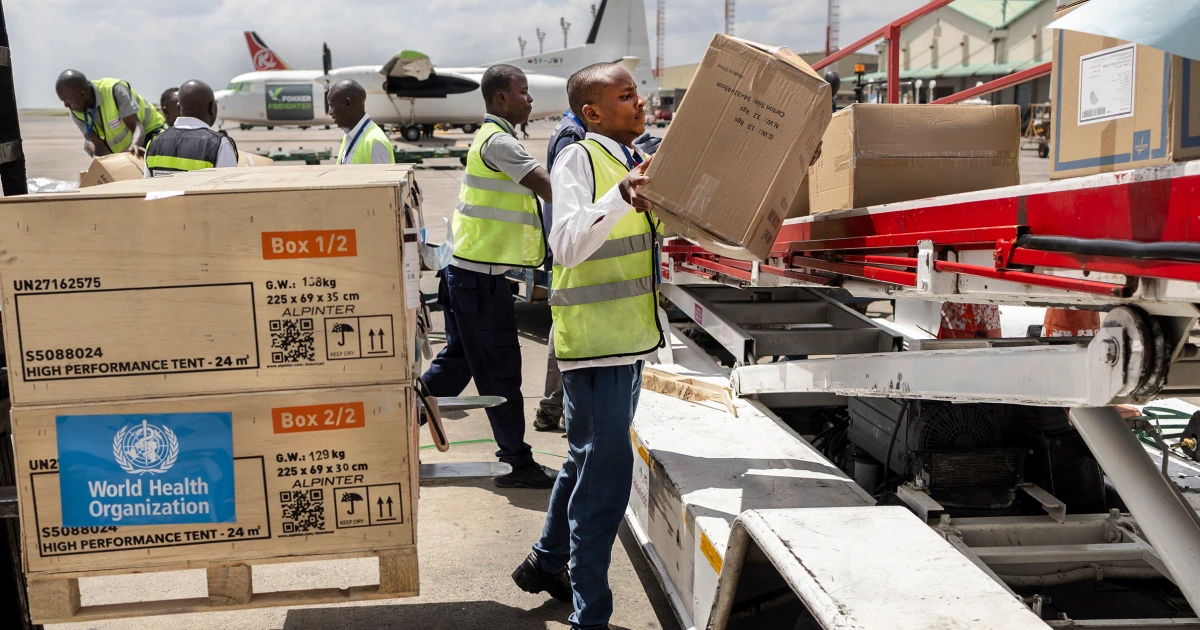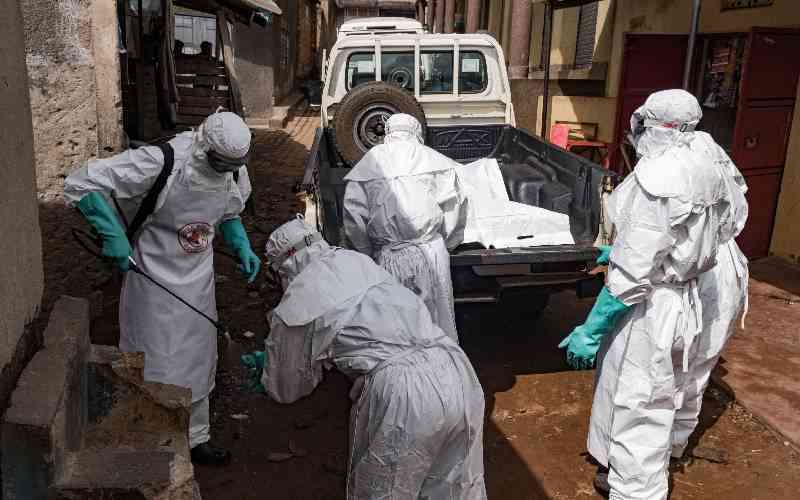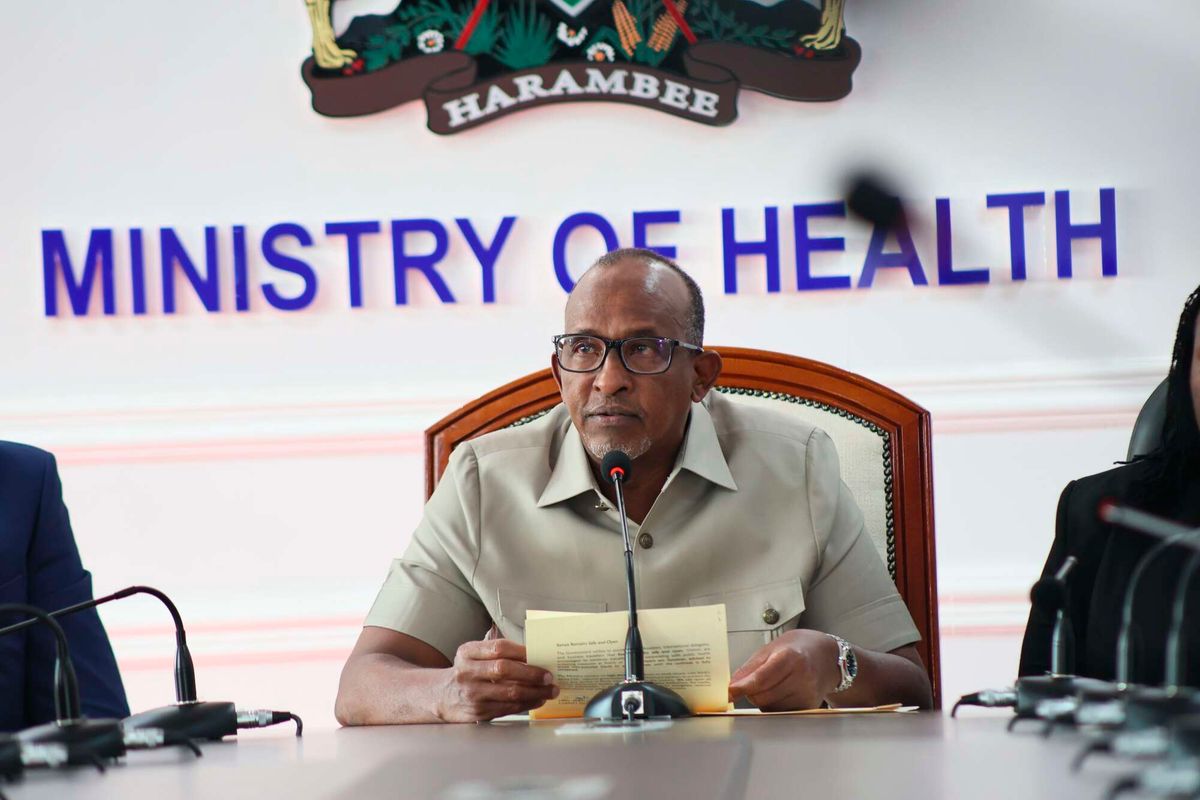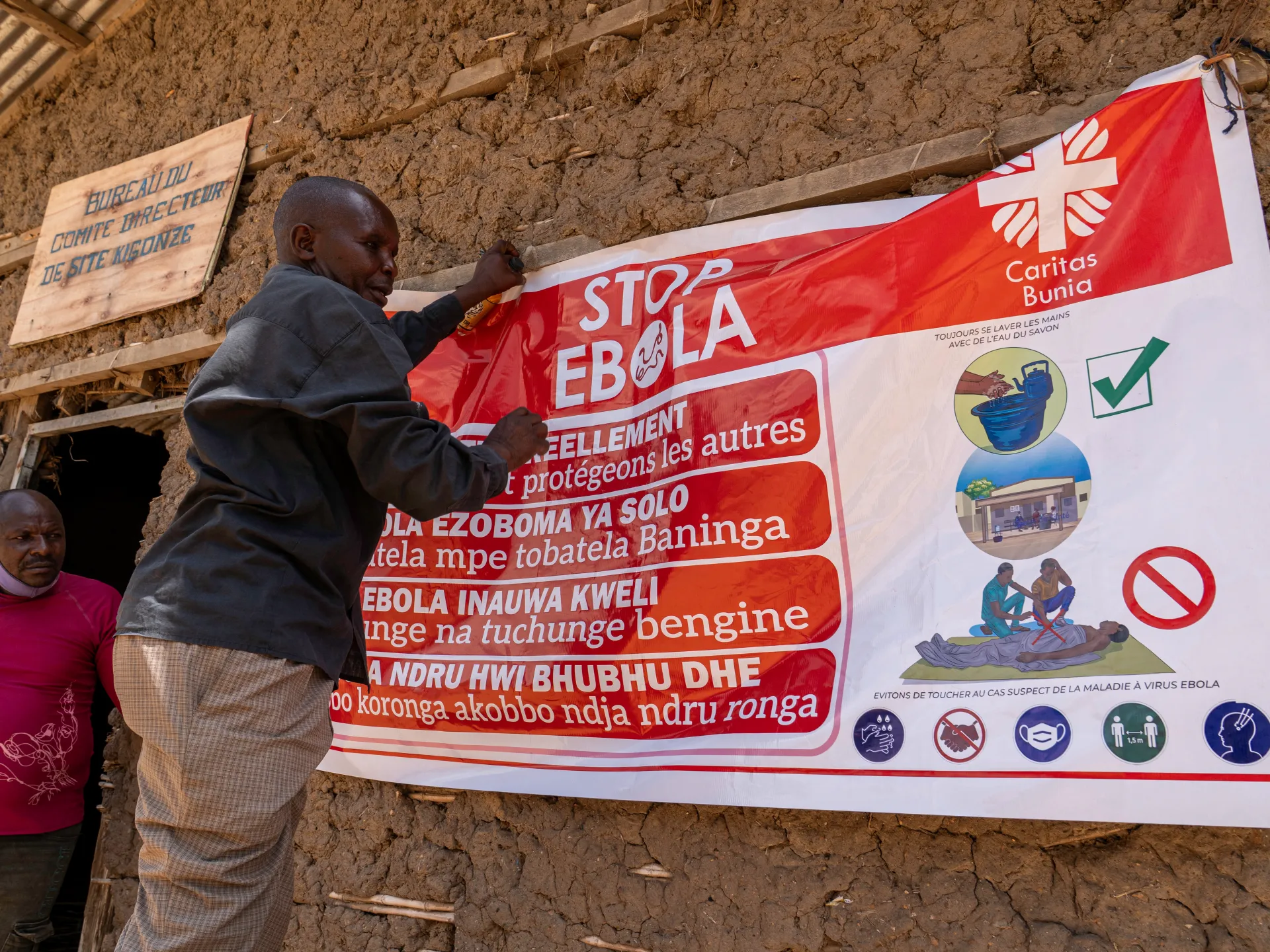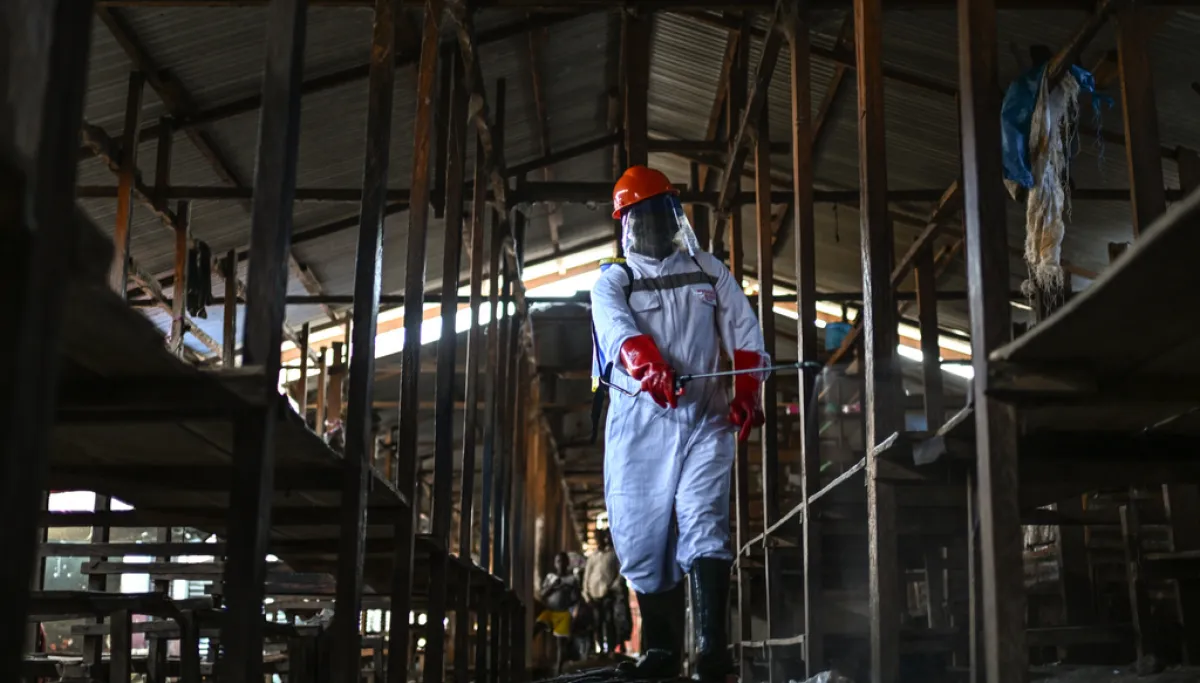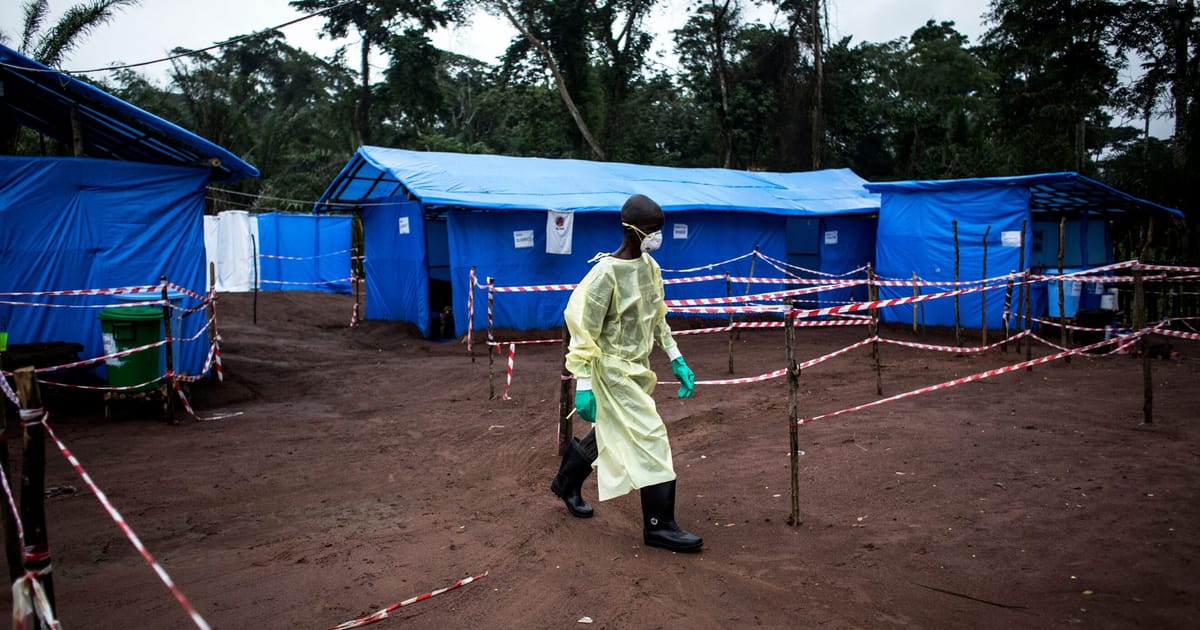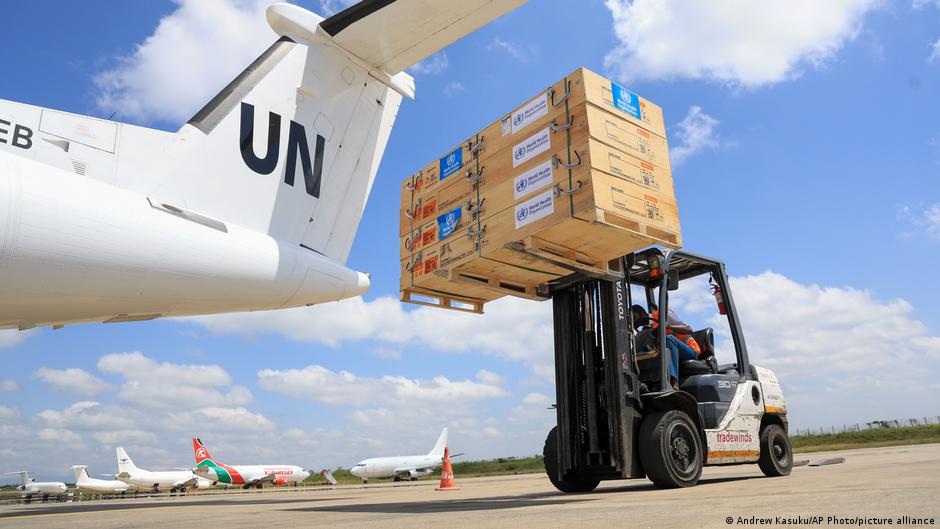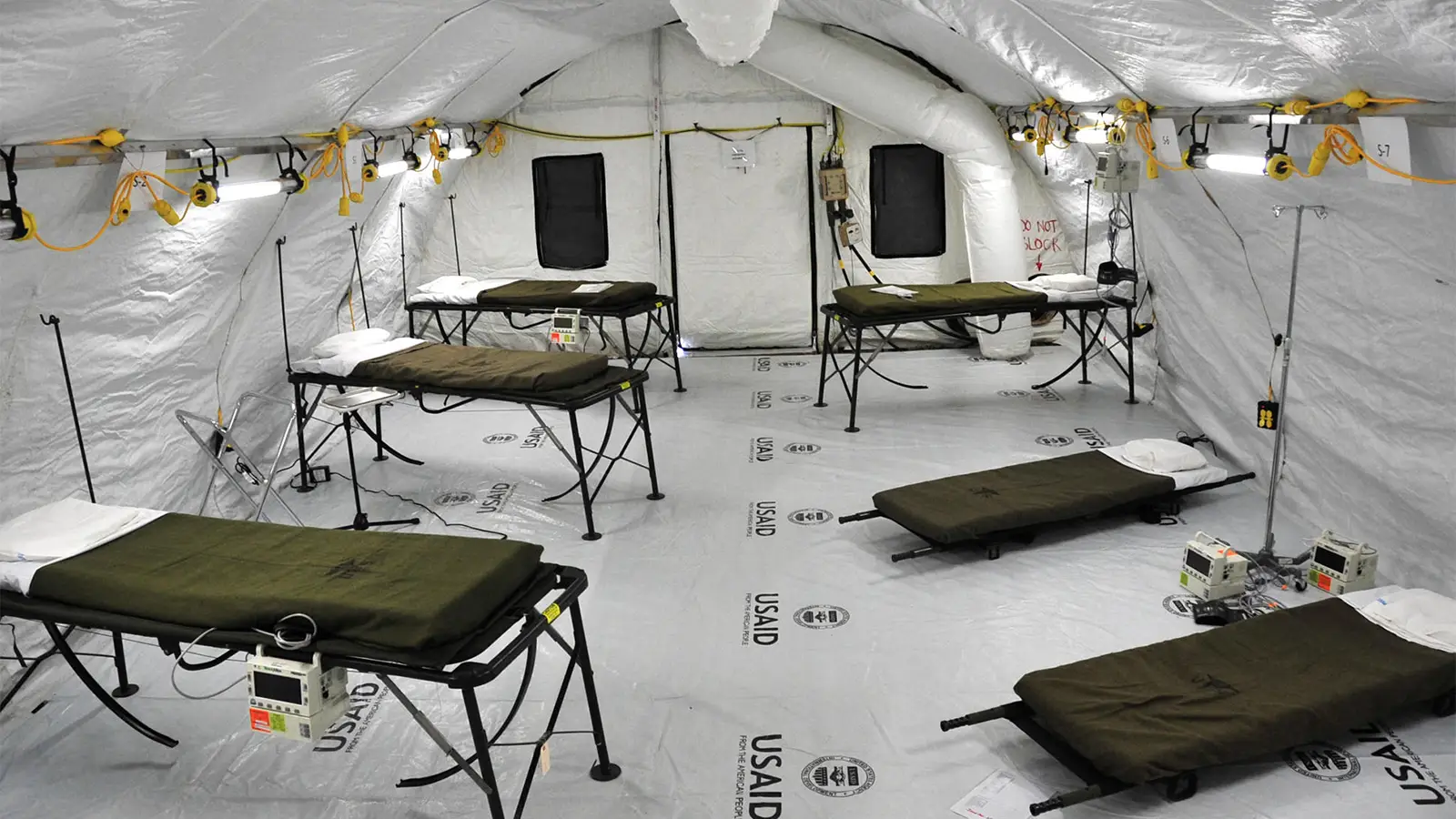
The U.S. is erecting a make-shift field hospital at the Laikipia Air Base in Central Kenya to quarantine, monitor, and treat U.S. citizens exposed to Bundibugyo ebolavirus. Built by the military and staffed by U.S. Public Health Service (PHS) personnel, the facility is intended to bypass the longstanding practice of medical evacuations to specialized U.S. hospitals. While it was originally set to open this week, a Kenyan court temporary blocked the plan pending further hearings. In its court petition, rights' group the Katiba Institute warned that the arrangement posed "grave and imminent risks" to public health.
This offshore containment strategy comes on the heels of government directives that bar non-citizens from entering the U.S. if they have traveled to the outbreak zone in the past 21 days. The administration has drawn an absolute line at the border. As Secretary of State Marco Rubio bluntly put it: "We cannot and will not allow any cases of Ebola to enter the United States."
While administration officials frame this as defending our borders and ensuring "rapid access to care" for exposed individuals, the medical, ethical, and legal reality is far more troubling. Most importantly, the Kenya plan will put American lives at risk, trading proven clinical and public health standards for political theater.